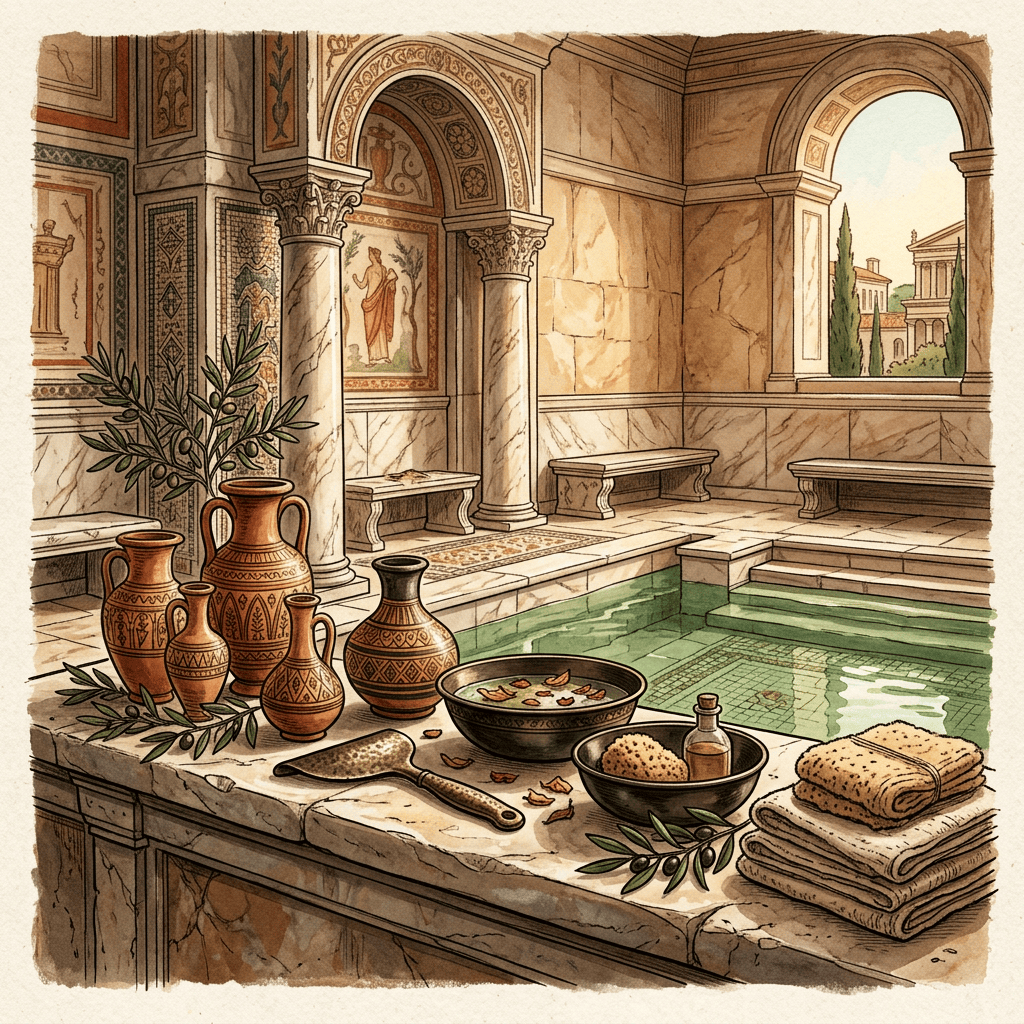
Roman spa culture was a sensory world built on warmth, touch, and indulgence. Inside the thermae, beauty and wellness blended seamlessly, offering treatments that feel strikingly modern. Mud baths were among the most luxurious rituals. Romans sourced mineral‑rich mud from thermal regions, applying it to the body to soothe joints, soften skin, and draw outContinue reading “Ancient Rome: Spa Culture — Mud Baths, Oils, Massages”
Tag Archives: fashion
Beauty Patches: 18th‑Century Signals of Style and Status
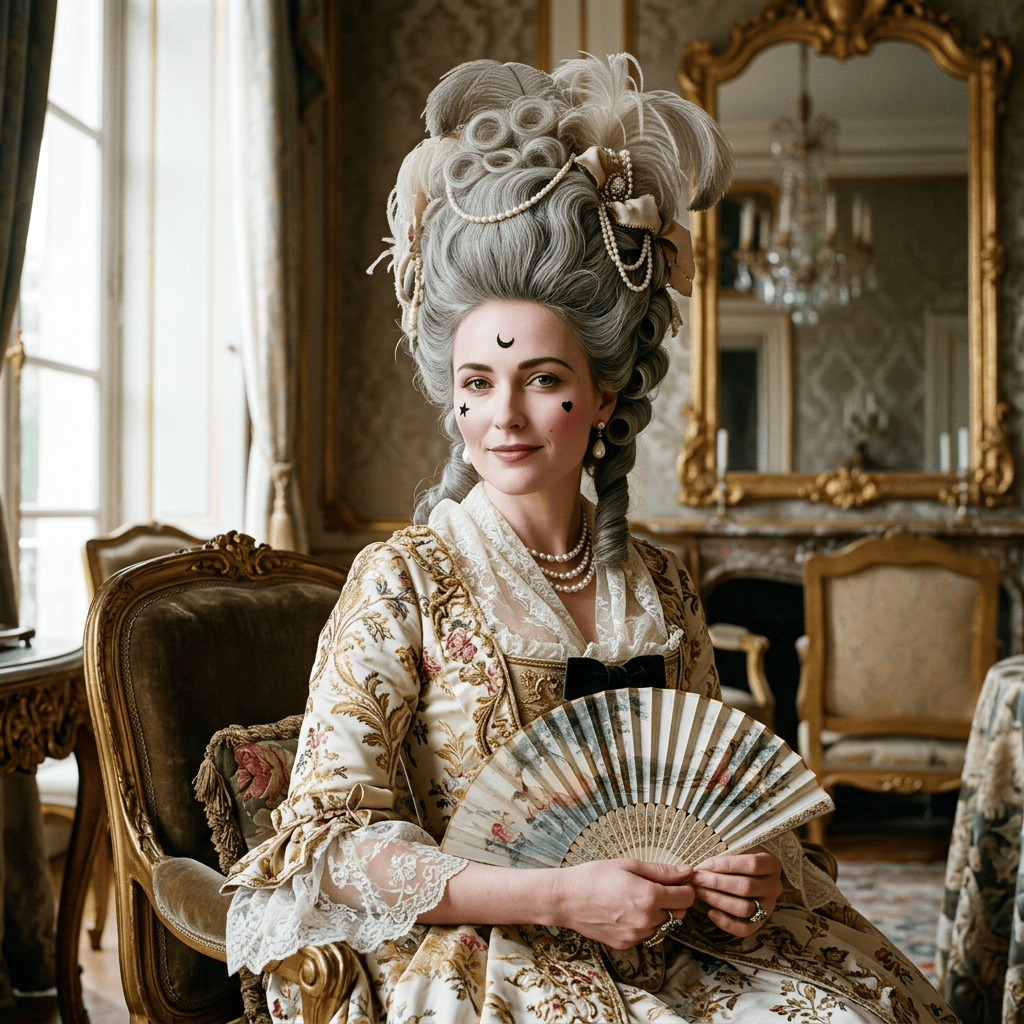
Beauty patches — small, velvet or silk cut‑outs shaped like stars, moons, hearts or simple circles — were one of the most charming and symbolic beauty trends of the Georgian and Rococo eras. Worn on the face, neck, or décolletage, these patches were more than decoration; they were a coded language of flirtation, fashion, andContinue reading “Beauty Patches: 18th‑Century Signals of Style and Status”
Ancient Rome: Early Cold Creams
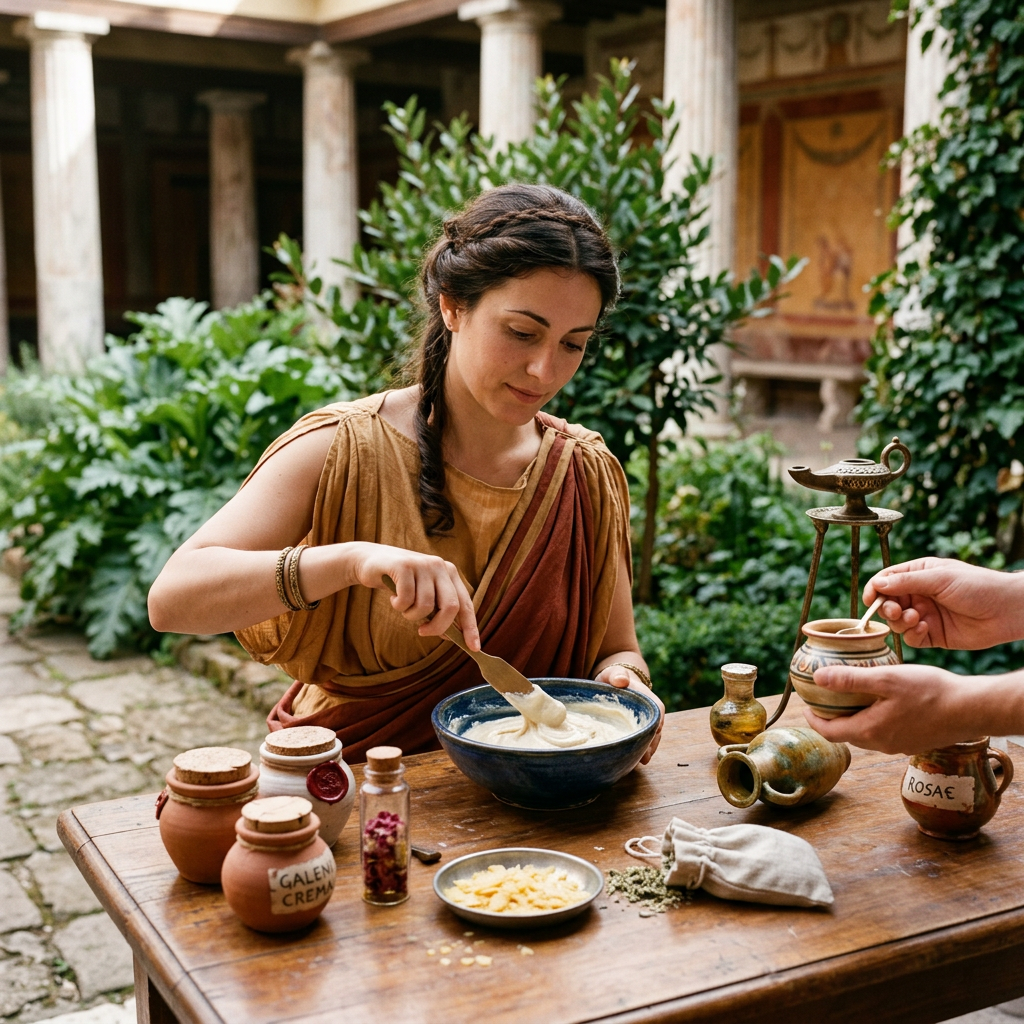
Cold cream is often credited to Galen in the 2nd century CE, but its origins reflect a much broader Roman fascination with texture, luxury, and skin preservation. Roman women — and many men — lived in a climate of sun, dust, and heat, making moisturization essential. Early cold‑cream‑like formulas emerged from this need: soft, coolingContinue reading “Ancient Rome: Early Cold Creams”
Ancient Rome: Bath-house Beauty
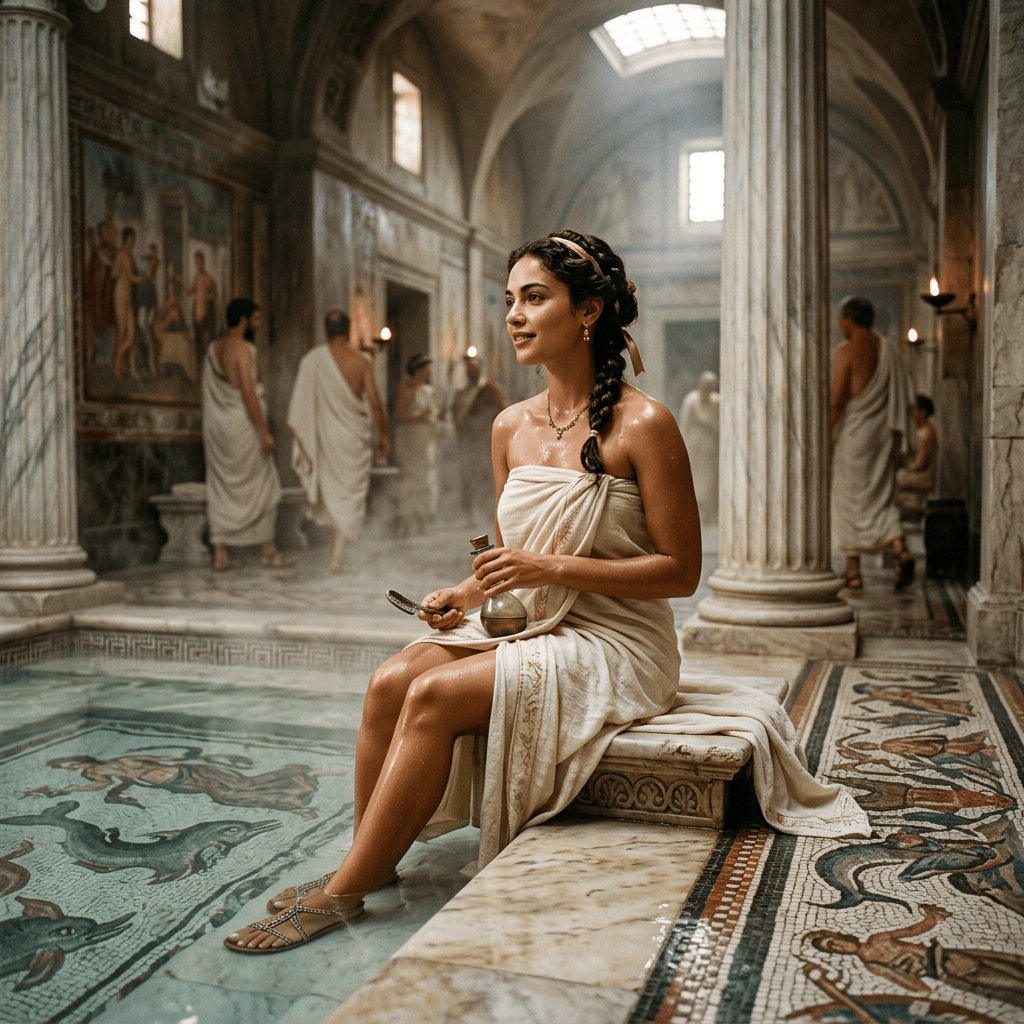
Roman bathhouses were more than communal spaces — they were the heart of Roman beauty culture. Across the empire, citizens visited the thermae not only to cleanse but to rejuvenate, socialize, and indulge in rituals that blended wellness with luxury. Bathing was a multi‑step experience, beginning with the apodyterium (changing room) and moving through warm,Continue reading “Ancient Rome: Bath-house Beauty”
Ancient Roman Perfumed Oils
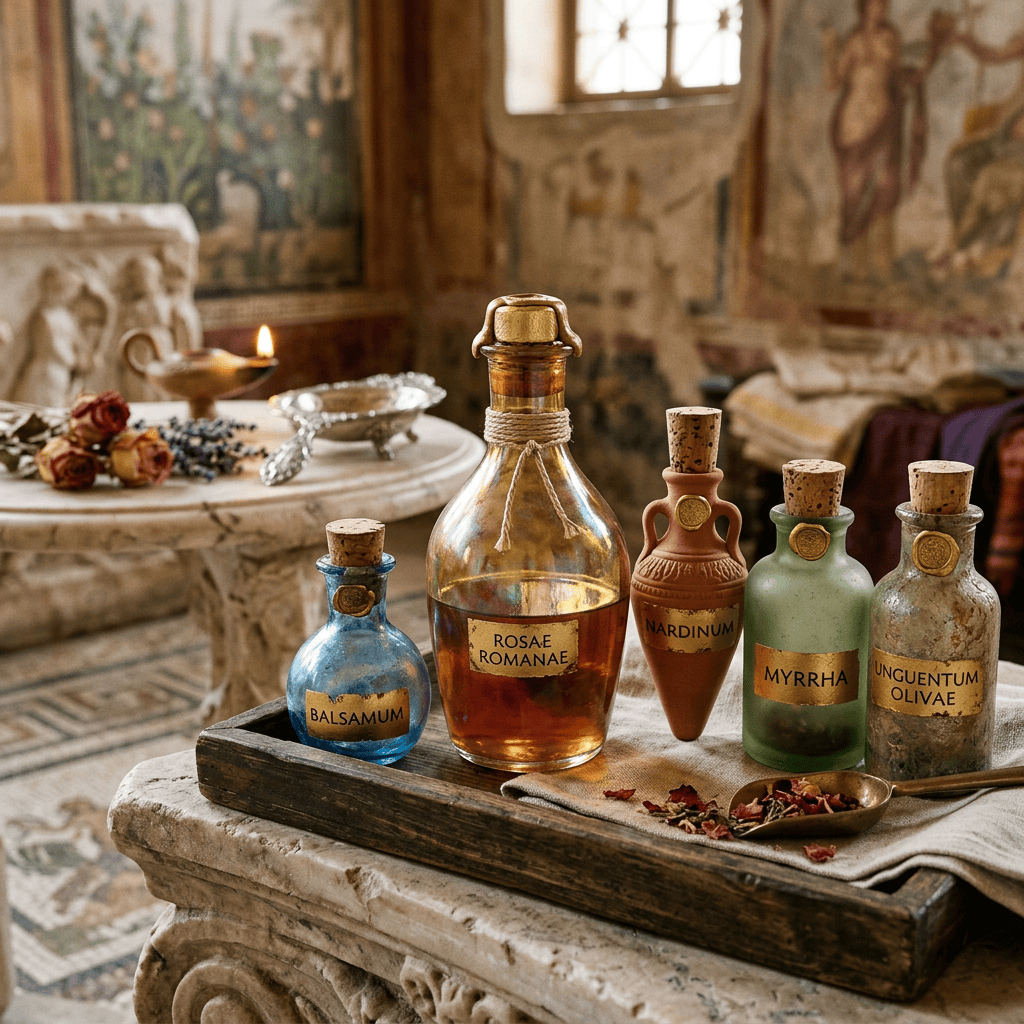
Perfumed oils were essential to Roman beauty, bridging skincare, fragrance, and ritual. In a climate of heat and dust, oils protected the skin, added softness, and carried scents that defined personal identity. Roman perfumers — highly skilled artisans — blended olive oil with botanicals, resins, and exotic imports to create luxurious mixtures used by bothContinue reading “Ancient Roman Perfumed Oils”
Ancient Roman Cosmetic Tools
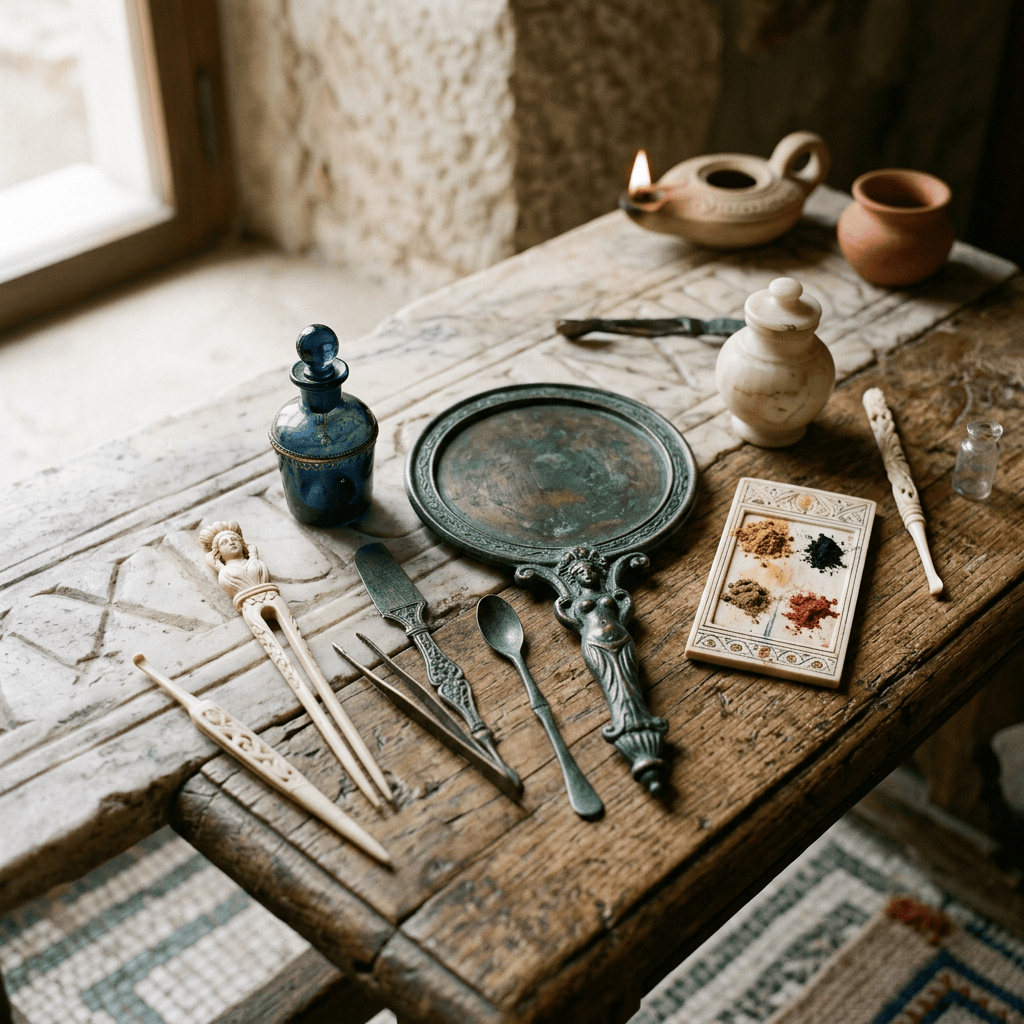
Roman beauty rituals relied on a range of cosmetic tools that blended practicality with craftsmanship. These tools, often made from bronze, bone, glass, or carved wood, reveal how seriously Romans approached grooming and personal care. Mirrors, crafted from polished bronze, were central to daily beauty routines. Their reflective surfaces allowed precise application of cosmetics andContinue reading “Ancient Roman Cosmetic Tools”

