Anglo‑Saxon Hair Tools

Anglo‑Saxon hair care was simple, natural, and deeply tied to craftsmanship. Hair was considered a symbol of health and femininity, so maintaining it was a daily ritual supported by tools that were both practical and beautiful.

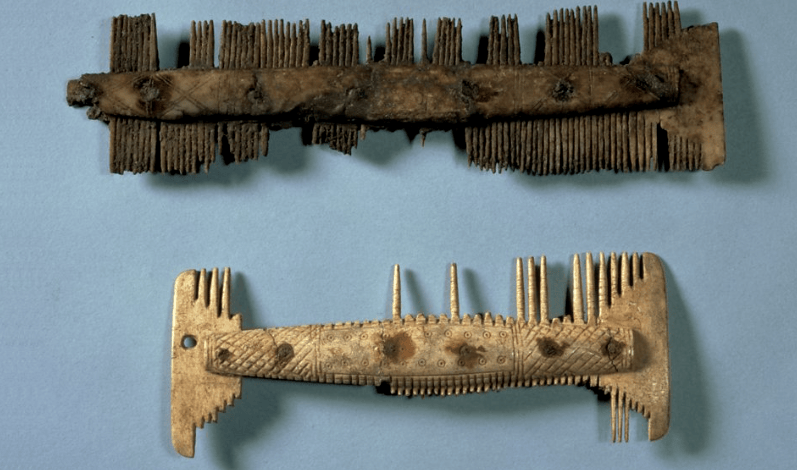
These combs are made from bone/Courtesy from BBC

The most essential item was the wooden comb. These combs were carved from boxwood, ash or horn, often decorated with geometric patterns or small symbolic motifs. They were used not only to detangle hair but also to remove dust and maintain scalp health — a vital practice in a world without modern shampoos.

Women also used bone pins and metal clasps to secure braids and coils. These accessories were functional, but they also signaled status. A finely carved pin or a bronze clasp suggested wealth and refinement. Hair was typically worn long, braided or wrapped into intricate knots and these tools helped create styles that were both sturdy and elegant.

Oils infused with herbs like rosemary or lavender were applied sparingly to soften the hair and add fragrance. Combined with careful combing and braiding, these tools created a look that was modest, natural, and quietly sophisticated.

Anglo‑Saxon hair tools remind us that beauty was once rooted in craftsmanship — a blend of utility, artistry, and everyday ritual.

I’m Stacey Hobbs, thanks for reading Face by Stace! Until next time.
do you feel fabulous today?
Anglo‑Saxon Herbal Beauty Recipes

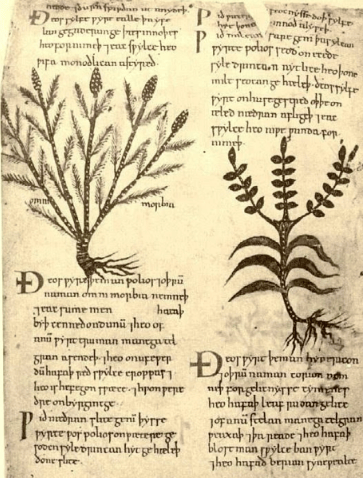
Anglo‑Saxon beauty rituals relied on herbs, grains and natural oils — ingredients gathered from fields, forests and kitchen gardens. These recipes were simple but effective, reflecting a culture that valued purity and practicality.

For cleansing, women used herbal infusions made from chamomile, mint or elderflower. Warm water steeped with these plants refreshed the skin and soothed irritation. A common exfoliant was a mixture of ground oats and barley, rubbed gently onto the face to remove impurities and soften the complexion.

Honey was a prized ingredient. Mixed with a little warm water, it became a moisturizing mask that left the skin smooth and hydrated. Honey’s natural antibacterial properties also made it useful for treating minor blemishes.

For hair, rosemary and nettle were boiled into strengthening rinses that promoted shine and scalp health. Women sometimes added a touch of animal fat or beeswax to create a conditioning salve for dry ends.

Perfume was subtle. Herbs like sweet woodruff, lavender and meadowsweet were crushed and stored in small pouches, releasing gentle fragrance throughout the day.

These recipes were about harmony with nature. Anglo‑Saxon beauty was slow, thoughtful and rooted in the land.

I’m Stacey Hobbs, thanks for reading Face by Stace! Until next time.
do you feel fabulous today?

Anglo‑Saxon Bathing Rituals

Bathing in the Anglo‑Saxon world was less about luxury and more about ritual. Warm water infused with herbs was used to cleanse, soothe and spiritually refresh. Women often steeped mint, chamomile or meadowsweet in basins, creating fragrant washes that softened the skin and eased tension. Anglo-Saxons didn’t bathe daily; it was more about it being intentional, a sense of care. 

After bathing, women applied light oils made from animal fats or plant infusions. These acted as moisturizers, protecting the skin from wind, cold and the roughness of daily work. Bathing also had symbolic meaning: cleanliness was associated with good health, moral purity and social respectability.

These rituals reveal a culture where beauty was gentle, natural and deeply connected to the land.

I’m Stacey Hobbs, thanks for reading Face by Stace! Until next time.
do you feel fabulous today?
Tanning Rooms (1938)

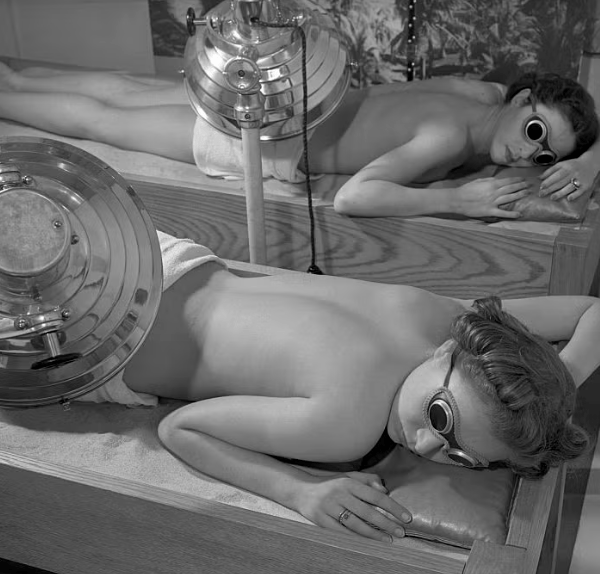
In 1938, tanning wasn’t yet a salon service — it was an experience. Before modern tanning beds, women visited specialized tanning rooms lit with “sunray lamps,” spaces designed to mimic the warmth and glow of sunlight indoors. According to the period photo, these rooms featured infra‑red lamps that heated both the body and the sand beneath the loungers, creating a beach‑like environment without ever stepping outside

Two women recline on sand‑covered beds, their bodies bathed in artificial rays. The setup looks serene, but it reflects a moment when beauty culture was experimenting boldly with technology. The goal was simple: achieve a sun‑kissed glow year‑round, especially in colder climates where natural tanning wasn’t possible.

These rooms were part of a broader 1930s fascination with “scientific beauty.” Infra‑red lamps, UV devices and heat‑based treatments promised modern convenience and cinematic glamour. Tanning rooms offered a controlled environment — warmth, relaxation and the illusion of summer — all engineered through light.

Today, the image feels both nostalgic and futuristic. It captures a decade willing to innovate, to push boundaries and to transform everyday beauty rituals into experiences. The 1938 tanning room wasn’t just a treatment; it was an escape, a curated moment of warmth and radiance in an era captivated by the promise of modern technology.

I’m Stacey Hobbs, thanks for reading Face by Stace! Until next time.
do you feel fabulous today?
Marilyn Monroe: The Enduring Style Icon

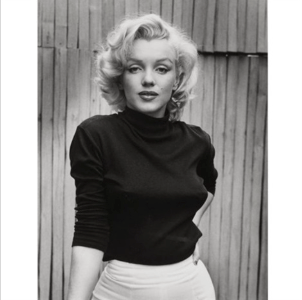
Marilyn Monroe didn’t simply wear clothes — she transformed them. Her style was a language of softness and power, vulnerability and glamour, a visual identity that shaped mid‑century beauty and continues to influence fashion decades later. What makes her a true style icon is not just the fame but the clarity of her vibe: luminous skin, sculpted silhouettes and an un-mistakable blend of innocence and allure.

Her wardrobe was built on contrasts. Marilyn loved the drama of white, a colour that amplified her platinum hair and porcelain glow. She embraced curve‑defining silhouettes — bias‑cut gowns, halter necklines and dresses that moved like liquid — yet she paired them with an almost childlike sweetness in her expressions and gestures. This tension created the “Monroe effect”: sensuality softened by vulnerability.

Off‑screen, her style was surprisingly minimal. She favoured simple turtlenecks, capri pants, bare shoulders and clean lines that highlighted her natural beauty. Even her makeup, though iconic, was architectural rather than excessive: the lifted eyeliner, the diffused red lip, the strategic highlighting that made her face glow under any light.

Marilyn’s influence endures because she understood the power of image. She crafted a look that was unmistakably hers — feminine, modern, and emotionally resonant. Her style wasn’t costume; it was character. And that is why she remains one of the most defining fashion figures of the 20th century.

I’m Stacey Hobbs, thanks for reading Face by Stace! Until next time.
do you feel fabulous today?
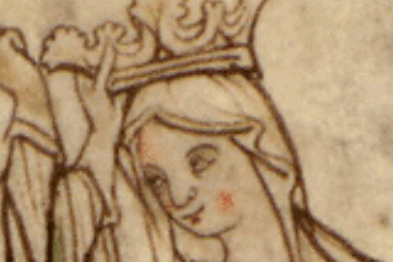
Anglo‑Saxon Beauty + Symbolism

In the world of Anglo-Saxon, beauty carried much weight. Physical appearance reflected character and harmony. Clear skin suggested purity. Long, well‑kept hair represented virtue and good health. Fragrance signaled protection and inner balance.

Grooming amongst women were classified by these beliefs. They used herbal cleansers to maintain a bright complexion, braided their hair to show modesty and wore simple jewelry that emphasized natural beauty rather than excess. Even the tools they used — carved combs, bone pins, beeswax salves — reflected a culture that valued craftsmanship and restraint.

Beauty was meaningful. 
Beauty within the era of Anglo-Saxon, expressed a woman’s connection to nature, her household, and her spiritual life. 
Anglo‑Saxon beauty culture was defined by elegance; quiet, symbolic and deeply rooted in daily ritual.

I’m Stacey Hobbs, thanks for reading Face by Stace! Until next time.
do you feel fabulous today?