
Ancient China: Pearl Powder for Radiance

In Ancient China, pearl powder was one of the most prized beauty ingredients — a symbol of refinement, purity and luminous skin. Used by royal women, scholars and later by practitioners of Traditional Chinese Medicine, pearl powder embodied the belief that true radiance came from both internal balance and topical care.

Finely ground from freshwater or saltwater pearls, the powder was valued for its soft, brightening effect. When applied to the skin, it created a smooth, porcelain‑like finish that aligned with classical Chinese beauty ideals: clarity, softness and a subtle inner glow. Mixed with water, rose hydrosols or herbal infusions, it became a gentle mask or paste used to reduce dullness, calm irritation and refine texture.

Pearl powder was also consumed internally, believed to nourish the spirit, support qi and promote long‑term radiance. Physicians recorded its ability to soothe inflammation, support healing and strengthen the skin — a dual approach that merged beauty with wellness.

Its effectiveness came from natural compounds still recognized today: calcium for barrier support, amino acids for repair and trace minerals that encourage brightness. The result was a treatment that felt luxurious yet grounded in early dermatological understanding.
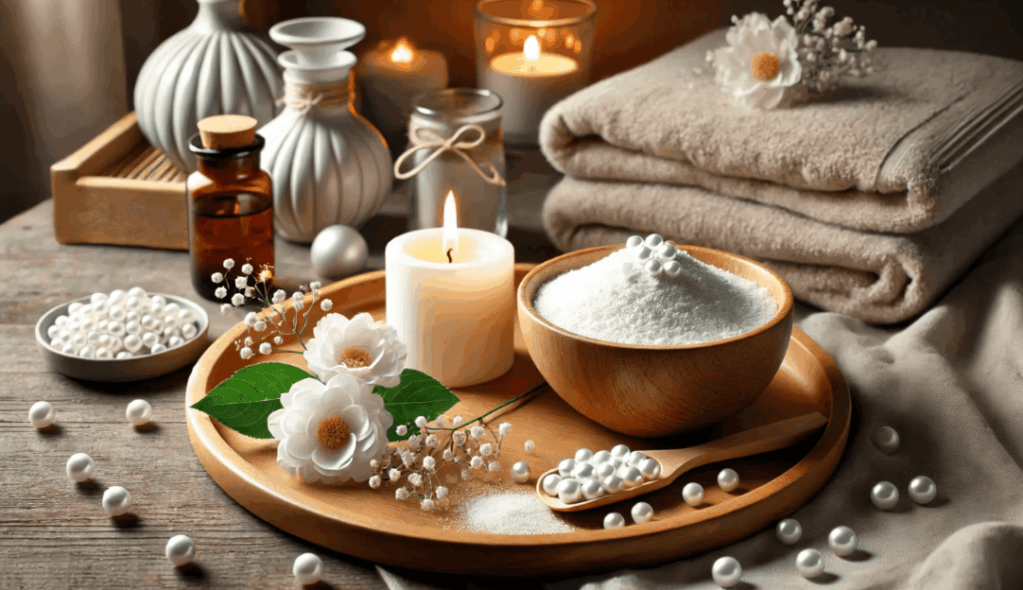
Pear Powder/acaacupuncture.com

Pearl powder’s legacy continues in modern Asian skincare, where it appears in brightening masks, finishing powders and radiance‑boosting treatments. Its enduring appeal reflects a timeless truth: luminosity isn’t just cosmetic — it’s cultural, historical and deeply connected to the rituals that shaped beauty across centuries.

I’m Stacey Hobbs, thanks for reading Face by Stace! Until next time.
do you feel fabulous today?
Ancient Egypt: Anti‑Wrinkle Creams Made from Aloe, Myrrh & Frankincense

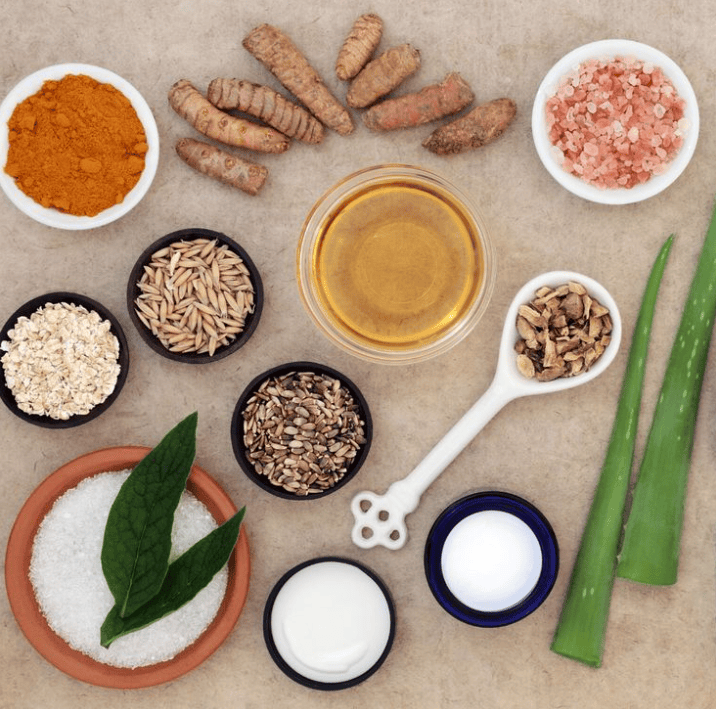
In Ancient Egypt, beauty rituals were deeply intertwined with medicine, spirituality and daily life. Anti‑wrinkle creams made from aloe, myrrh and frankincense were among the most sophisticated early skincare formulas — a blend of botanical science and ritual care that feels surprisingly modern.

Aloe served as the cooling, hydrating base. Egyptians prized its ability to soften the skin, calm irritation and retain moisture in a harsh desert climate. Its gel‑like texture made it ideal for mixing with oils and resins, creating smooth creams that nourished and protected.

Myrrh, a resin harvested from desert trees, added healing strength. Known for its antimicrobial and anti‑inflammatory properties, myrrh helped reduce redness, support repair and maintain skin resilience. In anti‑aging formulas, it acted as a restorative agent that kept the complexion calm and balanced.

Frankincense contributed a subtle firming effect and an aromatic lift. When softened and blended into creams, it was believed to smooth fine lines, refine texture and purify the skin. Its fragrance also carried spiritual significance turning skincare into a sensory ritual.

Together, these ingredients created a treatment that hydrated, soothed, tightened and protected — a holistic approach to aging long before modern dermatology. Their legacy endures in today’s botanical skincare, proving that Ancient Egyptian beauty was not only ritualistic but remarkably advanced.

I’m Stacey Hobbs, thanks for reading Face by Stace! Until next time.
do you feel fabulous today?
Leek & Potato Comfort Chowder

Warm • Creamy • North‑American Comfort • Autumn/Winter

A creamy, cozy North‑American chowder where tender potatoes and leeks melt into a warm, comforting bowl. The chowder’s pale gold hue and rustic texture make it perfect for Autumn and Winter.

Prep 15 min Cook 35 min Serves 4

Genius Creamy Potato-Leek Chowder for Cozy Comfort/herkitchenstories.com

Ingredients

2 tbsp olive oil or butter
3 cups sliced leeks (white + light green)
3 large potatoes, diced
2 celery stalks, chopped
3 cloves garlic, minced
4 cups vegetable or chicken broth
1 cup milk or cream
1 tsp thyme
1 tsp salt
1/2 tsp black pepper
Optional chives, bacon, or parsley for garnish

Instructions

  1. Sauté aromatics
    Warm oil in a pot. Add leeks, celery, and garlic. Cook until soft and fragrant.
  2. Add potatoes
    Stir in diced potatoes and thyme. Cook 3–4 minutes.
  3. Add broth
    Pour in broth. Bring to a boil, then reduce heat and simmer 20 minutes until potatoes are tender.
  4. Blend partially
    Blend half the soup for creaminess, leaving some chunks for texture.
  5. Finish
    Add milk or cream. Season with salt and pepper. Simmer 5 minutes.
  6. Serve
    Garnish with chives, bacon, or parsley.

Beauty Benefits

  • Leeks: anti‑inflammatory; supports gut‑skin clarity
  • Potatoes: potassium for hydration + skin balance
  • Garlic: antioxidant; supports collagen
  • Thyme: antimicrobial; supports clear skin

Health Benefits

  • Warm, grounding comfort food
  • High‑fibre potatoes support digestion
  • Leeks support immunity + gut health
  • Naturally gluten‑free

Substitutions

  • Cream → coconut milk (dairy‑free)
  • Potatoes → sweet potatoes (beta‑carotene glow)
  • Thyme → rosemary

Storage

  • Refrigerate: 3–4 days
  • Freeze: up to 2 months
  • Reheat gently

I’m Stacey Hobbs, thanks for reading Face by Stace! Until next time.
do you feel fabulous today?

Carrot Clarifying Clay Mask

A purifying, brightening masque ideal for congestion, dullness, and uneven tone.

Description

This masque is earthy, cooling, and deeply clarifying. Carrot’s antioxidants brighten while clay absorbs excess oil and impurities.

Beauty Benefits

  • Beta‑carotene — brightens and supports collagen.
  • Anti‑inflammatory compounds — reduce redness.
  • Kaolin clay — gently purifies without stripping.
  • Aloe — adds hydration.
  • Warm herbal notes — boost circulation.

Ingredients

  • 1 tbsp carrot water
  • 1 tbsp kaolin clay
  • 1 tsp aloe vera
  • Optional: 1 drop tea tree oil

Instructions

Apply to clean skin. Leave on 8–12 minutes. Rinse thoroughly.

Storage

Best used fresh; keeps 24 hours refrigerated.

Substitutions

  • Replace kaolin with bentonite for oily skin.
  • Replace aloe with honey for added moisture.

I’m Stacey Hobbs, thanks for reading Face by Stace! Until next time.
do you feel fabulous today?

Make‑Do and Mend in 1930s Canada

In 1930s Canada, fashion wasn’t about buying new pieces — it was about transforming what you already owned. The Great Depression re-shaped Canadian wardrobes into something practical, creative, and deeply personal. “Make‑Do and Mend” wasn’t just a slogan; it was a way of life.

Canadian women became experts at refashioning garments. A worn dress could be shortened, re‑hemmed, or turned into a blouse. Coats were re‑lined, collars re-placed, and sleeves altered to extend their lifespan. Fabric scraps became trims, cuffs or decorative appliqués. Nothing was wasted.

Patterns published in Canadian magazines taught women how to update older silhouettes into modern 1930s styles — adding pleats, re-shaping shoulders or creating bias‑cut effects without buying new fabric. Department stores even offered mending guides, acknowledging that most customers couldn’t afford constant replacements.

Beauty followed the same philosophy. Women stretched powder by mixing it with cornstarch, revived lipstick by melting the last remnants, and re-used cold cream jars for homemade skincare. Hairstyles were designed to last multiple days, reducing the need for frequent washing or setting.

Make‑Do and Mend wasn’t just practical — it was empowering. It allowed Canadian women to stay stylish during hardship, express creativity and maintain dignity when resources were scarce. In a decade defined by resilience, fashion became a testament to survival and ingenuity.

I’

Parsnip & Apple Soup

This Parsnip & Apple Soup is light, velvety, and cozy — the kind of fall bowl that feels warming without being heavy. Sweet apples soften the earthiness of parsnips, while leeks, garlic, and a touch of thyme build gentle aromatic depth. It’s clean, simple, and elegant: pale‑gold colour, smooth texture, and a naturally finish. Perfect for early‑fall lunches, weeknight dinners or a minimalist starter for a holiday table.

Prep 10 min Cook 25 min Serves 4

Rich Creamy Parsnip and Apple Soup – Comfort in a Bowl 1/cookingforconnections.com

Ingredients

2 tbsp olive oil
1 large leek, sliced (white + light green parts)
2 cloves garlic, minced
4 medium parsnips, peeled + chopped
2 apples (Honeycrisp or Gala), peeled + chopped
4 cups low‑sodium vegetable broth
1 tsp fresh thyme (or ½ tsp dried)
to taste salt + pepper
optional ¼ cup cream or milk for extra silkiness

Instructions

  1. Sauté aromatics
    Heat olive oil in a pot over medium. Add leeks and cook until soft, about 5 minutes.
  2. Build flavour
    Stir in garlic, parsnips, apples, and thyme; cook for 2 minutes to bloom the aromatics.
  3. Simmer
    Pour in broth, bring to a boil, then reduce to a simmer. Cook 20–25 minutes until parsnips are very tender.
  4. Blend
    Blend the soup until completely smooth using an immersion blender or countertop blender.
  5. Finish
    Season to taste with salt and pepper. Add cream if using for extra silkiness.

Beauty Benefits

  • Parsnips: High in vitamin C and antioxidants that support collagen and brighten dull skin.
  • Apples: Natural malic acid gently supports skin renewal and glow.
  • Leeks: Rich in prebiotics for gut‑skin synergy and reduced inflammation.
  • Olive oil: Vitamin E + healthy fats nourish the moisture barrier.
  • Thyme: Antioxidant‑rich, supporting skin protection and clarity.

Health Benefits

  • High‑fibre parsnips and apples support digestion and steady energy.
  • Naturally low‑fat and light, ideal for gentle meals.
  • Warm soups support hydration and mineral absorption.
  • Leeks and garlic offer immune‑supportive compounds.
  • Easy on the stomach — perfect for cooler‑weather comfort.

Substitutions

  • Parsnips → carrots, celery root, or sweet potato.
  • Apples → pear or a splash of apple cider.
  • Leeks → onion or shallots.
  • Thyme → sage or rosemary.
  • Cream → coconut milk for dairy‑free.

Storage

  • Refrigerate 4 days in an airtight container.
  • Freezes beautifully for up to 3 months.
  • Reheat gently; add a splash of broth if thickened.

History

Root‑vegetable soups have been part of European Autumn cooking for centuries, prized for their warmth, affordability and natural sweetness. Parsnips were a staple long before potatoes became widespread, valued for their earthy flavour and cold‑weather hardiness. Apples entered savoury soups in the 18th and 19th centuries, adding brightness and balance. Today, parsnip‑apple soups appear in modern minimalist cooking for their clean flavour profile, velvety texture and seasonal elegance — a perfect blend of heritage and contemporary fall comfort.

I’m Stacey Hobbs, thanks for reading Face by Stace! Until next time.
do you feel fabulous today?