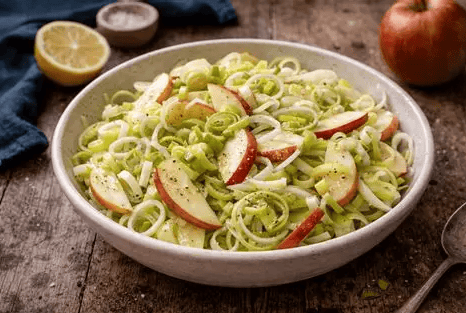
Leek, Apple & Kale Detox Salad

A crisp, bright detox salad where the leeks are sautéed and the kale has crunch, throw in some sweet apple and pumpkin seeds for texture. The lemon‑ginger dressing keeps everything clean and refreshing. It’s the perfect wellness salad — fresh, hydrating and anti‑inflammatory.

Prep 15 min Cook 5 min (light sauté for leeks) Serves 2–3

Leek and Apple Salad – World Cuisines Network/www.worldcuisines.net

Ingredients

2 leeks, thinly sliced
2 cups kale, finely shredded
1 crisp apple, thinly sliced
1/4 cup pumpkin seeds (for protein)
2 tbsp olive oil
Juice of 1 lemon
1/2 tsp grated ginger
To taste salt & pepper

Instructions

  1. Prep the leeks
    Lightly sauté the sliced leeks in 1 tbsp olive oil for 3–5 minutes until soft, glossy, and sweet — do not brown.
  2. Build the base
    In a large bowl, combine shredded kale, apple slices, and pumpkin seeds.
  3. Make the detox dressing
    Whisk together lemon juice, remaining olive oil, ginger, salt, and pepper until bright and emulsified.
  4. Combine
    Add the warm leeks to the salad base and toss with the lemon‑ginger dressing.
  5. Finish
    Taste and adjust acidity or seasoning. Serve immediately for maximum crispness.

Beauty Benefits

  • Leeks: Anti‑inflammatory; supports gut‑skin clarity; helps reduce puffiness
  • Kale: Chlorophyll + Vitamin K; improves circulation; enhances natural radiance
  • Apple: Hydrating; antioxidant protection; supports bright, even skin tone
  • Pumpkin Seeds: Zinc for skin repair; supports collagen formation
  • Lemon: Vitamin C for collagen synthesis; brightens complexion
  • Ginger: Boosts circulation; promotes glow

Health Benefits

  • High‑fibre → supports digestion and satiety
  • Anti‑inflammatory ingredients → reduces systemic inflammation
  • Naturally gluten‑free → accessible for most diets
  • Blood‑sugar friendly → balanced sweetness + fibre
  • Hydrating ingredients → supports overall wellness
  • Light, clean meal → ideal for detox days or reset eating

Substitutions

Produce

  • Kale → spinach or arugula (softer, milder)
  • Apple → pear (sweeter, more floral)
  • Pumpkin seeds → sunflower seeds or almonds

Dressing

  • Olive oil → avocado oil
  • Lemon → apple cider vinegar
  • Ginger → turmeric (for a warmer flavour profile)

Add‑Ons

  • Chickpeas for protein
  • Quinoa for a heartier bowl (for protein and fibre)
  • Feta for a creamy, North‑American brunch vibe

Storage

  • Best enjoyed fresh
  • Refrigerate up to 1 day
  • Keep dressing separate if prepping ahead
  • Add lemon before serving to refresh brightness

Enjoy this Leek, Apple & Kale Detox Salad!

I’m Stacey Hobbs, thanks for reading Face by Stace! Until next time.
do you feel fabulous today?
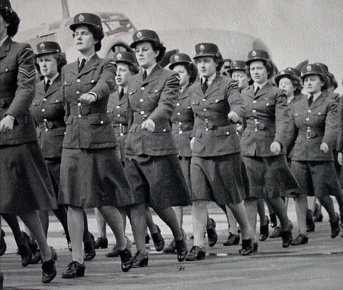
Women in Uniform: Beauty Standards of the CWAC, RCAF, and WRCNS

During the 1940s, Canadian women stepped into roles that reshaped the nation — and their beauty routines. Whether serving in the CWAC (Canadian Women’s Army Corps), the RCAF Women’s Division, or the WRCNS (Women’s Royal Canadian Naval Service), women were expected to maintain discipline, professionalism, and a very specific standard of grooming.

Uniform regulations were strict. Hair had to be neat, controlled, and off the collar, usually styled in soft waves, pinned rolls, or tidy buns. The goal wasn’t glamour — it was order. Even so, many women found ways to keep a touch of femininity within the rules.

Makeup was permitted, but subtly. Powder, light rouge, and natural lipstick were acceptable, while dramatic shades were discouraged. Red lipstick became a quiet symbol of morale, worn carefully but proudly. Nails were kept short and clean. Perfume was used sparingly.

Uniforms themselves shaped beauty. Heavy wool skirts, tailored jackets, and military caps framed the face, making neat hair and matte skin essential. Women learned to adapt their routines to long shifts, outdoor drills, and unpredictable weather.

Despite the discipline, beauty mattered. It boosted morale, reinforced identity, and offered a sense of normalcy during wartime. Many women later recalled that maintaining their appearance helped them feel strong, capable, and connected to home.

The result was a uniquely Canadian wartime look: disciplined, polished and feminine, shaped by duty but never stripped of identity.

I’m Stacey Hobbs, thanks for reading Face by Stace! Until next time.
do you feel fabulous today?

Hollywood Influence vs. Canadian Reality

In 1930s Canada, Hollywood glamour was everywhere — but Canadian women lived a very different reality. Movie theatres, radio dramas, and department‑store advertising brought images of Jean Harlow’s platinum waves, Greta Garbo’s sculpted brows, and Carole Lombard’s sleek silhouettes into Canadian homes. Yet the way Canadian women interpreted these trends was shaped by climate, cost and culture.

Hollywood promised transformation. Canada delivered adaptation.

Canadian women admired the dramatic curls, matte skin and elegant evening gowns they saw on screen, but most couldn’t afford the products or fabrics needed to recreate them exactly. Instead, they softened the looks: waves instead of tight curls, berry lips instead of bold reds, wool dresses instead of silk bias cuts.

Climate played a major role. Hollywood hair collapsed in snow, humidity, and cold winds so Canadian women relied on structured waves and pin curls that held under hats. Makeup stayed subtle because harsh Winter light made dramatic looks appear too severe.

Culture mattered too. British‑influenced restraint shaped Canadian beauty norms, encouraging refinement over glamour. Hollywood’s boldness was admired — but Canadian women translated it into something more practical, modest and durable.

The result was a uniquely Canadian version of 1930s beauty: inspired by Hollywood, but grounded in reality.

I’m Stacey Hobbs, thanks for reading Face by Stace! Until next time.
do you feel fabulous today?

What’s NEW! YSL Holiday Advent Calendar

YSL’s Holiday Advent Calendar returns as the house’s most decadent seasonal collectible — a couture‑inspired vault of 24 beauty surprises designed to turn December into a daily moment of glamour. Presented in a sculptural, gift‑set format and priced at $650, it blends miniature icons, fragrance treasures, and makeup essentials into a luxurious countdown that feels more like entering the YSL universe one door at a time. It’s crafted for beauty lovers who treat the holidays as a stage: bold, indulgent, and dripping in Parisian sophistication. With its signature black‑and‑gold aesthetic and the thrill of unveiling a new surprise each morning, this calendar transforms the ritual of getting ready into a month‑long celebration of style.

YSL Advent Calendar/Photo is from yslbeauty.com

For more information, please visit: yslbeauty.ca

I’m Stacey Hobbs, thanks for reading Face by Stace! Until next timd.
do you feel fabulous today?

Durability as Style in 1930s Canada

In 1930s Canada, beauty and fashion weren’t defined by excess — they were defined by endurance. The Great Depression re-shaped Canadian style into something practical, resilient and elegant. Durability wasn’t just a necessity; it became a vibe.

Canadian women relied on fabrics that could survive long winters, repeated wear and constant repair. Wool, tweed, knits and sturdy cotton dominated wardrobes. Dresses were chosen for longevity, not novelty. Coats were investments, often worn for years and carefully maintained through patching, re‑lining and seasonal cleaning.

This practicality influenced beauty too. Hairstyles needed staying power. Soft waves, pin curls and controlled sets were chosen because they held up under hats, humidity and cold winds. A style that collapsed outdoors simply wasn’t worth the effort.

Makeup followed the same logic. Matte skin became the standard — not only because shine was considered improper, but because powder helped protect the complexion from harsh weather. Lipstick shades leaned toward muted berries and roses, colours that looked natural even when worn down by the elements.

Accessories reflected durability as well. Canadian women favoured leather gloves, wool scarves, sturdy shoes and practical handbags that could withstand daily use. Even jewellery tended toward simple, timeless pieces rather than fragile trends.

Durability wasn’t a limitation. It was a uniquely Canadian expression of beauty: practical, polished and built to last, shaped by climate, economy, and the strength of women who made elegance out of endurance.

I’m Stacey Hobbs, thanks for reading Face by Stace! Until next time.
do you feel fabulous today?

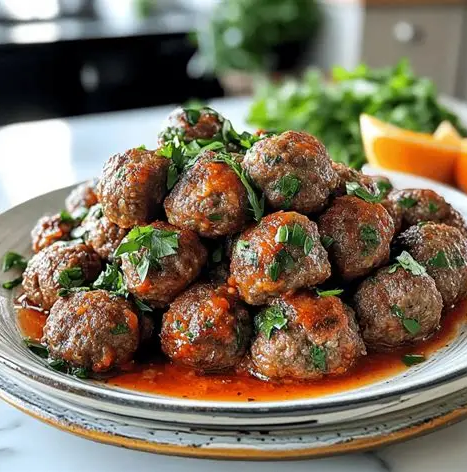
Greek Inspired: Leek Meatballs (Prasokeftedes)

Mezze‑Ready • Mediterranean Comfort

Prasokeftedes are herb‑forward Greek meatballs where sautéed leeks bring sweetness, moisture and Mediterranean elegance. Crisp on the outside, tender inside and flecked with herbs, they’re mezze‑ready and Autumn‑friendly.

Prep 20 min Cook 20 min Serves 18–22 meatballs

Irresistibly Juicy Keto Greek Meatballs (Keftedes) Recipe – flavorhearth/www.flavorhearth.com

Ingredients

4 large leeks, finely sliced
3 tbsp olive oil
1 onion, finely chopped
2 cloves garlic, minced
500 g ground beef, lamb, or a mix
2 eggs
1/2 cup breadcrumbs
1/4 cup fresh parsley, chopped
2 tbsp fresh dill, chopped
1 tsp salt
1/2 tsp lack pepper
1/2 tsp oregano
zest of 1 lemon
as needed olive oil for frying

Instructions

  1. Sauté the leeks
    Heat olive oil in a skillet. Add leeks and cook 10–12 minutes until soft and sweet. Add onion and garlic; cook until fragrant. Cool slightly.
  2. Mix the meatball base
    Combine ground meat, eggs, breadcrumbs, parsley, dill, lemon zest, salt, pepper, and oregano in a bowl.
  3. Add the leeks
    Fold the cooled leek mixture into the meat mixture until evenly combined.
  4. Shape
    Roll into 1½‑inch meatballs and place on a tray.
  5. Pan‑fry
    Heat olive oil in a skillet. Fry meatballs in batches for 8–10 minutes, turning to brown evenly.
  6. Serve
    Serve warm with lemon wedges, dill, and tzatziki or Greek yogurt.
How to Make Prasorizo: Authentic Greek Leek and Rice - Greek Food Alchemist
How to Make Prasorizo: Authentic Greek Leek and Rice – Greek Food Alchemist/greekfoodalchemist.com

Beauty Benefits

  • Leeks — Skin Clarity + Anti‑Inflammatory Support
    Kaempferol + prebiotic fibre (inulin) help reduce inflammation, support detox pathways, and promote clearer skin through gut‑skin balance.
  • Olive Oil — Glow + Barrier Strength
    Squalene + monounsaturated fats strengthen the skin barrier, improve moisture retention, and enhance natural radiance.
  • Eggs — Elasticity + Repair
    Amino acids support collagen synthesis, helping maintain skin firmness and elasticity.
  • Herbs (parsley + dill) — Radiance + Circulation
    Chlorophyll + vitamin K reduce puffiness, support circulation, and enhance natural glow.
  • Lemon Zest — Brightening
    Vitamin C supports collagen production and brightens dull skin.

Health Benefits

  • Prebiotic fibre from leeks: Supports digestion and microbiome balance.
  • Anti‑inflammatory herbs + olive oil: Reduce oxidative stress and support heart health.
  • High‑protein: Supports muscle repair, metabolism and satiety.
  • Mediterranean diet aligned: Balanced fats, herbs and whole ingredients.
  • Iron + B vitamins from meat: Support energy, cognition and hormone balance.
  • Lemon zest: Provides antioxidants and immune support.

Storage

  • Refrigerate: 3–4 days
  • Freeze: Yes, up to 3 months
  • Reheat: Oven or skillet for crispness

Substitutions

  • Meat → turkey, chicken, or plant‑based ground
  • Breadcrumbs → almond flour (gluten‑free)
  • Dill → mint or parsley
  • Add feta for a richer, saltier flavour
  • Add chili flakes for heat

History for Prasokeftedes (Greek Leek Meatballs)

Prasokeftedes have roots in Greece’s rural Winter cooking traditions, especially in northern regions like Macedonia and Thessaly, where leeks were abundant and used to stretch meat during colder months. Historically, Greek families relied on leeks because they were inexpensive, stored well, and added natural sweetness and moisture to dishes — making them ideal for meatballs, fritters and pies.

In many villages, meat was reserved for Sundays or celebrations, so cooks developed vegetable variations of classic dishes. Leeks became a staple in these adaptations, offering flavour, bulk, and nutrition. Prasokeftedes were often served at Winter feasts, name‑day celebrations, and mezze tables, paired with lemon, herbs, and olive oil — ingredients central to the Greek palate.

The dish also reflects Greece’s long tradition of keftedes, which vary by region: some use mint, others use dill, some include ouzo, and others incorporate vegetables like zucchini, spinach or leeks. Prasokeftedes are one of the most distinctive variations because they highlight leeks as the hero ingredient rather than a supporting flavour.

This modern version honours this heritage while elevating it with crisp edges, herb‑flecked interiors, and Mediterranean brightness — making it perfect for Autumn entertaining.

I’m Stacey Hobbs, thanks for reading Face by Stace! Until next time.
do you feel fabulous today?