The Evolution of Cold Cream from Ancient Greece to Hollywood Glamour

Cold cream is one of beauty’s oldest survivors — a product that has travelled from ancient ritual to modern vanity without ever losing relevance. Its story begins in ancient Greece, where physician Galen created the first known cold cream in the 2nd century CE. His formula blended beeswax, olive oil, and rosewater, producing a cooling emulsion that soothed skin in a hot Mediterranean climate. It was both practical and luxurious, used by women of status to cleanse, soften and protect their complexion.

As cold cream moved through the centuries, its formula evolved but its purpose remained constant: moisture, cleansing, and comfort. By the Renaissance, it had become a staple among European nobility. Apothecaries refined Galen’s recipe, adding floral waters and botanical oils, transforming cold cream into a symbol of refinement and self‑care.

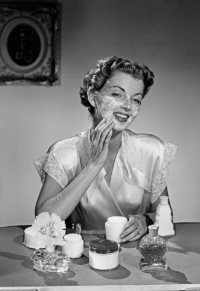
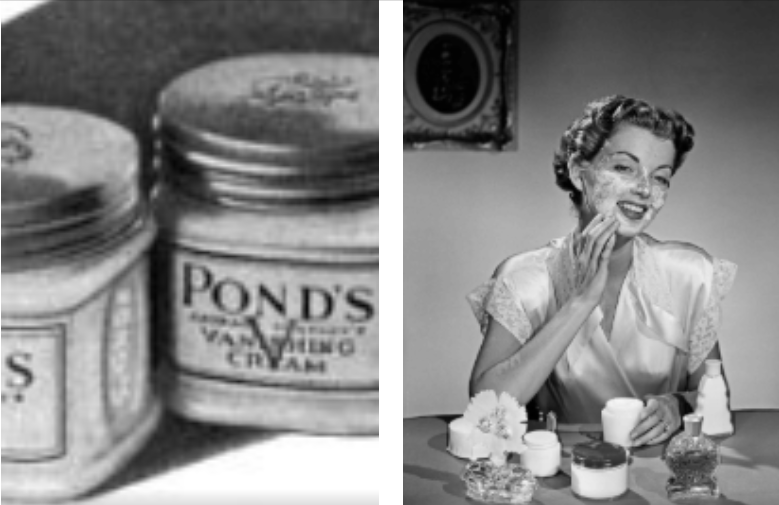
The true cultural shift arrived in the late 19th and early 20th centuries, when brands like Pond’s, Daggett & Ramsdell, and Pompeian commercialized cold cream for the modern woman. Heavy glass jars, metal lids and early advertising positioned cold cream as both scientific and glamorous. Silent‑film actresses relied on it to remove heavy stage makeup and by the 1920s, cold cream had become synonymous with Hollywood beauty routines.

Icons like Bette Davis, Marilyn Monroe, Rita Hayworth and Joan Crawford famously used cold cream to maintain luminous, camera‑ready skin. Its affordability made it relatable; its association with glamour made it aspirational. From ancient Greece to the Golden Age of Hollywood, cold cream has endured because it delivers exactly what beauty promises: ritual, results, and a touch of timeless luxury.

I’m Stacey Hobbs, thanks for reading Face by Stace! Until next time.
do you feel fabulous today?
French Fashion History, Part III: The Parisienne & Industrial Modernity (1800s)

The 1800s transformed French fashion from courtly tradition into a modern industry. As France moved through revolution, empire, and rapid industrial growth, clothing became both more accessible and more expressive. This century shaped the Paris we recognise today as the world’s fashion capital.

Industrialisation changed everything. New textile technologies made fabrics cheaper and more varied, allowing dressmakers to experiment with silhouettes and structure. The century saw dramatic shifts: the high‑waisted Empire gown of the early 1800s, followed by the vast crinoline, the sculpted bustle, and increasingly engineered corsetry. Fashion became a reflection of technological progress as much as taste.

This era also introduced a new cultural figure: the Parisienne. She was not defined by wealth or status, but by attitude — elegant, modern, and effortlessly stylish. Writers, illustrators, and early fashion magazines turned her into an international symbol of French femininity. Her influence helped position Paris as the centre of global style.

Retail innovation accelerated the industry. The Bon Marché, founded in 1852, became the world’s first department store, revolutionising how women shopped. Ready‑to‑wear emerged, making fashion more democratic and expanding France’s reach beyond couture clients.

Illustrated fashion plates and growing publications spread Parisian trends across Europe and North America. For the first time, French fashion travelled quickly, shaping global wardrobes.

By the end of the 1800s, France had built the infrastructure — cultural, industrial, and artistic — that would allow haute couture to flourish in the decades ahead.

I’m Stacey Hobbs, thanks for reading Face by Stace! Until next time.
do you feel fabulous today?

Lemon‑Leek Honey Posset

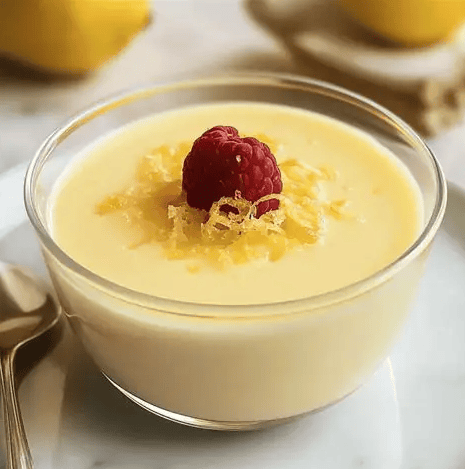
A silky, lemon‑bright posset with a bit of leek that adds sophistication. The texture is glossy and luxurious, settling into the glass with a smooth, photogenic sheen. Honey brings a soft, floral sweetness, while the leek infusion creates a subtle aromatic lift that feels modern and chef‑driven. Minimalist, refined with simple ingredients elevated into something effortlessly elegant.

Prep 10 min Cook 10 min Serves 4

Easy Creamy Lemon Posset Dessert Recipe – Simply Tasty Life/simplytastylife.com

Ingredients

2 cups heavy cream
1/3 cup honey
Zest of 1 lemon
2 tbsp fresh lemon juice
1/4 cup finely sliced leek whites (very thin)
Pinch sea salt
Optional edible flowers, thin lemon slices, micro‑herbs

Instructions

  1. Infuse the cream
    In a small saucepan, combine heavy cream, honey, lemon zest, finely sliced leek whites, and a pinch of sea salt. Warm gently over medium‑low heat until steaming, but do not boil.
  2. Simmer briefly
    Let the mixture simmer lightly for 5 minutes to infuse the leeks and lemon.
  3. Strain
    Remove from heat and strain out the leeks and zest for a silky finish.
  4. Add lemon juice
    Stir in the fresh lemon juice while the cream is still warm.
  5. Pour and chill
    Divide the mixture into small glass cups or shallow ramekins. Chill for at least 3 hours, preferably overnight, until set.
  6. Garnish
    Top with a thin lemon slice, edible flowers, or micro‑herbs for an elegant, editorial finish.

Beauty Benefits

  • Leeks: prebiotic fibre → gut‑skin clarity
  • Lemon: vitamin C → collagen + brightness
  • Honey: humectant → hydration + glow
  • Cream: healthy fats → moisture barrier support

Health Benefits

  • Naturally gluten‑free
  • Gentle on digestion
  • Balanced fats + bright citrus
  • Ideal for fall/winter beauty‑nutrition content

Substitutions

  • Honey → maple syrup
  • Cream → coconut cream (dairy‑free)
  • Leeks → lemongrass (different profile, still elegant)

Storage

  • Refrigerate: up to 3 days
  • Keep covered to maintain glossy surface

I’m Stacey Hobbs, thanks for reading Face by Stace! Until next time.
do you feel fabulous today?
Leek & Corn Harvest Bisque

Warm • Creamy • Autumn• North‑American Comfort

A silky, golden bisque that captures the warmth of early Autumn. Sweet corn blends with tender leeks to create a creamy, comforting bowl that feels both rustic and refined. The pale gold colour, soft texture and minimal green garnish.

Prep 15 min Cook 30 min Serves 4

Corn and Leek Bisque | The Modern Proper/themodernproper.com

Ingredients

2 leeks, cleaned and sliced
3 cups fresh or frozen corn
2 tbsp butter or olive oil
2 cloves garlic, minced
4 cups vegetable or chicken broth
1 cup cream or coconut milk
1 tsp thyme
to taste salt + pepper
for garnish microgreens or chives

Instructions

  1. Sauté aromatics
    Warm butter in a pot and sauté leeks until soft and glossy. Add garlic and cook 1 minute.
  2. Build the base
    Add corn, broth, thyme, salt, and pepper. Simmer 15 minutes until corn is tender.
  3. Blend
    Blend half the bisque for creaminess, then return to the pot.
  4. Finish
    Stir in cream or coconut milk. Simmer gently and adjust seasoning.
  5. Serve
    Ladle into bowls and garnish with microgreens or chives.

Beauty Benefits

  • Leeks: anti‑inflammatory; supports gut‑skin clarity
  • Corn: antioxidants for skin protection
  • Garlic: collagen support
  • Cream/Coconut milk: moisture barrier support
  • Microgreens: chlorophyll → radiance + detox

Health Benefits

  • Warm, grounding comfort food
  • High‑fibre corn → digestion + fullness
  • Anti‑inflammatory aromatics
  • Naturally gluten‑free
  • Ideal for fall/winter nourishment

Substitutions

  • Cream → coconut milk (dairy‑free)
  • Corn → sweet potato (beta‑carotene glow)
  • Thyme → rosemary or sage
  • Broth → bone broth (extra protein)

Storage

  • Refrigerate: 3–4 days
  • Freeze: up to 2 months
  • Reheat gently to preserve creaminess

I’m Stacey Hobbs, thanks for reading Face by Stace! Until next time.
do you feel fabulous today?
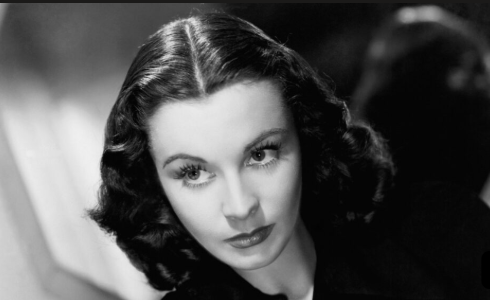
Vivien Leigh: The Fragile Architecture of Glamour

Vivien Leigh’s beauty was a study in contrasts — delicate yet disciplined, romantic yet meticulously constructed. She understood that her face was both an instrument and a symbol, and she cared for it with the precision.

Her complexion carried that English translucence, achieved through rosewater rinses and cold‑cream clarity. Leigh believed in balance: never too matte, never too glossy. Her skin held a soft, hydrated glow under studio lights, the result of careful moisturising and restrained powdering. She preferred light, breathable textures that allowed emotion to pass through — because for Leigh, beauty and expression were inseparable.

Her makeup philosophy was architectural. She shaped her brows with fine‑point pencils, creating the sharp, intelligent arches that defined her gaze. Her lips were sculpted in rose and crimson tones, always precise, never blurred.

Her fashion choices mirrored this restraint. Leigh gravitated toward structured romanticism: fitted bodices, flowing skirts, and fabrics that moved like dialogue. She wore clothing that supported her emotional range — elegance with tension, softness with steel.

Even her hair reflected duality: the controlled waves of Gone with the Wind, the polished curls of Anna Karenina, each style reinforcing her cinematic identity.

Vivien Leigh’s beauty was never ornamental; it was narrative. Every line, every texture, every gesture told a story of discipline wrapped in fragility. She didn’t chase glamour — she constructed it, one luminous detail at a time.

I’m Stacey Hobbs, thanks for reading Face by Stace! Until next time.
do you feel fabulous today?

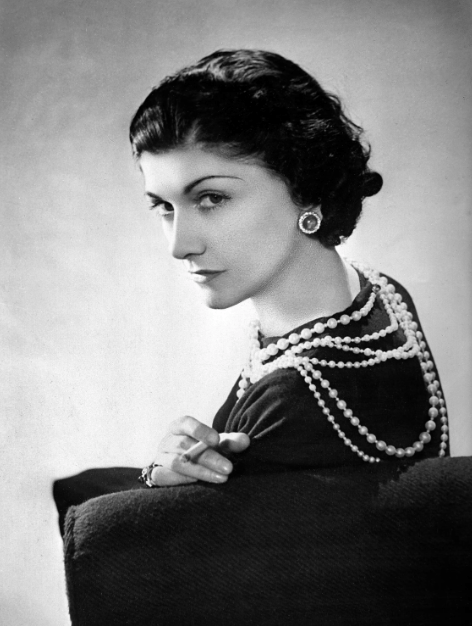
Chanel’s War Years: Reinvention, Retreat, and Reputation

Chanel’s war years remain one of the most complex chapters in fashion history — a period defined by retreat, reinvention and the long shadow of reputation. When Paris fell under German occupation in 1940, Gabrielle “Coco” Chanel abruptly closed her couture house, dismissing thousands of employees and stepping away from the industry she had dominated for decades. She claimed fashion was irrelevant during wartime, but the closure also reflected her long‑standing tension with labour unions and her desire for control.

During the occupation, Chanel lived at the Ritz, a hotel favoured by high‑ranking German officers. Her relationship with Baron Hans Günther von Dincklage, a German diplomat, placed her in proximity to political power and controversy. She attempted to use Nazi “Aryanisation” laws to regain full ownership of Chanel No. 5 from the Wertheimer family — a move that would later become one of the most scrutinised decisions of her career.

As the war progressed, Chanel’s retreat from couture contrasted sharply with designers like Lucien Lelong, who fought to keep French fashion alive. Her involvement in a German diplomatic initiative, Operation Modellhut, further complicated her public image. After the Liberation, Chanel was questioned but never charged, a result often attributed to her influential connections.

Yet her post‑war reinvention was swift. In 1954, she re-opened her house, presenting a modern, streamlined vision that redefined women’s dressing and restored her global influence. Chanel’s war years remain a study in contradiction — a blend of withdrawal, ambition, and choices that continue to shape her legacy.

I’m Stacey Hobbs, thanks for reading Face by Stace! Until next time.
do you feel fabulous today?