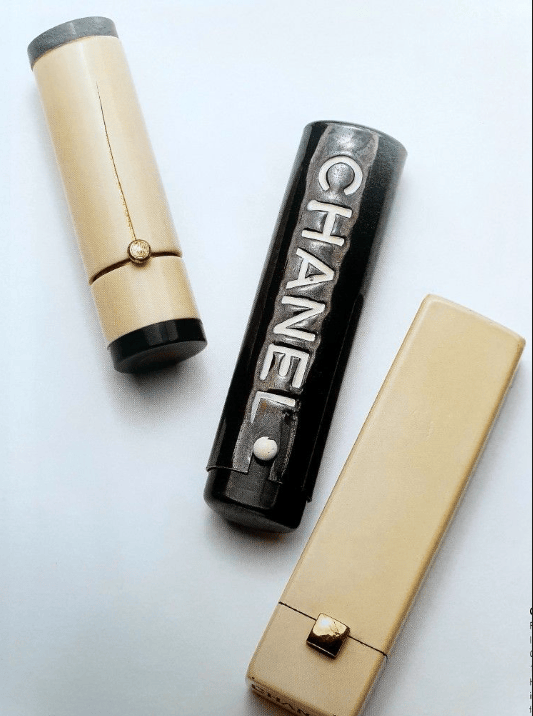
The Transformation of Lipstick Tubes from Metal Bullets to Luxury Branding

The evolution of the lipstick tube is one of beauty’s most fascinating design stories — a shift from utilitarian metal bullets to the luxury‑coded objects we recognise today. Early lipstick tubes of the 1920s and 1930s were engineered for practicality: compact metal cylinders often brass or nickel, built to protect soft pigments from melting or breaking. These tubes were mechanical marvels using push‑up or early swivel mechanisms that made lipstick portable for the first time. Their industrial look reflected the era’s fascination with modernity and efficiency.

By the 1940s and 1950s, lipstick packaging began to embrace glamour. Hollywood’s influence pushed brands to create tubes that felt feminine, decorative and aspirational. Gold‑tone metals, engraved patterns and sculptural shapes became common. The tube was no longer just a container — it was part of the fantasy.

The true transformation arrived in the mid‑20th century, when luxury houses recognised the branding power of packaging. Chanel, Dior, and Guerlain began designing lipstick tubes that echoed their couture aesthetics: sleek black lacquer, minimalist gold accents, and architectural silhouettes. The tube became a status symbol, instantly recognisable and tied to a brand’s identity.

By the late 20th and early 21st centuries, lipstick packaging had become a cornerstone of luxury marketing. Weighty components, magnetic closures, monogrammed caps, and collectible limited editions turned the tube into an object of desire. Today, the lipstick tube is both heritage and branding — a small, iconic piece of design that communicates luxury before the colour even touches the lips.

I’m Stacey Hobbs, thanks for reading Face by Stace! Until next time.
do you feel fabulous today?

A Professional Phone Interview w/ Peter Nygard (2012) Developed Into a Writing Career

It all began with an editorial, business-oriented beauty blog, called Face by Stace, established in 2009, with a young lady at the age of twenty-two, while working in television, as a makeup artist.

Shortly after Face by Stace was picked up by The Mississauga News in 2012…

A phone interview that took place in 2012 with Peter Nygard—a very professional interview—was re-published in 2013. Shortly afterwards, by the summer of 2013, an American publisher reached out to offer an opportunity to write what was supposed to be a single article for their magazine. That single piece transformed into writing for every consecutive issue until the beginning of 2016 for Cliche Magazine, working alongside an editor who became my trusted mentor and has since become a Copy Manager for Nautica and Lucky Brand.

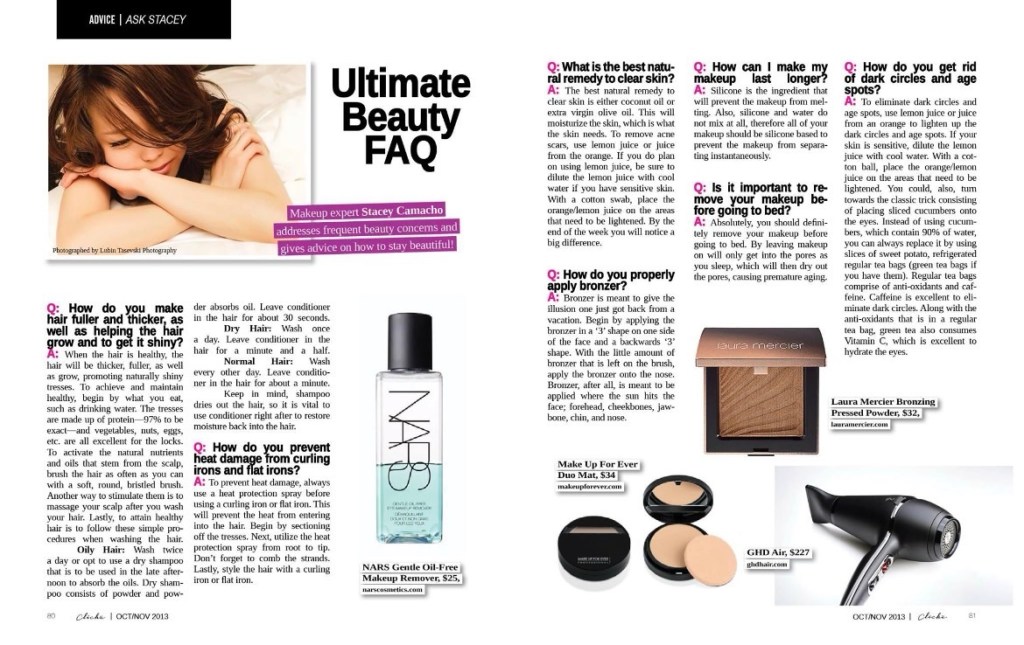
First article ever & it’s my first article with Cliché, published in October 2013.

I selected the images for this article, as I often did with all of my articles with Cliché. I organized and executed photo-shoots, my independent photo-shoots, for a few of my articles for Cliché and other publications. I supplied the makeup for these shoots, while my friend, celebrity and award-winning hairstylist was also my business partner — she is so talented. I’ve had models and wardrobe stylists from New York, reach out to me. They wanted to work with me and for me on my photo-shoots. Imagine if I had promoted these photo-shoots.

Later, I was credited as a writer by the Editor-in-Chief at FSHN Magazine.

Since 2012, I’ve been told I proved you can get your news online.

P.S. I wrote under my step-father’s name, he is from Portugal.

It all began with an editorial, business-oriented beauty blog, called Face by Stace, established in 2009, with a young lady at the age of twenty-two, while working in television, as a makeup artist….

I’m Stacey Hobbs, thanks for reading Face by Stace! Until next time.

do you feel fabulous today?

The History of Lipstick

Lipstick is one of beauty’s oldest cultural markers — a small object that has carried meaning across class, ritual, rebellion, and glamour for thousands of years. Its story begins in ancient Mesopotamia and Egypt, where women crushed gemstones, red ochre, and carmine beetles to create vivid pigments. Lip colour signalled status and protection, and in Egypt, it was worn by both women and men as a symbol of power.

In Ancient Greece, lipstick took on a moral dimension. Brightly coloured lips were associated with courtesans, while respectable women were expected to appear natural. Rome embraced lip colour more openly, using beeswax and red pigments to denote refinement. By the Middle Ages, lipstick became controversial; the Church condemned painted lips as deceptive, and women who wore colour risked accusations of vanity or witchcraft.

The Renaissance revived lip rouge as a sign of elegance, and by the 18th century, European aristocrats used lip colour to express sophistication, though public opinion still wavered between admiration and scandal. The true transformation arrived in the 19th and early 20th centuries, when industrial innovation introduced metal tubes, swivel mechanisms, and mass‑produced pigments. Lipstick became portable, modern, and accessible.

The 1920s flapper era cemented lipstick as empowerment. Hollywood stars turned red lips into cultural icons, and post‑war decades introduced matte formulas, bold pigments, and designer branding. By the mid‑century, luxury houses were patenting sleek lipstick cases, elevating the tube into an object of design.

Today, lipstick remains a universal symbol of confidence, glamour, and identity — a timeless tool of self‑expression shaped by centuries of beauty, culture, and change.

I’m Stacey Hobbs, thanks for reading Face by Stace! Until next time.
do you feel fabulous today?
Parsnip Calming Clay Mask

A gentle, purifying masque ideal for sensitive, dry, or irritated skin.

Description

This masque is creamy, mild, and perfect for skin that needs purification without stripping. Parsnip calms inflammation while kaolin clay gently absorbs impurities.

Beauty Benefits

  • Anti‑inflammatory compounds — reduce redness and irritation.
  • Kaolin clay — purifies without drying.
  • Parsnip starches — support moisture retention.
  • Aloe — adds hydration.
  • Warm herbal notes — boost circulation.

Ingredients

  • 1 tbsp parsnip water
  • 1 tbsp kaolin clay
  • 1 tsp aloe vera
  • Optional: 1 drop chamomile extract

Instructions

Apply to clean skin. Leave on 8–12 minutes. Rinse thoroughly.

Storage

Best used fresh; keeps 24 hours refrigerated.

Substitutions

  • Replace kaolin with French pink clay for ultra‑sensitive skin.
  • Replace aloe with honey for added moisture.

I’m Stacey Hobbs, thanks for reading Face by Stace! Until next time.
do you feel fabulous today?
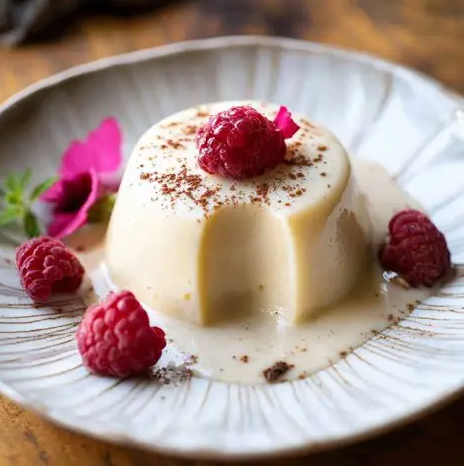
Leek‑Infused Vanilla Panna Cotta

Minimal • Modern • Refinement

A silky, modern panna cotta with a whisper of leek that adds quiet sophistication. The flavour is clean and elegant — vanilla with a subtle aromatic lift — and the texture sets into a glossy, photogenic cream that looks stunning in your signature minimal styling. It’s refined and effortlessly chic.

Prep 10 min Cook 10 min (plus chilling) Serves 4

Vanilla Panna Cotta/recipeelite.com

Ingredients

2 cups heavy cream
1 cup whole milk
1/2 cup sugar
1 vanilla bean (split) or 2 tsp pure vanilla
1/4 cup thinly sliced leek whites
2 1/2 tsp powdered gelatin
3 tbsp cold water
Pinch sea salt
Optional honey drizzle, micro‑mint

Instructions

  1. Infuse the cream
    Combine cream, milk, sugar, vanilla, sliced leeks, and salt in a saucepan. Warm gently over medium‑low heat until steaming, without boiling.
  2. Simmer briefly
    Let the mixture simmer lightly for 5 minutes to infuse the leeks.
  3. Strain
    Remove from heat and strain out the leeks and vanilla bean.
  4. Bloom the gelatin
    Sprinkle gelatin over cold water in a small bowl and let bloom for 5 minutes.
  5. Combine
    Stir the bloomed gelatin into the warm cream mixture until fully dissolved.
  6. Pour
    Divide the mixture into glasses, ramekins, or moulds.
  7. Chill
    Refrigerate for at least 4 hours, preferably overnight, until set.
  8. Serve
    Serve plain for a minimalist look or garnish lightly with honey, mint, or edible flowers.

Beauty Benefits

  • Leeks: prebiotic fibre → gut‑skin clarity
  • Vanilla: calming aromatics → stress‑skin support
  • Cream: healthy fats → moisture barrier nourishment
  • Honey garnish: humectant → hydration + glow

Substitutions

  • Milk → coconut milk (dairy‑free)
  • Sugar → honey or maple syrup
  • Vanilla → lemon zest + thyme (bright + herbal)

Storage

  • Refrigerate: up to 3 days
  • Keep covered to maintain the glossy surface

I’m Stacey Hobbs, thanks for reading Face by Stace! Until next time.
do you feel fabulous today?

Carrot Anti‑Redness Eye Gel

A cooling, anti‑inflammatory gel that brightens and depuffs the under‑eye area.

Description

This gel is feather‑light and soothing. Carrot’s vitamin K and antioxidants help reduce dark circles and redness, while aloe and cucumber calm puffiness.

Beauty Benefits

  • Vitamin K — reduces dark circles.
  • Anti‑inflammatory compounds — calm redness.
  • Aloe — hydrates and soothes.
  • Cucumber — cools and depuffs.
  • Natural sugars — soften texture.

Ingredients

  • 1 tsp carrot juice
  • 1 tsp aloe vera gel
  • 1 tsp cucumber juice
  • Optional: 1 drop rosehip oil

Instructions

Apply under the eyes for 8–10 minutes. Rinse or pat away gently.

Storage

Keeps 48 hours refrigerated.

Substitutions

  • Replace cucumber with chamomile tea for sensitive eyes.
  • Replace aloe with glycerin for a thicker gel.

I’m Stacey Hobbs, thanks for reading Face by Stace! Until next time.
do you feel fabulous today?