Greek Inspired: Leek & Cod Avgolemono

Refined• Coastal Greek • Lemon‑Bright

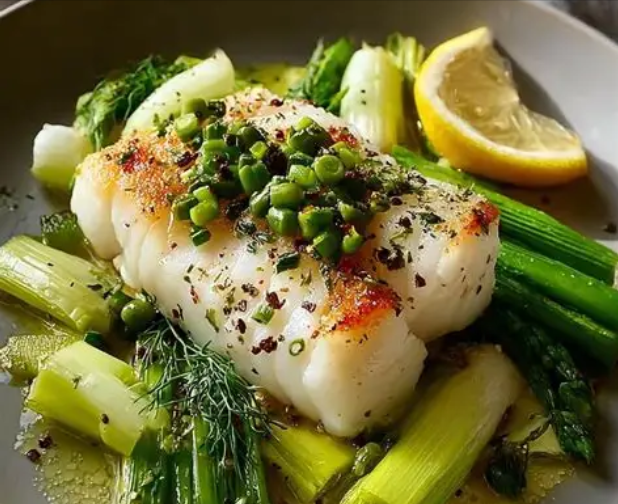
A refined coastal Greek dish where tender white fish and sweet leeks simmer in a silky lemon‑egg avgolemono broth. It’s delicate, bright, and deeply Mediterranean — the kind of dish that feels both rustic and elegant.

Prep 10 min Cook 25 min Serves 4

Kabeljauw met Lemony Leeks: Een Goddelijk gerecht in 30 min – Trendviral/cookican.com

Ingredients

4 large leeks, sliced
3 tbsp extra‑virgin olive oil
1 onion, finely chopped
2 cloves garlic, minced
600 g cod fillets (or halibut/haddock)
½ tsp salt
½ tsp black pepper
2 cups fish or vegetable broth
Juice of 1 lemon
Zest of 1 lemon
1 bay leaf
2 eggs
Juice of 1 lemon (for avgolemono)
¼ cup fresh dill or parsley
To serve extra lemon + olive oil drizzle

Instructions

  1. Sauté the leeks
    Heat olive oil in a wide pan. Add leeks, onion, and garlic. Cook 10–12 minutes until soft, sweet, and glossy.
  2. Add the fish
    Season cod with salt and pepper. Nestle fillets into the softened leeks.
  3. Add broth & aromatics
    Pour in broth, lemon juice, zest, and bay leaf. Simmer 10 minutes until fish is tender and flaky.
  4. Make the avgolemono
    Whisk eggs with lemon juice. Slowly ladle in hot broth to temper, whisking constantly. Pour mixture back into the pot off heat and stir gently until silky. Do not boil.
  5. Finish
    Add fresh dill or parsley, drizzle olive oil, and serve with lemon wedges.

Beauty Benefits

  • Cod — Lean Protein for Collagen + Hair Strength
    Supports collagen production, skin repair, hair growth, and nail strength.
  • Leeks — Anti‑Inflammatory + Gut‑Skin Support
    Kaempferol + prebiotic fibre (inulin) reduce inflammation and support microbiome balance.
  • Olive Oil — Glow + Barrier Strength
    Squalene + monounsaturated fats strengthen the skin barrier and enhance radiance.
  • Lemon — Brightening + Collagen Production
    Vitamin C boosts collagen synthesis and brightens uneven skin tone.
  • Eggs — Elasticity + Repair
    Amino acids support collagen pathways and maintain skin firmness.
  • Fresh Herbs — Circulation + Radiance
    Chlorophyll + vitamin K reduce puffiness and enhance glow.

Health Benefits

  • Lean protein for metabolic balance
  • Anti‑inflammatory leeks + olive oil
  • Gut‑supportive inulin
  • Vitamin C for immunity
  • Mediterranean diet aligned
  • Gentle, restorative, and digestion‑friendly

Storage

  • Refrigerate: 2–3 days
  • Reheat gently (avgolemono should never boil)
  • Freezing: Not recommended

Substitutions

  • Cod → halibut, haddock, sea bass
  • Leeks → fennel or celery
  • Dill → parsley or mint
  • Broth → white wine + water
  • Add spinach or orzo for heartiness

History (Culinary Anthropology + Editorial Depth)

Leek & Cod Avgolemono is rooted in coastal Greek cooking, where fishermen prepared elegant dishes using fresh white fish, olive oil, and lemon. Avgolemono — the iconic egg‑lemon emulsion — dates back to ancient Greece and was prized for creating silky sauces without dairy.

In island regions, cooks paired avgolemono with fish rather than chicken, producing delicate, lemon‑bright dishes that showcased the freshness of the catch. Leeks were added in winter months for sweetness, moisture, and depth, reflecting Greece’s vegetable‑forward culinary traditions.

The dish merges principles of ladera (olive‑oil‑based cooking) and psari plaki (fish with vegetables), resulting in a refined, glossy broth that feels both rustic and sophisticated. Today, modern Greek chefs serve variations of this dish in upscale tavernas, highlighting its pale leeks, tender fish, and Mediterranean elegance.

This version honours this heritage while elevating it with silky textures, citrus brightness and refinement.

I’m Stacey Hobbs, thanks for reading Face by Stace! Until next time.
do you feel fabulous today?
The History of Beauty Lamps and UV Therapy in Early Skincare

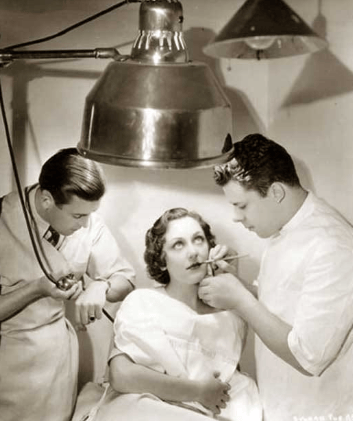
Beauty lamps and ultraviolet therapy were among the earliest attempts to merge science with skincare, shaping a technological chapter in beauty history that feels both experimental and strangely glamorous. Emerging in the 1910s and gaining momentum through the 1920s–1930s, these devices promised clearer skin, improved circulation, and a “radiant complexion” through controlled light exposure — long before modern dermatology formalised light‑based treatments.

Early beauty lamps were large, dome‑shaped fixtures positioned over vanity tables or salon chairs. Their purpose was twofold: to provide bright, even illumination for makeup application and to deliver therapeutic light believed to refine the complexion. As electricity became more accessible, manufacturers introduced UV‑enabled models that mimicked the effects of sunlight. Advertisements claimed these lamps could purify the skin, reduce blemishes and restore vitality — a reflection of the era’s fascination with scientific beauty.

By the 1930s, UV therapy had become a staple in professional beauty parlours. Clients reclined beneath glowing lamps while operators performed facial massages, applied cold cream or used early electrical tools. The experience blended science, ritual and performance — a precursor to today’s LED facials and phototherapy treatments.

Although later decades raised safety concerns around UV exposure, these early lamps paved the way for modern light‑based skincare. Their legacy lives on in contemporary LED masks, blue‑light acne devices and red‑light collagen treatments. Beauty lamps and UV therapy represent a moment when innovation, optimism and aesthetics converged — and when light itself became a beauty tool.

I’m Stacey Hobbs, thanks for reading Face by Stace! Until next time.
do you feel fabulous today?
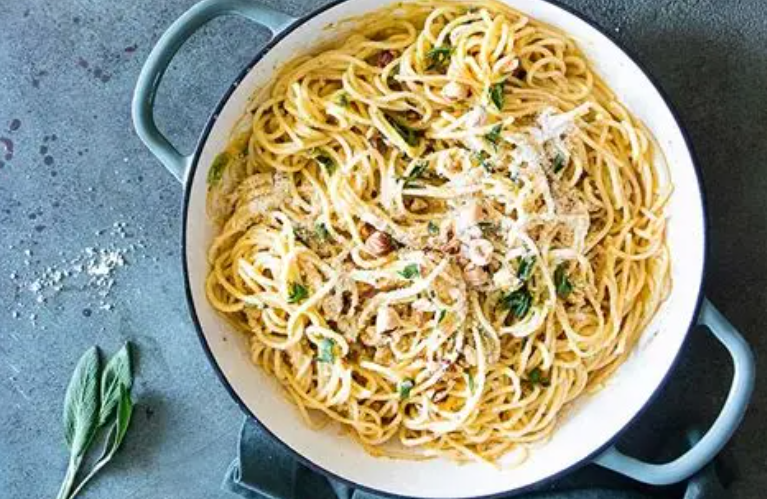
Acorn Squash Pasta with Brown Butter & Sage

Light, cozy, warm, and naturally sweet — this breakfast bake turns acorn squash into a soft, custardy morning dish with cinnamon, vanilla, and gentle fall energy. It’s simple and nourishing.

Prep 10 min Cook 45 min Serves 2

Ingredients

1 small acorn squash, peeled and cubed
2 tbsp olive oil
Salt + pepper to taste
8–10 fresh sage leaves
6 tbsp unsalted butter
12 oz pasta (rigatoni, penne, or fusilli)
1/2 cup grated Parmesan
1/4 cup pasta cooking water (reserved)
Optional toasted hazelnuts for garnish

Instructions

  1. Roast the squash
    Preheat oven to 400°F (200°C). Toss acorn squash with olive oil, salt, and pepper. Roast 25–30 minutes until golden and tender.
  2. Cook the pasta
    Boil pasta in salted water until al dente. Reserve 1/4 cup pasta water before draining.
  3. Brown the butter
    In a skillet, melt butter over medium heat. Add sage leaves and cook until the butter turns golden and nutty and the sage crisps.
  4. Combine
    Add roasted squash to the brown butter. Toss in cooked pasta, Parmesan, and reserved pasta water until glossy and coated.
  5. Finish
    Taste and adjust seasoning. Garnish with extra Parmesan, crispy sage, and toasted hazelnuts if using.

Beauty Benefits

  • Acorn squash: Rich in beta‑carotene, which converts to vitamin A — essential for cell turnover, glow, and smoother texture. Its natural antioxidants help reduce dullness and support collagen formation.
  • Brown butter: Contains milk solids that develop antioxidant compounds during browning, offering subtle skin‑protective benefits. The healthy fats support moisture retention and barrier strength.
  • Sage: Naturally antimicrobial and anti‑inflammatory; supports clearer skin and improved circulation for a fresh, healthy complexion.
  • Garlic + shallot (if used): Sulphur compounds support detox pathways and help reduce inflammation linked to dullness.
  • Parmesan: Provides small amounts of vitamin A and healthy fats that help absorb fat‑soluble nutrients in the dish.
  • Olive oil: Vitamin E and monounsaturated fats nourish the moisture barrier and help maintain elasticity.

Health Benefits

  • Acorn squash delivers fibre, vitamin C, potassium and slow‑release carbohydrates for steady energy and digestive support.
  • Brown butter provides healthy fats that support hormone balance and satiety.
  • Sage contains rosmarinic acid, an antioxidant linked to reduced inflammation and improved cognitive support.
  • Garlic supports cardiovascular health and natural detoxification.
  • Olive oil contributes heart‑healthy fats and anti‑inflammatory polyphenols.
  • Pasta + squash combination creates a balanced meal with carbs, fats, and micronutrients — comforting but not heavy.

Substitutions

  • Acorn squash → butternut squash, delicata squash, sweet potato.
  • Brown butter → regular butter, ghee or olive oil (lighter flavour).
  • Sage → thyme, rosemary, or crispy basil.
  • Parmesan → Pecorino Romano, Grana Padano
  • Pasta → rigatoni, penne, fusilli or gluten‑free pasta.
  • Cream (if used) → coconut cream, evaporated milk

Storage

  • Refrigerate for 3 days in an airtight container.
  • Reheat gently on the stovetop with a splash of water, broth or cream to restore silkiness.
  • Avoid microwaving if possible — it can toughen the sage and overcook the pasta.
  • Not ideal for freezing due to dairy separation and pasta texture.

History

Brown butter and sage is a classic Northern Italian pairing, traditionally used with gnocchi, ravioli and Autumn vegetables. Acorn squash, native to North America and used extensively in Indigenous foodways, entered modern pasta dishes as chefs began blending Italian technique with seasonal North American produce. The combination of roasted squash, nutty brown butter and aromatic sage reflects contemporary comfort‑food trends: rustic, simple, and deeply flavourful. Today, dishes like this represent a fusion of heritage cooking and modern minimalism — warm, elegant and perfect for Autumn.

I’m Stacey Hobbs, thanks for reading Face by Stace! Until next time.
do you feel fabulous today?

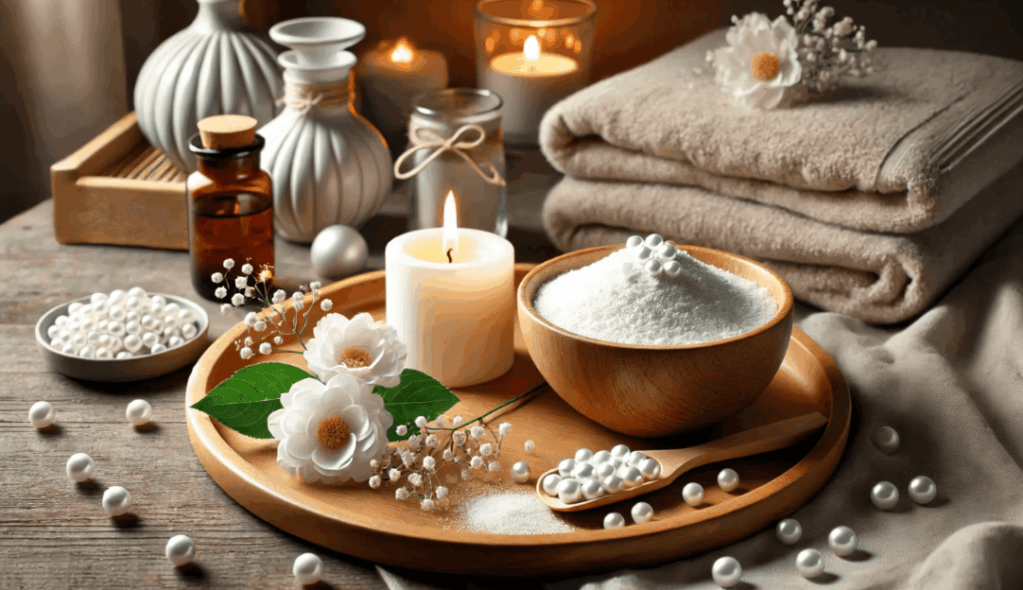
Ancient China: Pearl Powder for Radiance

In Ancient China, pearl powder was one of the most prized beauty ingredients — a symbol of refinement, purity and luminous skin. Used by royal women, scholars and later by practitioners of Traditional Chinese Medicine, pearl powder embodied the belief that true radiance came from both internal balance and topical care.

Finely ground from freshwater or saltwater pearls, the powder was valued for its soft, brightening effect. When applied to the skin, it created a smooth, porcelain‑like finish that aligned with classical Chinese beauty ideals: clarity, softness and a subtle inner glow. Mixed with water, rose hydrosols or herbal infusions, it became a gentle mask or paste used to reduce dullness, calm irritation and refine texture.

Pearl powder was also consumed internally, believed to nourish the spirit, support qi and promote long‑term radiance. Physicians recorded its ability to soothe inflammation, support healing and strengthen the skin — a dual approach that merged beauty with wellness.

Its effectiveness came from natural compounds still recognized today: calcium for barrier support, amino acids for repair and trace minerals that encourage brightness. The result was a treatment that felt luxurious yet grounded in early dermatological understanding.

Pear Powder/acaacupuncture.com

Pearl powder’s legacy continues in modern Asian skincare, where it appears in brightening masks, finishing powders and radiance‑boosting treatments. Its enduring appeal reflects a timeless truth: luminosity isn’t just cosmetic — it’s cultural, historical and deeply connected to the rituals that shaped beauty across centuries.

I’m Stacey Hobbs, thanks for reading Face by Stace! Until next time.
do you feel fabulous today?
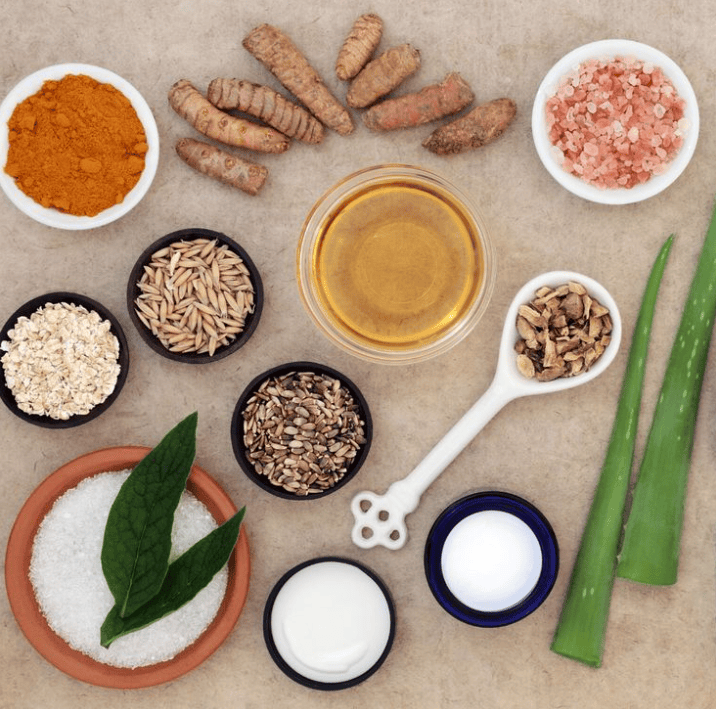
Ancient Egypt: Anti‑Wrinkle Creams Made from Aloe, Myrrh & Frankincense

In Ancient Egypt, beauty rituals were deeply intertwined with medicine, spirituality and daily life. Anti‑wrinkle creams made from aloe, myrrh and frankincense were among the most sophisticated early skincare formulas — a blend of botanical science and ritual care that feels surprisingly modern.

Aloe served as the cooling, hydrating base. Egyptians prized its ability to soften the skin, calm irritation and retain moisture in a harsh desert climate. Its gel‑like texture made it ideal for mixing with oils and resins, creating smooth creams that nourished and protected.

Myrrh, a resin harvested from desert trees, added healing strength. Known for its antimicrobial and anti‑inflammatory properties, myrrh helped reduce redness, support repair and maintain skin resilience. In anti‑aging formulas, it acted as a restorative agent that kept the complexion calm and balanced.

Frankincense contributed a subtle firming effect and an aromatic lift. When softened and blended into creams, it was believed to smooth fine lines, refine texture and purify the skin. Its fragrance also carried spiritual significance turning skincare into a sensory ritual.

Together, these ingredients created a treatment that hydrated, soothed, tightened and protected — a holistic approach to aging long before modern dermatology. Their legacy endures in today’s botanical skincare, proving that Ancient Egyptian beauty was not only ritualistic but remarkably advanced.

I’m Stacey Hobbs, thanks for reading Face by Stace! Until next time.
do you feel fabulous today?
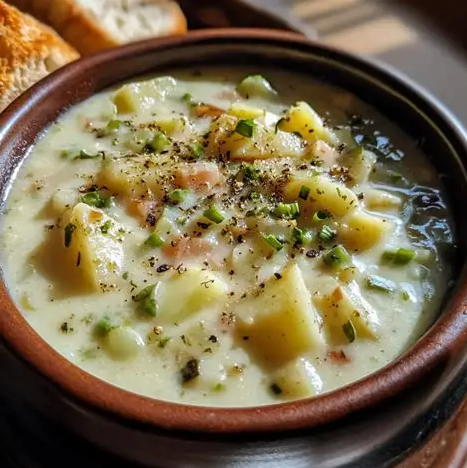
Leek & Potato Comfort Chowder

Warm • Creamy • North‑American Comfort • Autumn/Winter

A creamy, cozy North‑American chowder where tender potatoes and leeks melt into a warm, comforting bowl. The chowder’s pale gold hue and rustic texture make it perfect for Autumn and Winter.

Prep 15 min Cook 35 min Serves 4

Genius Creamy Potato-Leek Chowder for Cozy Comfort/herkitchenstories.com

Ingredients

2 tbsp olive oil or butter
3 cups sliced leeks (white + light green)
3 large potatoes, diced
2 celery stalks, chopped
3 cloves garlic, minced
4 cups vegetable or chicken broth
1 cup milk or cream
1 tsp thyme
1 tsp salt
1/2 tsp black pepper
Optional chives, bacon, or parsley for garnish

Instructions

  1. Sauté aromatics
    Warm oil in a pot. Add leeks, celery, and garlic. Cook until soft and fragrant.
  2. Add potatoes
    Stir in diced potatoes and thyme. Cook 3–4 minutes.
  3. Add broth
    Pour in broth. Bring to a boil, then reduce heat and simmer 20 minutes until potatoes are tender.
  4. Blend partially
    Blend half the soup for creaminess, leaving some chunks for texture.
  5. Finish
    Add milk or cream. Season with salt and pepper. Simmer 5 minutes.
  6. Serve
    Garnish with chives, bacon, or parsley.

Beauty Benefits

  • Leeks: anti‑inflammatory; supports gut‑skin clarity
  • Potatoes: potassium for hydration + skin balance
  • Garlic: antioxidant; supports collagen
  • Thyme: antimicrobial; supports clear skin

Health Benefits

  • Warm, grounding comfort food
  • High‑fibre potatoes support digestion
  • Leeks support immunity + gut health
  • Naturally gluten‑free

Substitutions

  • Cream → coconut milk (dairy‑free)
  • Potatoes → sweet potatoes (beta‑carotene glow)
  • Thyme → rosemary

Storage

  • Refrigerate: 3–4 days
  • Freeze: up to 2 months
  • Reheat gently

I’m Stacey Hobbs, thanks for reading Face by Stace! Until next time.
do you feel fabulous today?