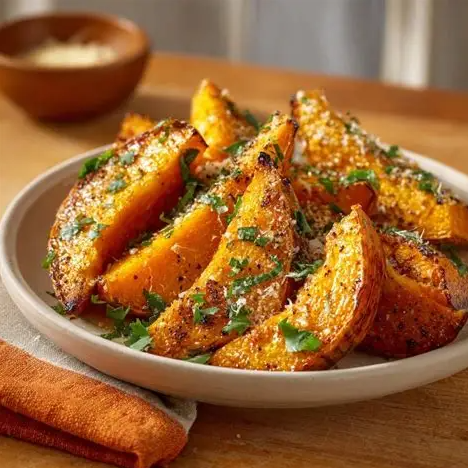
Parmesan Roasted Butternut Squash

Parmesan Roasted Butternut Squash is a warm, golden, comfort side dish that turns simple ingredients into something refined and irresistibly savoury. Tender cubes of squash caramelise in the oven, developing crisp edges and a naturally sweet depth that pairs beautifully with garlic and olive oil. A final shower of Parmesan and breadcrumbs adds a salty, toasty crust that melts into the hot squash, creating a perfect balance of softness and crunch. Finished with fresh parsley for brightness, this dish feels rustic, modern and effortlessly elegant — the kind of seasonal recipe that fits seamlessly into weeknight cooking and holiday tables alike.

Prep 10 min Cook 30 min Serves 4

Crispy Parmesan Roasted Butternut Squash/plottwistrecipes.co

Ingredients

1 large butternut squash, peeled and cubed
3 tbsp olive oil
1 tsp sea salt
1/2 tsp black pepper
3 cloves garlic, minced
1/3 cup grated Parmesan
2 tbsp breadcrumbs (optional for crispiness)
Handful fresh parsley, chopped

Instructions

  1. Prep the squash
    Preheat oven to 400°F (200°C). Toss squash cubes with olive oil, salt, pepper, and garlic.
  2. Roast
    Spread evenly on a baking sheet. Roast for 25–30 minutes until golden and tender.
  3. Finish
    Sprinkle Parmesan and breadcrumbs over the hot squash. Return to oven for 5 minutes to crisp.
  4. Serve
    Top with fresh parsley and serve warm.
Crispy Roasted Butternut Squash with Parmesan/hotmessrecipes.com

Beauty Benefits

  • Butternut squash: Rich in beta‑carotene, which converts to vitamin A — supporting glow, smoother texture, and healthy cell turnover.
  • Olive oil: Packed with vitamin E and monounsaturated fats that nourish the moisture barrier and help maintain elasticity.
  • Garlic: Contains sulphur compounds that support detox pathways and reduce inflammation linked to dullness.
  • Parmesan: Provides healthy fats and small amounts of vitamin A, helping absorb fat‑soluble nutrients in the dish.
  • Parsley: High in vitamin C, supporting collagen formation and brightness.

Health Benefits

  • Butternut squash delivers fibre, vitamin C, potassium, and slow‑release carbohydrates for steady energy and digestive support.
  • Olive oil contributes heart‑healthy fats and anti‑inflammatory polyphenols.
  • Garlic supports cardiovascular health and natural detoxification.
  • Parmesan adds protein, calcium and umami depth without heaviness.
  • Breadcrumbs (optional) add texture and slow‑release carbs for satiety.
  • Parsley provides antioxidants and micronutrients that support immunity.

Substitutions

  • Butternut squash → acorn squash, delicata squash, or sweet potato.
  • Parmesan → Pecorino Romano, Grana Padano, or nutritional yeast (dairy‑free).
  • Breadcrumbs → panko, crushed nuts, or omit for a lighter dish.
  • Olive oil → avocado oil or melted butter.
  • Garlic → roasted garlic paste or garlic powder.
  • Parsley → basil, thyme or chives.

Storage

  • Refrigerate for 3–4 days in an airtight container.
  • Reheat at 350°F for 8–10 minutes to restore crispness.
  • Avoid microwaving if possible — it softens the Parmesan crust.
  • Not ideal for freezing due to texture changes.

History

Roasted squash dishes trace back to Indigenous North American foodways, where winter squash varieties were essential for nourishment and long‑term storage. Butternut squash, with its natural sweetness and velvety texture, became a staple ingredient in both traditional and modern cooking.

The technique of roasting vegetables with cheese has European roots, particularly in Italian and French kitchens where Parmesan, breadcrumbs and garlic were used to elevate simple produce. Combining these traditions creates a dish that feels both rustic and refined — a modern comfort classic that celebrates seasonal ingredients with elegance.

I’m Stacey Hobbs, thanks for reading Face by Stace! Until next time.
do you feel fabulous today?

Wartime Beauty Propaganda in Canada

During the 1940s, beauty in Canada wasn’t just personal — it was patriotic. As men went overseas and women stepped into new roles at home, the Canadian government and media launched a subtle but powerful message: staying beautiful meant staying strong.

Posters, radio broadcasts and magazine ads encouraged women to maintain their appearance “for morale.” Beauty was framed as a duty — a way to uplift communities, reassure families and project confidence during uncertainty. A polished face symbolized resilience.

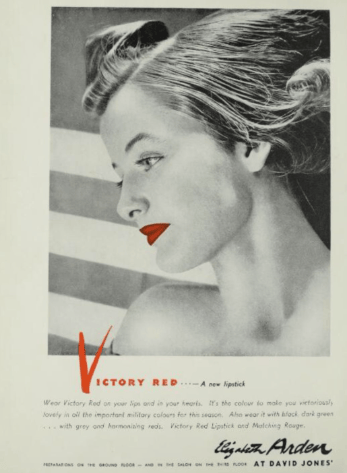
Cosmetics companies joined in. Ads promoted powder, rouge and lipstick as tools of optimism. “Keep your chin up — and your lipstick on” became a common sentiment. Red lipstick, especially, was tied to patriotism. It appeared in recruitment posters, factory campaigns and magazine spreads as a symbol of courage and spirit.

Elizabeth Arden Victory Red Lipstick WWII 1940s ad
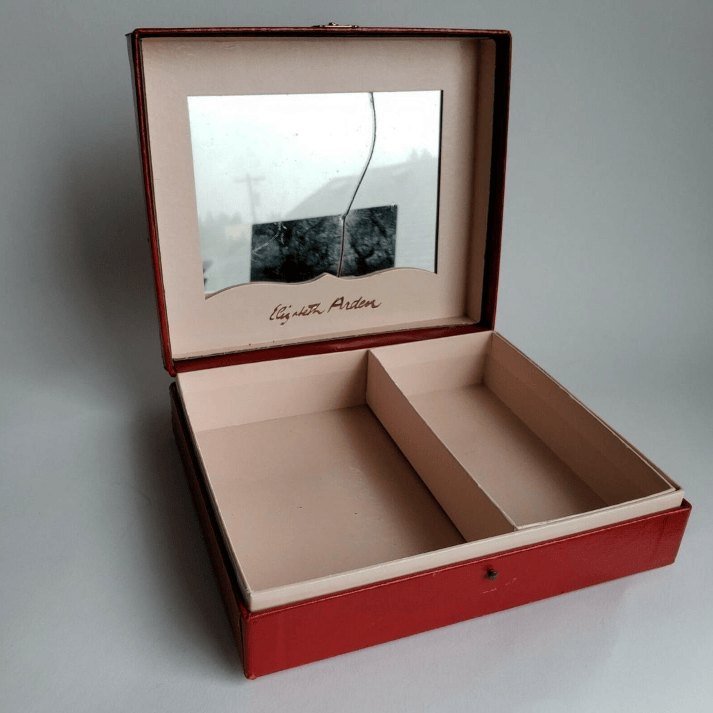
1940s WWII Elizabeth Arden Victory Red Lipstick Makeup Kit Box

Even rationing shaped propaganda. With fabric, sugar and some cosmetics limited, beauty messaging emphasized resourcefulness: repairing garments, using makeup sparingly, and maintaining neat hairstyles despite shortages. The goal wasn’t glamour — it was morale.

Wartime beauty propaganda didn’t pressure women into vanity. It reassured them that femininity and strength could coexist — and that hope could be worn on the face.

I’m Stacey Hobbs, thanks for reading Face by Stace! Until next time.
do you feel fabulous today?
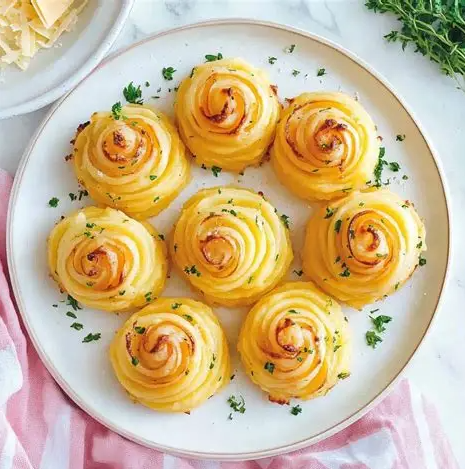
Parsnip & Potato Duchess Swirls with Truffle Salt

A beautifully piped, golden, cloud‑light side dish that feels like a Michelin dish that is an elegant, holiday side dish. The parsnip adds sweetness, the potato adds structure and the truffle salt finishes everything with a luxe, aromatic lift.

Prep: 20 minutes Cook: 35 minutes Serves: 6–8

Golden Duchess Potato Swirls: Creamy & Crispy Recipe
Golden Duchess Potato Swirls: Creamy & Crispy Recipe/mealsbymia.com

Ingredients

  • 2 large parsnips, peeled and chopped
  • 3 large Yukon Gold potatoes, peeled and chopped
  • 4 tbsp butter, softened
  • 1/3 cup heavy cream
  • 2 egg yolks
  • 1 tsp sea salt
  • 1/2 tsp white pepper
  • 1/2 tsp garlic powder
  • Truffle salt, for finishing
  • Fresh thyme, optional garnish

Instructions

  1. Boil the vegetables
    Add parsnips and potatoes to a pot of salted water. Boil until very tender, about 15–18 minutes.
  2. Mash + enrich
    Drain well. Mash until smooth, then mix in butter, cream, egg yolks, sea salt, white pepper, and garlic powder. The mixture should be silky and pipeable.
  3. Pipe the swirls
    Preheat oven to 425°F (220°C). Transfer mixture to a piping bag fitted with a large star tip. Pipe tall swirls onto a parchment‑lined baking sheet.
  4. Bake
    Bake for 15–18 minutes, until golden at the edges and lightly crisp.
  5. Finish
    Sprinkle with truffle salt and garnish with fresh thyme.
  6. Serve
    Serve warm as an elevated holiday side or alongside roasted meats.

Beauty Benefits

  • Parsnips: High in vitamin C for collagen support and brightness.
  • Potatoes: Rich in B‑vitamins that support skin barrier health.
  • Butter + cream: Healthy fats help absorb fat‑soluble vitamins A, D, E, and K.
  • Egg yolks: Contain biotin, supporting hair and skin strength.
  • Truffle salt: Naturally mineral‑rich, supporting hydration balance.

Health Benefits

  • Parsnips provide fibre, potassium, and antioxidants.
  • Potatoes offer slow‑release carbohydrates for steady energy.
  • Egg yolks add protein and essential fatty acids.
  • Butter and cream contribute satiety and flavour without heaviness.
  • Truffle salt adds aroma without requiring excess sodium.

Substitutions

  • Parsnips → carrots, celery root, or sweet potato.
  • Yukon Gold potatoes → russet potatoes (lighter texture).
  • Heavy cream → half‑and‑half or whole milk.
  • Truffle salt → flaky sea salt + a drizzle of truffle oil.
  • Thyme → chives, parsley, or rosemary.

Storage

  • Refrigerate up to 3 days.
  • Reheat at 350°F for 8–10 minutes.
  • Freeze piped (unbaked) swirls for up to 1 month; bake from frozen.

History

Duchess potatoes originated in 19th‑century French haute cuisine, where piped vegetable purées were used to showcase technique, precision, and elegance. Adding parsnips introduces a Northern European influence, bringing sweetness and depth. Truffle salt ties the dish to modern fine dining, where truffle’s aroma signals luxury and holiday indulgence. The result is a dish that feels classic, couture, and beautifully seasonal.

I’m Stacey Hobbs, thanks for reading Face by Stace! Until next time.
do you feel fabulous today?
Lemon Chicken & Leek Piccata Skillet

Bright • Mediterranean • Leek‑Centric

This Lemon Chicken & Leek Piccata Skillet is bright, silky, and deeply comforting — a modern, leek twist on classic piccata. Tender chicken cutlets simmer in a glossy lemon‑white‑wine sauce, balanced with soft sautéed leeks, garlic, and briny capers. It’s the kind of weeknight dish that feels restaurant‑level without the fuss: quick to cook, beautifully aromatic, and naturally Mediterranean in spirit. Serve it with orzo, quinoa, or crusty sourdough for a clean, elegant meal that tastes even better.

Prep 15 min Cook 25 min Serves 4

Chicken Piccata With Lemon Sauce - My Daily Cuisine
Chicken Piccata With Lemon Sauce – My Daily Cuisine/mydailycuisine.com

Ingredients

4 boneless, skinless chicken breasts (pounded to even thickness)
2 tbsp olive oil
1 tbsp unsalted butter
2 cups thinly sliced leeks (white + light green parts)
3 cloves garlic, minced
1/2 cup low‑sodium chicken broth
1/3 cup fresh lemon juice
1 tbsp lemon zest
1/4 cup capers, drained
1/3 cup fresh parsley, chopped
to taste sea salt + black pepper
optional extra lemon slices for serving

Instructions

  1. Season & Sear
    Season chicken with salt and pepper. Heat olive oil in a large skillet over medium‑high. Sear chicken 4–5 minutes per side until golden and cooked through. Transfer to a plate.
  2. Sauté Leeks
    Reduce heat to medium. Add butter and sliced leeks. Cook 5 minutes until soft and fragrant. Add garlic and sauté 1 minute.
  3. Build the Sauce
    Pour in chicken broth, lemon juice, and lemon zest. Stir in capers. Simmer 3–4 minutes until slightly reduced.
  4. Return Chicken
    Nestle chicken back into the skillet, spooning sauce over top. Simmer 2 minutes to warm through.
  5. Finish
    Scatter parsley over the skillet. Taste and adjust seasoning. Serve with extra lemon slices if desired.

Beauty Benefits

  • Chicken: lean protein supports collagen and hair strength.
  • Leeks: rich in vitamin K, folate, and prebiotic fibre for gut‑skin synergy.
  • Lemon: vitamin C brightens skin and supports firmness.
  • Olive oil: healthy fats nourish the moisture barrier.
  • Garlic: sulphur compounds support detox pathways for clearer skin.

Health Benefits

  • Naturally anti‑inflammatory Mediterranean profile.
  • Balanced protein + aromatics for digestion.
  • Capers add antioxidants and mineral density.
  • Leeks provide gentle prebiotic support.

Notes

  • Swap chicken for turkey cutlets or shrimp.
  • Add spinach or zucchini for extra greens.
  • Serve with orzo, quinoa, or crusty sourdough.
  • Keeps 3 days refrigerated.

I’m Stacey Hobbs, thanks for reading Face by Stace! Until next time.
do you feel fabulous today?
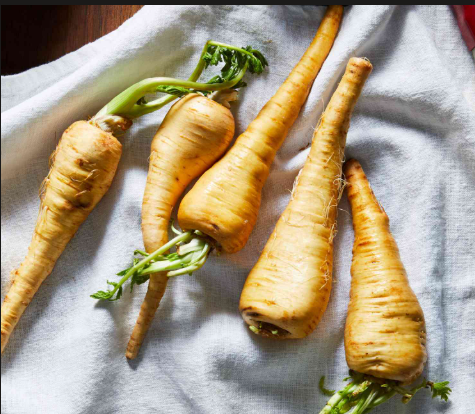
Parsnip Hydrating & Comfort Toner

A gentle, moisture‑restoring toner that calms irritation and supports the barrier.

Description

This toner is soft, herbal, and perfect for dry or reactive skin. Parsnip water hydrates while chamomile calms and glycerin softens. Ideal for post‑cleansing comfort.

Beauty Benefits

  • Natural humectants — draw moisture into the skin.
  • Anti‑inflammatory compounds — reduce redness.
  • Chamomile — calms and balances.
  • Glycerin — hydrates and softens.
  • Parsnip antioxidants — support barrier repair.

Ingredients

  • ¼ cup parsnip water (simmer sliced parsnip, strain)
  • ¼ cup chamomile tea
  • 1 tsp glycerin
  • Optional: 1 drop rosewater

Instructions

Apply with a cotton pad or mist bottle. Use morning or evening.

Storage

Keeps 4 days refrigerated.

Substitutions

  • Replace chamomile with green tea for oil control.
  • Replace glycerin with aloe for lighter hydration.

I’m Stacey Hobbs, thanks for reading Face by Stace! Until next time.
do you feel fabulous today?

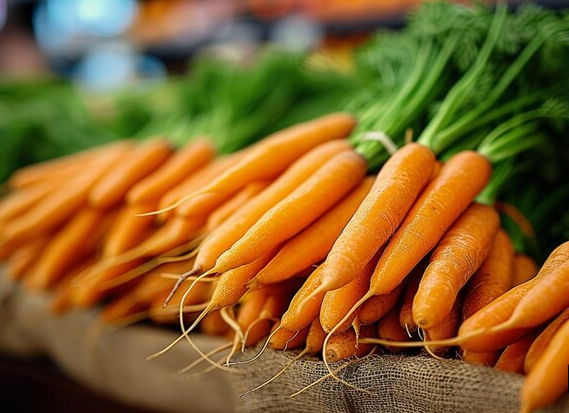
Carrot Brightening Body Polish

A gentle, glow‑enhancing exfoliant that smooths and brightens Autumn skin.

Description

This polish is creamy, warm, and perfect for dry, dull or flaky skin. Carrot provides natural enzymes while sugar exfoliates and oils nourish.

Beauty Benefits

  • Natural enzymes — dissolve dry skin.
  • Sugar crystals — exfoliate gently.
  • Coconut oil — deeply moisturizes.
  • Beta‑carotene — supports overall skin radiance.
  • Warm spices (optional ginger) — boost circulation.

Ingredients

  • 2 tbsp carrot purée
  • 2 tbsp sugar
  • 1 tbsp coconut oil
  • Optional: pinch ginger

Instructions

Massage onto damp skin. Rinse thoroughly.

Storage

Keeps 3–4 days refrigerated.

Substitutions

  • Replace sugar with fine salt for deeper exfoliation.
  • Replace coconut oil with olive oil for extra nourishment.

I’m Stacey Hobbs, thanks for reading Face by Stace! Until next time.
do you feel fabulous today?