
French Fashion History, Part I: The Foundations

French fashion did not begin with couture. Its roots stretch back centuries, shaped by craftsmanship, politics, and the early rise of luxury culture. Long before Paris became the world’s fashion capital, France was building the systems, materials, and artistry that would define its global influence.

In the medieval period, dressmaking guilds established strict standards for tailoring and textile work. These guilds protected techniques, trained artisans, and ensured that French clothing carried a reputation for quality. By the 1500s, Lyon had become Europe’s silk powerhouse, producing fabrics prized for their colour, sheen, and durability. Silk was not simply a textile — it was an early symbol of French prestige.

Catherine de Medici, arriving from Italy in 1533, transformed the French court. She introduced structured corsetry, heeled shoes, and perfume etiquette, shaping the foundations of French beauty culture. Her influence helped establish France as a centre of elegance and innovation.

By the 1600s, French lace — especially Alençon and Chantilly — became coveted across Europe. Lace makers were treated as national treasures, and their work was worn by royalty from Paris to St. Petersburg. Perfume also evolved into a uniquely French art, blending chemistry with seduction and ritual.

These early centuries built the technical and cultural infrastructure that later allowed haute couture to flourish. They established France not only as a place of beauty, but as a nation where fashion was treated as craft, identity and power.

I’m Stacey Hobbs, thanks for reading Face by Stace! Until next time.
do you feel fabulous today?
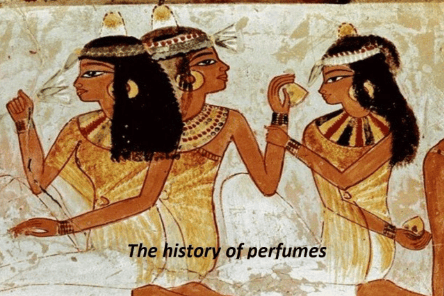
Ancient Egypt: Perfumed Oils as Daily Skincare

In Ancient Egypt, perfumed oils were more than fragrance — they were daily skincare essentials woven into medicine, ritual and status. Egyptians lived in a harsh desert climate, and protecting the skin from dryness, sun, and sand was a constant priority. Oils offered nourishment, softness and a protective barrier making them one of the earliest forms of moisturization.

These oils were typically made from moringa, balanos, almond, and sesame, chosen for their ability to soften and condition the skin. They were then infused with aromatic botanicals such as myrrh, frankincense, lotus, cinnamon, and cardamom, creating blends that were both functional and luxurious. The result was a perfumed oil that hydrated, protected and scented the body — a beauty ritual that signalled refinement and spiritual care.

Perfumed oils also played a role in hygiene and health. Many botanicals used in Egyptian formulas had antimicrobial or anti‑inflammatory properties, helping soothe irritation and support skin resilience. Oils were applied after bathing, massaged into the skin, and used to soften hair and nails. Elite Egyptians stored these blends in carved alabaster jars, highlighting their value and prestige.

The practice reflects a sophisticated understanding of skincare long before modern cosmetics. For Egyptians, perfumed oils were not simply beauty products — they were daily nourishment, sensory ritual and cultural identity, forming the foundation of one of history’s most advanced beauty systems.

I’m Stacey Hobbs, thanks for reading Face by Stace! Until next time.
do you feel fabulous today?

Pre‑historic Beauty: Shells and Stones Used as Primitive Exfoliators

Long before written history, humans were already shaping the foundations of beauty care. In the pre-historic era, grooming wasn’t decorative — it was practical, ritualistic and deeply connected to survival. Yet even in this early context, people intuitively understood the value of exfoliation. Shells and stones became some of the first tools used to smooth skin, remove debris and create a sense of cleanliness that bordered on early self‑care.

Fossil of Pre-historic Beauty using shells to exfoliate

Smooth river stones were used to gently scrape the skin, lifting dirt and dead skin cells after long days spent outdoors. Their rounded edges made them effective yet non‑damaging, functioning much like the manual exfoliators we use today. Shells, especially those with naturally curved or slightly serrated edges, offered a more precise tool. They could buff rough patches, soften calloused areas, and refine texture — a primitive but purposeful form of skin polishing.

These early exfoliation practices weren’t just physical. They often carried symbolic meaning: purification, renewal and preparation for ritual or community gatherings. In many early cultures, grooming signalled readiness, respect and identity.

What’s remarkable is how closely these ancient tools mirror modern beauty principles. The desire for smooth, refreshed skin is timeless and the methods — manual exfoliation, natural materials, tactile care — remain central to skincare today. Pre-historic beauty wasn’t primitive; it was intuitive, resourceful and the first step in humanity’s long relationship with skin health.

I’m Stacey Hobbs, thanks for reading Face by Stace! Until next time.
do you feel fabulous today?

Shells and Stones as Early Exfoliators — Historically True

Across early human history, people used natural abrasive materials to clean, polish, and exfoliate the skin. This is supported by archaeology, anthropology, and cross‑cultural grooming research.

1. Archaeological Evidence

Archaeologists have found:

  • Smooth river stones with wear patterns showing repeated use for scraping or polishing skin.
  • Shell fragments used as scraping tools, often smoothed or sharpened through use.
  • Pumice‑like volcanic stones used in ancient grooming rituals (especially in Mediterranean and coastal cultures).

These weren’t “beauty tools” in the modern sense — but they were used for:

  • Removing dead skin
  • Smoothing calluses
  • Cleaning the body
  • Preparing skin for ceremonies or social gatherings

This is the foundation of exfoliation.

2. Anthropological Evidence

Anthropologists confirm that early humans:

  • Groomed regularly
  • Used available natural materials for hygiene
  • Scraped, polished, and smoothed skin using stones, shells, and bone tools

Grooming was both practical and symbolic — tied to purification, readiness, and identity.

3. Cross‑Cultural Evidence

Many early cultures used:

  • Shell edges for scraping skin
  • Stone tools for smoothing and exfoliating
  • Natural abrasives long before formal beauty products existed

This spans Indigenous cultures, coastal communities, prehistoric societies, and early civilizations.

Parsnip Barrier‑Support Eye Cream

A creamy, calming eye treatment that hydrates, softens, and reduces irritation.

Description

This eye cream is silky and soothing. Parsnip’s starches help retain moisture while aloe and cucumber calm puffiness and dryness.

Beauty Benefits

  • Moisture‑retentive starches — support long‑lasting hydration.
  • Vitamin K — helps reduce dark circles.
  • Aloe — hydrates and calms.
  • Cucumber — cools and depuffs.
  • Natural sugars — soften texture.

Ingredients

  • 1 tsp parsnip purée
  • 1 tsp aloe vera gel
  • 1 tsp cucumber juice
  • Optional: 1 drop rosehip oil

Instructions

Apply under the eyes for 8–10 minutes. Rinse or pat away gently.

Storage

Keeps 48 hours refrigerated.

Substitutions

  • Replace cucumber with chamomile tea for sensitive eyes.
  • Replace aloe with glycerin for a thicker cream.

I’m Stacey Hobbs, thanks for reading Face by Stace! Until next time.
do you feel fabulous today?

Carrot Anti‑Inflammatory Scalp Rinse

A soothing, herbal rinse that calms irritation and supports scalp health.

Description

This rinse is lightweight, calming, and ideal for dry, itchy, or reactive scalps. Carrot’s anti‑inflammatory compounds soothe irritation while chamomile and aloe add hydration.

Beauty Benefits

  • Anti‑inflammatory phytonutrients — reduce redness and irritation.
  • Beta‑carotene — supports follicle health.
  • Chamomile — calms and balances.
  • Aloe — hydrates and softens.
  • Warm rinse — boosts circulation.

Ingredients

  • ½ cup carrot water
  • ¼ cup chamomile tea
  • 1 tbsp aloe vera gel
  • Optional: 1 drop tea tree oil

Instructions

Pour over the scalp after shampooing. Massage gently. Rinse lightly or leave in.

Storage

Keeps 2 days refrigerated.

Substitutions

  • Replace chamomile with green tea for oil control.
  • Replace aloe with glycerin for extra moisture.

Carrot is an Autumn brightening + anti‑inflammatory powerhouse: beta‑carotene, vitamin C, antioxidants, and natural enzymes. It’s one of the strongest glow ingredients of the season.

I’m Stacey Hobbs, thanks for reading Face by Stace! Until next time.
do you feel fabulous today?

Parsnip Scalp‑Soothing Treatment

A calming, hydrating treatment for dry, itchy, or irritated scalps.

Description

This treatment is creamy and cooling. Parsnip hydrates while aloe and oils soothe irritation and reduce flaking.

Beauty Benefits

  • Anti‑inflammatory compounds — calm irritation.
  • Starches — help retain moisture at the scalp.
  • Aloe — hydrates and soothes.
  • Coconut oil — reduces dryness.
  • Warm application — boosts circulation.

Ingredients

  • 2 tbsp parsnip purée
  • 1 tbsp aloe vera gel
  • 1 tsp coconut oil
  • Optional: 1 drop tea tree oil

Instructions

Apply to the scalp for 15 minutes. Rinse and shampoo lightly.

Storage

Keeps 2 days refrigerated.

Substitutions

  • Replace coconut oil with argan oil for fine hair.
  • Replace aloe with glycerin for extra moisture.

I’m Stacey Hobbs, thanks for reading Face by Stace! Until next time.
do you feel fabulous today?