The Evolution of Chanel Beauty

Chanel’s beauty history is a study in how a luxury house transforms its aesthetic codes into a global language. From the 1920s to today, Chanel has treated beauty not as an accessory to fashion, but as an extension of identity — distilled, modern, and French.

The story begins in 1921 with Chanel N°5, a radical aldehydic composition that broke with the era’s floral conventions. Its minimalist bottle and abstract scent profile established the House’s belief that beauty should feel both luxurious and forward‑looking. By 1924, Chanel formalized its cosmetics division, launching powders and lipsticks that mirrored Coco Chanel’s fashion philosophy: simplicity, clarity, and elegance.
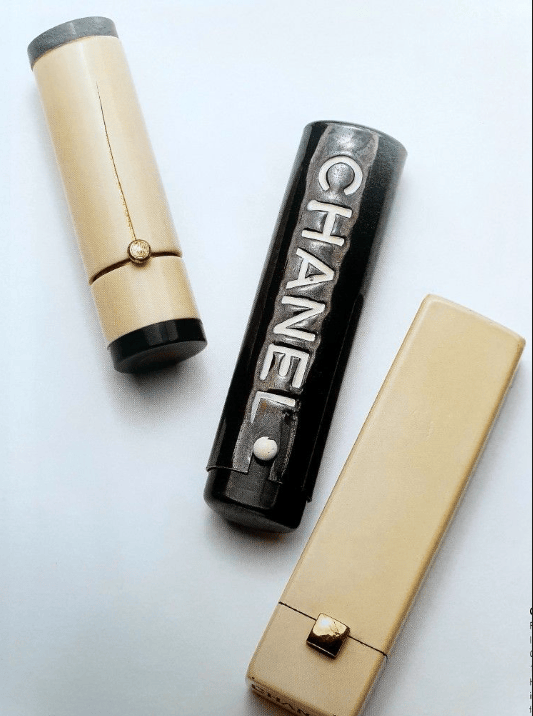
First Chanel Lipstick, circa 1924

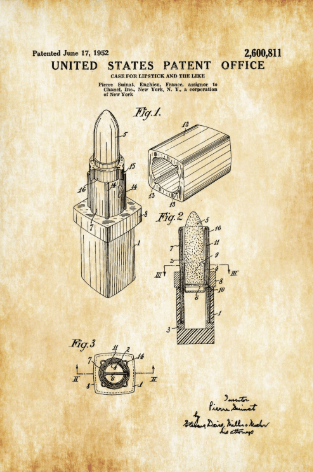
This patent illustration shows the Chanel Lipstick Case design patented by Chanel, Inc. in 1952, featuring a wooden case with a hinged cover and a removable lipstick. The design was created by Pierre Suinat and is now a sought-after piece of vintage beauty and fashion memorabilia.
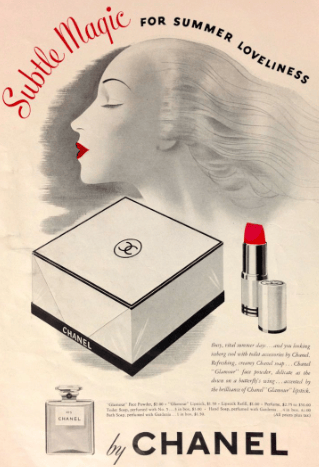
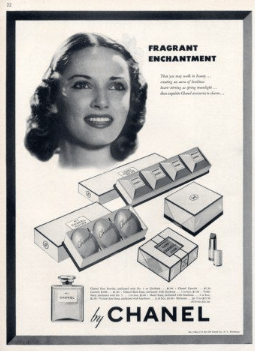
The late 1920s introduced Chanel’s first skincare line, positioning beauty as part of a woman’s daily ritual rather than an occasional indulgence. Through the mid‑century, the House expanded into refined fragrances and essential cosmetics, maintaining a restrained aesthetic that set it apart from more ornate competitors.

Karl Lagerfeld’s arrival in the 1980s ushered in a new era. He modernized Chanel’s visual language, bringing sharper packaging, bolder colour stories and a renewed focus on iconic products like Rouge Coco and Les Beiges. Beauty became a cultural symbol — aspirational yet accessible.

Today, under Virginie Viard and the Chanel Beauty laboratories, the brand continues to merge heritage with innovation. Skincare is science‑driven, makeup is architectural, and fragrance remains the House’s soul. Chanel Beauty endures because it evolves without ever abandoning its core: timelessness shaped by modernity.

I’m Stacey Hobbs, thanks for reading Face by Stace! Until next time.
do you feel fabulous today?
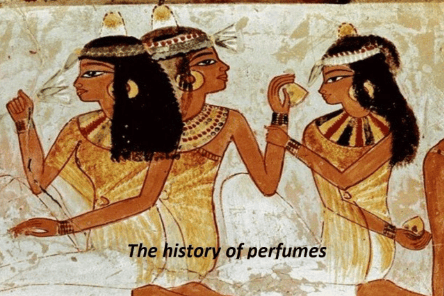
Egypt: The Birthplace of Cosmetic Science

Ancient Egypt is widely regarded as the birthplace of cosmetic science — a civilization where beauty, medicine, ritual and chemistry merged into one sophisticated system. Their approach to skincare wasn’t decorative; it was functional, intentional and surprisingly advanced. Every ingredient served a purpose, every formula had a method, and every ritual reflected a deeper understanding of how the skin behaves in a harsh desert climate.

Egyptians developed early versions of moisturisers, exfoliants, sunscreens, perfumes and anti‑aging treatments. Their anti‑wrinkle creams, often made from aloe, myrrh, and frankincense, show how deeply they understood botanical synergy. Aloe hydrated and cooled; myrrh soothed and strengthened; frankincense tightened and refined. These weren’t random mixtures — they were early dermatological blends built from observation, experimentation and centuries of practice.

Cosmetic tools also evolved here: kohl applicators, cosmetic palettes, unguent jars and carved vessels designed to preserve formulas from heat and light. Beauty was both daily care and spiritual protection, believed to guard the body and honour the Gods.

Egypt’s legacy lives on in modern skincare. Many of their ingredients — aloe, clay, oils, resins, botanical extracts — remain foundational in contemporary formulations. Their philosophy endures too: beauty as ritual, science as care and skin health as a reflection of balance.

Ancient Egypt didn’t just practise beauty. They invented the blueprint.

I’m Stacey Hobbs, thanks for reading Face by Stace! Until next time.
do you feel fabulous today?
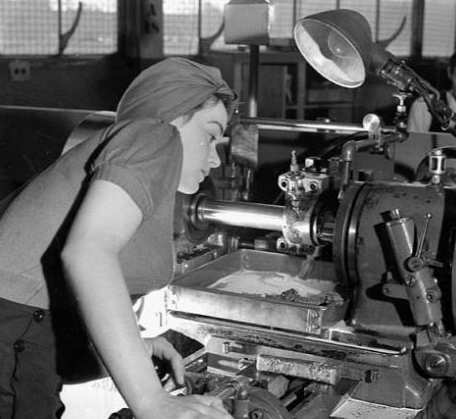
Factory Fashion: The Real Canadian Rosie Riveters

When Canadian women entered factories during WWII, they created a new kind of beauty — practical, protective and quietly powerful. These were the real Canadian Rosie Riveters, and their style reflected the demands of wartime work.

Factory uniforms were functional: coveralls, denim trousers, sturdy boots and protective gloves. Clothing had to withstand machinery, heat, oil, and long shifts. Yet women still found ways to express femininity within the rules.

Hair was pinned securely under turbans, bandanas or snoods to prevent accidents. These head coverings became iconic — bright colours, polka dots and floral prints added personality to industrial settings. Makeup was minimal but present: powder to reduce shine, a touch of rouge and lipstick when available. Even in factories, beauty offered confidence.

Safety shaped fashion. Jewellery was discouraged, sleeves were fitted and fabrics were durable. Many women altered their uniforms for comfort, adding darts, adjusting hems or personalizing collars.

Factory fashion wasn’t glamorous but it was revolutionary. It represented independence, strength and the merging of femininity with national duty. Canadian women proved that beauty could adapt — even thrive — in the most unexpected places.

I’m Stacey Hobbs, thanks for reading Face by Stace! Until next time.
do you feel fabulous today?
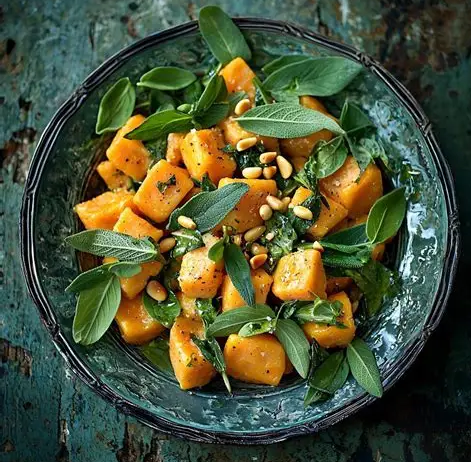
Roasted Butternut Squash with Sage & Pine Nuts

Roasted Butternut Squash with Sage & Pine Nuts is a warm, rustic, Autumn dish that celebrates simplicity and seasonal flavour. Tender cubes of caramelised squash are tossed with fragrant garlic, crisped edges, and buttery toasted pine nuts, creating a beautiful balance of sweetness, richness and earthy depth. Fresh sage adds an aromatic lift, turning everyday ingredients into a refined, side dish that feels both comforting and elegant. Serve it warm on its own or spooned over grains for a nourishing, modern plate that fits seamlessly into Fall cooking.

Prep 10 min Cook 30 min Serves 4

Delicious Butternut Squash Dish with Sage and Pine Nuts. 69105343 Stock Photo at Vecteezy/www.vecteezy.com

Ingredients

1 large butternut squash, cubed
3 tbsp olive oil
1 tsp sea salt
1/2 tsp black pepper
6–8 leaves fresh sage
1/3 cuppine nuts
2 cloves garlic, minced

Instructions

  1. Prep
    Preheat oven to 400°F (200°C). Toss squash with olive oil, salt, pepper, and garlic.
  2. Roast
    Spread on a baking sheet and roast 25–30 minutes until caramelized.
  3. Toast pine nuts
    In a small pan, toast pine nuts over medium heat until golden.
  4. Finish
    Toss roasted squash with toasted pine nuts and torn sage leaves.
  5. Serve
    Serve warm as a side or over grains.

Beauty Benefits

  • Butternut squash: Rich in beta‑carotene, supporting glow, smoother texture, and healthy cell turnover.
  • Olive oil: Vitamin E and monounsaturated fats nourish the moisture barrier and help maintain elasticity.
  • Garlic: Sulphur compounds support detox pathways and reduce inflammation linked to dullness.
  • Pine nuts: Healthy fats and antioxidants help protect against environmental stress and support firmness.
  • Sage: Naturally antimicrobial and anti‑inflammatory, supporting clarity and calmness.

Health Benefits

  • Butternut squash provides fibre, vitamin C, potassium, and slow‑release carbohydrates for steady energy.
  • Olive oil contributes heart‑healthy fats and anti‑inflammatory polyphenols.
  • Garlic supports cardiovascular health and natural detoxification.
  • Pine nuts add plant‑based protein, magnesium and healthy fats.
  • Sage supports digestion and has natural antioxidant properties.

Substitutions

  • Butternut squash → acorn squash, delicata squash or sweet potato.
  • Pine nuts → almonds, walnuts, pecans or pumpkin seeds.
  • Sage → thyme, rosemary or parsley.
  • Olive oil → avocado oil or melted butter.
  • Garlic → roasted garlic paste or garlic powder.

Storage

  • Refrigerate for 3–4 days in an airtight container.
  • Reheat at 350°F for 8–10 minutes to restore caramelisation.
  • Avoid microwaving — it softens the texture and dulls the herbs.
  • Not ideal for freezing due to texture changes.

History

Butternut squash has deep roots in Indigenous North American foodways, valued for its sweetness, versatility, and long storage life. Roasting squash is one of the oldest preparation methods, highlighting its natural sugars and velvety texture.

Sage has been used across cultures for centuries — from Mediterranean herbal medicine to early North American cooking — prized for its aroma and healing properties. Pine nuts bring a Mediterranean influence, historically used in Roman, Greek, and Middle Eastern cuisines for richness and texture.

Together, these ingredients create a dish that feels ancient yet modern: rustic, seasonal, and editorially elegant, blending Indigenous tradition with Mediterranean flavour profiles.

I’m Stacey Hobbs, thanks for reading Face by Stace! Until next time.
do you feel fabulous today?
Parmesan Roasted Butternut Squash

Parmesan Roasted Butternut Squash is a warm, golden, comfort side dish that turns simple ingredients into something refined and irresistibly savoury. Tender cubes of squash caramelise in the oven, developing crisp edges and a naturally sweet depth that pairs beautifully with garlic and olive oil. A final shower of Parmesan and breadcrumbs adds a salty, toasty crust that melts into the hot squash, creating a perfect balance of softness and crunch. Finished with fresh parsley for brightness, this dish feels rustic, modern and effortlessly elegant — the kind of seasonal recipe that fits seamlessly into weeknight cooking and holiday tables alike.

Prep 10 min Cook 30 min Serves 4

Crispy Parmesan Roasted Butternut Squash/plottwistrecipes.co

Ingredients

1 large butternut squash, peeled and cubed
3 tbsp olive oil
1 tsp sea salt
1/2 tsp black pepper
3 cloves garlic, minced
1/3 cup grated Parmesan
2 tbsp breadcrumbs (optional for crispiness)
Handful fresh parsley, chopped

Instructions

  1. Prep the squash
    Preheat oven to 400°F (200°C). Toss squash cubes with olive oil, salt, pepper, and garlic.
  2. Roast
    Spread evenly on a baking sheet. Roast for 25–30 minutes until golden and tender.
  3. Finish
    Sprinkle Parmesan and breadcrumbs over the hot squash. Return to oven for 5 minutes to crisp.
  4. Serve
    Top with fresh parsley and serve warm.
Crispy Roasted Butternut Squash with Parmesan/hotmessrecipes.com

Beauty Benefits

  • Butternut squash: Rich in beta‑carotene, which converts to vitamin A — supporting glow, smoother texture, and healthy cell turnover.
  • Olive oil: Packed with vitamin E and monounsaturated fats that nourish the moisture barrier and help maintain elasticity.
  • Garlic: Contains sulphur compounds that support detox pathways and reduce inflammation linked to dullness.
  • Parmesan: Provides healthy fats and small amounts of vitamin A, helping absorb fat‑soluble nutrients in the dish.
  • Parsley: High in vitamin C, supporting collagen formation and brightness.

Health Benefits

  • Butternut squash delivers fibre, vitamin C, potassium, and slow‑release carbohydrates for steady energy and digestive support.
  • Olive oil contributes heart‑healthy fats and anti‑inflammatory polyphenols.
  • Garlic supports cardiovascular health and natural detoxification.
  • Parmesan adds protein, calcium and umami depth without heaviness.
  • Breadcrumbs (optional) add texture and slow‑release carbs for satiety.
  • Parsley provides antioxidants and micronutrients that support immunity.

Substitutions

  • Butternut squash → acorn squash, delicata squash, or sweet potato.
  • Parmesan → Pecorino Romano, Grana Padano, or nutritional yeast (dairy‑free).
  • Breadcrumbs → panko, crushed nuts, or omit for a lighter dish.
  • Olive oil → avocado oil or melted butter.
  • Garlic → roasted garlic paste or garlic powder.
  • Parsley → basil, thyme or chives.

Storage

  • Refrigerate for 3–4 days in an airtight container.
  • Reheat at 350°F for 8–10 minutes to restore crispness.
  • Avoid microwaving if possible — it softens the Parmesan crust.
  • Not ideal for freezing due to texture changes.

History

Roasted squash dishes trace back to Indigenous North American foodways, where winter squash varieties were essential for nourishment and long‑term storage. Butternut squash, with its natural sweetness and velvety texture, became a staple ingredient in both traditional and modern cooking.

The technique of roasting vegetables with cheese has European roots, particularly in Italian and French kitchens where Parmesan, breadcrumbs and garlic were used to elevate simple produce. Combining these traditions creates a dish that feels both rustic and refined — a modern comfort classic that celebrates seasonal ingredients with elegance.

I’m Stacey Hobbs, thanks for reading Face by Stace! Until next time.
do you feel fabulous today?

Wartime Beauty Propaganda in Canada

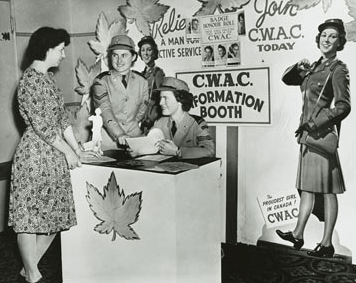
During the 1940s, beauty in Canada wasn’t just personal — it was patriotic. As men went overseas and women stepped into new roles at home, the Canadian government and media launched a subtle but powerful message: staying beautiful meant staying strong.

Posters, radio broadcasts and magazine ads encouraged women to maintain their appearance “for morale.” Beauty was framed as a duty — a way to uplift communities, reassure families and project confidence during uncertainty. A polished face symbolized resilience.

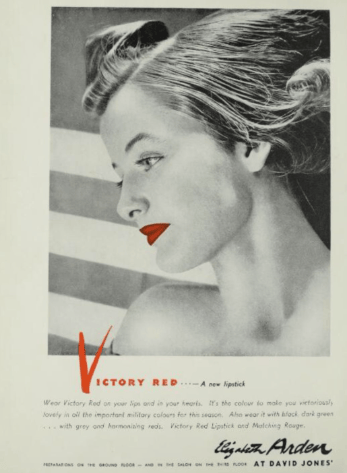
Cosmetics companies joined in. Ads promoted powder, rouge and lipstick as tools of optimism. “Keep your chin up — and your lipstick on” became a common sentiment. Red lipstick, especially, was tied to patriotism. It appeared in recruitment posters, factory campaigns and magazine spreads as a symbol of courage and spirit.

Elizabeth Arden Victory Red Lipstick WWII 1940s ad
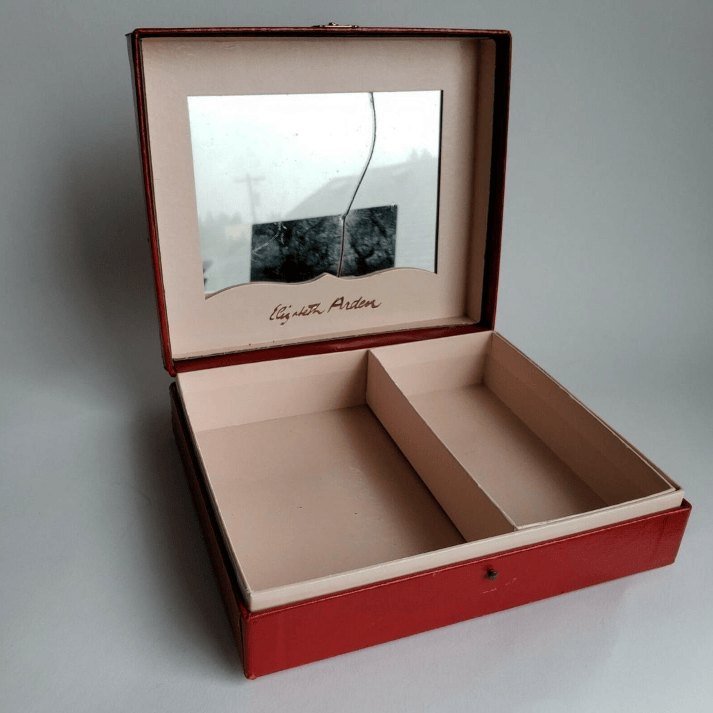
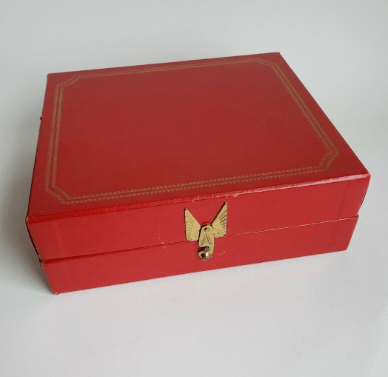
1940s WWII Elizabeth Arden Victory Red Lipstick Makeup Kit Box

Even rationing shaped propaganda. With fabric, sugar and some cosmetics limited, beauty messaging emphasized resourcefulness: repairing garments, using makeup sparingly, and maintaining neat hairstyles despite shortages. The goal wasn’t glamour — it was morale.

Wartime beauty propaganda didn’t pressure women into vanity. It reassured them that femininity and strength could coexist — and that hope could be worn on the face.

I’m Stacey Hobbs, thanks for reading Face by Stace! Until next time.
do you feel fabulous today?