Preppy Kitchen Inspired: Brown‑Butter Pumpkin Ravioli with Crispy Sage & Parmesan Snow

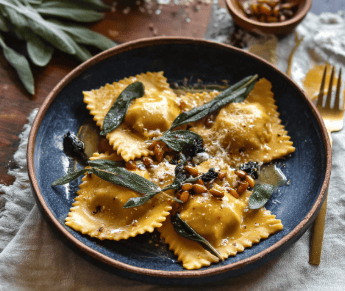
This dish is the definition of polished holiday comfort — golden pumpkin ravioli glossed in nutty brown butter, finished with crisp sage leaves that shatter delicately on contact. The sauce pools into a silky amber sheen, catching the edges of each ravioli like a soft spotlight. Toasted pine nuts add warmth and texture, while a snowfall of finely grated Parmesan melts instantly, creating that signature “Parmesan snow” effect Preppy Kitchen is known for.

It’s elegant without being fussy — a cozy, festive pasta that feels right at home in a holiday spread, yet refined enough for a dinner party. The flavours are classic Italian with a modern twist: sweet pumpkin, aromatic sage, buttery richness and bright salty cheese.

Prep 25 min Cook 15 min Serves 4

Delicious Pumpkin Ravioli in Savory Brown Butter Sage Sauce

Delicious Pumpkin Ravioli in Savory Brown Butter Sage Sauce/thehomemadebite.com

Ingredients

1 lb fresh pumpkin ravioli (store‑bought or homemade)
6 tbsp unsalted butter
12–15 leaves fresh sage
1/3 cup pine nuts, toasted
1/2 cup freshly grated Parmesan (for the “snow”)
1/4 tsp fine sea salt
1/4 tsp black pepper
Optional pinch of nutmeg for warmth

Instructions

  1. Cook the ravioli
    Bring a large pot of salted water to a gentle boil. Add ravioli and cook until they float, 3–4 minutes. Transfer gently to a plate and reserve 1/4 cup pasta water.
  2. Brown the butter
    In a skillet over medium heat, melt the butter. Let it bubble and foam until it turns golden and smells nutty, 3–4 minutes.
  3. Crisp the sage
    Add sage leaves to the brown butter. Fry until crisp, about 30 seconds. Remove a few for garnish.
  4. Build the sauce
    Season with salt, pepper, and a pinch of nutmeg. Add a splash of pasta water to emulsify the sauce.
  5. Coat the ravioli
    Add cooked ravioli to the skillet and spoon the brown butter over them until glossy and coated.
  6. Finish with toppings
    Plate the ravioli, scatter toasted pine nuts, and shower generously with Parmesan to create the signature ‘snow’.
Pumpkin Ravioli with Brown Butter & Sage: A Must-Try Recipe! – All in One Pot: Delicious, Easy/bakedinone.com

Beauty Benefits

This dish is quietly loaded with beauty‑nutrition — the kind of “holiday comfort with skin benefits” angle your audience loves.

  • Pumpkin (beta‑carotene + vitamin A)
    Supports cell turnover, brightness and smoother texture. Beta‑carotene converts to retinol in the body, helping maintain a healthy glow during dry, cold months.
  • Brown Butter (fat‑soluble vitamins A, E, K)
    These support skin barrier resilience and help maintain moisture. The nutty, toasted milk solids also contain antioxidants that help counter oxidative stress.
  • Sage (rosmarinic acid + flavonoids)
    Anti‑inflammatory compounds help calm redness and irritation — especially relevant in winter when skin is more reactive.
  • Parmesan (protein + minerals)
    Provides amino acids that support collagen formation. Calcium and phosphorus help maintain strong nails and hair.
  • Pine Nuts (healthy fats + vitamin E)
    Vitamin E is a powerful antioxidant that protects skin lipids and helps maintain elasticity. The healthy fats support hormone balance, which directly affects skin clarity.

Health Benefits

A comfort dish that still delivers functional nutrition.

  • Steady energy from fresh pasta
    Slow‑release carbohydrates support balanced energy — ideal for holiday evenings or colder weather.
  • Immune support from pumpkin
    Rich in vitamin C, zinc, and carotenoids that help strengthen immune response.
  • Healthy fats from butter + pine nuts
    Support brain health, hormone regulation, and satiety.
  • Digestive support from sage
    Traditionally used to ease bloating and support digestion — helpful with richer holiday meals.
  • Protein from ricotta + Parmesan
    Helps maintain muscle repair and keeps the dish more balanced than typical pasta.

Storage

  • Ravioli (uncooked):
    Freeze on a tray until solid, then store in an airtight container for up to 2 months. Cook from frozen.
  • Cooked ravioli:
    Best enjoyed immediately. If needed, refrigerate for up to 2 days and reheat gently in a skillet with a splash of water + butter.
  • Brown‑Butter Sage Sauce:
    Make fresh for best flavour. Can be refrigerated for 2–3 days and gently rewarmed.

Substitutions

Perfect for dietary needs or flavour shifts.

  • Pumpkin → butternut squash, sweet potato, or kabocha
  • Ricotta → mascarpone (richer), cottage cheese (blended), or vegan ricotta
  • Parmesan → Grana Padano, Pecorino (sharper), or nutritional yeast (vegan)
  • Sage → thyme, rosemary, or crispy basil
  • Pine nuts → toasted almonds, walnuts, or hazelnuts
  • Fresh pasta → wonton wrappers (easy), gluten‑free pasta sheets, or store‑bought ravioli skins

I’m Stacey Hobbs, thanks for reading Face by Stace! Until next time.
do you feel fabulous today?
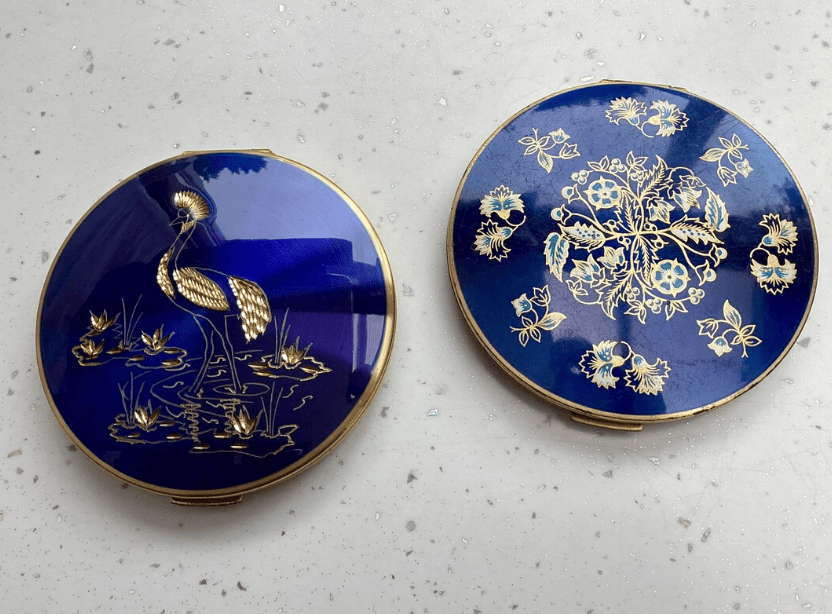
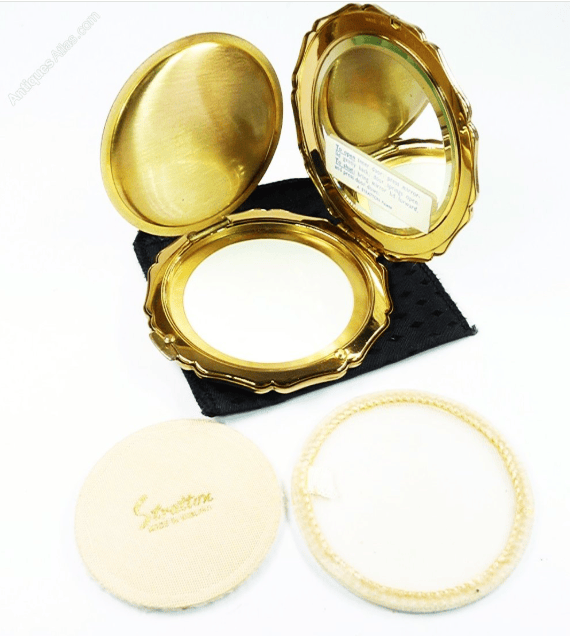
Why 1950s Powder Compacts Defined an Era

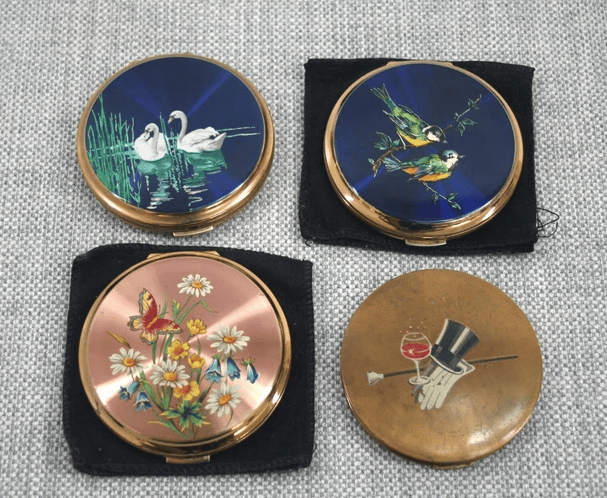
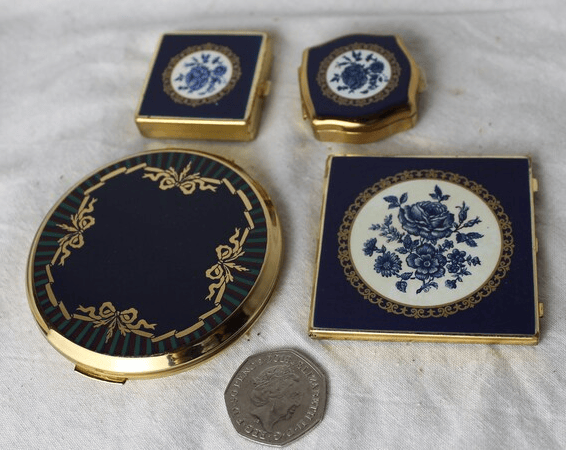
The 1950s powder compact wasn’t just a beauty accessory — it was a cultural symbol. Sleek, gold‑toned, and often engraved, compacts reflected a decade obsessed with elegance, order and polished femininity. They were designed to be displayed, carried and admired.

Post‑war prosperity meant women had access to beautifully crafted cosmetics for the first time. Companies like Stratton, Kigu, and Elgin produced compacts that resembled jewellery: enamel finishes, intricate clasps and mirror‑bright metalwork. Owning one signalled sophistication and modern womanhood.

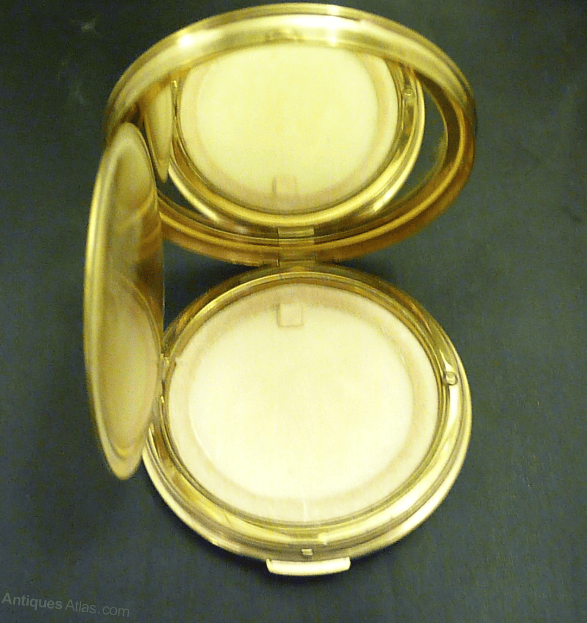
1950s Powder Compact

Compacts also mirrored the decade’s beauty ideals. The 1950s face was matte, velvety, and controlled — a stark contrast to the glossy Hollywood looks of earlier decades. Powder became essential for maintaining that flawless finish throughout the day. Women used their compacts in cafés, offices and theatres, turning touch‑ups into a quiet ritual of self‑presentation.

These objects also carried emotional weight. Many were gifted for graduations, engagements or anniversaries. Some included monograms or decorative motifs, making them personal heirlooms rather than disposable beauty items.

By the late 1960s, compacts faded as plastic packaging and mass‑market cosmetics took over. But the 1950s compact remains a symbol of craftsmanship and glamour — a reminder of a time when beauty tools were built to last.

I’m Stacey Hobbs, thanks for reading Face by Stace! Until next time.
do you feel fabulous today?
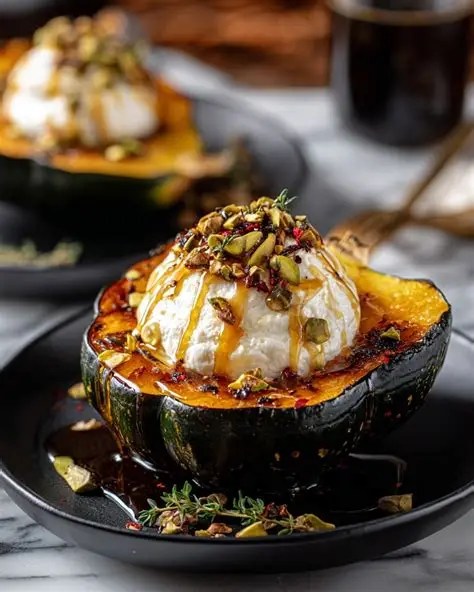
Acorn Squash with Burrata, Hot Honey & Pistachio Dukkah

A warm, elegant, Autumn dish that blends caramelized acorn squash with creamy burrata, fragrant spices and a sweet‑heat drizzle of hot honey. The pistachio dukkah adds crunch, aroma and a Middle Eastern edge, turning a simple roasted squash into a refined plate that feels both rustic and couture.

Prep 15 min Cook 40 min Serves 4

Ingredients

  • 2 acorn squash, halved and seeds removed
  • 3 tbsp olive oil
  • 1 tsp sea salt
  • 1/2 tsp black pepper
  • 1 cup fresh burrata (or whipped ricotta)
  • 3 tbsp hot honey
  • 1/3 cup crushed pistachios
  • 1 tbsp sesame seeds
  • 1 tsp ground coriander
  • 1 tsp ground cumin
  • Handful fresh herbs (parsley or basil)

Instructions

  1. Roast the squash
    Preheat oven to 400°F (200°C). Brush squash halves with olive oil, salt, and pepper. Roast cut‑side up for 35–40 minutes, until caramelized and tender.
  2. Make the pistachio dukkah
    Combine pistachios, sesame seeds, coriander, and cumin in a small bowl.
  3. Assemble
    Place roasted squash on plates. Add a generous scoop of burrata into each cavity.
  4. Finish
    Drizzle with hot honey and sprinkle generously with pistachio dukkah. Garnish with fresh herbs.

Beauty Benefits

  • Acorn squash: Beta‑carotene supports glow, smoother texture, and healthy cell turnover.
  • Burrata: Healthy fats help absorb vitamins A, D, E, and K — essential for barrier strength and elasticity.
  • Hot honey: Natural humectant properties support hydration and calmness.
  • Pistachios: Vitamin E and antioxidants help protect against environmental stress and support firmness.
  • Sesame seeds: Rich in zinc and fatty acids that support skin repair and moisture balance.
  • Coriander + cumin: Anti‑inflammatory spices that support clarity, circulation, and a natural flush.
  • Olive oil: Nourishes the moisture barrier and provides antioxidant protection.

Health Benefits

  • Acorn squash provides fibre, vitamin C, potassium, and slow‑release carbohydrates for steady energy.
  • Burrata offers protein and calcium for bone health and satiety.
  • Hot honey provides natural sugars and antioxidants without refined additives.
  • Pistachios add healthy fats, plant protein, and minerals like magnesium and zinc.
  • Sesame seeds support hormone balance and healthy skin.
  • Coriander and cumin aid digestion and metabolic balance.
  • Olive oil contributes heart‑healthy monounsaturated fats.

Substitutions

  • Burrata → whipped ricotta, fresh mozzarella, goat cheese, or labneh.
  • Hot honey → chili‑infused maple syrup, harissa honey, or warm date syrup.
  • Pistachio dukkah → almond dukkah, hazelnut dukkah, or toasted pumpkin seeds with sesame.
  • Acorn squash → delicata, honeynut, or butternut halves.
  • Herbs → basil, parsley, mint, or microgreens.

Storage

  • Refrigerate up to 3 days in an airtight container.
  • Reheat squash at 350°F for 10–12 minutes.
  • Add fresh burrata and hot honey after reheating for best texture.
  • Not ideal for freezing — dairy and squash texture will change.

History

Acorn squash has deep roots in Indigenous North American foodways, valued for its sweetness, versatility, and winter storage. Roasting squash halves is one of the oldest preparation methods, highlighting its natural sugars and soft texture.

Burrata introduces an Italian influence — a luxurious cheese from Puglia known for its creamy centre and ability to elevate simple vegetables. Hot honey reflects modern culinary trends blending heat with sweetness, inspired by Southern American and Middle Eastern flavour profiles.

Pistachio dukkah originates from Egyptian culinary tradition, where nuts, seeds, and spices were blended into aromatic toppings used for bread, vegetables, and proteins. Its inclusion here creates a fusion of Indigenous, Italian, and Middle Eastern influences — a contemporary dish that feels global, elegant, and deeply seasonal.

I’m Stacey Hobbs, thanks for reading Face by Stace! Until next time.
do you feel fabulous today?
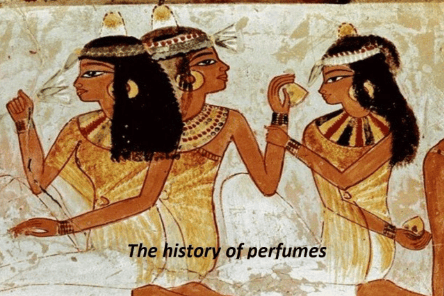
Ancient Egypt: Honey Masks

In Ancient Egypt, honey was one of the most prized beauty ingredients — a natural, multifunctional substance used in daily skincare, healing rituals, and cosmetic preparation. Its importance went far beyond sweetness. Honey was considered a sacred material linked to health, purity, and youth, making it a cornerstone of Egyptian beauty science.

Egyptians understood honey’s ability to soften, soothe and protect the skin in a harsh desert climate. Its natural humectant properties helped draw moisture into the skin, while its antibacterial qualities made it ideal for calming irritation and supporting wound healing. Mixed with ingredients like milk, aloe, crushed herbs, or clay, honey masks became early formulations designed to hydrate, brighten and refine the complexion.

Elite women — including those in royal households — used honey masks to maintain smooth, luminous skin. Papyrus texts and archaeological evidence show recipes combining honey with oils, resins and botanicals to create treatments for dryness, fine lines, and sun exposure. Honey was also used to prepare the skin before applying kohl or scented oils, forming part of a broader ritual of beauty and protection.

These early masks reveal how advanced Egyptian skincare truly was. Their approach blended observation, natural chemistry, and spiritual meaning, creating treatments that feel surprisingly modern. Today, honey remains a staple in contemporary skincare for the same reasons the Egyptians valued it: hydration, healing and a natural glow.

I’m Stacey Hobbs, thanks for reading Face by Stace! Until next time.
do you feel fabulous today?
The History of Lip Gloss

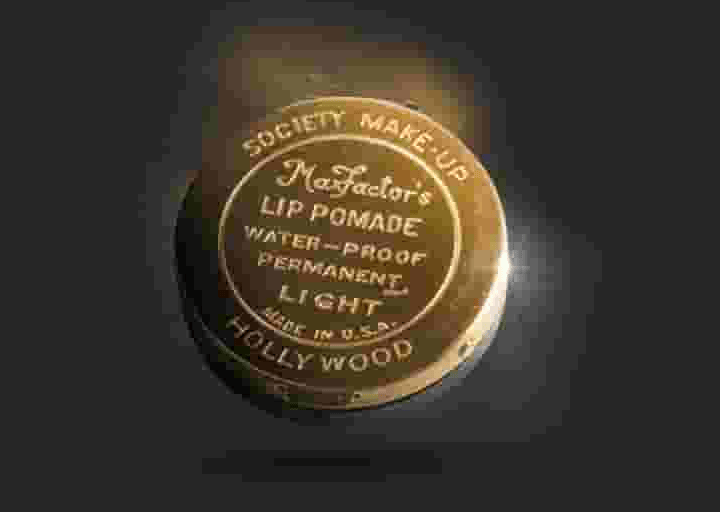
Lip gloss has always carried a certain youthful glamour — a shine that signals freshness, ease, and modernity. Its story begins in 1930, when Max Factor introduced the first commercial gloss for Hollywood actresses. Lip gloss in 1930 was actually referred to as “Lip Pomade.” Lip Pomade was strictly used behind closed doors on Hollywood soundstages to help actresses’ lips catch the light in black-and-white film. Because it wasn’t yet for sale to the public, no consumer print advertisements were created for it in 1930.

Max Factor Lip Pomade (Lip Gloss) circa 1930 (The World’s Very First Lip Gloss)/Photo is from maxfactor.com

In 1932, Max Factor finally released the product to the consumer market under the scandalous name “X-Rated”.

By the 1950s, gloss had moved from film sets to vanities across North America. Teen culture exploded and lip gloss became the unofficial symbol of youthful femininity. Clear and pink shades dominated, often paired with powder compacts and pastel eyeshadow — the era’s signature look.

The 1970s brought disco, and gloss transformed again. High‑shine, vinyl finishes matched the decade’s metallic fashion and dance‑floor glamour. Brands released bolder shades and gloss became a statement rather than an accessory.

In the 1990s, gloss reached peak cultural influence. Sheer browns, frosted nudes and sticky formulas defined the supermodel era. It was the decade of pocket‑sized tubes, mall beauty counters and iconic runway beauty.

Today’s glosses are a different world entirely: hydrating, non‑sticky and infused with skincare ingredients. Lip oils, hybrid balms and reflective glosses speak to a modern desire for comfort and polish.

Lip gloss has evolved with every generation — but its purpose remains the same: effortless shine that feels instantly alive.

I’m Stacey Hobbs, thanks for reading Face by Stace! Until next time.
do you feel fabulous today?
The Evolution of Chanel Beauty

Chanel’s beauty history is a study in how a luxury house transforms its aesthetic codes into a global language. From the 1920s to today, Chanel has treated beauty not as an accessory to fashion, but as an extension of identity — distilled, modern, and French.

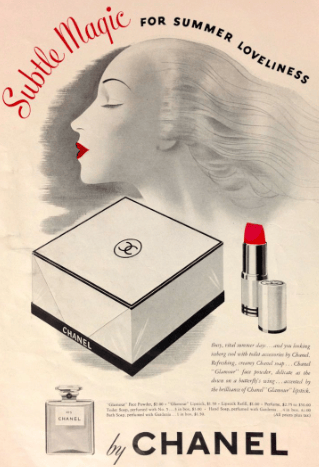
The story begins in 1921 with Chanel N°5, a radical aldehydic composition that broke with the era’s floral conventions. Its minimalist bottle and abstract scent profile established the House’s belief that beauty should feel both luxurious and forward‑looking. By 1924, Chanel formalized its cosmetics division, launching powders and lipsticks that mirrored Coco Chanel’s fashion philosophy: simplicity, clarity, and elegance.

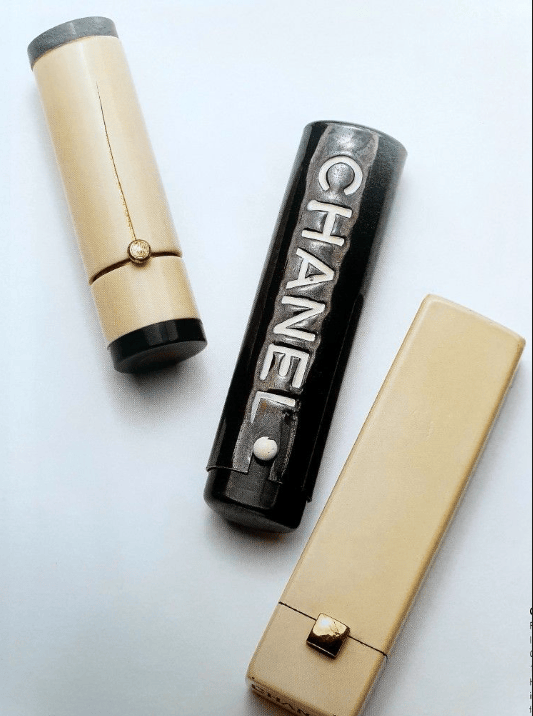
First Chanel Lipstick, circa 1924

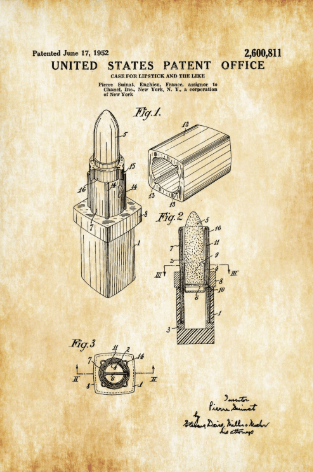
This patent illustration shows the Chanel Lipstick Case design patented by Chanel, Inc. in 1952, featuring a wooden case with a hinged cover and a removable lipstick. The design was created by Pierre Suinat and is now a sought-after piece of vintage beauty and fashion memorabilia.

The late 1920s introduced Chanel’s first skincare line, positioning beauty as part of a woman’s daily ritual rather than an occasional indulgence. Through the mid‑century, the House expanded into refined fragrances and essential cosmetics, maintaining a restrained aesthetic that set it apart from more ornate competitors.

Karl Lagerfeld’s arrival in the 1980s ushered in a new era. He modernized Chanel’s visual language, bringing sharper packaging, bolder colour stories and a renewed focus on iconic products like Rouge Coco and Les Beiges. Beauty became a cultural symbol — aspirational yet accessible.

Today, under Virginie Viard and the Chanel Beauty laboratories, the brand continues to merge heritage with innovation. Skincare is science‑driven, makeup is architectural, and fragrance remains the House’s soul. Chanel Beauty endures because it evolves without ever abandoning its core: timelessness shaped by modernity.

I’m Stacey Hobbs, thanks for reading Face by Stace! Until next time.
do you feel fabulous today?