Ancient Greek: Honey + Milk Masks for Anti‑Aging

In Ancient Greece, beauty was closely tied to harmony, balance and natural vitality — ideals reflected in their early skincare rituals. Among the most cherished treatments were honey and milk masks, simple yet sophisticated formulas used to soften the skin, brighten the complexion and slow visible signs of aging. These ingredients were abundant in Greek daily life, making them accessible to both elite women and everyday households.
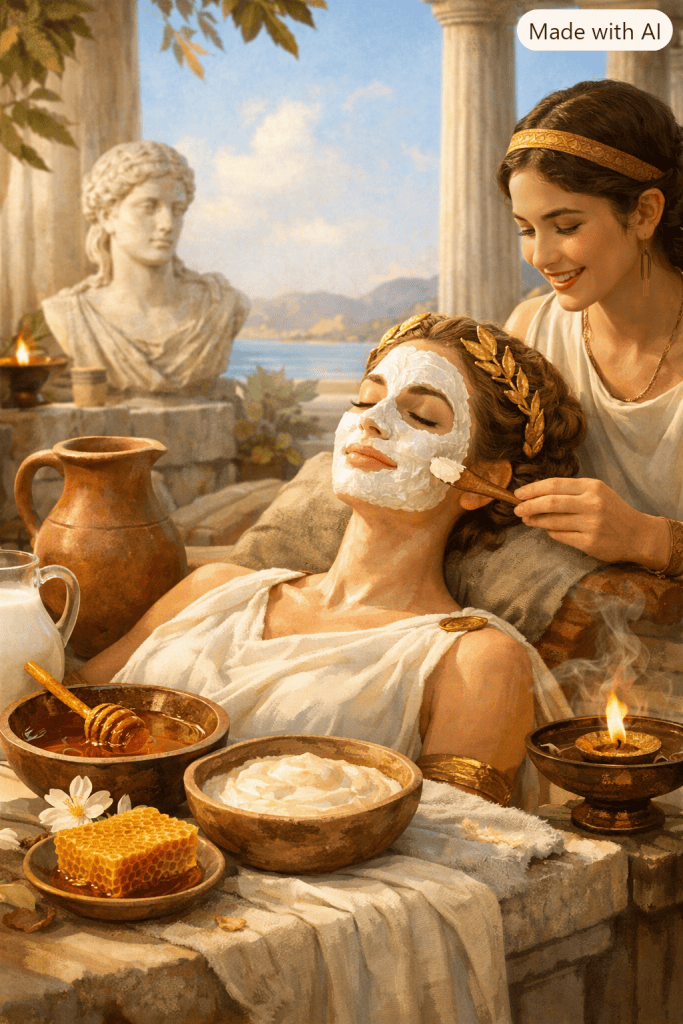
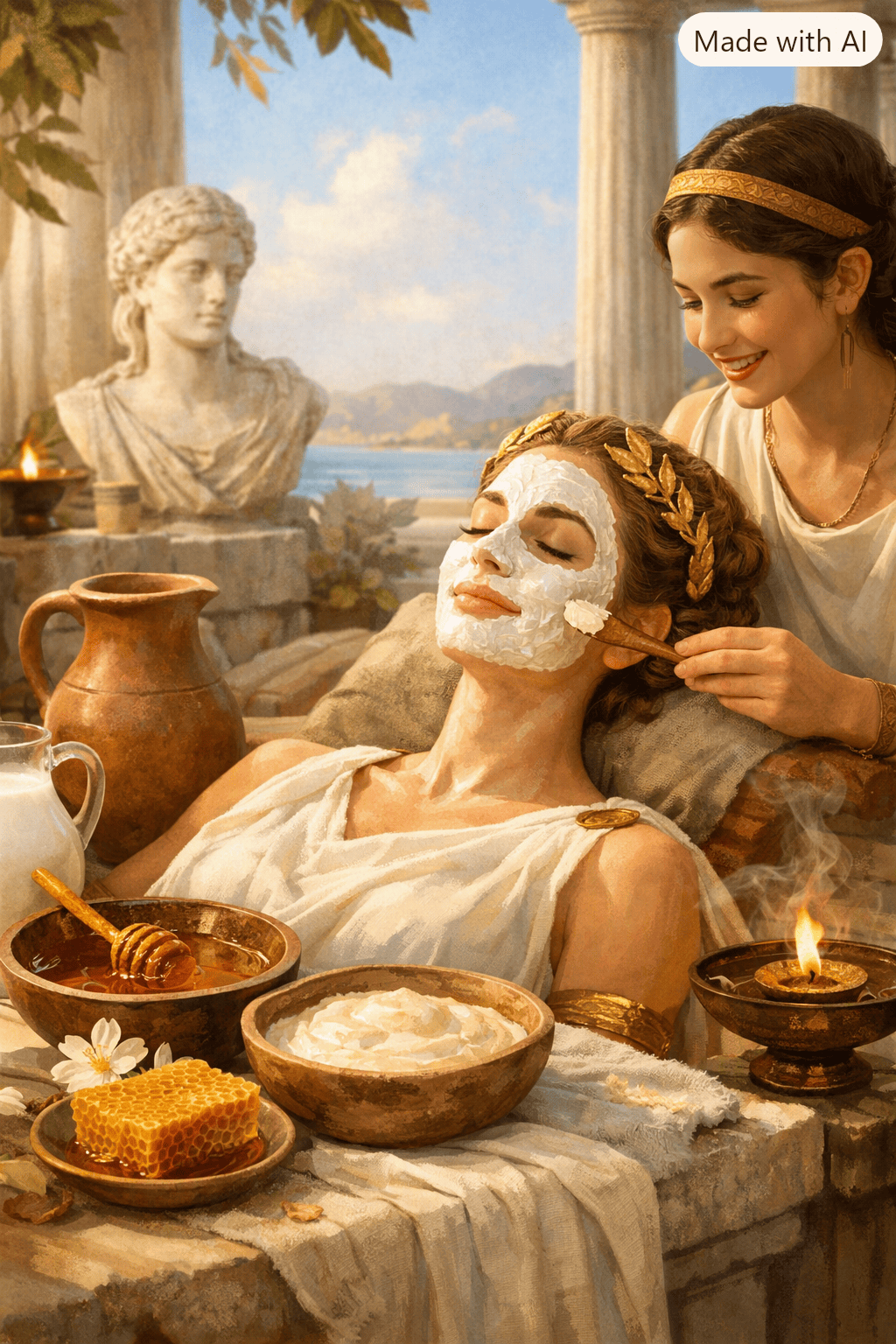
Ancient Greece Milk and Honey Mask being applied/Made with AI

Honey was prized for its humectant and healing properties. It drew moisture into the skin, calmed irritation, and provided a natural glow that aligned with Greek ideals of radiance. Milk, especially goat’s milk, offered gentle exfoliation through lactic acid, helping smooth texture and refine fine lines. Together, honey and milk created a mask that hydrated, brightened, and subtly resurfaced — an early anti‑aging treatment grounded in observation rather than theory.

Greek texts and later Roman writings describe these masks as part of bathing rituals, applied after cleansing to restore softness and resilience. They were also used to prepare the skin before applying scented oils or powders, forming a bridge between skincare and adornment.
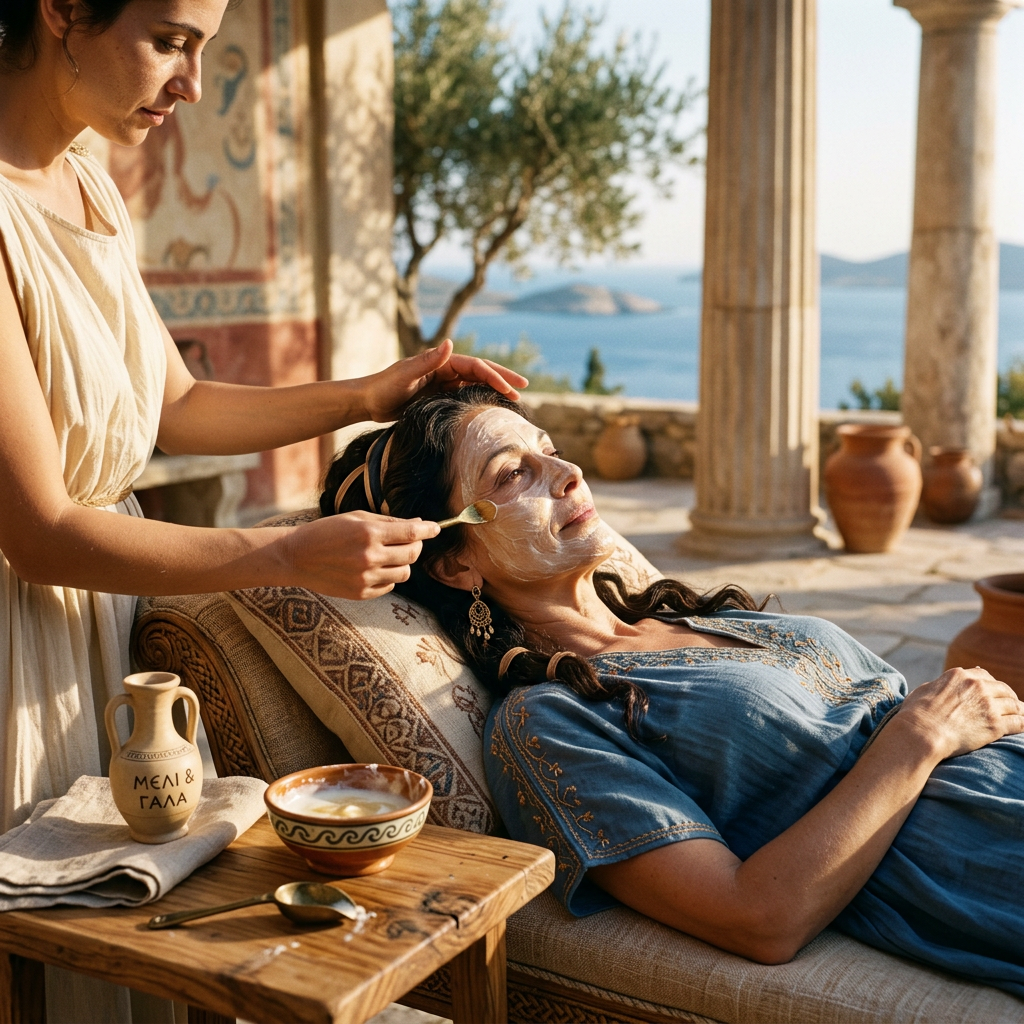
Woman applying facial mask; jug reads "ΜΕΛΙ & ΓΑΛΑ"
A serene facial treatment unfolds beside the Aegean Sea among classical columns and warm sunlight./Ancient Greece Milk and Honey Mask being applied/Made with AI

This honey‑and‑milk pairing reveals how advanced Greek beauty culture truly was. Their approach blended nourishment, gentle exfoliation, and natural chemistry, creating treatments that feel remarkably modern. Today, the same ingredients remain staples in skincare for the very reasons the Greeks valued them: hydration, brightness, and timeless, natural radiance.

I’m Stacey Hobbs, thanks for reading Face by Stace! Until next time.
do you feel fabulous today?
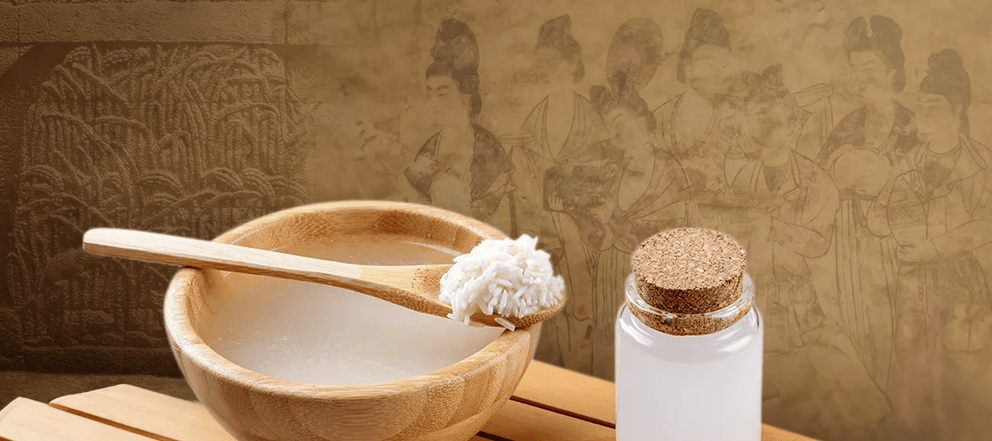
Ancient China: Rice Water for Brightening

In Ancient China, rice water became one of the most enduring beauty rituals — a simple, elegant treatment used to brighten, soften, and refine the skin. Women in imperial courts, rural villages, and later in early Japanese and Korean traditions relied on this milky liquid as a daily cleanser and complexion enhancer. Its effectiveness came from observation: rinsing rice released a nutrient‑rich water that left the hands smoother and more luminous.

Rice water contains amino acids, antioxidant and natural starches that help calm inflammation, support barrier function and promote clarity. Applied to the face, it created a softening effect that aligned with classical Chinese beauty ideals: brightness, smooth texture, and a subtle, healthy glow. Some formulas were steeped longer to increase potency, while others were mixed with herbs or flowers for added benefits.

Historical records describe rice water being used to soothe irritation, reduce dullness and prepare the skin before applying powders or herbal treatments. It was also used on hair, creating shine and strength — a practice still seen in regions like Huangluo, where women credit rice‑water rinses for their famously long, glossy hair.

Rice water’s longevity speaks to its simplicity and effectiveness. It remains a staple in modern Asian skincare for the same reasons it thrived in Ancient China: gentle brightening, calming hydration and a naturally refined finish that feels timeless.

I’m Stacey Hobbs, thanks for reading Face by Stace! Until next time.
do you feel fabulous today?
Ancient Egypt: Cosmetic Palettes as Status Symbols

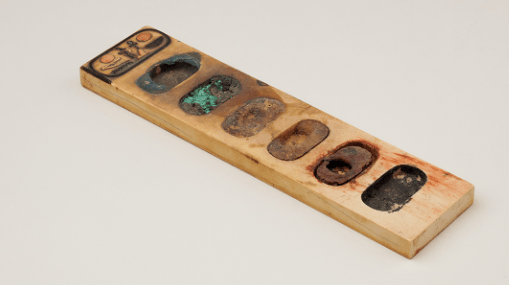
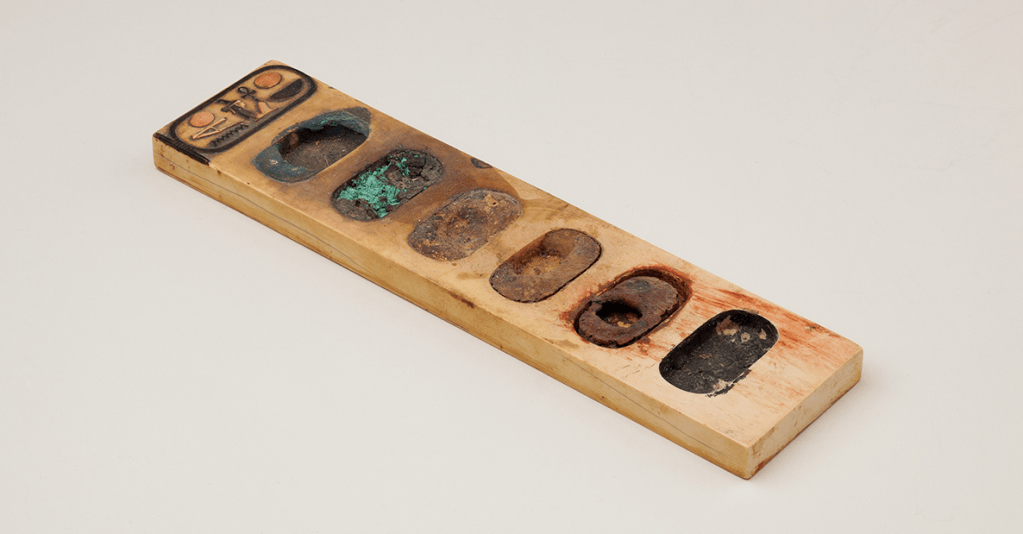
In Ancient Egypt, cosmetic palettes were far more than functional tools — they were symbols of status, identity, and refinement. These beautifully carved objects, often made from slate, schist, or limestone, held pigments for eye makeup and ceremonial adornment. Their presence in tombs, temples, and elite households reveals how deeply beauty was woven into Egyptian culture.

Early palettes were simple and utilitarian, used to grind malachite or galena into powders for kohl and green shadow. Over time, they evolved into highly decorative pieces featuring animal motifs, geometric designs, and sacred imagery. The more elaborate the palette, the higher the owner’s social standing. Some were shaped like fish, turtles, or birds; others carried inscriptions or symbolic carvings that connected beauty rituals to protection, spirituality and prestige.

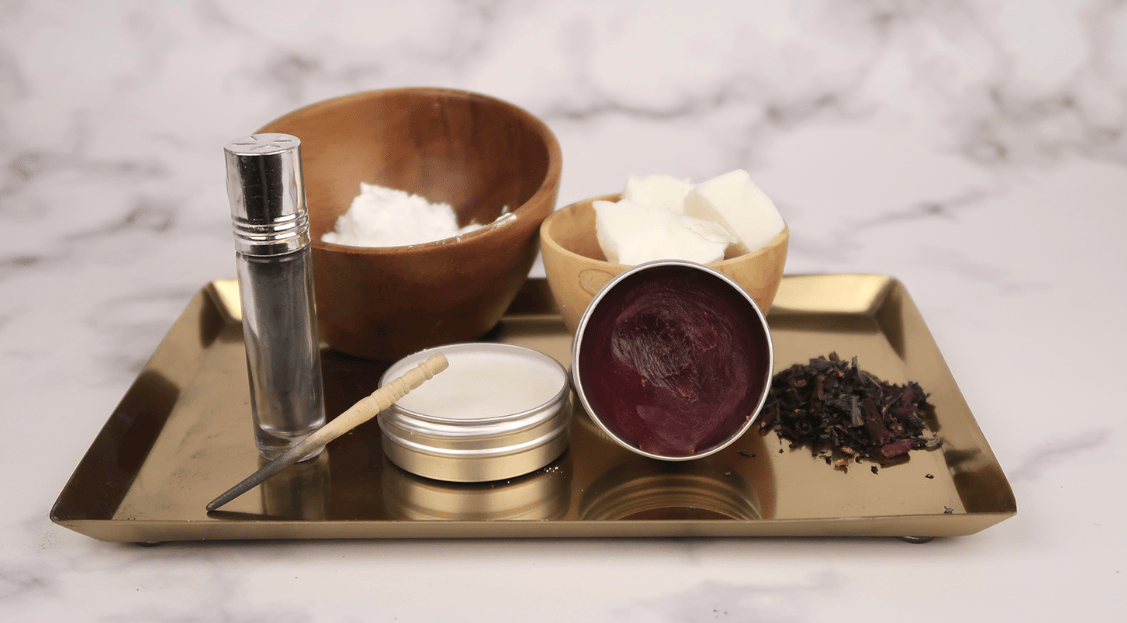
Ancient Egypt Makeup Palette

For the elite, cosmetic palettes functioned as luxury objects — gifts, heirlooms and markers of wealth. Their craftsmanship signalled access to skilled artisans and rare materials. In royal contexts, palettes became ceremonial used in preparation rituals that blended beauty, medicine and divine symbolism.

These palettes show how advanced Egyptian beauty culture truly was. They weren’t just tools for applying pigment; they were expressions of identity and power. In a civilization where appearance carried spiritual and social meaning, the cosmetic palette became one of the earliest examples of beauty as both artistry and status.

I’m Stacey Hobbs, thanks for reading Face by Stace! Until next time.
do you feel fabulous today?
Ancient Egypt: Kohl Eyeliner for Beauty and Sun Protection

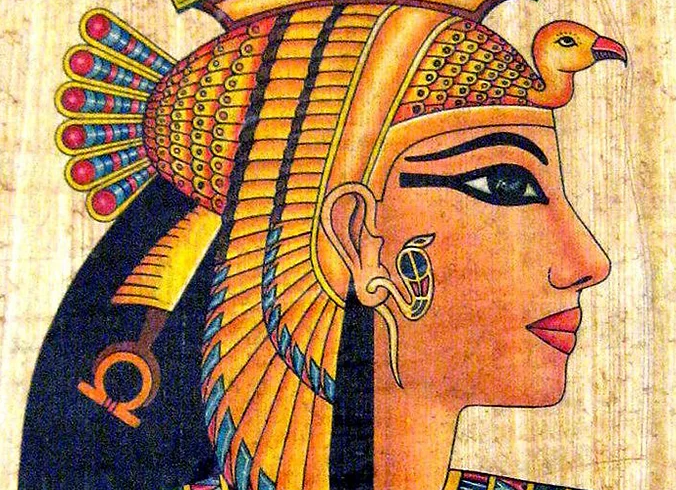
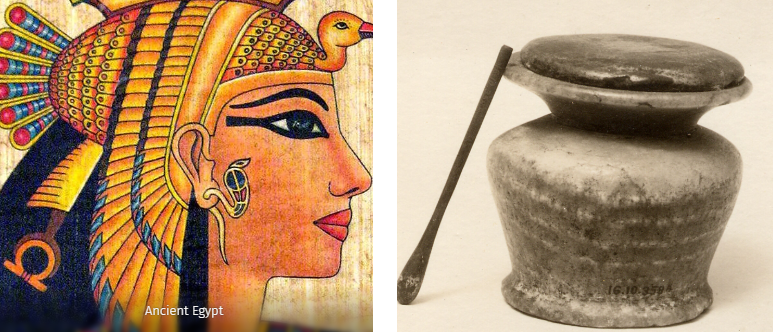
In Ancient Egypt, kohl eyeliner was far more than a cosmetic flourish — it was a daily essential worn by men, women, and children for beauty, protection, and spiritual symbolism. Its iconic black line, seen across tomb paintings and sculptures, became one of the most recognizable features of Egyptian identity.

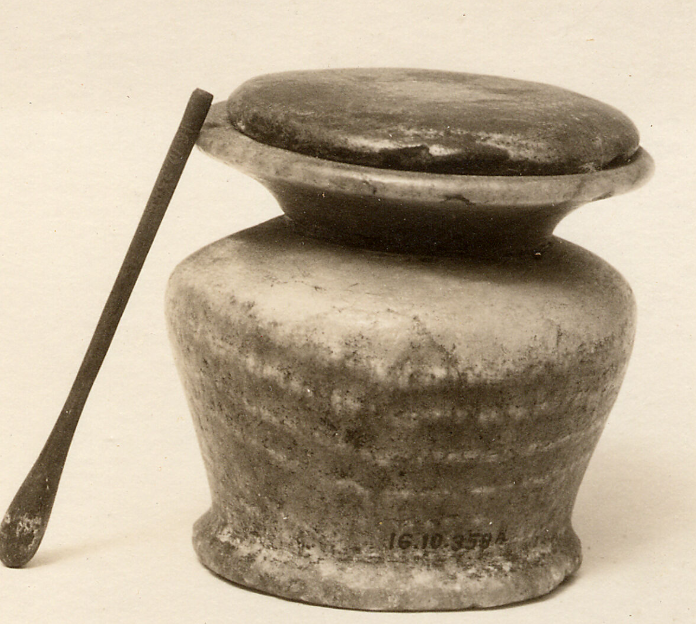
Kohl was made by grinding galena (lead sulfide) or stibnite into a fine powder, then mixing it with fats or oils to create a smooth, long‑wear paste. Egyptians applied it to both the upper and lower lash lines, creating the elongated, almond‑shaped eye that represented the fish of the Nile River. This eye makeup eye liner look was actually referred to as the Eye of Horus, which was a powerful symbol of protection, healing and good health.

Ancient Egypt

Beyond beauty and ritual, kohl served a practical purpose. The dark pigment reduced glare from the intense desert sun, functioning similarly to modern athletic eye‑black. Galena also offered mild antimicrobial benefits, helping protect the eyes from infection — a significant advantage in a climate filled with dust, sand, and harsh light.

Kohl’s blend of artistry, science and spirituality reveals how advanced Egyptian beauty culture truly was. It was a cosmetic, a medicine, and a protective tool, forming one of the earliest examples of beauty serving both aesthetic and functional roles.

I’m Stacey Hobbs, thanks for reading Face by Stace! Until next time.
do you feel fabulous today?
Ancient Greek: Cornstarch + Egg White Skin Tightening

In Ancient Greece, beauty rituals were shaped by observation, practicality, and a deep respect for natural materials. Among their simplest yet most effective treatments was a skin‑tightening blend made from cornstarch and egg whites — a pairing that offered instant lift, clarity, and refinement long before modern skincare vocabulary existed.

Egg whites were prized for their ability to create a temporary tightening effect. When applied to the skin, they dry into a fine film that smooths texture and gives the face a firmer appearance. Greek women used this as a quick preparation step before social gatherings, festivals, or applying scented oils. Cornstarch, already used in cooking and household tasks, added a softening and mattifying quality. It absorbed excess oil, reduced shine, and created a velvety finish that aligned with Greek ideals of balance and natural radiance.

Together, cornstarch and egg whites formed a mask that acted like an ancient primer — refining pores, lifting the complexion, and creating a clean canvas for the herbal salves and perfumes that followed. It was a practical ritual, accessible to all social classes, and rooted in the Greek belief that beauty should enhance harmony rather than conceal it.

What makes this treatment compelling today is its simplicity. In a world of complex formulations, the Greeks remind us that effective skincare can come from the most unassuming ingredients. Their cornstarch‑and‑egg‑white mask remains a testament to timeless, uncomplicated beauty.

I’m Stacey Hobbs, thanks for reading Face by Stace! Until next time.
do you feel fabulous today?
Silky Leek & Potato Soup

Elegant • Cozy • Fall/Winter Wellness

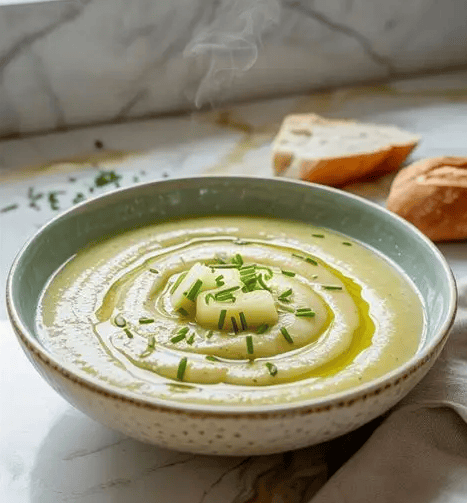
This soup is pure comfort — a glossy, pale‑gold blend of soft leeks and tender potatoes that settles into the bowl with a velvety sheen. The flavour is gentle and refined: sweet leeks, earthy potatoes, and a subtle amount of brightness from the lemon that lifts the entire dish. It’s the kind of soup that feels restorative and hydrating, which is perfect for Autumn and Winter. A soup that is simple, elegant and effortlessly luxurious.

Prep 10 min Cook 25 min Serves 4

Silky Leek & Potato Soup – dinnerendeavor.com/dinnerendeavor.com

Ingredients

2 large leeks, cleaned and sliced
3 medium potatoes, diced
2 tbsp olive oil
2 cloves garlic, minced
4 cups vegetable or chicken broth
1/2 cup cream or coconut milk
1/2 lemon, juiced
to taste salt + pepper
for garnish chives or parsley

Instructions

  1. Sauté the leeks
    Warm olive oil in a pot over medium heat. Add leeks and cook until soft, glossy, and fragrant.
  2. Add garlic
    Stir in garlic and cook for 30 seconds until aromatic.
  3. Simmer the potatoes
    Add diced potatoes and broth. Simmer 15–20 minutes until potatoes are tender.
  4. Blend for silkiness
    Blend the soup until smooth and creamy, either fully or partially for texture.
  5. Finish with cream + lemon
    Stir in cream and lemon juice. Season with salt and pepper.
  6. Serve
    Ladle into bowls and garnish with chives or parsley.

Beauty Benefits

  • Leeks: prebiotic fibre → gut‑skin clarity
  • Potatoes: potassium → hydration + skin balance
  • Olive oil: healthy fats → moisture barrier support
  • Lemon: vitamin C → collagen + brightness

Substitutions

  • Cream → coconut milk (dairy‑free)
  • Potatoes → cauliflower (lighter)
  • Leeks → shallots
  • Broth → bone broth (extra protein)

Storage

  • Refrigerate: 4–5 days
  • Freeze: 2–3 months (add lemon after reheating)
  • Soup thickens in the fridge — thin with broth or warm water

I’m Stacey Hobbs, thanks for reading Face by Stace! Until next time.
do you feel fabulous today?