Why American Flappers Preferred Montréal Over Toronto in the 1920s

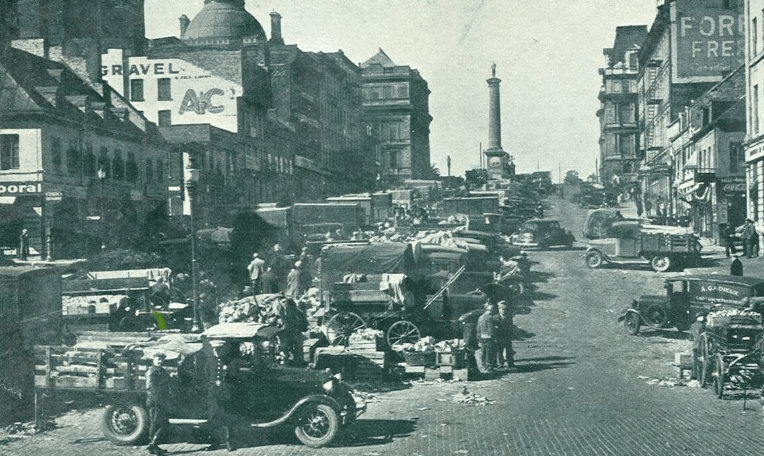
American flappers referred to Montreal as the “Paris of North America” in the 1920s.

When American flappers crossed the border in the 1920s, they weren’t looking for polite nightlife or British‑influenced restraint — they wanted glamour, jazz, freedom and a taste of Europe without crossing the Atlantic. Montréal delivered all of it. Toronto did not.

Montréal was the Paris of North America.
Its cabarets, jazz clubs, dance halls, and late‑night cafés created an atmosphere American flappers instantly recognized: modern, cosmopolitan and deliciously bold. French influence shaped everything — fashion, music, makeup, nightlife — giving Montréal an energy that felt closer to Paris than to any Canadian city.

Toronto, by contrast, was still very British.
Social norms were stricter, nightlife was regulated and flapper behaviour was judged more harshly. Toronto women adopted modern trends, but cautiously: softer bobs, lighter makeup, modest hemlines, and a “refined” approach to flapper style. For American visitors, Toronto felt proper. Montréal felt alive.

Prohibition made Montréal even more irresistible.
While Americans faced strict alcohol bans at home, Montréal’s looser laws created a cross‑border playground. American musicians performed there, American liquor flowed, and American flappers flocked to the city for legal nightlife and French‑infused glamour.

Montréal was also more diverse.
Immigrant communities shaped its beauty and fashion scene — Italian dressmakers, Jewish salons, French perfumers, Caribbean musicians — creating a melting pot of style Toronto didn’t yet have.

In the end, American flappers preferred Montréal because it offered everything Toronto didn’t: freedom, flair, nightlife, modernism, and a European sensibility that made the Jazz Age feel truly electric.

I’m Stacey Hobbs, thanks for reading Face by Stace! Until next time.
do you feel fabulous today?
Canada in the 1940s: War, Work, and Post‑War Femininity

Beauty became more than vanity — it was morale. The government encouraged women to maintain their appearance as a symbol of strength, stability, and national pride. “Looking your best” was framed as contributing to the war effort, boosting spirits at home and abroad.

The 1940s were a decade of extremes for Canada — austerity, sacrifice, patriotism, and then sudden abundance. When WWII began, Canadian women stepped into roles they had never occupied at scale: factory workers, mechanics, welders, farmers, transport drivers and uniformed service members. Rationing shaped daily life, from food to fabric to cosmetics.

Beauty became more than vanity — it was morale. The government encouraged women to maintain their appearance as a symbol of strength, stability, and national pride. “Looking your best” was framed as contributing to the war effort, boosting spirits at home and abroad.

By 1945, the war ended and Canada entered a period of optimism, immigration and economic growth. The post‑war years ushered in a return to femininity, luxury and the desire to reclaim glamour after years of sacrifice.

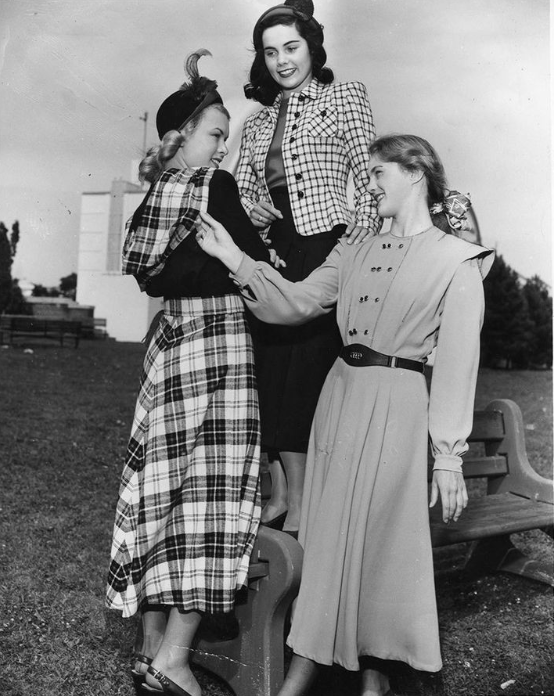
above are Canadian ladies in the 1940s.

Beauty & Fashion Trends

The 1940s produced some of the most recognizable beauty looks in history and Canada embraced them with its own practical twist.

During the War (1940–1945): Practical Glamour

  • Hair: Victory rolls, pinned waves and updos that kept hair away from machinery. Styles were structured, strong and symbolic. Women used setting lotion made from household ingredients, like sugar water or soap flakes, to maintain curls.
  • Makeup: Red lipstick became patriotic. Shades like Victory Red were worn proudly, even when cosmetics were rationed. Brows were defined but natural, and mascara was minimal. Women improvised when products ran out — beet juice for tint, soot mixed with petroleum jelly for lash darkening.
  • Fashion: Utility fashion dominated.
    • Boxy shoulders
    • Knee‑length skirts
    • Durable fabrics
    • Simple lines
      Clothing coupons limited purchases, so women repaired, altered and re-purposed garments. Canadian winters demanded heavier coats and practical boots, even as silhouettes stayed sharp.

Post‑War (1945–1949): The Return of Femininity

  • Hair: Softer curls, brushed waves, and more romantic styles emerged as salons re-opened and products became available again.
  • Makeup: Cosmetics boomed. Powder, rouge, mascara and lipstick returned to abundance. Canadian department stores expanded beauty counters and brands like Elizabeth Arden and Max Factor became household names.
  • Fashion: Dior’s 1947 New Look swept into Canada through Eaton’s (Eaton’s Town Centre) and Holt’s (Holt Renfrew).
    • Nipped waists
    • Full skirts
    • Rounded shoulders
    • Luxurious fabrics
      After years of rationing, women embraced glamour with enthusiasm.

Why These Looks Emerged

The 1940s Canadian beauty look was shaped by necessity, symbolism and emotional recovery.

During the war, beauty was a morale booster — a way to maintain dignity, identity and hope. Looks were practical but polished, strong but feminine. After the war, beauty became a celebration: a reclaiming of softness, luxury and self‑expression after years of sacrifice.

This decade explains why 1940s beauty feels both powerful and romantic because it was born from resilience, patriotism and the desire to rebuild.

I’m Stacey Hobbs, thanks for reading Face by Stace! Until next time.
do you feel fabulous today?
Canada in the 1930s: Depression‑Era Practicality

The New York 1929 stock market crash hit the Canadian market, the Canadian economy, much like it did in America. Canada, like with America, entered The Great Depression.

The 1930s re-shaped Canada more profoundly than many beauty and fashion histories acknowledge. The Great Depression hit Canada harder and longer than the United States, with unemployment soaring and rural communities facing devastating crop failures. Relief camps, migration for work and widespread poverty defined daily life.

Radio became the decade’s cultural heartbeat — broadcasting news, music, and Hollywood glamour into homes that otherwise felt bleak. Canadian families consumed American entertainment, but lived under stricter economic realities. This tension between aspiration and austerity shaped the entire vibe of the decade.

Beauty & Fashion Trends

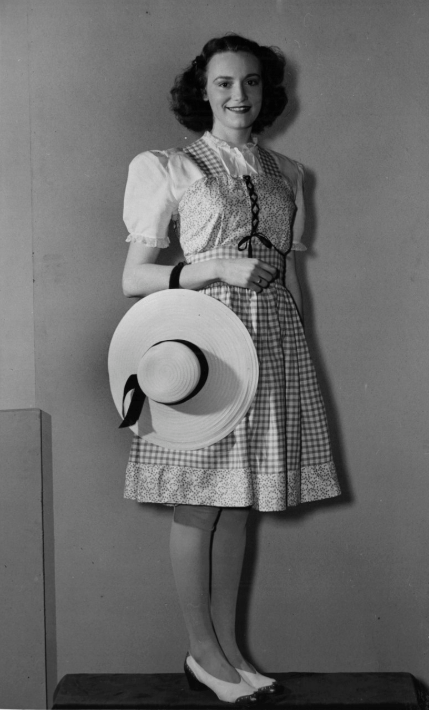
Beauty in 1930s Canada was defined by restraint, resourcefulness, and quiet elegance.

  • Makeup: Women still wore makeup, but sparingly. Rouge was applied lightly, lipstick stayed in safe rose or berry tones, and powder was used to create a matte, “clean” complexion. The goal was to look polished, not indulgent.
  • Hair: Soft waves and controlled curls remained popular, but elaborate salon styles were rare. Women relied on inexpensive home methods: pin curls, setting lotion made from soap flakes, and careful brushing to maintain shape.
  • Fashion: Clothing prioritized durability.
    • Wool, knits, and sturdy cottons dominated.
    • Silhouettes became more structured — narrow shoulders, defined waists, longer hemlines.
    • Winter fashion was essential: heavy coats, practical boots, layered knitwear.
    • Many women re-fashioned older garments, adding new collars or altering hems to stay current without spending.
  • Aspirational Glamour: Hollywood’s influence was enormous. Women admired Jean Harlow’s platinum hair, Greta Garbo’s sculpted brows, and Carole Lombard’s bias‑cut gowns — but Canadian adoption was gentler, more achievable, and filtered through practicality.

Why These Looks Emerged

Beauty in 1930s Canada was a balancing act: hope vs. hardship, glamour vs. survival.

Women wanted to feel beautiful, but economic reality demanded frugality. This produced a uniquely Canadian Depression‑era vibe— one rooted in subtlety, ingenuity, and understated femininity. The looks of the decade weren’t about rebellion or excess; they were about dignity, resilience, and maintaining a sense of self during national struggle.

I’m Stacey Hobbs, thanks for reading Face by Stace! Until next time.
do you feel fabulous today?
Canada in the 1920s: Modernity Arrives, But Conservatively

The 1920s brought modernity to Canada, but not with the same roaring intensity seen in the United States. Canada was still deeply tied to British cultural expectations — modesty, propriety and social restraint. Urbanization accelerated in cities like Toronto, Montréal, Winnipeg, and Vancouver, and immigration diversified the cultural landscape.

Women gained the right to vote provincially throughout the decade, marking a slow but meaningful shift in social autonomy. Jazz clubs; speakeasies existed in the bigger cities, however Canadian speakeasies were more about less prohibition and more European entertainment, such as cabaret (still needed a password for entry much like with American speakeasies; dance halls and department stores introduced new forms of leisure and consumption, but Canadian society remained cautious, measured and observant.

Beauty & Fashion Trends

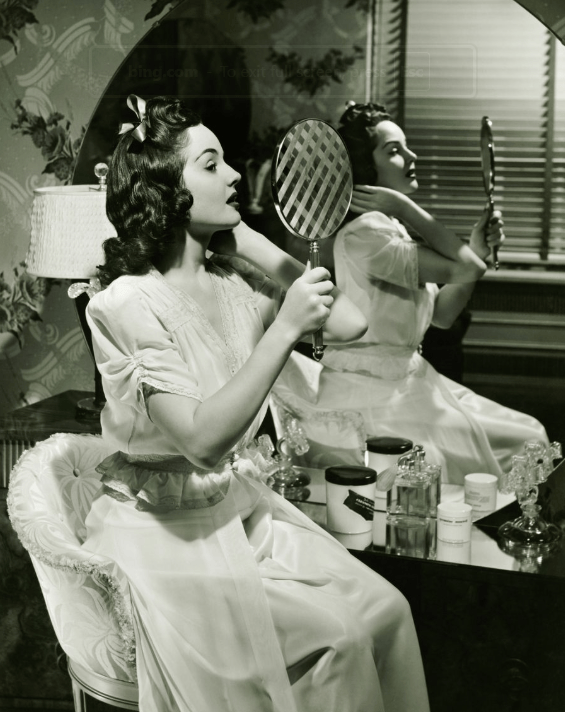
Canadian women embraced the flapper era but with a distinctly Canadian softness.

  • Hair: The bob arrived but many women opted for gentler, waved versions rather than the sharp American cut. Marcel waves and finger waves were popular because they felt feminine and controlled.
  • Makeup: Rouge and lipstick became acceptable but application stayed light. Canadian beauty norms leaned toward “enhanced naturalness” rather than overt glamour.
  • Fashion: Drop-waist dresses, cloche hats and shorter hemlines appeared but silhouettes were less daring than in New York or Chicago. Fabrics were practical and Winter fashion required heavier layering.
  • Retail: Eaton’s, Simpson’s, and Morgan’s department stores introduced beauty counters, making cosmetics more accessible but still framed as respectable, not rebellious.

Why These Looks Emerged

Canada’s 1920s beauty look was shaped by a tension between modernity and modesty. Women wanted to participate in the new era of freedom, but cultural expectations encouraged restraint. The result was a uniquely Canadian flapper look: modern, but softened; expressive, but polite; fashionable, but never too loud.

Did you know: After three years of living in Toronto, in the 1920s, with his first wife, Hadley and their sons, with whom their second son was born in Toronto, Ontario, Canada, Ernest Hemingway stated he did not like living in Toronto for these two reasons only; it was too cold and it was too conservative for his liking.

I’m Stacey Hobbs, thanks for reading Face by Stace! Until next time.
do you feel fabulous today?
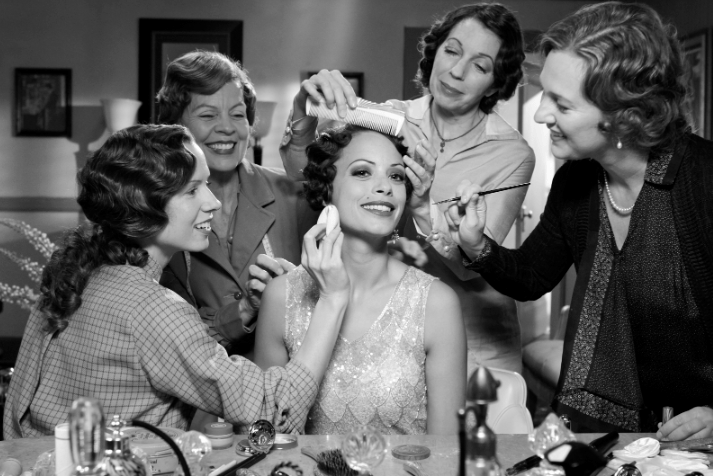
Canada from the 1920s to the 1990s: Social, Political, and Cultural forces that Curated Beauty and Fashion Looks

This is Canada from the 1920s to the 1990s: the social, political, and cultural forces that curated the beauty and fashion looks we recognize today.

Understanding beauty and fashion history isn’t just about the products, the silhouettes or the trends — it’s about the world that shaped them. For years, I’ve walked you through the American cultural landscape of the 1920s through the 1990s: the flapper rebellion, the Depression-era practicality, the post-war glamour, the youthquake, the supermodel era (we will get to this era momentarily).

But Canada’s story is different. Not quieter — different. Influenced by British restraint, French modernism, immigration waves, regional identity, climate and a slower shift toward mass consumerism, Canadian beauty evolved on its own timeline.

To understand why Canadian women wore their hair a certain way, why makeup was adopted cautiously, why silhouettes stayed modest longer or why certain looks exploded later — we need to understand the cultural decades that shaped them.

This is Canada from the 1920s to the 1990s: the social, political, and cultural forces that curated the beauty and fashion looks we recognize today.

1920s — Modernity Arrives, But Conservatively

Cultural backdrop Beauty & fashion trends Why these looks emerged. After three years of living in Toronto, Ernest Hemingway had said he did not like living in Toronto for two reasons; it was cold and too conservative for his liking.

1930s — Depression-Era Practicality

Cultural backdrop Beauty & fashion trends Why these looks emerged

1940s — War, Work, and Post-War Femininity

Cultural backdrop Beauty & fashion trends Why these looks emerged

1950s — Domestic Ideal Meets Consumerism

Cultural backdrop Beauty & fashion trends Why these looks emerged

1960s — Youthquake, Identity, and Modernism

Cultural backdrop Beauty & fashion trends Why these looks emerged

1970s — Naturalism, Regionalism, and Feminism

Cultural backdrop Beauty & fashion trends Why these looks emerged

1980s — Power, Pop Culture, and Excess

Cultural backdrop Beauty & fashion trends Why these looks emerged

1990s — Minimalism, Grunge, and Canadian Cool

Cultural backdrop Beauty & fashion trends Why these looks emerged.

Sit back and enjoy this read on Canada from the 1920s to the 1990s: Social, Political, and Cultural forces that Curated Beauty and Fashion Looks! Enjoy!

I’m Stacey Hobbs, thanks for reading Face by Stace! Until next time.
do you feel fabulous today?
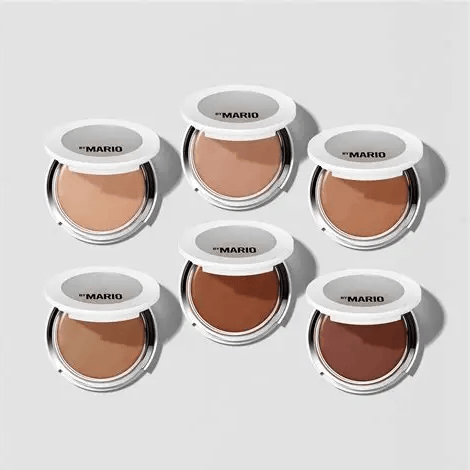
Award-Winner: Makeup by Mario SoftSculpt Transforming Skin Enhancer

Makeup by Mario’s SoftSculpt Transforming Skin Enhancer is a weightless, tinted balm that melts seamlessly into the skin, imparting a warm, natural radiance with effortless dimension. Infused with nourishing oils and micro‑fine pigments, it smooths, evens, and enhances the complexion while subtly sculpting facial contours for a sun‑kissed, healthy glow. The formula transforms from sheer to softly perfected, blurring texture and balancing tone with Mario’s signature artistry. Like with all Makeup by Mario products, Makeup by Mario SoftSculpt Transforming Skin Enhancer is a well-made formula.

Cruely-free
Vegan

Price: $34

For more information, please visit: makeupbymario.com

Have you tried Makeup by Mario SoftSculpt Transforming Skin Enhancer? Let me know, I’d love to hear from you!

I’m Stacey Hobbs, thanks for reading Face by Stace! Until next time.
do you feel fabulous today?