A hydrating‑rich treatment that restores shine, softness and elasticity to dehydrated or heat‑styled hair.
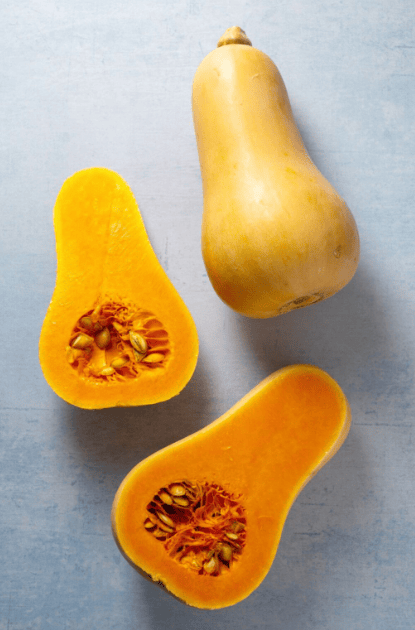
This mask is buttery, smoothing, and ideal for hair that feels brittle from heat tools or dehydrated weather. The natural sugars and vitamins in squash help the hair retain hydration.
Beauty Benefits
Vitamin A + E — support scalp health and encourage stronger strands.
Natural plant sugars — improve slip and softness.
Coconut oil — reduces breakage and enhances shine.
Squash’s natural starches — help smooth frizz and add weightless gloss.
Ingredients
¼ cup cooked, puréed butternut squash
1 tbsp coconut oil (melted)
1 tsp olive oil
Optional: 2–3 drops argan oil for extra shine
Instructions
Blend until silky. Apply from mid‑lengths to ends. Leave on 20 minutes. Rinse thoroughly and shampoo lightly.
Storage
Refrigerate for up to 3 days. Warm slightly before use for easier application.
Substitutions
Replace coconut oil with jojoba oil for fine hair.
Add a teaspoon of aloe for scalp hydration.
I’m Stacey Hobbs, thanks for reading Face by Stace! Until next time. do you feel fabulous today?
A velvety, vitamin‑rich masque that boosts glow, supports collagen, and calms seasonal dehydration or dryness.
This masque feels like a warm autumn treatment — plush, creamy, and deeply comforting. Butternut squash delivers a natural retinol‑adjacent effect without irritation, making it ideal for dull, dehydrated or dry, or tired skin during the cold months.
Beauty Benefits
Beta‑carotene (pro‑vitamin A) — encourages gentle cell turnover, brightens uneven tone, and supports collagen formation.
Vitamin C — helps firm the skin and fade pigmentation.
Natural enzymes — soften texture and refine pores.
Honey — draws moisture into the skin and supports barrier repair.
Yogurt lactic acid — provides mild exfoliation for a smoother finish.
Ingredients
2 tbsp cooked, mashed butternut squash
1 tsp honey
1 tsp plain yogurt
Optional: 1 drop rosehip oil for added radiance
Instructions
Mix all ingredients until creamy. Apply a thin layer to clean skin. Leave on 10–12 minutes. Rinse with warm water.
Storage
Store in a sealed glass container for up to 48 hours in the fridge. Discard if the texture separates or smells sour.
Substitutions
Replace yogurt with aloe gel for sensitive skin.
Replace honey with glycerin for vegan use.
Enjoy!!!
I’m Stacey Hobbs, thanks for reading Face by Stace! Until next time. do you feel fabulous today?
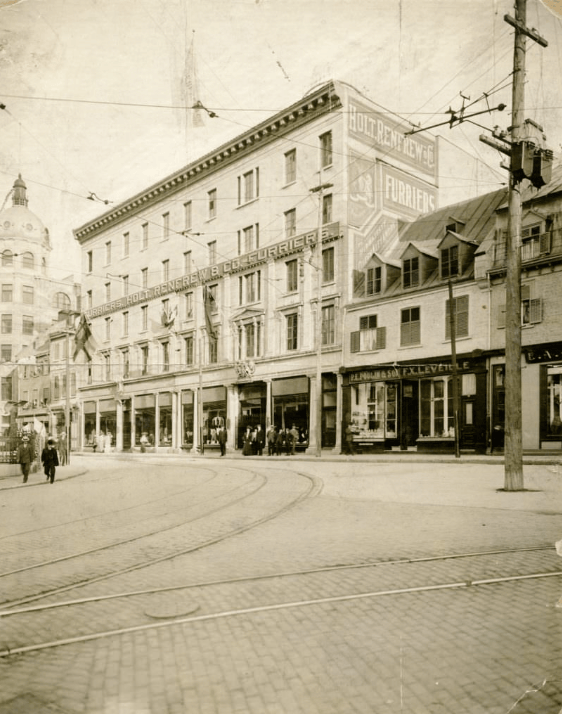
Before Sephora, before beauty influencers, and long before the modern cosmetics industry exploded, Canadian women discovered makeup through a very specific gateway: the department store. In the 1920s, beauty culture in Canada didn’t begin in salons or Hollywood, it began at Eaton’s Centre “Eaton’s”, Simpson’s, Morgan’s, and Holt Renfrew “Holt’s” – Canada’s upscale department store, where the first beauty counters quietly reshaped how Canadian women saw themselves.
Holt Renfrew “Holt’s” – Canada’s upscale department store, 1920s
These counters weren’t just places to buy rouge or powder. They were introductions to modern womanhood. Saleswomen demonstrated how to apply lipstick “properly,” how to use face powder without appearing too bold and how to maintain a clean, respectable complexion. In a country still shaped by British restraint, these counters made cosmetics feel safe, elegant, and socially acceptable.
American beauty marketing leaned toward glamour and rebellion. Canadian advertising leaned toward refinement. Department stores framed makeup as a tool of polished femininity rather than daring self‑expression. Even the displays reflected this: soft lighting, pastel packaging, and messaging that emphasized grace over drama.
These counters also democratized beauty. Middle‑class women could browse, sample and learn — often for the first time. Cosmetics became part of everyday life, not just special occasions. And as Canadian flappers embraced modernity, department stores became the cultural bridge between tradition and trend.
The birth of beauty counters didn’t just sell products. It introduced Canadian women to a new identity: modern, confident and beautifully understated.
I’m Stacey Hobbs, thanks for reading Face by Stace! Until next time. do you feel fabulous today?
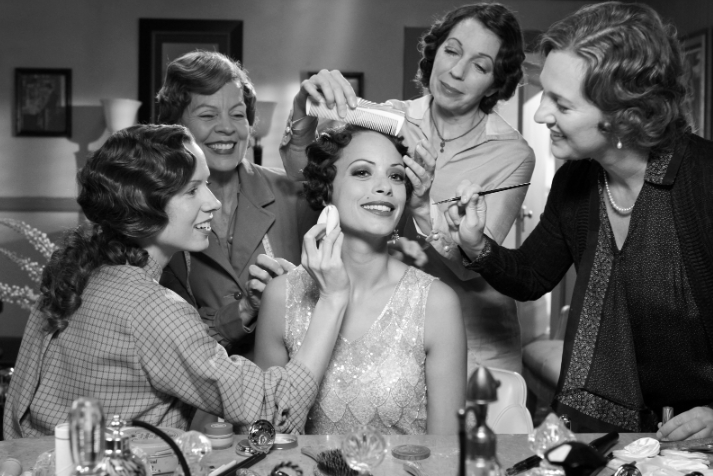
The bob may be the defining haircut of the 1920s, but the Canadian bob had its own personality — softer, wavier and more “proper” than its American counterpart. While American flappers embraced sharp, dramatic cuts that signalled rebellion, Canadian women adopted the bob with a gentler touch, shaped by British restraint, climate and cultural expectations.
A Canadian woman enjoys tea and a book in a warmly lit vintage living room.
Canadian flapper
In Canada, the bob rarely appeared as a blunt, geometric chop. Instead, it was styled with Marcel waves, finger waves and carefully set curls that framed the face. This created a look that felt modern but still feminine — a compromise between embracing the new era and maintaining social respectability. Canadian women wanted the freedom of short hair, but not the shock value.
Climate played a role too. Harsh winters demanded practicality: hair needed structure, hold, and styles that could survive hats, snow, and cold winds. Waves and curls provided durability that a straight, razor‑sharp bob simply couldn’t.
Beauty culture reinforced this softness. Canadian department stores promoted “refined” modernity, encouraging women to adopt trends without appearing too bold. Salon advertisements emphasized elegance, not rebellion. Even early beauty influencers — actresses, singers and socialites — wore bobs that were waved, curled, and impeccably groomed.
The result was a distinctly Canadian version of the iconic 1920s haircut: modern, but polite; fashionable, but controlled; daring, but never too daring. A bob that captured the spirit of the Jazz Age while staying true to Canada’s cultural identity.
I’m Stacey Hobbs, thanks for reading Face by Stace! Until next time. do you feel fabulous today?
This dish is all about Giada’s signature California‑Italian brightness. The orzo is simmered with shallots, garlic, and broth until creamy, then folded with roasted butternut squash, fresh basil, lemon zest and Parmesan.
It’s elegant, comforting, and sophisticated — the kind of autumn pasta that feels both luxurious and light.
2 cups butternut squash, cubed 1 tbsp olive oil 1/2 tsp sea salt 1/4 tsp black pepper 1 tsp lemon zest 1 cup orzo 2 tbsp olive oil 1 shallot, finely chopped 2 cloves garlic, minced 1 cup vegetable broth 1 tbsp lemon juice 1/4 cup Parmesan, finely grated 2 cups fresh spinach 2 tbsp fresh basil, chopped 1 tbsp fresh parsley, chopped Optional toasted pine nuts, extra lemon zest, chili flakes
Instructions
Roast the squash Preheat oven to 400°F (200°C). Toss squash with olive oil, salt, pepper, and lemon zest. Spread on a sheet pan and roast 20–25 minutes until caramelized and golden.
Sauté aromatics Warm olive oil in a skillet over medium heat. Add shallot and cook until soft and fragrant. Add garlic and sauté for 30 seconds.
Toast the orzo Add orzo to the skillet and toast lightly for 1 minute to deepen flavor.
Simmer Pour in vegetable broth and simmer 10 minutes, stirring occasionally, until orzo is tender and creamy.
Add lemon + Parmesan Stir in lemon juice and Parmesan until silky and glossy.
Fold in spinach Add spinach and let it wilt gently into the warm orzo.
Combine Fold roasted squash into the creamy orzo. Add basil and parsley.
Finish Taste and adjust with more lemon, salt, or Parmesan. Serve with toasted pine nuts, extra lemon zest, or chili flakes.
Beauty Benefits
This dish is naturally beauty‑forward thanks to its autumn ingredients:
Butternut Squash
Beta‑carotene → glow + collagen support Converts to vitamin A, supporting skin renewal and radiance.
Vitamin C → brightness + firmness Helps collagen synthesis and reduces dullness.
Vitamin E → moisture barrier support Protects skin from dryness and environmental stress.
Olive Oil
Polyphenols → anti‑inflammatory glow Helps calm redness and nourish the skin barrier.
Healthy fats → supple, hydrated skin
Lemon
Vitamin C → brightening + antioxidant protection Supports collagen and helps even skin tone.
This dish is a skin‑brightening, glow‑enhancing autumn pasta.
History
Butternut squash has been part of Italian cooking for centuries, especially in Northern regions like Lombardy and Veneto, where sweet autumn squash is folded into risottos, veloutés, and filled pastas. Traditionally, Italian cooks pair squash with sage, nutmeg, and Parmigiano‑Reggiano — ingredients that highlight its natural sweetness and velvety texture.
Giada De Laurentiis helped modernize this tradition for a North American audience by introducing California brightness into classic Italian autumn dishes. Her signature style blends:
Italian comfort (creamy textures, Parmesan, herbs)
Mediterranean freshness (lemon, basil, olive oil)
California lightness (clean flavors, minimal heaviness)
This dish reflects that evolution. Instead of a heavy risotto, the orzo cooks quickly and becomes silky with broth and Parmesan — a modern, lighter interpretation of Italian creaminess. The addition of lemon zest and juice is pure Giada: a lift of citrus that brightens the richness of the squash and makes the dish feel fresh, elegant, and refined.
Health Benefits
High in antioxidants (beta‑carotene, vitamin C, vitamin E)
Supports immune health during colder months
Anti‑inflammatory thanks to olive oil + herbs
Gut‑friendly fiber from squash
Balanced macros (carbs, fats, protein from Parmesan)
Energy‑supportive for busy days
Storage
Keeps 3 days in the refrigerator.
Add a splash of broth or warm water when reheating to restore creaminess.
Not ideal for freezing due to the orzo texture.
Substitutions
Orzo → farro, couscous, quinoa, or small pasta
Parmesan → Pecorino, Grana Padano, or nutritional yeast
Olive oil → avocado oil
Add protein → white beans, grilled chicken, shrimp
Add greens → spinach, kale, or arugula
Enjoy this Giada De Laurentiis Inspired: Creamy Orzo with Roasted Butternut Squash & Spinach!
I’m Stacey Hobbs, thanks for reading Face by Stace! Until next time. do you feel fabulous today?