
Maple‑Cranberry Acorn Squash Rosettes (Jillian Harris Inspired)

This dish transforms simple acorn squash into soft golden rosettes, brushed with warm maple butter and finished with glossy cranberries that sparkle like edible jewels. The presentation is feminine and floral — very Jillian Harris — with a cozy West Coast autumn feel. The flavour profile is a balance of caramelized squash, bright cranberries and buttery maple warmth making it perfect for holiday tables, brunch spreads or elegant seasonal recipe.

Prep 15 min Cook 35 min Serves 4

Fall Flavors Unite: Maple Acorn Squash with Cranberries - Maria Recipes
Fall Flavors Unite: Maple Acorn Squash with Cranberries – Maria Recipes/mariarecipes.com

Ingredients

2 acorn squash, sliced into thin crescents
3 tbsp pure maple syrup
2 tbsp melted butter or olive oil
1/2 cup fresh or frozen cranberries
1 tsp fresh thyme leaves
1/4 tsp sea salt
1/4 tsp freshly cracked pepper

Instructions

  1. Prep the squash
    Preheat oven to 400°F (200°C). Slice acorn squash into thin crescents to allow them to curl into rosette shapes as they roast.
  2. Season
    Toss squash slices with maple syrup, melted butter, salt, and pepper until evenly coated.
  3. Arrange
    On a parchment‑lined baking sheet, overlap the slices in circular patterns to form rosettes.
  4. Add cranberries
    Scatter cranberries and thyme over the arranged squash.
  5. Roast
    Bake 30–35 minutes until edges are caramelized and cranberries burst slightly.
  6. Finish
    Drizzle with an extra touch of warm maple syrup before serving for a glossy, Jillian‑style finish.
Maple Roasted Acorn Squash with Cranberry Sauce Delight - Janet Recipe

Maple Roasted Acorn Squash with Cranberry Sauce Delight – Janet Recipe/www.janetrecipe.com

Beauty Benefits

Acorn squash is one of your strongest beauty‑nutrition ingredients. This dish supports:

  • Radiant skin tone — beta‑carotene converts to vitamin A, promoting smooth, bright skin.
  • Collagen support — cranberries provide vitamin C, essential for collagen synthesis.
  • Anti‑inflammatory glow — maple + squash deliver antioxidants that reduce dullness and puffiness.
  • Hydration & plumpness — squash is rich in electrolytes (potassium) that help maintain skin moisture.
  • Healthy cell turnover — vitamin A encourages gentle exfoliation from within.

This is a beauty‑forward autumn dish that aligns perfectly with your editorial brand.

Health Benefits

  • High in fibre — supports digestion and satiety.
  • Rich in antioxidants — protects against oxidative stress.
  • Low glycemic — squash provides slow, steady energy.
  • Immune‑supportive — cranberries + maple contain phytonutrients that help fight inflammation.
  • Heart‑healthy — potassium in squash supports cardiovascular balance.

Historical + Cultural Context

Acorn squash is one of North America’s oldest cultivated foods, grown by Indigenous communities for thousands of years. Traditionally roasted over fire, its natural sweetness made it a staple in autumn and winter meals.

Maple syrup carries deep Canadian heritage — harvested from maple trees by First Nations communities long before European settlement. Cranberries, native to Canada and the northern U.S., were used in pemmican, medicinal tonics and winter preserves.

This dish blends:

  • Indigenous squash tradition
  • Canadian maple heritage
  • Cranberry’s historic winter role
  • Modern Jillian Harris–style feminine plating

It’s a beautiful fusion of cultural roots and contemporary West Coast elegance.

Substitutions

Squash

  • Butternut squash (thinly sliced)
  • Delicata squash (naturally sweeter, no peeling needed)

Cranberries

  • Pomegranate arils
  • Dried cranberries rehydrated in warm water
  • Red currants (for a tart, jewel‑tone finish)

Maple Butter

  • Honey butter
  • Brown‑butter drizzle
  • Vegan butter + maple syrup

Herbs

  • Thyme → rosemary, sage, or lemon thyme
  • Add orange zest for a brighter, Jillian‑style twist

Storage

  • Refrigerator: 3–4 days in an airtight container
  • Reheat: 300°F (150°C) for 10–12 minutes to restore caramelization
  • Freezer: Not recommended — squash becomes mushy and cranberries lose shine
  • Make‑ahead: Roast squash 1 day ahead; add maple + cranberries just before serving

I’m Stacey Hobbs, thanks for reading Face by Stace! Until next time.
do you feel fabulous today?
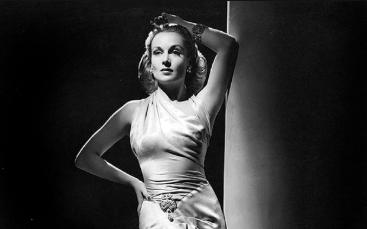
Carole Lombard’s Signature Brow: The Thin Look That Defined 1930s Glamour (Plus How She Influenced Today’s Style)

Carole Lombard’s brows were a defining feature of 1930s Hollywood glamour. In an era obsessed with precision, Lombard embraced the thin, highly penciled brow, a look that shaped her screen persona and aligned her with the decade’s most iconic beauty trends.

The 1930s brow was intentionally dramatic: shaved brows is what they did in the 1930s, they did not pluck/tweeze, they would then re-draw their brows in long, elegant strokes that framed the eyes with expressive intensity. It was often said, the brows were shaped that gave the actresses a surprise look with their brows rounded, thin and placed higher than where natural eyebrows were placed on the face to frame it, was typical in 1930s, not all actors (actresses) followed suit. Lombard mastered this look. Her brows were arched but soft, elongated but never harsh, giving her face a balance of sophistication and emotional range—perfect for the screwball comedies that made her a star. Carole Lombard was well regarded as sophisticated.

This brow style wasn’t accidental. Early Hollywood lighting demanded sharp facial definition and thin brows allowed actresses to control their expressions with surgical precision. Lombard’s penciled arches amplified her comedic timing, making every lifted brow, widened eye or sly glance land with cinematic impact.

What makes her brows compelling today is its cyclical relevance. The thin brow has returned in editorial fashion, resurfacing in runway beauty and high‑gloss magazine shoots. Lombard’s version remains one of the most elegant interpretations — always intentional and shaped to complement her bone structure rather than erase it.

In a decade defined by glamour, Lombard’s arches became part of her identity—a Golden Age Hollywood signature that still inspires modern beauty.

I’m Stacey Hobbs, thanks for reading Face by Stace! Until next time.

do you feel fabulous today?
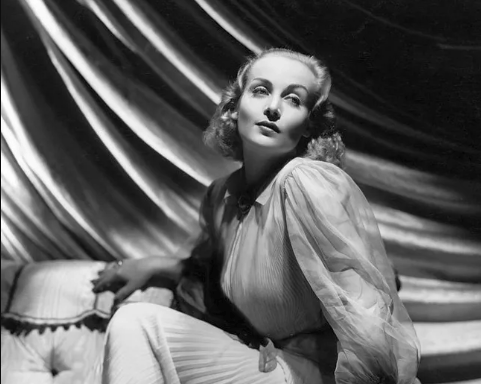
Carole Lombard’s Cleansing Regime: The Discipline Behind Her Hollywood Glow

Carole Lombard’s beauty routine was built on one un-wavering principle: a clean face is a beautiful face. While many of her contemporaries relied on layers of pancake makeup and powder, Lombard approached skincare with a discipline that feels almost modern. Her commitment to cleansing creams—used morning and night—formed the backbone of her routine and kept her complexion clear despite the demands of studio lighting and heavy cosmetics.

Cleansing creams were the gold standard of 1930s skincare but Lombard elevated them from a product to a ritual. She massaged them into the skin to dissolve makeup, dirt, and environmental stressors, then followed with a thorough rinse to ensure no residue remained. This wasn’t vanity; it was practicality. Lombard loved outdoor sports, especially winter activities, which exposed her skin to wind, sun and cold. Cleansing became her way of re-setting the skin after every day’s wear.

Her disciplined approach extended beyond product choice. Lombard believed in consistency—never skipping her routine, never going to bed with makeup on and never letting studio demands override her skincare habits. This commitment gave her the luminous, fresh‑faced look that directors adored and audiences recognized instantly.

In today’s beauty landscape, double cleansing and barrier‑protective routines dominate the conversation. Lombard was already there. Her cleansing ritual wasn’t glamorous, but it was effective, intentional and decades ahead of its time. It’s a reminder that Old Hollywood/Golden Age Hollywood beauty wasn’t always about excess—sometimes, it was about discipline.

I’m Stacey Hobbs, thanks for reading Face by Stace! Until next time.
do you feel fabulous today?
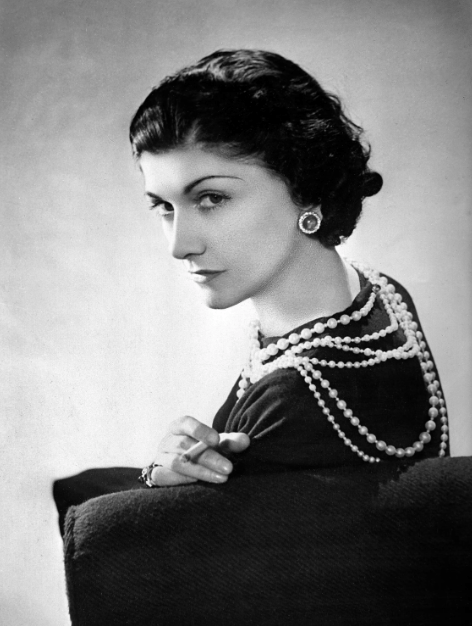
Chanel and Jewelry: The Democratization of Costume Jewelry

When Coco Chanel introduced costume jewelry into high fashion, she didn’t simply create a trend — she re-wrote the social meaning of adornment. In an era when jewelry signaled wealth, lineage and rigid class hierarchy, Chanel shattered the rules with a single radical idea: jewelry should express style. Her vision democratized adornment and transformed how women wore, understood and enjoyed jewelry.

Before Chanel, fine jewelry was the domain of the elite. Diamonds and precious stones were symbols of inheritance and privilege. Chanel rejected that exclusivity. She layered ropes of faux pearls, mixed gilt metals with glass stones and paired costume pieces with real jewels to blur the distinction entirely. Her message was clear: beauty didn’t require authenticity — only intention.

Chanel’s approach liberated women. Costume jewelry allowed them to experiment, to play, to shift their vibe with mood and outfit rather than bank account. It encouraged boldness: oversized cuffs, Byzantine crosses, multi‑strand necklaces and whimsical motifs that would have been un-thinkable in traditional fine jewelry. Chanel made adornment expressive, modern and accessible.

Her innovation also re-shaped the fashion industry. Houses began producing seasonal jewelry collections, treating accessories as integral to silhouette and storytelling. Costume jewelry became a language — one that women across classes could speak.

Chanel didn’t diminish jewelry’s glamour. She expanded it. By democratizing costume jewelry, she gave women permission to adorn themselves with freedom, creativity and confidence.

She didn’t just design jewelry. She redesigned who it was for.

I’m Stacey Hobbs, thank you for reading Face by Stace! Until next time.
do you feel fabulous today?

Carole Lombard’s Hydration Routine: The Seven‑Glass Secret Behind Her Radiant Skin

Carole Lombard’s beauty philosophy was deceptively simple: clarity, discipline and hydration. In an era defined by heavy studio makeup and elaborate beauty tricks, Lombard stood out for a routine that relied less on cosmetics and more on internal wellness. Her most famous habit was drinking seven glasses of water a day, a practice she credited for keeping her skin luminous under the harsh glare of early Hollywood lighting.

Hydration was not a mainstream beauty concept in the 1930s. Most actresses focused on powders, cold creams and studio‑approved products. Lombard, however, understood something modern dermatology now confirms: consistent water intake supports elasticity, clarity and that elusive “camera‑ready glow.” For a woman constantly cast in high‑energy roles—screwball comedies, fast dialogue, expressive movement—hydration became part of her.

She paired this with another essential: sleep. Lombard believed rest was the ultimate cosmetic, refusing late‑night parties when filming and protecting her sleep schedule with near‑athletic discipline. The result was skin that looked fresh even in candid photos, untouched by studio retouching.

Her approach feels startlingly modern. Today’s beauty culture celebrates water intake, sleep hygiene and internal wellness as pillars of radiance. Lombard was doing it nearly a century ago. Her seven‑glass ritual wasn’t just a habit—it was an early guide for the “clean beauty” movement long before the term existed.

I’m Stacey Hobbs, thanks for reading Face by Stace! Until next time.
do you feel fabulous today?
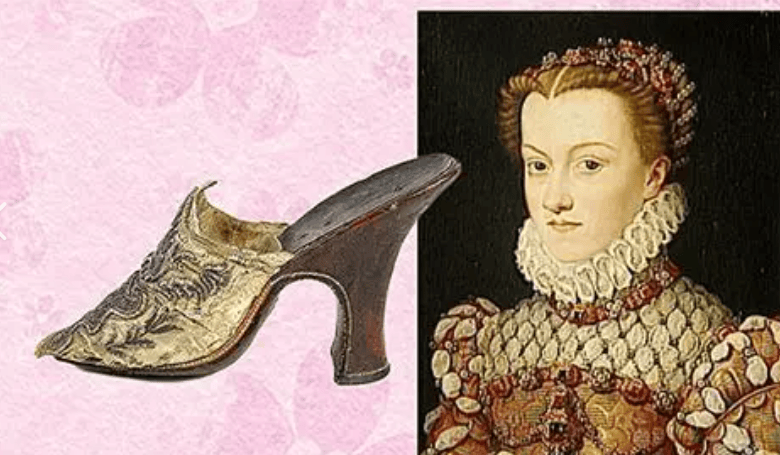
Catherine de Medici: The Birth of the High Heel

Catherine de Medici’s arrival in France in 1533 marked a turning point not only in politics and perfumery, but in fashion itself. Among the treasures she brought from Florence was a pair of 2‑inch heeled shoes, crafted to give the petite young bride height, confidence and presence at her wedding to Henry II. What began as a personal enhancement soon became a cultural revolution.

Before Catherine, elevated footwear existed in functional forms — chopines in Venice, riding heels in Persia — but none were considered objects of feminine elegance. Catherine changed that. Her heeled wedding shoes caused a sensation at the French court, where height symbolized authority and refinement. Aristocratic women quickly adopted the style and the heel evolved from a practical lift into a marker of beauty and sophistication.

Under Catherine’s influence, shoemakers began designing heels not for utility but for aesthetics. Silhouettes narrowed, arches rose, and embellishments appeared. The high heel became part of courtly identity, a sense of power worn by queens, noblewomen and eventually, the entire European elite.

Catherine de Medici didn’t invent the elevated shoe — she transformed it. By introducing the heel into the world of fashion, she set in motion a legacy that would shape centuries of style. The modern high heel with all its symbolism and allure, traces its lineage back to her.

She didn’t just walk into France. She elevated it.

I