
Cranberry‑Thyme Acorn Squash Gratin (Ricardo Inspired)

This gratin blends caramelized acorn squash, fresh thyme and bright cranberries into a warm, Canadian‑autumn dish inspired by Ricardo’s cozy, family‑friendly style. The squash becomes tender and golden, the cream turns silky and the cranberries add a jewel‑tone sparkle and tart contrast.

Prep 20 min Cook 45 min Serves 4

Honey-Glazed Acorn Squash with Goat Cheese & Cranberry Drizzle
Honey-Glazed Acorn Squash with Goat Cheese & Cranberry Drizzle/cozykitchenbymaya.com

Ingredients

2 medium acorn squash, halved, seeded, sliced thin
2 tbsp olive oil
To taste salt & pepper
1 cup heavy cream (or half‑and‑half)
1 garlic clove, grated
1 tsp Dijon mustard
1 tsp fresh thyme leaves
¼ tsp nutmeg
½ cup fresh cranberries
1 tbsp maple syrup
1 tbsp butter
Optional ¼ cup grated Parmesan
Optional 2 tbsp breadcrumbs

Instructions

  1. Roast the squash
    Preheat oven to 400°F (200°C). Toss squash slices with olive oil, salt, and pepper. Roast for 20 minutes until lightly golden.
  2. Prepare the cream mixture
    Whisk cream, garlic, Dijon, thyme, nutmeg, salt, and pepper in a bowl.
  3. Assemble the gratin
    Lower oven to 375°F (190°C). Layer roasted squash in a baking dish. Pour cream mixture over top. Add Parmesan and breadcrumbs if using.
  4. Bake
    Bake for 25–30 minutes until bubbling and lightly browned.
  5. Make the cranberry topping
    In a small pan, melt butter. Add cranberries, maple syrup, and a pinch of salt. Cook 3–4 minutes until glossy and softened.
  6. Finish
    Spoon cranberry mixture over the gratin and garnish with fresh thyme. Serve warm.

Beauty Benefits

  • Beta‑carotene (acorn squash) → brightens skin tone, supports collagen.
  • Cranberries → vitamin C for glow and firmness.
  • Healthy fats (cream) → nourishes the skin barrier.
  • Thyme → anti‑inflammatory, reduces puffiness.

This dish is a beauty‑nutrition powerhouse disguised as comfort food.

Health Benefits

  • High in antioxidants
  • Supports immune health
  • Gentle on digestion
  • Balanced energy from squash
  • Cranberries help reduce inflammation

Substitutions

Squash

  • Butternut squash
  • Delicata squash (no peeling)

Cream

  • Coconut cream
  • Cashew cream
  • Oat cream (lighter)

Cranberries

  • Pomegranate arils
  • Red currants
  • Dried cranberries rehydrated in warm water

Herbs

  • Thyme → rosemary or sage
  • Add orange zest for brightness

Storage

  • Fridge: 3–4 days
  • Reheat: 325°F for 10–12 minutes
  • Freezer: Not ideal — cream may separate
  • Make‑ahead: Assemble fully, bake day‑of; cranberries can be made 2 days ahead

History

Acorn squash is one of North America’s oldest cultivated foods, grown for thousands of years by Indigenous communities who valued it for its sweetness, long storage life and versatility. Cranberries also have deep Indigenous roots, used in pemmican, medicinal tonics and winter preserves. When European settlers adopted these ingredients, they became staples of Canadian autumn cooking. A gratin — traditionally French — blends cream, herbs, and baked vegetables, and Ricardo’s Quebec‑inspired comfort cooking often merges French technique with Canadian seasonal produce. This dish is a modern fusion of Indigenous ingredients, French culinary tradition and cozy Canadian fall flavours.

I’m Stacey Hobbs, thanks for reading Face by Stace! Until next time.
do you feel fabulous today?
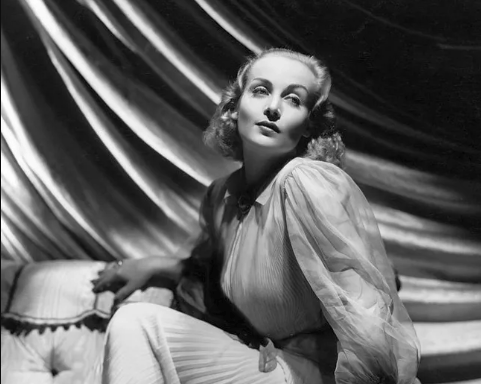
Marlene Dietrich’s Tape Lifts and Razor‑Sharp Contour: The Guide of Cinematic Glamour

Marlene Dietrich was a master of transformation and her beauty techniques were as innovative as her performances. One of her most famous routines was using surgical tape to create instant facelifts. She applied tape near the temples and hairline, pulling the skin upward to sharpen her features and lift her eyes. Under wigs and elaborate hairstyles, the tape was invisible—but the effect was unmistakable.

Dietrich paired this with razor‑sharp cheekbone contouring, using deep shadows to carve her face into dramatic planes. Her makeup artists applied dark shading beneath the cheekbones and bright highlights above them, creating a sculptural contrast that defined her signature look.

But Dietrich didn’t stop at makeup. She demanded specific lighting setups—now known as the “Dietrich light”—that used high, focused beams to accentuate her bone structure and create a halo‑like glow. This lighting became a Hollywood standard, shaping how actresses were filmed for decades.

Dietrich’s beauty was a collaboration between technique, technology and vision. She understood that glamour wasn’t accidental; it was engineered through detail, discipline and innovation. Her tape lifts, contouring and lighting demands formed a guide for modern editorial beauty, proving that she wasn’t just an icon, a talented actor, she was also a strategist.

I’m Stacey Hobbs, thanks for reading Face by Stace! Until next time.

do you feel fabulous today?
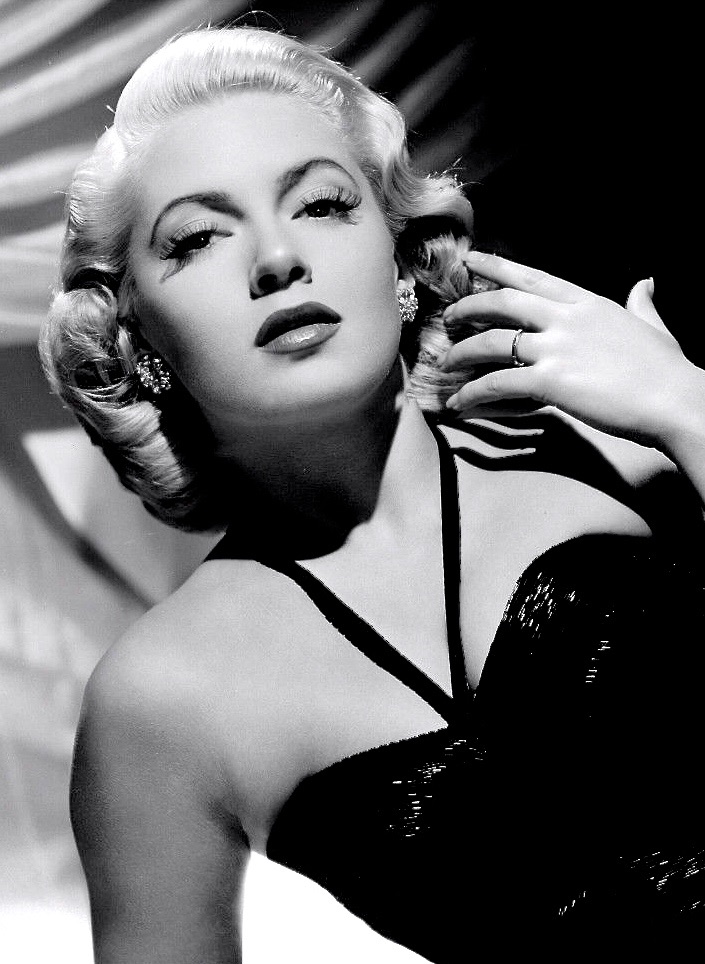
Lana Turner’s Metal Pin Curls: The Painful Architecture Behind Hollywood’s Softest Waves

Lana Turner’s curls were among the most recognizable in Hollywood—structured, glossy and impossibly perfect. But behind that iconic softness was a styling method far less gentle: metal pin curls, the early film industry’s go‑to technique for creating long‑lasting waves. Before heat‑safe rollers and modern curling tools existed, actresses relied on metal clips to secure tight spirals across the entire head, setting their hair overnight to achieve the sculpted glamour audiences adored.

Turner’s stylists used dozens of these pins at a time, arranging them in precise patterns to control the direction, volume and fall of each curl. The method was effective, but it wasn’t comfortable. Metal pins of the era were rigid and unforgiving, capable of tugging at roots or scratching the scalp if an actress shifted during sleep. Turner endured the discomfort because the results were unmatched: curls that held their shape through long shooting days, hot studio lights and the physical demands of performance.

What makes Turner’s pin‑curl regime fascinating today is the contrast between the technique and the final look. On screen, her waves appeared effortless—romantic, soft, and fluid. In reality, they were the product of discipline, patience and a willingness to withstand the less glamorous side of beauty.

Turner’s metal pin curls remind us that Golden Age Hollywood glamour wasn’t accidental. It was engineered through craft, technique, and endurance. Her curls weren’t just styled—they were built, one metal pin at a time.

I’m Stacey Hobbs, thanks for reading Face by Stace! Until next time.

do you feel fabulous today?
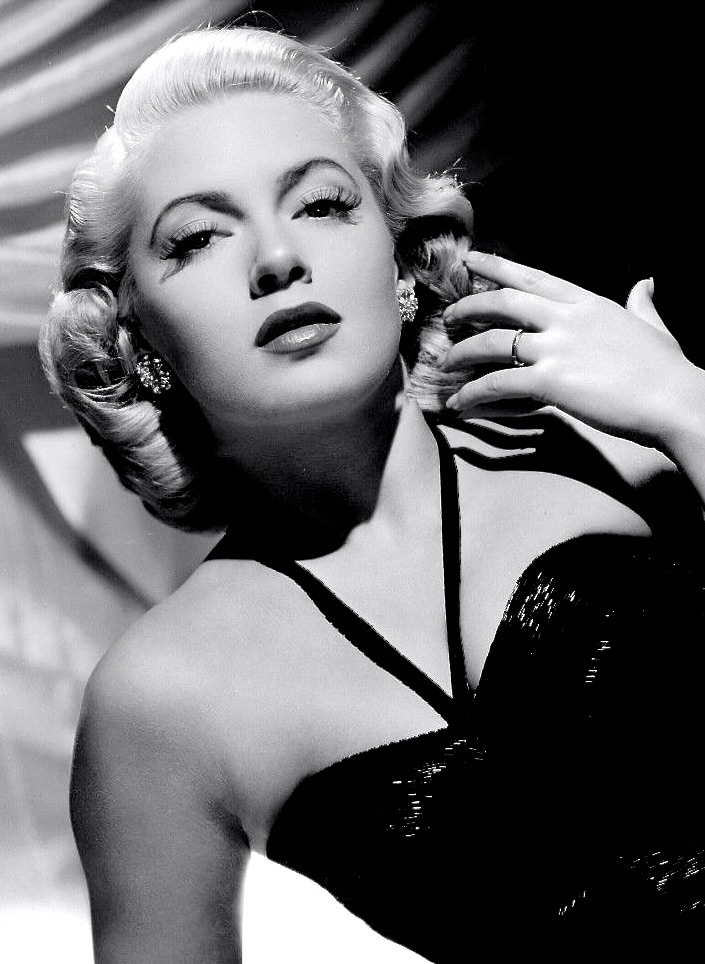
Lana Turner’s Powder‑Heavy Matte Glam: The Velvet Finish of a Hollywood Icon

Lana Turner mastered a beauty look that defined mid‑century glamour: powder‑heavy matte skin. In an era before dewy foundations and luminous primers, matte was the gold standard, especially under studio lighting. Turner embraced it fully, building her look around velvety skin that photographed flawlessly.

Her makeup artists layered translucent powders over matte foundations to eliminate shine and sculpt her features. Matte skin allowed Turner’s curls, lips, and eyes to take centre stage, creating a balanced glamour that felt both polished and approachable. The finish also protected her makeup during long shooting days, preventing melting under intense lights.

Turner’s matte glam wasn’t flat—it was dimensional. She used subtle contouring, soft blush placement, and carefully chosen lip shades to keep her face expressive. The powder acted like a filter, smoothing texture and giving her complexion that iconic Hollywood softness.

Today’s beauty world cycles between matte and dewy trends, but Turner’s version remains timeless. It’s the kind of matte that feels luxurious, not heavy; intentional, not severe. Her powder‑rich routine shows how Old Hollywood actresses used texture as a tool, shaping their screen presence through finish as much as colour.

Turner’s matte glam is a reminder that glamour isn’t just about shine—it’s about control, craft, and knowing exactly how you want to be seen.

I’m Stacey Hobbs, thanks for reading Face by Stace! Until next time.
do you feel fabulous today?

Marlene Dietrich and the Birth of the “Dietrich Light”: Hollywood’s Most Iconic Illumination

Marlene Dietrich didn’t just understand beauty, she understood how beauty behaves under light. Her collaboration with cinematographer Lee Garmes in the early 1930s produced one of Hollywood’s most influential visual innovations: the “Dietrich light.” This wasn’t merely flattering illumination; it was a sculptural technique that transformed Dietrich’s face into an icon of cinematic glamour.

The Dietrich light relied on a high, focused key light aimed directly at her face, paired with carefully controlled shadows. This setup sharpened her cheekbones, intensified her eye sparkle and created a halo‑like glow that became instantly recognizable. Dietrich insisted on precision: the beam had to hit at the exact angle that carved her bone structure into dramatic planes. Makeup and lighting worked together—her razor‑sharp contouring amplified the shadows, while highlights caught the beam and made her skin appear luminous.

Directors quickly learned that Dietrich wasn’t being demanding; she was being visionary. She understood that lighting could shape character, mood and myth. Under the Dietrich light, she became enigmatic, sculptural and almost otherworldly—a look that defined her persona across decades.

The technique became so influential that cinematographers began teaching it as a standard lighting method. Even today, beauty photographers and filmmakers reference Dietrich’s setup when creating high‑glamour portraits.

The Dietrich light wasn’t just a technical innovation. It was a collaboration between an actress who understood her own face and a cinematographer who understood how to immortalize it. Together, they created glamour that still shapes beauty culture nearly a century later.

I’m Stacey Hobbs, thanks for reading Face by Stace! Until next time.

do you feel fabulous today?

Lana Turner: The Lemon‑Juice Highlight Routine Behind Hollywood’s Brightest Blonde

Long before modern highlighting techniques, Lana Turner relied on a simple, surprisingly gentle method: lemon juice. In the 1930s and 1940s, lemon juice was a beauty secret among blondes but Turner used it strategically, applying it to select strands before spending time in the sun. The result was a soft, natural lift that kept her hair bright without the harshness of peroxide.

This technique suited Turner perfectly. Her screen image depended on a luminous, youthful blonde that looked effortless even when it was meticulously maintained. Lemon juice offered a controlled highlight—lightening only the outer layers and giving her curls dimension under studio lights. Directors loved it because her hair caught light beautifully, creating that effect Turner became known for.

What makes this routine compelling today is its simplicity. Turner’s beauty wasn’t built solely on glamour; it was built on practical, accessible tricks that worked. Lemon juice highlights are now considered a nostalgic, natural method but Turner used them as part of a larger hair strategy that kept her blonde iconic locks across decades.

Her highlight ritual reminds us that Golden Age Hollywood beauty wasn’t always about excess. Sometimes, it was about knowing exactly how to enhance what you already have and doing it with intention.

I’m Stacey Hobbs, thanks for reading Face by Stace! Until next time.
do you feel fabulous today?