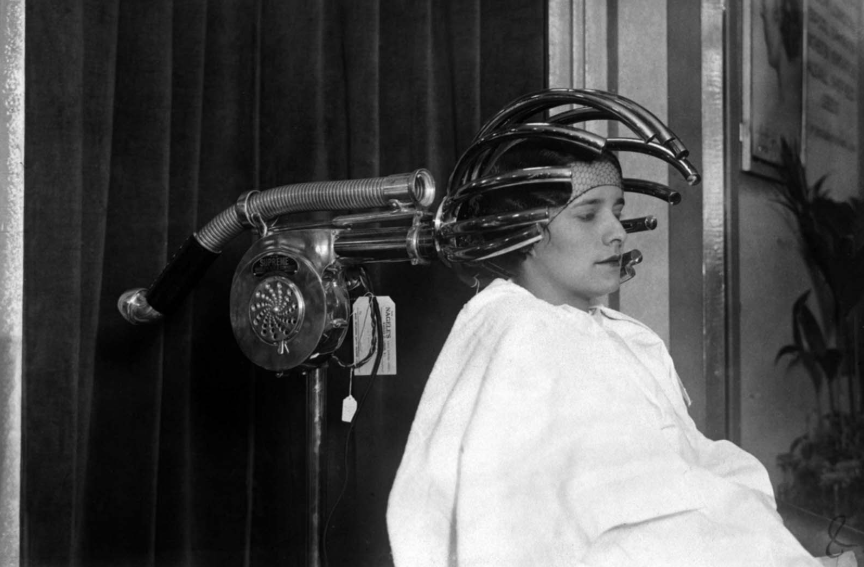
The permanent wave machine, nicknamed the “Electric Octopus,” is one of the most dramatic and un-forgettable inventions in beauty history. Emerging in the 1920s and dominating salons through the 1930s, this towering device used electrically heated metal rods to create long‑lasting curls. Each rod hung from a central unit and was clipped to sections of hair, forming a canopy of wires and coils around the client’s head. The visual effect was astonishing: part beauty routine, part science experiment and entirely emblematic of the Machine Age.
The process was elaborate. Hair was first treated with a chemical waving solution, then wrapped around the heated rods. Clients sat for hours while the machine applied controlled heat to set the curl permanently. Early versions carried risks,burns, over‑processing and discomfort, but the results were transformative. Women could achieve curls that lasted for months, freeing them from daily waving and setting.
The permanent wave machine symbolized the era’s fascination with electrified beauty. Its metallic structure, mechanical arms, and industrial presence reflected the excitement of modern technology entering everyday life. It democratized curls, making elaborate hairstyles accessible to women who previously relied on finger waves or Marcel irons.
Though eventually replaced by safer, more compact perm systems, the Electric Octopus remains an icon of 20th‑century beauty innovation. It represents the moment when salons embraced machinery not just for drying, but for reshaping hair entirely. In the story of beauty technology, the permanent wave machine stands as the boldest, most theatrical chapter.
I’m Stacey Hobbs, thanks for reading Face by Stace! Until next time. do you feel fabulous today?
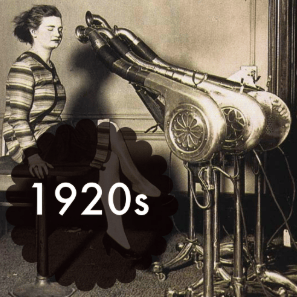
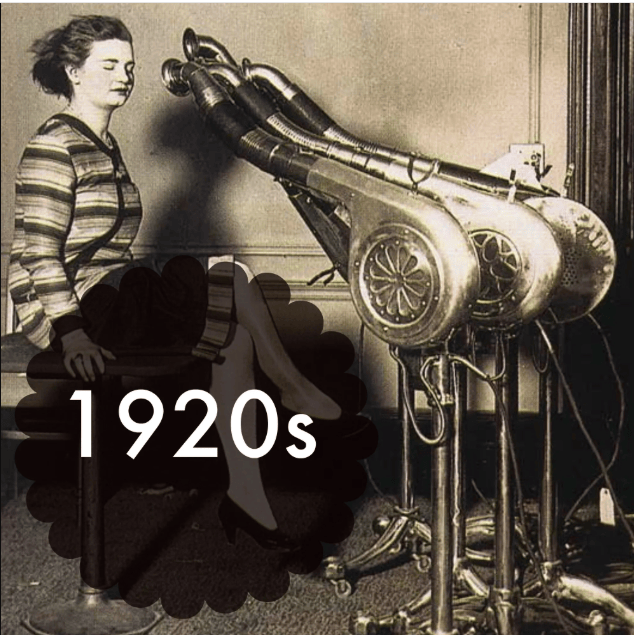
The 1920s multi‑nozzle salon dryer is one of the most striking examples of early beauty technology, an industrial, almost sci‑fi apparatus designed to dry hair quickly and uniformly. Before modern hood dryers became standard, salons relied on machines like this: large, wheeled units fitted with multiple metal hoses that directed warm air toward the client’s head. It was a transitional invention, bridging the gap between the 1890s gas‑heated hood and the 1930s electric bonnet dryer.
These dryers were engineered for efficiency. Flapper bobs, finger waves, and Marcel‑set curls required controlled drying to maintain shape, and the multi‑nozzle system allowed stylists to target specific sections without disturbing the rest of the style. Clients sat beneath the machine with eyes closed, often draped in protective cloths, while warm air circulated through the hoses. The experience was equal parts futuristic and intimidating—an early example of beauty merging with industrial design.
Visually, the machine captured the spirit of the decade. Its chrome surfaces, geometric angles and mechanical complexity of the era’s fascination with modernity and electricity. It looked like something from Metropolis or a laboratory, yet it was simply part of a woman’s weekly salon ritual.
Though eventually replaced by more compact hood dryers, the multi‑nozzle dryer represents a pivotal moment in beauty history. It marked the shift from manual, heat‑based drying to electrically powered salon technology, shaping how hair was styled, set and finished. In the 1920s, beauty wasn’t just glamorous—it was engineered.
I’m Stacey Hobbs, thanks for reading Face by Stace! Until next time. do you feel fabulous today?
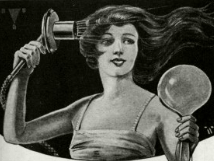
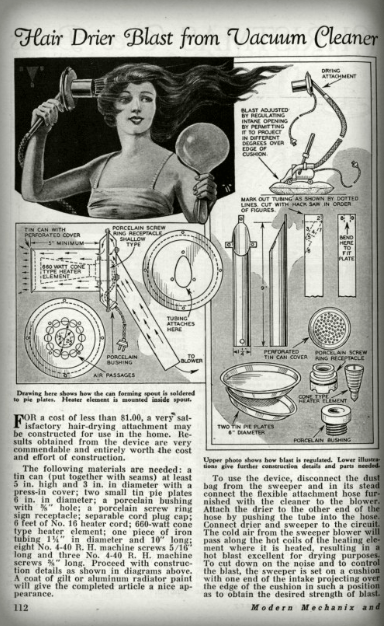
The 1920s blow dryer is one of the most fascinating intersections of beauty, fashion, and early technology. Before this decade, drying hair meant sitting under a gas‑heated hood in a salon—a bulky contraption invented in 1890 that looked more like industrial plumbing than beauty equipment. But by 1920, advances in small electric motors finally made it possible to hold a dryer in one hand, and companies like National Stamping & Electric Works and Hamilton Beach introduced the first consumer models.
These early dryers were nothing like the sleek tools we know today. They weighed nearly a kilogram, produced only about 100 watts of heat, and took a long time to dry the hair. Their airflow was weak, their motors overheated, and electrocution was a genuine risk. Yet women embraced them because they represented freedom: the ability to style hair at home rather than relying solely on salon visits.
Visually, 1920s dryers were stunning. Their chrome bodies, metal vents, and geometric shapes reflected the era’s obsession with machinery and modernity. They looked like miniature robots—part Art Deco, part post‑WWI futurism—capturing the excitement of a world stepping boldly into the age of electricity.
Despite their flaws, these dryers changed beauty culture. Shorter 1920s hairstyles dried faster, making the blow dryer a symbol of the modern woman: efficient, stylish, and technologically empowered. The 1920s blow dryer wasn’t just a tool—it was a cultural shift, marking the moment beauty embraced innovation.
I’m Stacey Hobbs, thanks for reading Face by Stace! Until next time. do you feel fabulous today?
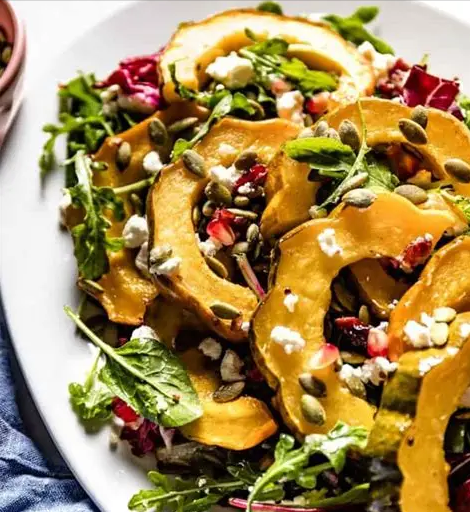
Acorn squash has been cultivated in North America for thousands of years, originally grown by Indigenous communities who valued its sweetness, long storage life, and versatility. Pears, introduced later through European settlers, became a natural autumn pairing thanks to their soft floral sweetness and ability to brighten earthy seasonal produce. Modern wellness‑forward creators like Jar of Lemons helped popularize roasted‑squash salads by combining warm vegetables with fresh greens, citrus‑lifted dressings, and nourishing textures. Your Harvest Acorn Squash Salad continues this lineage — a fusion of Indigenous ingredients, European orchard fruit, and contemporary clean‑eating.
Prep 20 min Cook 45 min Serves 4
15 Best Fall Salad Recipe Ideas (2025) – Foolproof Living/foolproofliving.com
Ingredients
2 medium acorn squash, halved, seeded, sliced thin 2 tbsp olive oil To taste salt & pepper 1 cup heavy cream (or half‑and‑half) 1 garlic clove, grated 1 tsp Dijon mustard 1 tsp fresh thyme leaves ¼ tsp nutmeg ½ cup fresh cranberries 1 tbsp maple syrup 1 tbsp butter Optional ¼ cup grated Parmesan Optional 2 tbsp breadcrumbs
Instructions
Roast the squash Preheat oven to 400°F (200°C). Toss squash slices with olive oil, salt, and pepper. Roast for 20 minutes until lightly golden.
Prepare the cream mixture Whisk cream, garlic, Dijon, thyme, nutmeg, salt, and pepper in a bowl.
Assemble the gratin Lower oven to 375°F (190°C). Layer roasted squash in a baking dish. Pour cream mixture over top. Add Parmesan and breadcrumbs if using.
Bake Bake for 25–30 minutes until bubbling and lightly browned.
Make the cranberry topping In a small pan, melt butter. Add cranberries, maple syrup, and a pinch of salt. Cook 3–4 minutes until glossy and softened.
Finish Spoon cranberry mixture over the gratin and garnish with fresh thyme. Serve warm.
Beauty Benefits
This salad is a glow‑boosting autumn beauty dish. Acorn squash delivers beta‑carotene, which converts to vitamin A and supports bright, even skin tone. Pears add hydrating natural sugars and vitamin C, helping collagen production and reducing dullness. Greens like spinach or arugula provide folate and antioxidants that support healthy cell turnover. Pepitas add zinc, essential for clear skin and hormonal balance. The citrus dressing enhances absorption of antioxidants, giving the entire dish a fresh, radiant finish.
Health Benefits
This salad is nutrient‑dense and naturally energizing. Acorn squash provides fibre, potassium and slow‑release carbohydrates for steady energy. Pears support digestion and gut health. Greens offer iron, folate, and phytonutrients. Pepitas contribute healthy fats, protein, and minerals like magnesium. The citrus vinaigrette adds vitamin C, supporting immunity and reducing inflammation. It’s a balanced, wholesome autumn meal that feels light yet satisfying.
Substitutions
Squash:
Butternut squash (sweeter, creamier)
Delicata squash (no peeling required)
Greens:
Baby kale
Mixed greens
Arugula (for a peppery Jar‑of‑Lemons vibe)
Pears:
Apples (Honeycrisp or Pink Lady)
Fuyu persimmons (ultra‑autumn, sweet)
Pepitas:
Walnuts
Pecans
Almonds
Sunflower seeds (nut‑free option)
Cheese (optional):
Feta → goat cheese, Parmesan shavings, or vegan feta
Dressing:
Lemon → orange or apple cider vinegar
Honey → maple syrup
Storage
Fridge: 2–3 days if stored undressed
Dressed salad: Best enjoyed within 24 hours
Make‑ahead:
Roast squash up to 3 days ahead
Slice pears day‑of to prevent browning
Keep dressing separate until serving
Freezer: Not recommended — greens and pears lose texture
History
Acorn squash is one of North America’s oldest cultivated foods, grown for thousands of years by Indigenous communities who valued its sweetness, long storage life, and versatility. Pears arrived later through European settlers and quickly became a staple in Canadian autumn cooking thanks to their orchard‑fresh sweetness. Modern wellness creators like Jar of Lemons helped popularize warm‑and‑cold seasonal salads by pairing roasted vegetables with fresh greens, fruit, and bright citrus dressings.
I’m Stacey Hobbs, thanks for reading Face by Stace! Until next time. do you feel fabulous today?
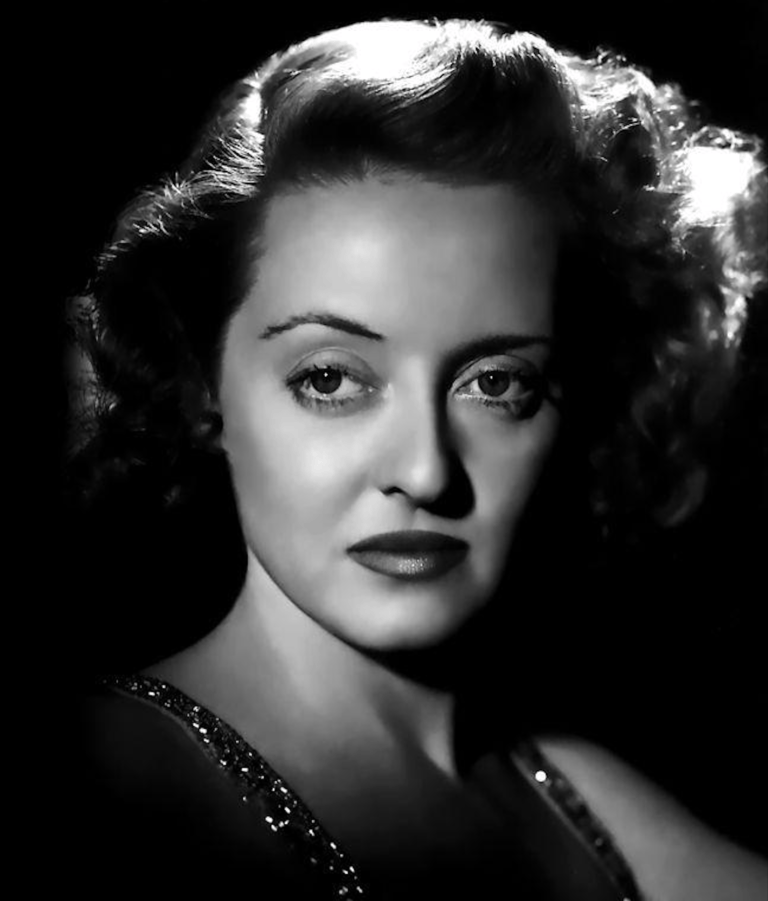
Few features in Hollywood history have achieved mythic status but Bette Davis’s eyes did. Their shape, intensity and emotional range became shorthand for a certain kind of cinematic electricity. Her gaze could communicate vulnerability, rage, seduction or defiance without a single line of dialogue.
Directors framed scenes around her eyes, lighting them to catch reflections and deepen shadows. Audiences responded so strongly that her eyes became a cultural symbol—immortalized in music, fashion and beauty.
Her eyes weren’t just beautiful; they were expressive instruments. They defined her legacy and re-shaped how Hollywood understood the power of facial storytelling.
I’m Stacey Hobbs, thanks for reading Face by Stace! Until next time. do you feel fabulous today?
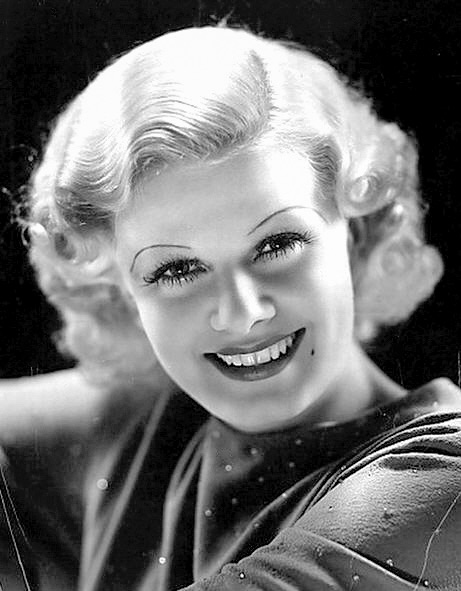
Jean Harlow’s beauty routine helped define early Hollywood glamour. She used cold cream as a foundation, applying it as a base before powder to create her signature porcelain finish. This technique softened the skin, added glow and helped makeup adhere under intense studio lighting.
Her brows were bleached nearly invisible, a radical choice that intensified her platinum hair and gave her face an ethereal, otherworldly quality. To add dimension, she used Vaseline on her eyelids, creating a glossy sheen that caught light beautifully.
Harlow’s look was extreme, intentional and unforgettable—an early example of beauty as cinematic branding.
I’m Stacey Hobbs, thanks for reading Face by Stace! Until next time.