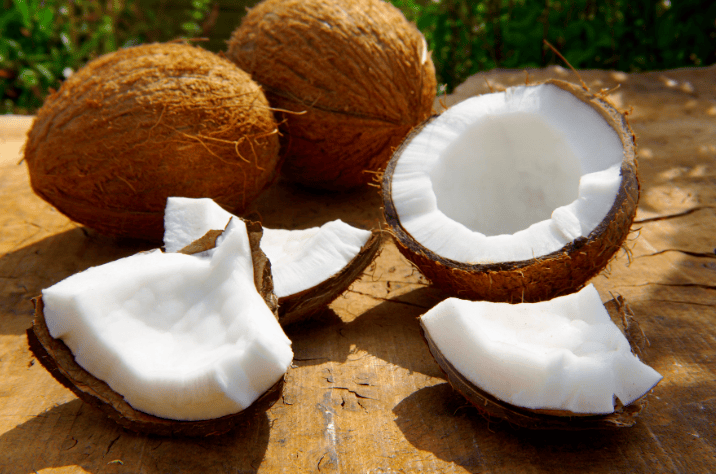
Food and Beauty Recipes: Coconut Series: Coconut Sugar Scrub

There are ingredients that feel sun‑kissed even in the middle of winter and coconut has always been one of them. Long before it became a modern wellness staple, coconut was woven into beauty routines across tropical regions, which has developed into a form of nourishment, softness and the kind of natural radiance that doesn’t need embellishment.

Historical Notes
Coconut has been used in beauty rituals for centuries across South Asia, Polynesia, and the Caribbean. In Ayurvedic tradition, coconut oil was considered a cooling ingredient — used to soothe the skin, calm inflammation, and nourish hair. Polynesian women used coconut oil daily to protect their skin from sun and saltwater, creating the signature glossy glow associated with island beauty. In the 1950s, Hollywood adopted coconut oil as a pre‑beach ritual, linking it to bronzed, glamorous summer skin.

Coconut’s longevity in beauty culture comes from its versatility: food, oil, milk, and scent — all tied to nourishment and softness.

Today, coconut remains one of the most versatile ingredients in the food‑and‑beauty world — a quiet reminder that radiance often comes from simplicity.

Coconut Beauty Benefits

Skin Softening
Coconut oil melts into the skin, leaving it supple, moisturized, and subtly luminous. Its natural fatty acids help reinforce the skin barrier, making it ideal for dry climates or winter months.

Hair Nourishment
Used as a pre‑wash treatment, coconut oil helps reduce protein loss in hair, leaving strands smoother, shinier, and more resilient.

Gentle Exfoliation
Combined with sugar or fine salt, coconut oil becomes a lush, hydrating scrub that polishes the skin without stripping it.

Inner Wellness
Coconut milk and coconut water offer hydration and healthy fats that support skin from within — beauty that begins in the kitchen.

Coconut Sugar Glow Scrub

A tropical, exfoliating, skin‑brightening scrub inspired by global coconut beauty rituals — perfect for soft, radiant, summer‑ready skin.

Prep 5 min  Cook 0 min  Serves 1 jar

Ingredients

  • 1/2 cup Coconut oil (melted but not hot)
  • 1 cup Granulated sugar or coconut sugar
  • 1 tbsp Honey
  • 1 tsp Vanilla extract
  • (Optional) A few drops lavender or coconut fragrance oil

Instructions

  1. Combine dry ingredients
    Add sugar to a bowl and break up any clumps until fine and even.
  2. Add coconut oil
    Pour in melted coconut oil and mix until the texture resembles wet sand.
  3. Sweeten + soften
    Stir in honey for added moisture and glow.
  4. Add fragrance
    Mix in vanilla or essential oils for a soft, tropical scent.
  5. Store
    Transfer to a clean jar. Use within 2–3 weeks.
  6. Use
    Massage onto damp skin in circular motions, then rinse. Avoid face if sensitive.

Historical Context
Coconut scrubs trace back to Polynesian and Pacific Island beauty rituals, where women used coconut oil and crushed shells or sand to exfoliate and soften skin after long days in sun and saltwater. Coconut oil was considered a sacred beauty ingredient — protective, moisturizing and symbolic of vitality.

Sugar scrubs emerged in Victorian beauty culture, where women used fine sugar and oils to polish the skin before social events. When coconut oil entered Western markets in the early 20th century, the two traditions merged, creating the modern coconut sugar scrub: tropical and glow‑forward.

This recipe is a contemporary expression of that lineage — simple, luxurious and rooted in global beauty heritage.

Beauty Benefits

Coconut Oil

  • Deep hydration
  • Strengthens skin barrier
  • Leaves a natural glow

Sugar

  • Gentle physical exfoliation
  • Removes dull, dry skin
  • Helps improve texture

Honey

  • Humectant → draws moisture in
  • Antibacterial → supports clearer skin

Vanilla / Lavender

  • Calming aromatherapy
  • Adds a soft, feminine scent

Coconut has always been more than an ingredient. Across this series, it revealed itself as a global beauty symbol — a thread running through tropical cuisines, ancestral hair rituals, wellness movements and modern clean‑eating culture. Every creator explored illuminated a different facet of coconut’s personality:

  • Jillian Harris brought out its bright, comfort.
  • Love & Lemons highlighted coconut’s citrus‑fresh, plant‑forward elegance.
  • Tori Wesszer leaned into coconut’s gentle, nurturing wellness.
  • The Recipe Critic revealed its bold, crispy, weeknight versatility.
  • Giada De Laurentiis paired coconut with Italian lightness and coastal refinement.
  • Gordon Ramsay showcased coconut’s ability to stand up to heat, spice and intensity.
  • Ricardo Cuisine grounded coconut in warm, rustic, Québécois‑meets‑global comfort.
  • Pardon Your French connected coconut to nostalgic French provincial baking.

I’m Stacey Hobbs, thanks for reading Face by Stace! Until next time.
do you feel fabulous today?
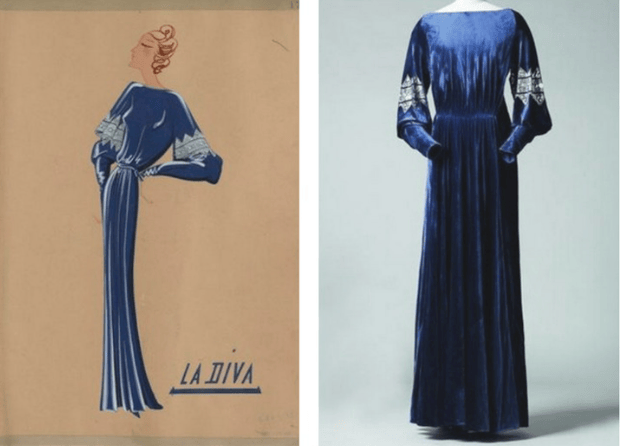
LANVIN Part 4: Jeanne Lanvin: The Architecture of Elegance

The Woman Who Built a World

By the time Jeanne Lanvin reached the height of her career, she was no longer simply a couturière — she was an architect of elegance. Her work didn’t just dress women; it shaped how they moved, how they felt and how they understood femininity in a rapidly changing world.

Lanvin’s legacy is often described as “refined,” “feminine,” or “decorative,” but these words barely scratch the surface. What she built was a complete universe— one defined by craftsmanship, colour, intimacy and emotional intelligence.

This chapter explores the architecture of that universe.

1. The Atelier as a Sanctuary
Lanvin’s atelier was not a factory of fashion; it was a sanctuary of craft.

Inside her workrooms:

  • embroidery was treated like fine art
  • fabric was handled with reverence
  • silhouettes were sculpted not sewn
  • artisans were collaborators not labourers

Lanvin believed that beauty required devotion. Her atelier embodied that belief.

Where Chanel stripped fashion down to its essentials, Lanvin elevated it through detail — beadwork, appliqué, metallic threads, hand‑finished hems. Her garments were not merely worn; they were experienced.

This devotion to craft became the backbone of her legacy.

2. The Emotional Blueprint: Motherhood as Muse
Lanvin’s daughter, Marguerite, was not just her muse — she was the emotional blueprint of the entire house.

The mother‑daughter bond shaped:

  • the softness of Lanvin silhouettes
  • the romanticism of her colour palette
  • the tenderness of her embroidery
  • the intimacy of her couture philosophy

Lanvin understood women not as fashion subjects but as emotional beings. Her designs reflected:

  • protection
  • affection
  • celebration
  • continuity

This is why her clothes feel different. They carry emotional architecture — a sense of care stitched into every seam.

3. The Colour That Became a Signature: Lanvin Blue
Lanvin Blue is one of the most iconic colours in fashion history — a deep, celestial, almost spiritual shade inspired by Renaissance paintings.

It became:

  • her signature
  • her identity
  • her visual language

Lanvin Blue communicated:

  • serenity
  • nobility
  • timelessness
  • femininity without fragility

In an era obsessed with black (Chanel) and surrealist shock (Schiaparelli), Lanvin Blue stood as a quiet rebellion — a reminder that elegance could be powerful without being loud.

4. The Robe de Style: A Couture Revolution
The robe de style is Lanvin’s most famous silhouette — a structured, pannier‑inspired gown that blended:

  • 18th‑century shape
  • 20th‑century modernity
  • Lanvin’s signature femininity

It was revolutionary because it defied the era.

While the 1920s embraced:

  • straight lines
  • boyish silhouettes
  • androgyny

Lanvin offered:

  • curves
  • volume
  • romanticism
  • historical reference

The robe de style became a symbol of her house — a silhouette that honoured tradition while feeling modern.

It is still studied in museums today.

5. The House That Expanded Beyond Couture
Lanvin was one of the first designers to understand that a fashion house could be more than clothing.

She expanded into:

  • children’s wear
  • menswear
  • home décor
  • fragrance (Arpège)
  • interior design
  • lifestyle branding

Arpège, launched in 1927, remains one of the most iconic perfumes in the world — a testament to her ability to translate emotion into scent.

Lanvin built a lifestyle brand before lifestyle branding existed.

6. The Quiet Power of Her Legacy
Lanvin’s legacy is not loud — it is enduring.

She left behind:

  • a couture archive revered by historians
  • a colour that became immortal
  • a silhouette that defined an era
  • a fragrance that still whispers her name
  • a philosophy rooted in care, craft and emotional intelligence

Her influence lives in:

  • Valentino’s romanticism
  • Dior’s femininity
  • modern couture embroidery
  • museum exhibitions around the world

Lanvin proved that elegance is not a trend — it is a language.

7. Why Lanvin Still Matters
In a fashion world obsessed with spectacle, Lanvin’s work reminds us that:

  • beauty can be quiet
  • femininity can be powerful
  • craft can be revolutionary
  • emotion can be a design principle

Lanvin’s world was built on:

  • devotion
  • detail
  • intimacy
  • artistry

And that world still feels modern.

I’m Stacey Hobbs, thanks for reading Face by Stace! Until next time.
do you feel fabulous today?
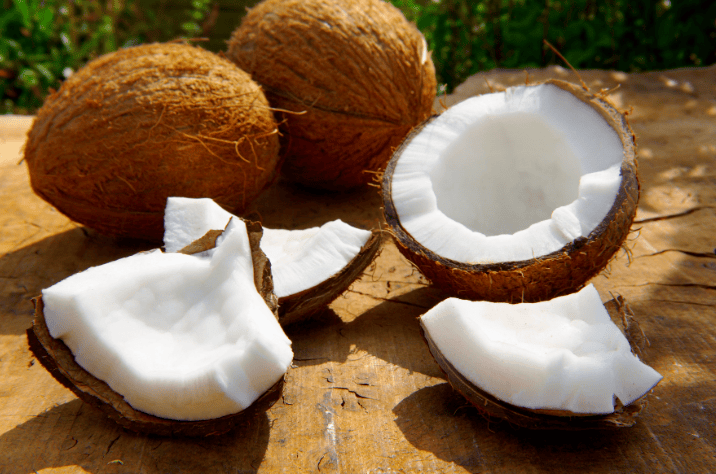
Food and Beauty Recipes: Coconut Series: Ultra‑Nourishing Coconut Hair Repair Mask

There are ingredients that feel sun‑kissed even in the middle of winter, and coconut has always been one of them. Long before it became a modern wellness staple, coconut was woven into beauty rituals across tropical regions — a symbol of nourishment, softness, and the kind of natural radiance that doesn’t need embellishment.

Historical Notes
Coconut has been used in beauty rituals for centuries across South Asia, Polynesia, and the Caribbean. In Ayurvedic tradition, coconut oil was considered a cooling ingredient — used to soothe the skin, calm inflammation, and nourish hair. Polynesian women used coconut oil daily to protect their skin from sun and saltwater, creating the signature glossy glow associated with island beauty. In the 1950s, Hollywood adopted coconut oil as a pre‑beach ritual, linking it to bronzed, glamorous summer skin.

Coconut’s longevity in beauty culture comes from its versatility: food, oil, milk, and scent — all tied to nourishment and softness.

Today, coconut remains one of the most versatile ingredients in the food‑and‑beauty world — a quiet reminder that radiance often comes from simplicity.

Coconut Beauty Benefits

Skin Softening
Coconut oil melts into the skin, leaving it supple, moisturized, and subtly luminous. Its natural fatty acids help reinforce the skin barrier, making it ideal for dry climates or winter months.

Hair Nourishment
Used as a pre‑wash treatment, coconut oil helps reduce protein loss in hair, leaving strands smoother, shinier, and more resilient.

Gentle Exfoliation
Combined with sugar or fine salt, coconut oil becomes a lush, hydrating scrub that polishes the skin without stripping it.

Inner Wellness
Coconut milk and coconut water offer hydration and healthy fats that support skin from within — beauty that begins in the kitchen.

Ultra‑Nourishing Coconut Hair Repair Mask

A deep‑conditioning, shine‑boosting, breakage‑reducing mask inspired by global coconut beauty rituals.

Prep 5 min  Cook 0 min  Serves 1 treatment

Ingredients

  • 2 tbsp Organic coconut oil
  • 1 tbsp Honey
  • 1 tbsp Aloe gel or conditioner
  • 3–5 drops Argan oil (optional for shine)
  • 2–3 drops Lavender or tea tree oil (optional for scalp health)

Instructions

  1. Warm the base
    Gently warm the coconut oil until softened but not hot.
  2. Blend the mask
    Stir in honey, aloe or conditioner, and optional oils until creamy.
  3. Apply generously
    Work through damp hair from mid‑lengths to ends; apply lightly at roots if scalp is dry.
  4. Let it work
    Leave on for 20–30 minutes under a shower cap for deeper penetration.
  5. Rinse + cleanse
    Rinse thoroughly, then shampoo once to remove excess oil.
  6. Finish
    Air‑dry or blow‑dry on low heat for a glossy, nourished finish.

Beauty Benefits

Coconut Oil — deeply hydrates, strengthens the hair shaft, reduces breakage, and restores shine. 
Honey — humectant that draws moisture into dry strands; adds softness and slip. 
Aloe / Conditioner — soothes scalp, reduces frizz, and improves manageability. Argan Oil — boosts shine, smooths cuticles, and protects from heat.
Lavender / Tea Tree — calms scalp irritation and supports follicle health.

Historical Context
Coconut hair treatments originate in South Asian and Polynesian beauty rituals where women used coconut oil to protect hair from sun, saltwater and humidity. Honey appears in Egyptian beauty texts, prized for its moisture‑locking properties. By the 1930s, coconut‑oil hair creams appeared in Western beauty catalogs, marketed as “exotic conditioners” promising shine and softness. Today’s clean‑beauty movement has revived these ancestral rituals, celebrating coconut as a natural, glow‑forward hair hero.

Coconut has always been more than an ingredient. Across this series, it revealed itself as a global beauty symbol — a thread running through tropical cuisines, ancestral hair rituals, wellness movements and modern clean‑eating culture. Every creator explored illuminated a different facet of coconut’s personality:

  • Jillian Harris brought out its bright, feminine comfort.
  • Love & Lemons highlighted coconut’s citrus‑fresh, plant‑forward elegance.
  • Tori Wesszer leaned into coconut’s gentle, nurturing wellness.
  • The Recipe Critic revealed its bold, crispy, weeknight versatility.
  • Giada De Laurentiis paired coconut with Italian lightness and coastal refinement.
  • Gordon Ramsay showcased coconut’s ability to stand up to heat, spice, and intensity.
  • Ricardo Cuisine grounded coconut in warm, rustic, Québécois‑meets‑global comfort.
  • Pardon Your French connected coconut to nostalgic French provincial baking.

I’m Stacey Hobbs, thanks for reading Face by Stace! Until next time.
do you feel fabulous today?
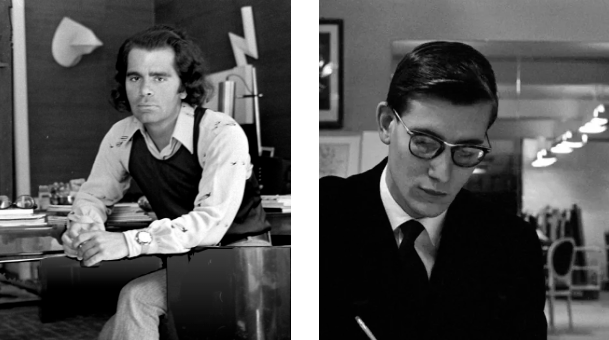
Karl Lagerfeld: Part 1: When Two Geniuses Collide

Paris, 1950s–60s: The City of Couture Kings

You see, Paris has crowned its designers like monarchs however it tends to not tolerate two kings at once. When Yves Saint Laurent and Karl Lagerfeld entered the fashion world, they weren’t just young talents. 
They were prodigies. 
They were threats. 
They were the future.

And Paris knew immediately: 

there wasn’t room for both.

Their rivalry didn’t begin with scandal. It began with brilliance — two young men rising at the same time, in the same city, with the same ambition and the same hunger for greatness.

This is where the feud starts.

1. Two Prodigies, One Spotlight
Yves Saint Laurent and Karl Lagerfeld were born only a year apart. They entered the couture world almost simultaneously and Paris reacted to them the way it reacts to all prodigies:

With fascination. 
With fear. 
With comparison.

YSL: The Poet of Couture

  • shy
  • delicate
  • visionary
  • emotionally sensitive
  • a designer who saw fashion as art

Karl: The Intellectual Gladiator

  • sharp
  • strategic
  • socially fearless
  • competitive
  • a designer who saw fashion as a battlefield

They were opposites — and that made them irresistible to the press.

Paris began asking the question that would define the next 30 years:

Who will inherit the future of fashion?

2. The Balmain–Dior Axis: Where the Rivalry Was Born
Both men entered couture through the same doors:

  • YSL at Dior, becoming Christian Dior’s chosen successor
  • Karl at Balmain, then Patou, building his reputation through discipline and technical mastery

They were young. 
They were brilliant. 
They were rising fast.

Fashion journalists wrote about:

  • their youth
  • their talent
  • their contrasting personalities
  • their competitive energy
  • their parallel ascents

The feud wasn’t personal yet. 
It was atmospheric — a tension in the air.

But it was about to become personal.

3. The Man Who Turned Rivalry Into War
Enter Jacques de Bascher — the man who became the emotional centre of the feud.

He was:

  • beautiful
  • aristocratic
  • decadent
  • magnetic
  • a Parisian social phenomenon

Karl fell in love with him. 
YSL became romantically involved with him.

This turned a professional rivalry into a deeply emotional conflict.

Karl felt betrayed. 
YSL felt destabilized. 
Paris felt electrified.

The feud was no longer about fashion. It was about ego, desire and heartbreak.

4. The Divergence: Two Paths, Two Empires
As the 1970s arrived, the rivalry evolved into something larger — a battle for the soul of modern fashion.

YSL’s Path: The Artist

YSL created:

  • Le Smoking
  • Safari chic
  • Ballet Russes
  • Opium
  • the modern woman’s wardrobe

He became the designer who defined the 1970s — sensual, emotional, revolutionary.

Karl’s Path: The Strategist

Karl became:

  • the revivalist
  • the reinvention master
  • the architect of modern branding
  • the man who resurrected Chanel
  • the designer who turned houses into global empires

He became the designer who defined the 1980s and 1990s — sharp, intellectual, un-stoppable.

Their feud became a battle of philosophies:

  • art vs. strategy
  • emotion vs. intellect
  • vulnerability vs. armor
  • muse‑driven vs. brand‑driven

Paris watched, fascinated.

5. Why This Feud Still Matters
YSL vs. Karl is not just a rivalry. It is the blueprint for modern fashion competition.

Their feud shaped:

  • how designers build identity
  • how houses cultivate myth
  • how creative directors compete
  • how fashion narratives are constructed
  • how legacy is protected

Every modern feud — Givenchy vs. Balmain, Lanvin vs. Schiaparelli — resembles this one.

This is the feud that defined an era.

I’m Stacey Hobbs, thanks for reading Face by Stace! Until next time.
do you feel fabulous today?

FRANCE. Paris. 1957. Yves Saint Laurent during his early days at the Christian Dior fashion house, prior to his first opening of his own collection.

Karl Lagerfeld: Part 2: The Battle for Paris: Who Defined Modern Fashion?

The War for the Soul of Paris

By the late 1960s, Paris was no longer simply the capital of couture — it was the arena where fashion’s future was being decided. Two men stood at the centre of that transformation: Yves Saint Laurent and Karl Lagerfeld. Their rivalry had already shifted from youthful comparison to emotional tension but now it evolved into something larger.

This was no longer a feud between two designers.
It was a battle for who would define modern fashion.

1. The 1970s: When YSL Became the Cultural Pulse

Yves Saint Laurent entered the 1970s with a kind of creative electricity that Paris had never seen before. His work didn’t just reflect culture — it createdculture.

He gave women:

  • Le Smoking
  • safari jackets
  • transparent blouses
  • peasant blouses
  • the Ballets Russes collection
  • the rise of ready‑to‑wear as a legitimate fashion force

YSL understood women’s liberation intuitively. His designs were sensual, intellectual and emotionally charged. 

Paris felt it. The world felt it. Fashion changed because of him.

YSL became the designer who defined the 1970s — the decade of freedom and artistic rebellion.

2. The 1980s: When Karl Became the Architect of the Industry

Karl Lagerfeld entered the 1980s with a different kind of power — not cultural but structural. He didn’t just design fashion; he engineered fashion houses.

His greatest move was the resurrection of Chanel.

When Karl arrived at Chanel in 1983, the house was fading. It was elegant, respected but frozen in time. Karl didn’t preserve Chanel — he detonated it and rebuilt it.

He:

  • modernized the tweed suit
  • reimagined the camellia
  • revived the double‑C logo
  • turned accessories into global status symbols
  • created runway theatrics
  • transformed Chanel into a cultural empire

Karl didn’t define a decade — he defined the industry.

He became the designer who shaped the 1980s and 1990s — the decades of branding, globalization, and fashion-as-spectacle.

3. Two Philosophies, Two Empires

Their rivalry became a philosophical war.

YSL’s Philosophy: Fashion as Emotion

  • beauty
  • vulnerability
  • sensuality
  • artistic expression
  • the woman as muse

YSL designed from the heart.

Karl’s Philosophy: Fashion as Strategy

  • reinvention
  • branding
  • intellectual sharpness
  • cultural commentary
  • the house as a machine

Karl designed from the mind.

Paris was split between:

  • YSL’s emotional revolution
  • Karl’s structural revolution

Both were right. 
Both were brilliant. 
Both changed fashion forever.

4. The Press Turned the Feud Into Myth

Fashion journalists loved the contrast. They wrote about YSL’s fragility, Karl’s armor, YSL’s romanticism, Karl’s discipline, YSL’s muses and Karl’s empires.

The narrative became mythic:

YSL defined beauty. Karl defined power.

And Paris — always dramatic, always political — embraced the myth.

5. Who Defined Modern Fashion?

The answer is not simple, because modern fashion is not simple.

YSL defined the aesthetic of modern fashion.
He shaped the modern woman, the modern silhouette and the modern relationship between fashion and art.

Karl defined the structure of modern fashion.
He shaped the modern fashion house, the modern brand, the modern runway and the modern global fashion economy-

YSL defined how fashion looks. 
Karl defined how fashion works.

Together, they built the industry we know today.

6. Why This Battle Still Echoes

Every modern designer — from Tom Ford to Hedi Slimane to Pierpaolo Piccioli — works inside the system YSL and Karl created.

Their feud shaped:

  • creative director culture
  • brand identity wars
  • fashion house politics
  • the rise of celebrity designers
  • the tension between art and commerce

Paris still operates on their rules.

I’m Stacey Hobbs, thanks for reading Face by Stace! Until next time.
do you feel fabulous today?
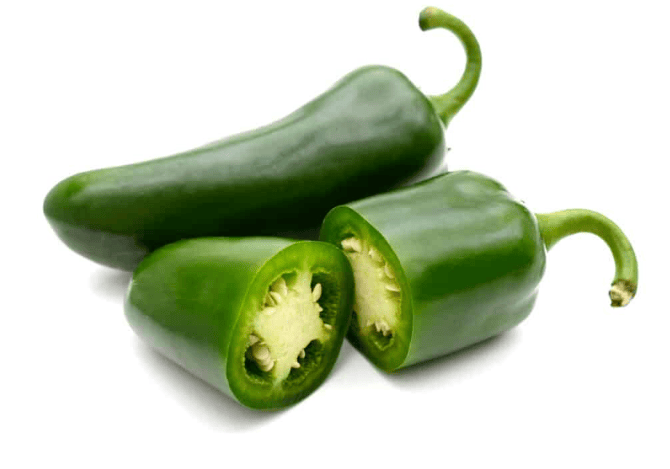
Food + Beauty Recipes: The Jalapeño Series: Jalapeño Warm Glow Facial Treatment

There are ingredients that feel alive the moment they touch the tongue, and jalapeños have always been one of them. Bright, green, fiery, and unmistakably bold, jalapeños carry a kind of heat that wakes up both food and the senses. Long before they became a modern culinary staple, jalapeños were woven into Indigenous and Mexican food traditions — a symbol of vitality, warmth, and the kind of inner fire that shows on the skin.

Historical Notes
Jalapeños trace back thousands of years to Mesoamerican cultures, where chiles were used not only for cooking but for medicine, ceremony, and preservation. The Aztecs cultivated chiles as essential crops, believing their heat supported strength, stamina, and purification.

In traditional Mexican cooking, jalapeños became a cornerstone of salsas, stews, and healing broths. Their heat was seen as balancing — warming the body, stimulating digestion, and supporting circulation. When Spanish influence blended with Indigenous foodways, jalapeños spread across the Americas, eventually becoming a defining ingredient in Tex‑Mex cuisine.

By the 20th century, jalapeños entered global kitchens, celebrated for their versatility: fresh, pickled, roasted, smoked (as chipotle), or blended into sauces. Today, they remain one of the most recognizable peppers in the world — a symbol of bold flavour, warmth and culinary personality.

Jalapeños endure because of their dual identity: a food ingredient that awakens flavour, and a beauty ingredient that awakens circulation.

Jalapeño Beauty Benefits

Circulation Boost
Capsaicin — the compound responsible for jalapeño heat — increases blood flow when applied topically. This can create a natural flush, support glow, and enhance nutrient delivery to the skin.

Detox Support
Spicy foods stimulate digestion and lymphatic movement, helping the body process inflammation and eliminate waste — an internal pathway to clearer skin.

Warmth & Revitalization
Jalapeño‑infused oils or balms can provide gentle warmth to tight muscles, stiff joints, or dull skin, making them ideal for invigorating beauty rituals.

Antioxidant Protection
Jalapeños contain vitamin C and carotenoids, which help protect skin from environmental stress and support collagen production.

Inner Wellness
Eating jalapeños can support metabolism, digestion, and circulation — all of which contribute to a brighter, more energized complexion.

Jalapeños remind us that beauty isn’t always soft — sometimes it’s warm, bold, and full of personality.

This series will explore jalapeños through both food and beauty, revealing how heat can be nourishing, balancing and glow‑enhancing.

Jalapeño Warm Glow Facial Treatment

A gentle, circulation‑boosting beauty ritual inspired by jalapeño’s natural heat — designed to awaken radiance without irritation.

Prep 5 min  Cook None  Serves 1 treatment

Ingredients

  • 1 tsp Finely minced jalapeño (seedless for gentleness)
  • 1 tbsp Aloe vera gel
  • 1 tsp Agave nectar or honey
  • 1 tsp Jojoba or olive oil
  • 2–3 drops Lavender or chamomile oil (optional for calming)
  • 1 tsp Finely ground oats (optional for sensitive skin)

Instructions

  1. Prepare the jalapeño infusion
    Add the minced jalapeño to aloe vera gel and let it sit for 2–3 minutes. This allows capsaicin to gently infuse without overwhelming heat.
  2. Blend the mask
    Stir in agave, jojoba oil, and optional lavender. Add ground oats if your skin is sensitive.
  3. Apply with care
    Smooth a thin layer onto clean skin, avoiding eyes and lips. You should feel a mild warmth — not burning.
  4. Rest and glow
    Leave on for 5–7 minutes. The warmth boosts circulation, giving a natural flush and enhancing nutrient delivery.
  5. Rinse and soothe
    Remove with cool water and follow with a calming moisturizer.

Beauty Benefits

Capsaicin (jalapeño heat) — boosts circulation, enhances glow, supports detox pathways. 
Aloe vera — calms, hydrates, reduces redness. 
Agave nectar — humectant that draws moisture into the skin. 
Jojoba oil — reinforces the skin barrier and adds softness. 
Oats (optional) — soothe irritation and balance heat.

This treatment is designed to be warming, brightening and delivers radiance, without the harsh burn associated with raw jalapeños.

Historical Context
Heat‑based beauty rituals have roots in Mesoamerican and Indigenous traditions where chiles were used to stimulate circulation, support detoxification and awaken the senses. In modern beauty culture, warming treatments — from spicy balms to heat‑activated masks — are celebrated for their ability to enhance radiance and revive dull skin

Beauty and nourishment have always been intertwined and every ingredient tells its own story — from the kitchen to the vanity, from ancient rituals to modern wellness. Whether used to warm the body, brighten the skin, or elevate a simple meal, these ingredients remind us that radiance is never one‑dimensional. It’s flavour, it’s history, it’s ritual, and it’s the quiet way small choices accumulate into something luminous.

Each recipe and beauty ritual in this series is a celebration of that connection — a reminder that caring for yourself can be delicious, sensory, and deeply rooted in tradition. 

In the end, glow is not just something you see. It’s something you cultivate — one ingredient, one ritual, one moment at a time.

I’m Stacey Hobbs, thanks for reading! Until next time.
do you feel fabulous today?