Karl Lagerfeld: Part 3: The Personal Cost: Love, Ego and the Man Between Them

The Feud Becomes Flesh

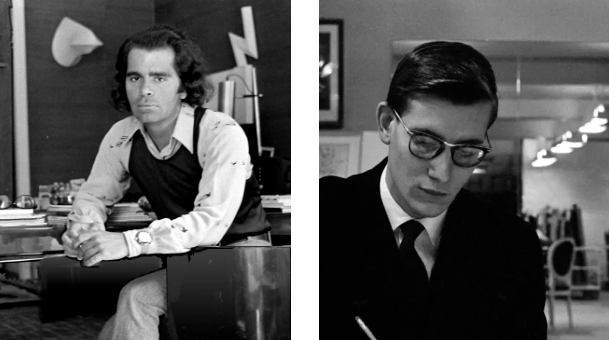
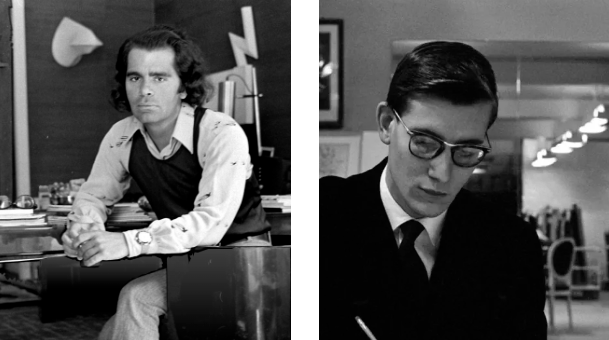
By the time Yves Saint Laurent and Karl Lagerfeld reached the height of their rivalry in the 1950s, Paris had already chosen its narrative: two prodigies, two philosophies, two futures. But beneath the runway lights and couture politics, there was a quieter, more dangerous story un-folding — one that had nothing to do with fashion and everything to do with desire.

This is the chapter where the feud stops being professional. 
This is where it becomes personal.

1. Jacques de Bascher: The Beautiful Catalyst

Jacques de Bascher was not a designer nor was he a muse in the traditional sense. He was a social phenomenon — aristocratic, decadent, magnetic and effortlessly destructive. He moved through Paris igniting everything he touched.

Karl fell in love with him. 
YSL became romantically involved with him.

Jacques didn’t choose sides. He destabilized them both.

He was:

  • the emotional centre of the feud
  • the man who turned rivalry into heartbreak
  • the figure who exposed the fragility beneath two titans

Paris whispered about it. The press hinted at it. The fashion world felt the tension.

This was no longer a battle for Paris. It was a battle for emotional survival.

2. YSL: The Fragile Genius

Yves Saint Laurent’s brilliance came from a place of vulnerability. He designed from emotion — raw, un-filtered, often painful. His relationship with Jacques intensified that fragility.

YSL struggled with:

  • depression
  • anxiety
  • addiction
  • the pressure of genius
  • the weight of being Dior’s successor
  • the emotional volatility of love

Jacques was both muse and wound.

YSL’s collections during this period — Ballets Russes, Opium, the transparent blouses — carried a kind of emotional electricity that felt almost dangerous. They were beautiful, yes, but they were also confessions.

Fashion historians often say:

YSL designed his heartbreak.

And in this era, it shows.

3. Karl: The Emotional Strategist

Karl Lagerfeld’s relationship with Jacques was different — quieter, more controlled, more intellectual. Karl did not collapse under emotion; he compartmentalized it.

But he was not immune.

Karl’s love for Jacques was:

  • loyal
  • protective
  • deeply private
  • quietly devastating

He did not compete with YSL for Jacques’s affection. He competed with himself — trying to maintain dignity while watching the man he loved drift toward his rival.

Karl’s response was not emotional collapse. It was work.

He poured himself into:

  • Chloé
  • Fendi
  • photography
  • the early seeds of what would become his Chanel revolution

Karl built empires to survive heartbreak.

4. The Feud Turns Psychological

The emotional triangle created a psychological war between the two designers.

YSL’s pain became art.
His collections grew more sensual, more vulnerable, more emotionally charged.

Karl’s pain became ambition.
His output became sharper, faster, more strategic, more prolific.

Their feud became:

  • emotional vs. intellectual
  • heartbreak vs. armor
  • vulnerability vs. control

Paris watched two geniuses cope in opposite ways — and create some of the most influential fashion of the century in the process.

5. The Cost of Genius

The personal cost of this feud was immense.

For YSL:

  • emotional instability
  • addiction
  • exhaustion
  • the pressure of being a cultural icon
  • the pain of loving someone who destabilized him

For Karl:

  • emotional restraint
  • loneliness
  • the burden of un-requited love
  • the need to build empires to protect himself

Their rivalry was not just professional competition. It was a coping mechanism.

Fashion historians often say:

YSL felt his genius. Karl weaponized his.

Both paid for it.

6. Jacques’s Death: The Final Wound

Jacques de Bascher died in 1989 at the age of 38. His death marked the end of the emotional feud — but not the professional one.

Karl was at his bedside. 
YSL was devastated. 
Paris mourned the end of an era.

Jacques’s death did not resolve the rivalry. It simply exposed how deeply human it had always been.

Fashion is not just silhouettes, branding, runway shows and couture politics.

It is ego, desire, heartbreak, vulnerability and the emotional cost of genius.

YSL and Karl were not just designers. They were men — brilliant, fragile, ambitious, wounded.

Their feud shaped fashion. 
Their pain shaped their work. 
Their love shaped their legacy.

I’m Stacey Hobbs, thanks for reading Face by Stace! Until next time.
do you feel fabulous today?

Depression — Historically Accurate
YSL struggled with severe depression throughout his life. This is documented in:

  • his medical records from the late 1950s
  • interviews with Pierre Bergé
  • multiple biographies
  • his own statements later in life

His depression intensified after:

  • Dior’s death
  • the pressure of becoming Dior’s successor
  • his conscription into the Algerian War
  • the emotional volatility of his relationship with Jacques de Bascher
  • the pressures of running his own house

Anxiety — Historically Accurate
YSL suffered from debilitating anxiety especially around:

  • runway shows
  • press attention
  • public appearances
  • creative deadlines
  • the expectations placed on him as Dior’s heir

He was known for:

  • panic attacks
  • emotional withdrawal
  • long periods of isolation
  • fear of failure

His anxiety was so severe that Bergé often had to manage his schedule and shield him from stressors.

Addiction — Historically Accurate
YSL struggled with addiction for decades.

This included:

  • alcohol
  • tranquilizers
  • amphetamines
  • cocaine (especially in the 1970s–1980s)

His addiction was widely known in the industry and openly discussed by Bergé after YSL’s death.

It affected:

  • his health
  • his relationships
  • his work rhythm
  • the emotional tone of his collections

This is one of the most documented aspects of his life.

The Pressure of Genius — Historically Accurate
YSL was considered a prodigy — a once‑in‑a‑generation talent. Paris treated him as such.

This created enormous pressure:

  • to innovate
  • to define culture
  • to maintain brilliance
  • to live up to his own myth

He often said he felt “crushed” by expectations.

His genius was both his gift and his burden.

The Weight of Being Dior’s Successor — Historically Accurate
This is one of the most important historical truths about YSL.

Christian Dior personally chose YSL as his successor at age 21.

When Dior died suddenly in 1957:

  • YSL became head of the most important couture house in the world
  • he was barely out of adolescence
  • the press called him “the future of fashion”
  • the industry placed impossible expectations on him

This pressure contributed directly to:

  • his mental health struggles
  • his anxiety
  • his depression
  • his emotional fragility

The Emotional Volatility of Love — Historically Accurate
YSL’s romantic life was deeply intertwined with his emotional stability.

His relationship with:

  • Pierre Bergé (long‑term partner, protector, business partner)
  • Jacques de Bascher (volatile, destabilizing, emotionally charged)

had profound effects on:

  • his mental health
  • his creativity
  • his addictions
  • the emotional tone of his collections

Jacques de Bascher’s involvement with both YSL and Karl Lagerfeld is one of the most documented emotional conflicts in fashion history.

YSL’s heartbreak during this period is well‑known and widely discussed by historians.

I’m Stacey Hobbs, thanks for reading! Until next time.
do you feel fabulous today?
PRADA Part 3: The Rise of Intellectual Luxury

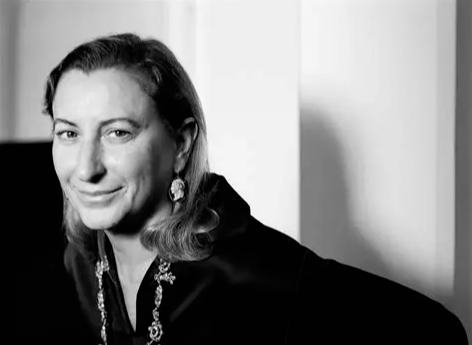
By the late 1990s and early 2000s, Prada was no longer simply a fashion house, it developed into a cultural force. Miuccia Prada had already disrupted the industry with nylon, subversion, and anti‑luxury vibe but Part 3 marks the era when she transformed Prada into something deeper: intellectual luxury.

This chapter explores how Prada became the brand that didn’t just dress the body — it dressed the mind.

1. The Philosophy Behind the Clothes

Miuccia Prada’s genius lies in her refusal to treat fashion as decoration. For her, fashion is a conversation, a critique, a cultural mirror, a psychological study and a political gesture.

She designs from the brain outward.

Where other houses chased glamour, Prada chased meaning. Where others chased beauty, Prada chased contradiction.

This is the era when Prada became synonymous with:

  • awkward chic
  • ugly‑pretty
  • intellectual minimalism
  • subversive femininity

Prada wasn’t trying to please. Prada was trying to provoke.

2. The “Ugly Chic” Revolution

Prada’s most controversial and influential contribution to modern fashion is the concept of ugly chic — the idea that beauty can be found in discomfort, tension and imperfection.

This era introduced:

  • clashing colours
  • odd proportions
  • heavy fabrics
  • orthopedic‑looking shoes
  • retro prints that felt intentionally off
  • silhouettes that challenged the body rather than flattering it

It was radical. 
It was polarizing. 
It was brilliant.

Prada proved that fashion could be intellectual, ironic, self‑aware and emotionally complex.

This changed the industry forever.

3. The Rise of the Prada Woman

Miuccia Prada is interesting. She is:

  • analytical
  • modern
  • self‑possessed
  • culturally literate
  • un-interested in traditional beauty
  • drawn to contradiction and complexity

She wears clothes that make people think not clothes that make people stare.

Prada became the uniform of:

  • editors
  • curators
  • architects
  • writers
  • academics
  • women who lead with intellect

This is when Prada became the brand of the thinking woman.

4. The Miu Miu Counterpoint

While Prada was building intellectual luxury, Miu Miu emerged as its rebellious younger sister.

Miu Miu offered:

  • playfulness
  • youth
  • experimentation
  • nostalgia
  • sensuality

Prada was the mind. 
Miu Miu was the impulse.

Together, they created a duality that strengthened the Prada universe — two sides of the same woman, two expressions of the same intelligence.

5. The Architectural Era

Prada’s runway shows in this era became architectural statements.

Collections featured sculptural coats, geometric cuts, rigid pleats, industrial fabrics, structural knitwear and silhouettes that felt engineered rather than sewn.

Prada wasn’t designing outfits — she was designing forms.

This architectural approach influenced:

  • Jil Sander
  • Phoebe Philo’s Céline
  • Raf Simons
  • modern Balenciaga
  • contemporary minimalism

Prada became the blueprint for intellectual fashion.

6. The Cultural Impact

This era of the Prada story shaped:

  • editorial photography
  • museum exhibitions
  • fashion criticism
  • the rise of “smart fashion”
  • the shift from glamour to concept
  • the acceptance of minimalism as luxury

This is the era that made Prada a cultural institution as opposed to just a brand.

7. Why This Era Still Matters

Because Prada changed the definition of luxury.

Luxury became thoughtful, conceptual, restrained, ironic and psychological.

Prada proved that fashion could be:

  • un-comfortable
  • challenging
  • cerebral
  • emotionally layered

This is why Prada remains one of the most influential houses in the world.

I’m Stacey Hobbs, thanks for reading Face by Stace! Until next time.
do you feel fabulous today?
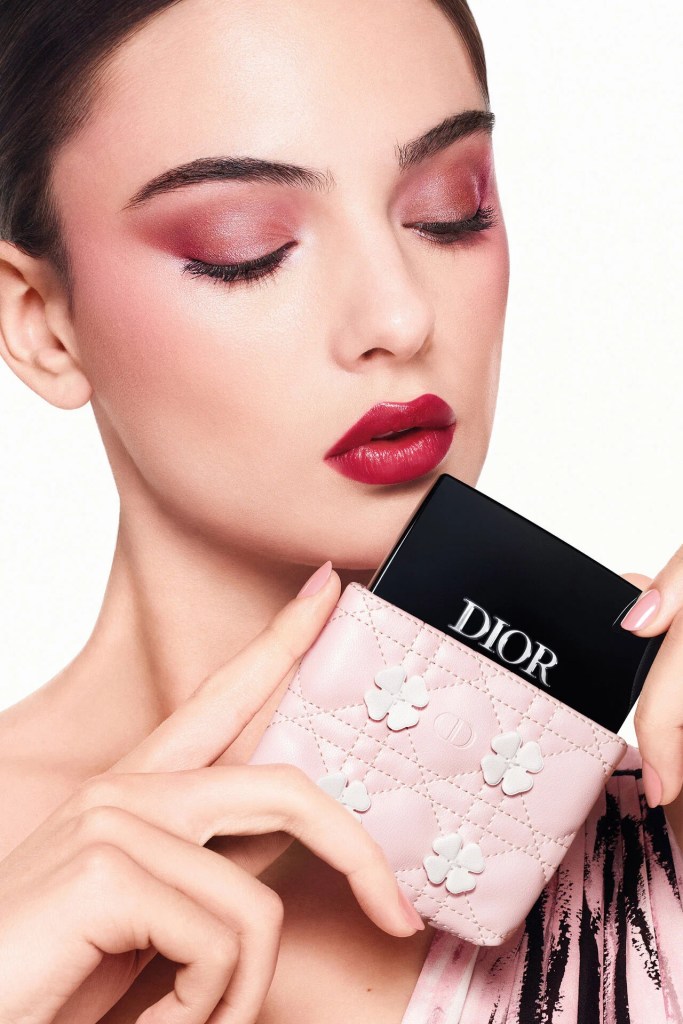
Dior Lucky Clover Autumn Makeup Collection 2026

I am such a sucker for makeup collections. There is just something about them. Take Dior Lucky Clover Autumn Makeup Collection, for example. It is such a pretty collection. Definitely eye catching. I am not surprised all of the items are sold-out on their site dior.com. It’s definitely a hot collection!

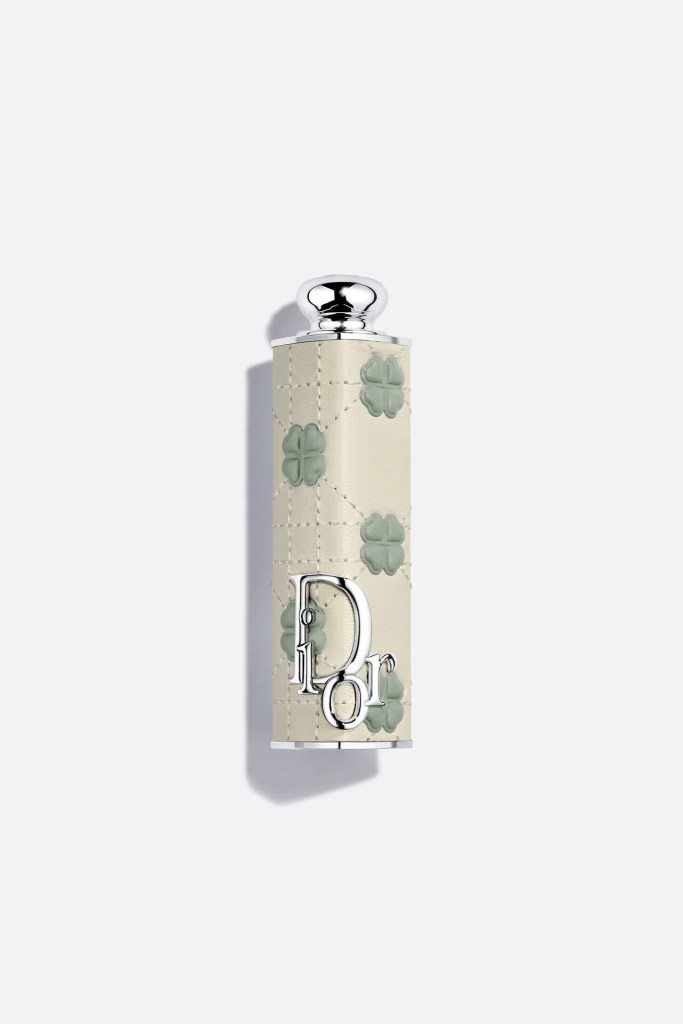
The Lucky Clover collection is homage to Christian Dior’s lucky charms, the Lucky Clover collection draws inspiration from the four leaf clovers, which just so happens to be the iconic Dior symbol for good fortune.

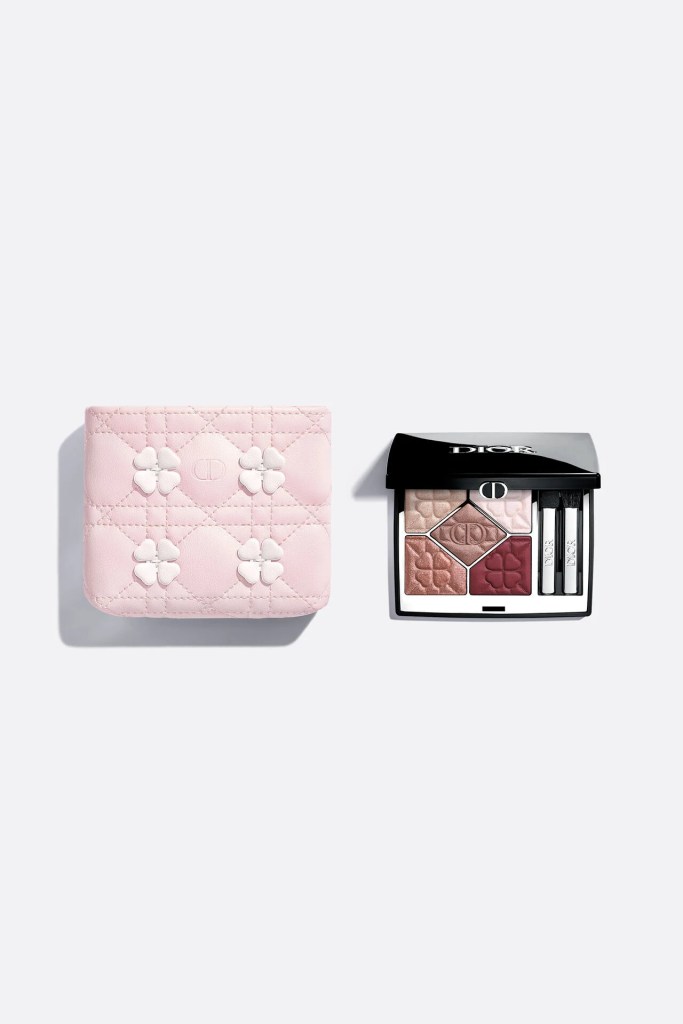
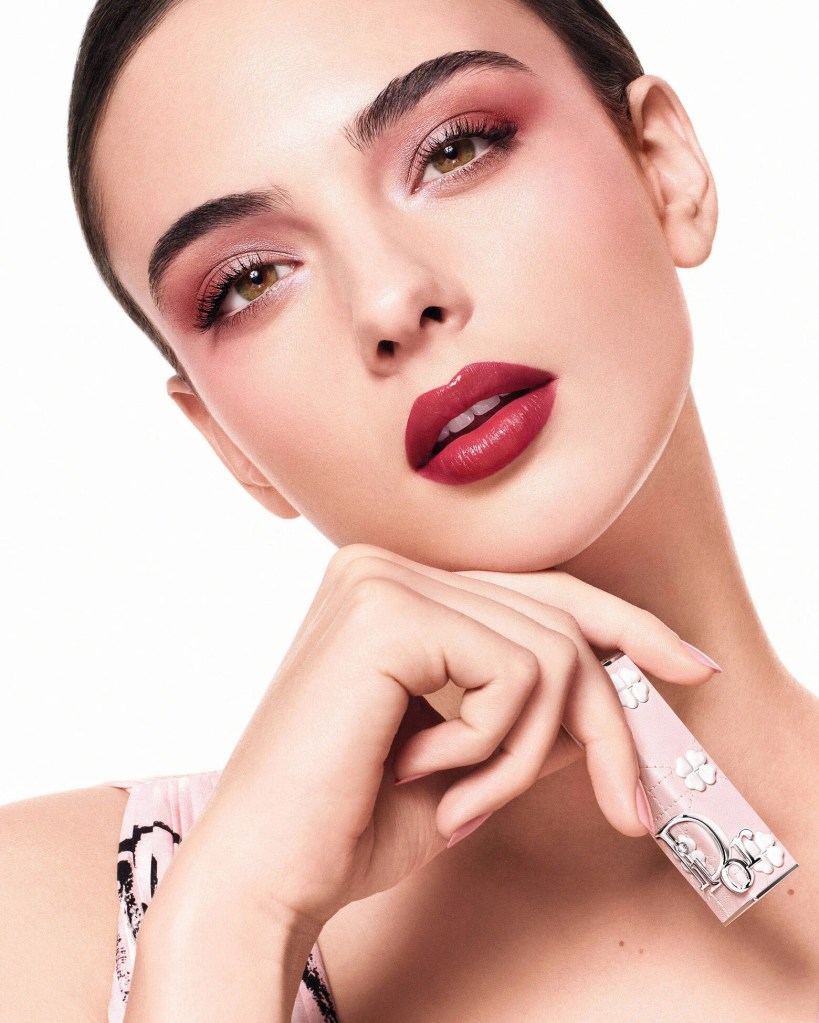
The Lucky Rosewood look

Dior Lucky Clover Makeup Autumn Collection/Dior

The Lucky Rosewood look channels Dior’s charm‑laden Autumn aesthetic through a radiant rosy complexion lit by Rouge Blush 849 Lucky Pink, eyes sculpted in rich rosewood and plum‑brown tones from the Diorshow 5 Couleurs 883 Lucky Rosewood palette and lips finished with the high‑shine plum sheen of Dior Addict 541 Wishes, creating a cohesive, elegant, romantic harmony infused with the season’s signature lucky motif.

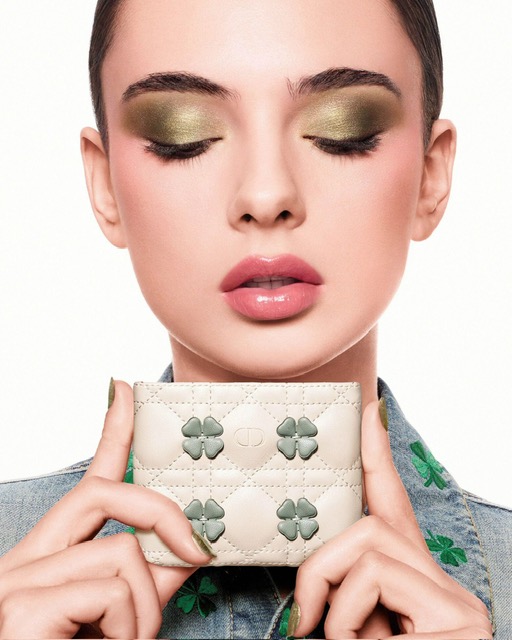
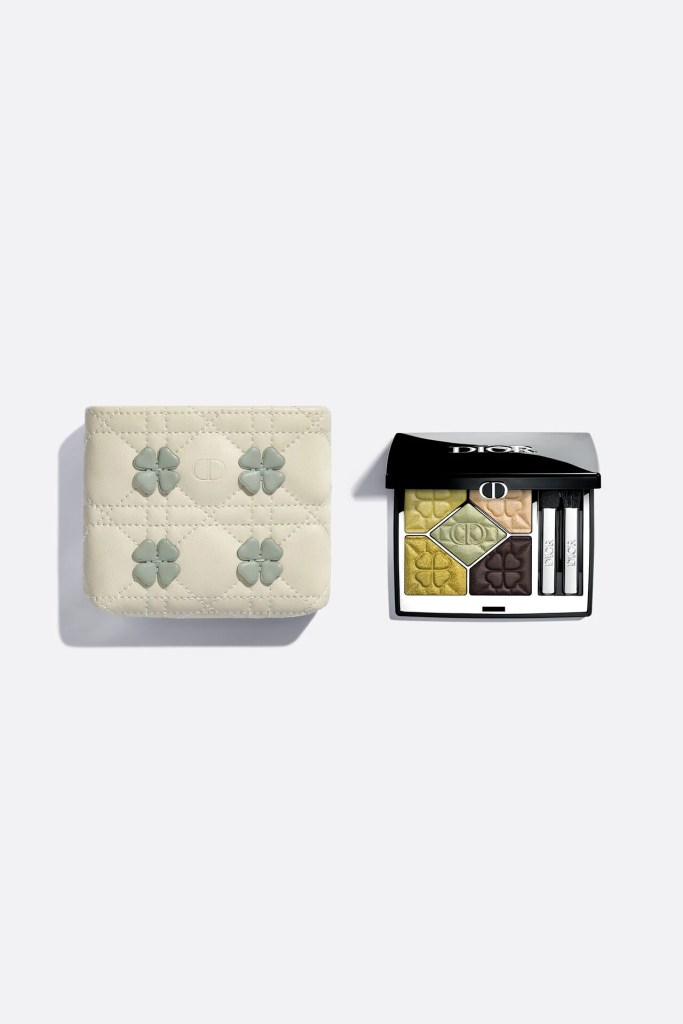
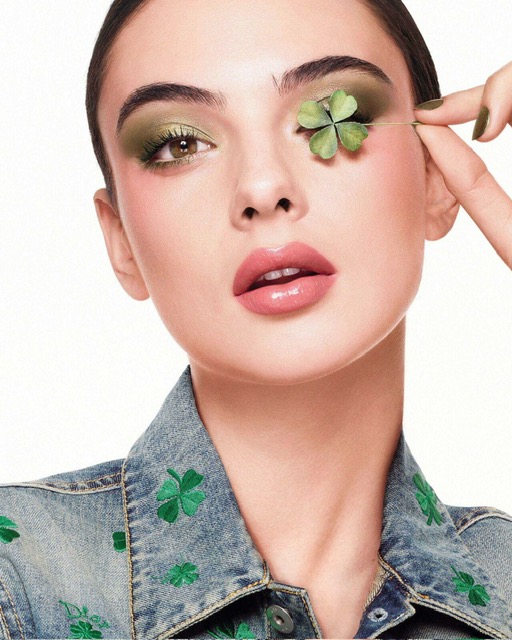
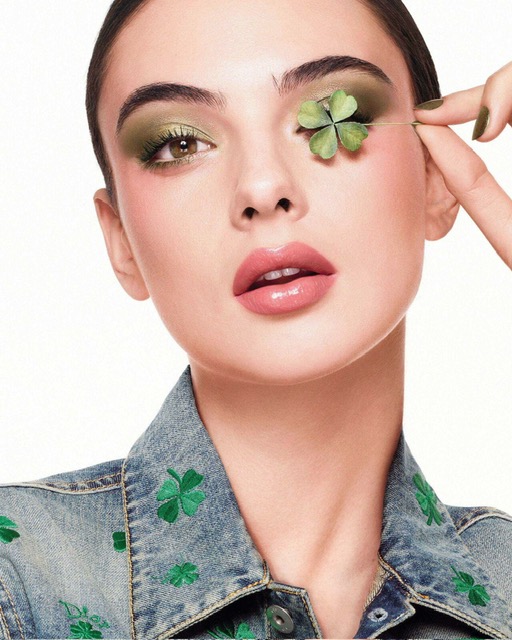
The Charmed Green look

The Charmed Green look/dior.com

The Charmed Green look centers on captivating green tones for eyes and nails with the Diorshow 5 Couleurs 365 Charmed Green palette. housed in a couture case adorned with the season’s lucky charm, creating a sculpted, luminous gaze while Rouge Blush 889 Charmed Coral adds an instant healthy flush to the complexion and Dior Addict 521 Grigri, paired with its new matching case, completes the harmony with a polished, charm‑infused finish.

The Lucky Rosewood collection/images are from dior.com

The Charmed Green collection/images are from dior.com

Diorshow 5 Couleurs – Limited Edition

The limited‑edition Diorshow 5 Couleurs palette reimagines the iconic Dior four‑leaf clover as couture with the motif pressed directly into the eyeshadows and on the pouch, transforming these shades into a collectible good‑luck charm. Comes in three finishes: matte, satin and pearly. Longwearing, ultra-creamy and comfortable texture. Infused with cornflower extract.

Shades: 883 Lucky Rosewood and 365 Charmed Green

Price: $85 each

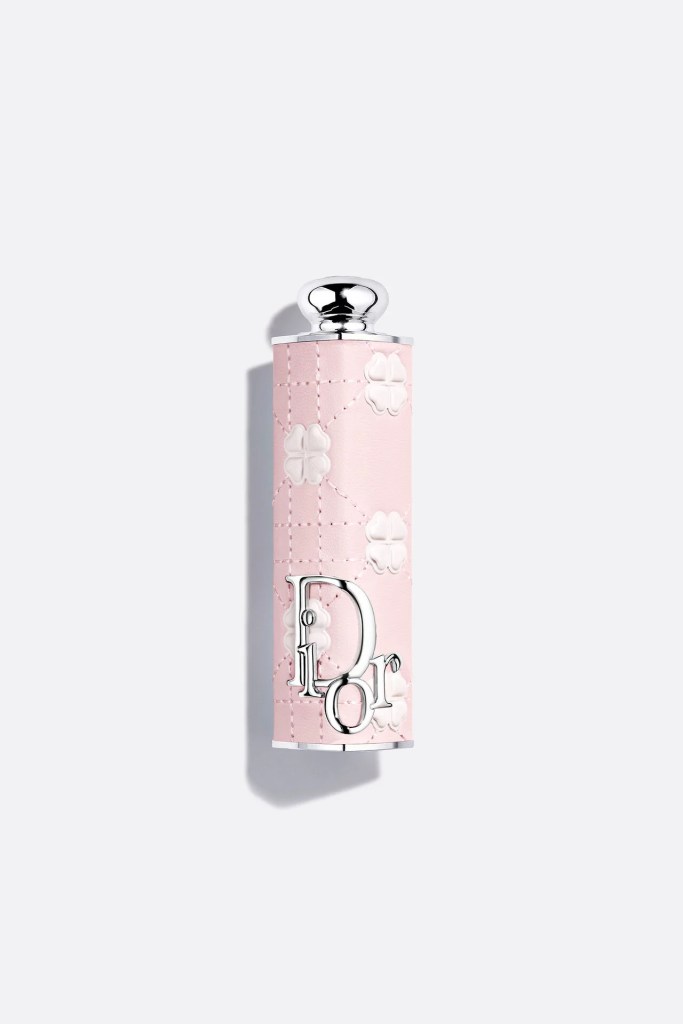
Dior Addict Case/dior.com

Dior Addict Case – Limited Edition

Dior Addict is a hydrating shine lipstick packaged in an elegant and interchangeable case, each featuring an on‑trend, design. These collectible cases are compatible exclusively with the Dior Addict shine lipstick and its refill, and because they are sold separately, you can curate a personalized lineup of couture finishes to pair with any shade.

Price: $42 each

Shades: Lucky and Charm

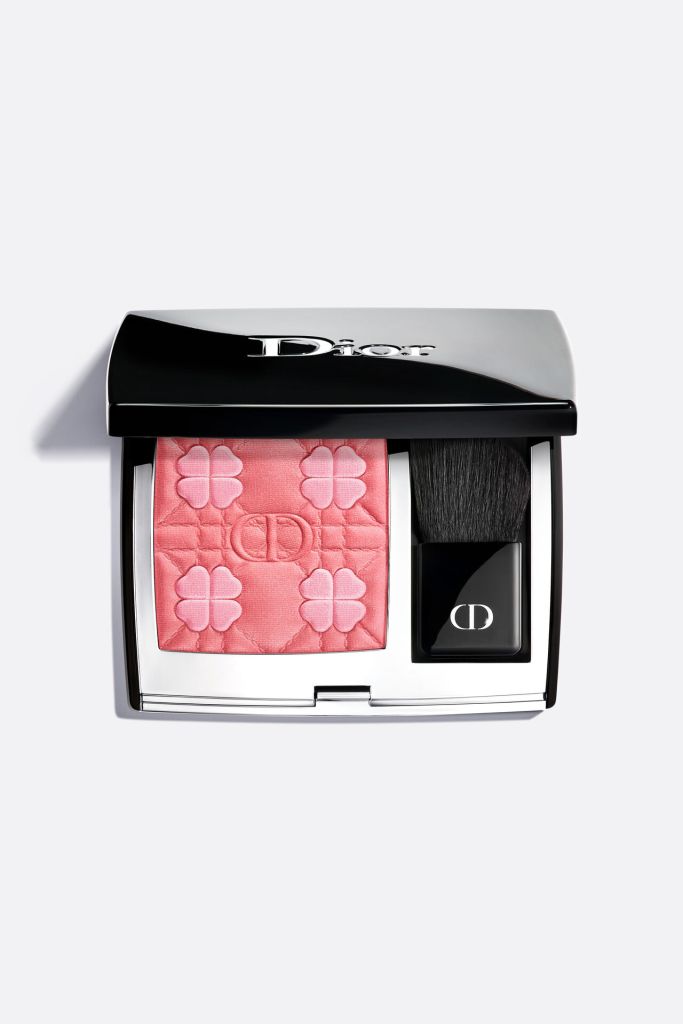
Rouge Blush/dior.com

Rouge Blush – Limited Edition

Rouge Blush is Dior’s signature blush, this time it returns in a limited‑edition duo infused with the house’s iconic four‑leaf clover motif, transforming the blush into both a radiant complexion enhancer and a symbolic good‑luck charm. Longwearing and comfortable. 90% natural-origin ingredients¹ and infused with skincare ingredients. Leaving a finish of that is glittery, healthy glow effect and highly pigmented.

Shades: 849 Lucky Pink and 889 Charmed Coral

Price: $52 each

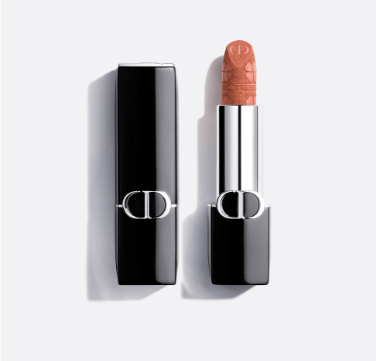
Rouge Dior/dior.com
Rouge Dior/dior.com

Rouge Dior – Limited Edition

Rouge Dior is a limited-edition lipstick with the four-leaf clover, which is the iconic Dior symbol for luck. The Rouge Dior lipstick is longwearing which is a hydrating formula infused with lip care to ensure 24 hours of comfort. Lips appear visibly plumped and smoothed for 8 hours. Rouge Dior delivers a finish that is velvety, luminous and intense matte.

Shades: 951 Tailsman and 211 Fortunate

Price: $53 each

Stacey Says: You know, I have always love Dior eyeshadows, blush, foundation, concealer, powder and lipstick – matte of course (I cannot forget about Dior skincare too!)

Discover the full collection on: dior.com

I’m Stacey Hobbs, thanks for reading Face by Stace! Until next time.
do you feel fabulous today?
Chanel and White: Purity and Light

If black was Chanel’s declaration of modernity, white was her answer to its shadow — the counterbalance, the illumination, the completion of her palette. Chanel understood colour not as decoration but as philosophy. Black revealed structure. White revealed purity. Together, they formed the duality that defined her aesthetic: clarity and softness, discipline and ease, intention and light.

White, in Chanel’s hands, was never fragile. It was not romantic in the traditional sense nor was it ornamental. It was architectural. It was the colour she used to expose proportion, to highlight the precision of a seam, to reveal the honesty of a silhouette. Where black sharpened, white softened. Where black concealed, white clarified. Chanel used white to show the world what simplicity could look like when it was executed with absolute conviction.

She chose white because it carried a sense of cleanliness — not in the literal sense but in the emotional one. White feels fresh, un-burdened, un-encumbered by history or symbolism. It is the colour of beginnings, of possibility, of a garment stripped of narrative so that the woman wearing it can create her own. Chanel believed fashion should never overpower the wearer. White allowed her to express that belief with quiet authority.

White also reflected Chanel’s fascination with light. She understood how fabric interacts with illumination — how tweed glows softly, how silk reflects gently, how jersey diffuses brightness across the body. White allowed her to play with these subtleties. It made her clothes feel alive, shifting with movement, responding to the environment, revealing the body’s natural lines without imposing shape. In white, her designs felt almost weightless.

And yet, Chanel’s white was never naïve. It was deliberate. It was controlled. It was the echo of black — the counterpoint that made her aesthetic complete. Black gave her garments structure; white gave them breath. Black grounded her silhouettes; white lifted them. Black was the modern uniform; white was the modern clarity. Together, they formed a palette that was not about colour at all, but about intention.

White also carried cultural resonance for Chanel. It evoked the crispness of men’s shirts, the simplicity of seaside summers, the purity of the convent where she spent her youth. But she never used white sentimentally. She used it architecturally — as a tool to refine, to reveal, to simplify. Her white was not nostalgic. It was modern.

Today, Chanel’s use of white remains one of her most enduring signatures. It appears in her suits, her blouses, her evening dresses, her pearls, her camellias. It is the colour that completes her vision — the light that balances the shadow, the purity that balances the discipline, the softness that balances the structure.

Chanel didn’t choose white because it was delicate. She chose it because it was honest. And in her hands, white became not just a colour but a philosophy: purity without fragility, elegance without excess, modernity without noise.

I’m Stacey Hobbs, thanks for reading Face by Stace! Until next time.
do you feel fabulous today?
Mini Skirts: Mary Quant’s Cultural Shockwave Innovation: When a Hemline Became a Revolution

Few garments in fashion history have caused a cultural earthquake — but the mini skirt did. And at the centre of that shockwave stood Mary Quant, the British designer who didn’t just shorten skirts; she shortened the distance between youth culture and fashion itself.

The mini skirt wasn’t simply a trend. It was a declaration. A rebellion. A generational shift stitched into fabric.

This is the story of how Mary Quant turned a hemline into a movement.

1. London, 1960s: The Birthplace of Youthquake

The 1960s were not polite. They were loud, electric, rebellious — and London was the epicentre of that energy. Carnaby Street, King’s Road, and Chelsea became the playgrounds of a new generation who refused to dress like their mothers.

Mary Quant understood them instinctively. Quaint was styling for students, artists, dancers, musicians and girls who wanted freedom not formality.

Quant didn’t follow couture rules. She followed youth.

And youth wanted shorter skirts.

2. The Mini Skirt as Liberation

The mini skirt arrived at a moment when women were re-defining themselves. It symbolized:

  • freedom
  • bodily autonomy
  • independence
  • rebellion against conservative norms
  • the rise of modern feminism

Quant famously said:

“A woman is as young as her knees.”

It was cheeky, provocative and perfectly aligned with the era.

3. The Quant Aesthetic: Playful, Modern, Unapologetic

Mary Quant’s designs were bold, geometric, youthful, affordable, accessible and fun.

She used bright colours, PVC, jersey, simple cuts, clean lines and mod silhouettes.

Her clothes didn’t require couture fittings or aristocratic budgets. They required confidence — and movement.

Quant democratized fashion by making it:

  • wearable
  • joyful
  • modern
  • fast

She was the mother of fast fashion, long before the term existed.

4. The Mini Skirt vs. Couture: A Cultural Clash

Paris couture houses were horrified.

To them, the mini skirt was:

  • vulgar
  • unserious
  • childish
  • undignified

But Quant wasn’t trying to impress couture. She was trying to liberate women.

The clash between Parisian tradition and London youth culture, which created one of the most important fashion debates of the 20th century.

And youth won.

5. Twiggy, Mod Girls, and the Global Spread

The mini skirt exploded globally thanks to:

  • Twiggy
  • Jean Shrimpton
  • British pop culture
  • photography
  • magazines
  • television

Suddenly:

  • New York wanted it
  • Paris adopted it
  • Milan embraced it
  • Tokyo idolized it

The mini skirt became the uniform of the 1960s — a symbol of modernity, rebellion and optimism.

6. The Social Shockwave

The mini skirt changed:

  • how women walked
  • how women sat
  • how women danced
  • how women moved through public space

It forced society to confront:

  • female autonomy
  • female sexuality
  • female visibility

It sparked debates in:

  • parliament
  • churches
  • newspapers
  • universities

It was a garment that demanded cultural conversation.

7. Why Mary Quant Still Matters

Quant didn’t just shorten skirts. She shortened the distance between:

  • fashion and youth
  • fashion and freedom
  • fashion and regular women

Her legacy lives in:

  • streetwear
  • fast fashion
  • high‑low dressing
  • modern silhouettes
  • the democratization of style

Every time a woman chooses comfort, movement or rebellion in her clothing — she is echoing Mary Quant.

8. The Mini Skirt Today

The mini skirt remains:

  • iconic
  • controversial
  • empowering
  • cyclical
  • modern

It appears in:

  • runway revivals
  • Y2K nostalgia
  • contemporary street style
  • feminist discourse
  • archival exhibitions

It is still a symbol of youth, freedom and cultural disruption.

Mary Quant’s shockwave never ended. It simply evolved.

I’m Stacey Hobbs, thanks for reading Face by Stace! Until next time.
do you feel fabulous today?
YSL vs. Karl Lagerfeld: Part 4: Legacy: Who History Crowned

The Final Question Paris Never Stopped Asking

By the time Yves Saint Laurent and Karl Lagerfeld reached the twilight of their careers, their rivalry had already shaped half a century of fashion. They were no longer young prodigies or wounded geniuses — they were institutions. But Paris, being Paris, still wanted an answer:

Who did history crown?

This is the chapter where the feud becomes legacy.

1. Yves Saint Laurent: The Poet Who Defined Beauty

YSL’s legacy is emotional, aesthetic and cultural.

He gave the world:

  • Le Smoking
  • the modern woman’s wardrobe
  • the fusion of art and fashion
  • the democratization of ready‑to‑wear
  • the sensuality of the 1970s
  • the intellectual glamour of the Ballets Russes

YSL didn’t just design clothes — he designed identity.

His legacy rests on:

  • beauty
  • vulnerability
  • artistic courage
  • emotional truth

He shaped how women saw themselves. 
He shaped how fashion expresses emotion. 
He shaped the cultural language of modern style.

YSL defined beauty.

2. Karl Lagerfeld: The Architect Who Defined the Industry

Karl’s legacy is structural, global and un-stoppable.

He gave the world:

  • the resurrection of Chanel
  • the reinvention of Fendi
  • the modern fashion show
  • the rise of the creative director
  • the concept of brand identity
  • the globalization of luxury

Karl didn’t just design collections — he built empires.

His legacy rests on:

  • reinvention
  • discipline
  • intellectual sharpness
  • cultural commentary

He shaped how fashion houses operate. 
He shaped how brands communicate. 
He shaped the business model of modern luxury.

Karl defined power.

3. Two Legacies, Two Crowns

Fashion historians agree on one thing:

**YSL defined the aesthetic of modern fashion.

Karl defined the structure of modern fashion.**

YSL shaped:

  • silhouettes
  • sensuality
  • cultural emotion
  • artistic direction

Karl shaped:

  • branding
  • global expansion
  • house identity
  • the fashion economy

Both men changed the world — but in different ways.

4. Who Did History Crown?

The answer is not singular — it is dual.

History crowned YSL as the designer who defined beauty.
His work is studied like art. His collections are emotional landmarks. His influence is visible in every modern silhouette.

History crowned Karl as the designer who defined the industry.
His work built the modern fashion system. His branding strategies are still used today. His reinvention of Chanel is one of the greatest feats in fashion history.

Paris crowned both — but for different reasons.

5. The Feud’s Final Echo

Their rivalry shaped:

  • creative director culture
  • fashion house politics
  • the tension between art and commerce
  • the rise of celebrity designers
  • the modern runway
  • the global fashion economy

Every designer working today — from Tom Ford to Hedi Slimane to Pierpaolo Piccioli — operates inside the system YSL and Karl created.

Their feud didn’t just define an era. It defined the industry.

I’m Stacey Hobbs, thanks for reading Face by Stace! Until next time.
do you feel fabulous today?