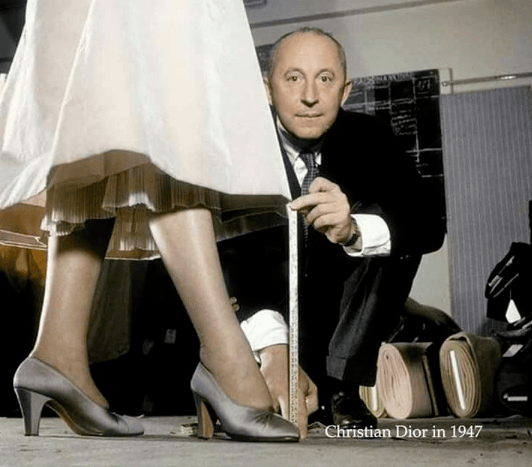
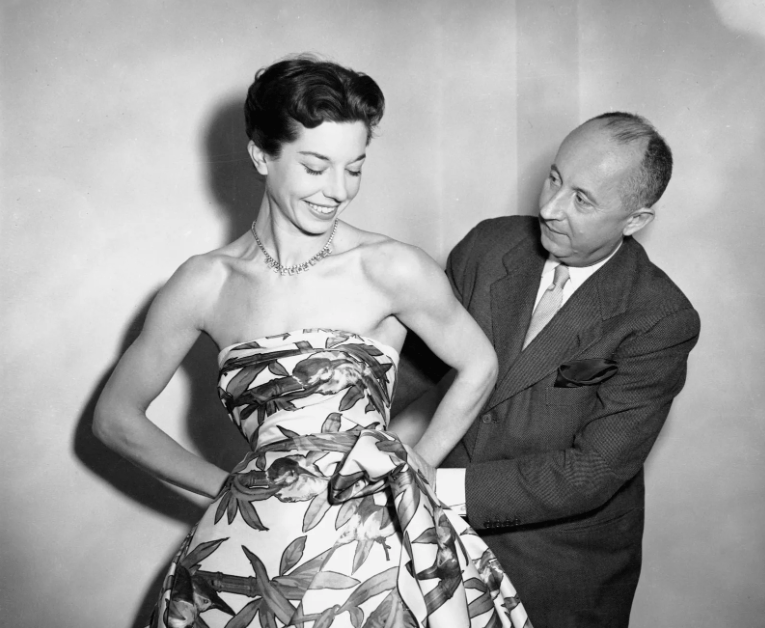
Christian Dior’s death on October 24, 1957, struck the fashion world with the force of an earthquake. One moment, he was the reigning monarch of post-war couture — the man who had rebuilt Parisian fashion from ashes and restored beauty to a world still healing from war. The next, the House of Dior was suddenly, devastatingly, without its founder.
Dior died of a heart attack while vacationing in Italy. He was only the young age of 52.
News travelled quickly and the reaction was immediate: editors mourned, clients panicked and the entire industry froze. Dior was more than just a designer — he was a global institution, a symbol of French elegance, and the architect of the New Look that had re-shaped women’s fashion a decade earlier. His absence created a void no one believed could be filled.
Inside the house, the shock was even more profound. Dior had been a gentle, paternal presence; meticulous, soft‑spoken and deeply protective of his atelier. His sudden death left his team grieving and directionless, un-sure of what the future could look like without the man who had built everything.
And then came the decision that would change fashion history:
The appointment of a shy, 21‑year‑old assistant named Yves Saint Laurent as artistic director.
Dior’s death was a tragedy. But it also marked the beginning of one of the most extraordinary transitions in couture; a passing of the torch that would define the next era of the house.
Christian Dior left behind a legacy of beauty, structure and romance. His influence didn’t end in 1957. It simply transformed.
I’m Stacey Hobbs, thanks for reading! Until next time. do you feel fabulous today?
Instead of following fashion trends, Michael Jackson created it. Across five decades, he built something that is so distinct that even a single article of clothing, whether it be — a fedora, a glove, a military jacket — instantly evokes his name. His style was theatrical, symbolic, and meticulously engineered for movement and spectacle.
These are the fashion moments that defined his legacy and re-shaped pop-culture.
1. The Single White Glove (1983)
Debuted on March 25, 1983, during the awestruck performance of Billie Jean, where Michael first moonwalked that left every speechless on Motown 25, it was the white rhinestone glove that became one of the most recognizable accessories in music history. Under stage lights, the glove amplified every hand movement, turning his choreography into unforgettable moments.
How incredibly iconic!
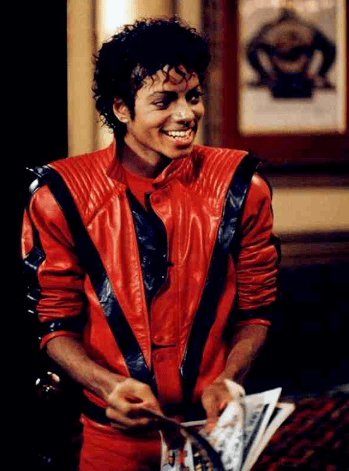
2. The Red Leather Jacket from Thriller (1983)
themoviefashion.com
Ooh, it’s Thriller! Thriller night!
Designed by Deborah Nadoolman Landis, the V‑shaped red jacket became a global phenomenon. Its sharp shoulders, bold colour, and graphic lines turned it into an instant cinematic icon — a piece of costume design so striking that it transcended the film itself. The jacket’s angular silhouette, high‑contrast detailing, and unmistakable swagger made it one of the most recognizable garments in pop‑culture history. Decades later, it remains one of the most copied jackets of all time, endlessly reinterpreted in fashion, streetwear, music videos, and Halloween costumes around the world.
What another iconic moment!
3. The Black Fedora & White Socks Combo
Michael understood contrast better than any performer of his era. The black fedora framed his face; the white socks illuminated his footwork. Together, they created a visual tension that made every step sharper, every glide more dramatic. This pairing turned his choreography — especially the moonwalk — into visual lightning, a flash of movement the audience could feel as much as see.
4. Military Jackets & Regal Embellishment
Gold braiding, epaulettes, Swarovski crystals — Michael Jackson’s military jackets weren’t costumes. They were haute couture‑level statements, engineered with the same precision and craftsmanship you’d expect from a Paris atelier.
Designers from Balmain to Givenchy still reference this aesthetic with its sharp shoulders, the ornate braiding, the jeweled detailing. In fact, the entire “embellished military jacket” trend that dominated late‑2000s runways traces directly back to Michael’s influence. He didn’t just wear these jackets; he re-defined what a performance uniform could be.
5. The Bad Era Leather (1987)
Studded belts, buckles, zippers, and layered black leather created a rebellious, urban aesthetic. It was a departure from his earlier polished look — raw, edgy, and street-influenced. This era shaped late‑80s pop fashion.
6. The Smooth Criminal Suit (1988)
Michael understood contrast better than any performer of his era. The black fedora framed his face; the white socks illuminated his footwork. Together, they created a visual tension that made every step sharper, every glide more dramatic. This pairing turned his choreography — especially the moonwalk — into visual lightning, a flash of movement the audience could feel as much as see.
7.He treated every accessory as part of the choreography.
Nothing was accidental when it came to Jackson’s choreography not the tilt of the hat, not the angle of the brim, not the way the socks caught the spotlight. Nothing. Michael built his performances around these visual anchors, It’s why even the smallest gesture, whether it’s a head turn, a toe point, a flick of the wrist, it all became instantly iconic, impactful and memorable.
8. The “Dangerous” Mask & Arm Bands
Michael used accessories as storytelling devices. Masks, armbands and tape on his fingers weren’t random, they were visual signatures that added mystery, symbolism and rhythm to his performances.
9. The Royalty-Inspired Capes & Robes
Later in his career, Michael leaned into what appeared to be the regalness of his imagery, with capes, brocade, velvet and jeweled embroidery. He wasn’t dressing as a pop star. He was dressing as a king. King of Pop!!
10. The Iconic Loafers
Michael’s black loafers were custom-built for dance. His loafers were flexible, lightweight, and engineered for glide. They became part of his ensemble, proving that even his simplest fashion choices were intentional.
Michael Jackson’s style endures because it was symbolic, theatrical, technically engineered, instantly recognizable, deeply tied to movement and rooted in storytelling. He didn’t just wear clothes — he created icons.
His influence is still visible everywhere to this very day:
Beyoncé’s embellished military jackets
Harry Styles’ sequins, gloves and stage wear
K‑pop’s hyper‑precise performance styling
Balmain’s sharp, structured shoulders
basically all of modern music videos
Michael Jackson didn’t just shape pop music. He shaped the look of pop itself.
I’m Stacey Hobbs, thanks for reading! Until next time. do you feel fabulous today?
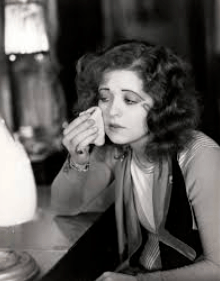
No beauty signature defined the 1920s quite like Clara Bow’s brows. The original It Girl set trends plus she re-wrote the rules of expression on the silent screen. With no dialogue to rely on, her face had to speak and her brows became her most powerful tool. Thin, arched, and dramatically penciled into a soft, downward curve, they created that mix of innocence and mischief that made her a star.
Women across the decade copied them obsessively. Beauty magazines taught readers how to pluck their brows into Clara’s exaggerated shape; department stores sold “It Girl Brow Pencils;” and flappers everywhere embraced the look as a symbol of modernity, rebellion and cinematic glamour. Clara Bow influenced make-up, she also shaped the entire the flapper look of 1920s beauty.
I’m Stacey Hobbs, thanks for reading! Until next time. do you feel fabulous today?
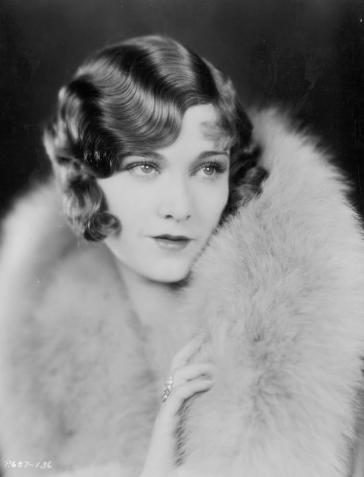
Welcome to the Jazz Age, The Great Gatsby era, flappers, speakeasies, the rise of Hollywood; and when we said good-bye to film without sound forever and hello to talkies that transformed film and later television and every other device afterwards and the birth of modern make-up and beauty tricks that are still used today! All of which had defined the era. A decade that is defined by rebellion, glamour and transformation. Where beauty rituals women embraced. Women chopped their long hair to a bob, styled in finger waves to make a statement, typically by middle-class women, painting their lips, shaving their brows only to re-draw them on their faces in a thin line hello Clara Bow, and breaking every rule their mothers lived by. Beauty in the 1920s was all about freedom, identity and reinvention.
From cold‑cream rituals to cupid‑bow lips, from bootleg beauty hacks to department‑store innovations, these are the 25 beauty secrets 1920s women actually used, the real tricks, tools and trends that shaped the look of an entire generation.
1. Clara Bow Brows
Women shaved their brows only to re-drew them into a pencil-thin downward curve, the “It Girl” expression everyone emulated.
2. Cupid’s Bow Lips
Lipstick was applied in a tiny, heart‑shaped pout. Women often reduced their natural lip size to get the perfect flapper mouth.
3. Kohl-Rimmed Eyes
Inspired by Hollywood glamour and the decade’s Egyptian‑revival craze, women rimmed their eyes in dark kohl, creating that smudgy, sultry look that defined the 1920s.
4. Cold Cream for Everything
Cold cream wasn’t just a cleanser, it was a make-up remover, “primer,” moisturizer, night cream and skin softener in one.
5. Powder, Powder, Powder
A matte, velvety complexion was essential. Loose powder was dusted generously over the face, neck and even the décolletage. And “generously” is putting it mildly — 1920s women caked it on. The goal wasn’t subtlety. The goal was a soft‑focus finish that looked flawless under harsh lights and smoky speakeasy air.
6. Rouge as Rebellion
Blush was bold — unapologetically so. Women applied rouge in bright, circular pops right on the apples of the cheeks, creating that un-mistakable flapper flush that looked lively under dim speakeasy lights and dramatic on the silent screen.
7. Homemade Lip Tints
Women tinted their lips with beet juice, crushed berries or homemade dyes whenever store‑bought lipstick wasn’t accessible. These DIY stains gave a soft, bitten‑lip flush that flappers loved. It was proof that even without a proper tube, the perfect pout was non‑negotiable.
8. Vaseline for Shine
A dab of Vaseline on the eyelids or cheekbones created a glossy, youthful glow long before highlighter existed. Vaseline, like with Pond’s Cold-Cream are versatile serving multiple uses.
9. Soap-and-Water Skin Care
Many women relied on simple soap-and-water cleansing, followed by cold cream to restore softness.
10. The Bobbed Haircut
Cutting one’s hair into a bob was a revolution. This style of hair was a symbol of independence, modernity and freedom. How so flapper!
11. Marcel Waves
Women used heated irons to create deep, sculpted waves. This became the signature texture of the decade.
12. Finger Waves at Home
For those without access to a salon, finger waves were created using water, combs and a whole lot of patience and hand and fingers strength.
13. Henna Hair Tinting
Henna was used to add warmth or red tones to the hair, especially popular among flappers.
14. Brilliantine for Shine
A glossy, sleek finish was achieved with brilliantine, a scented hair oil used by both men and women.
15. Perfumed Powders
Scented body powders were dusted on the skin and hair for a soft, luxurious fragrance.
16. Bootleg Beauty Products
Because make-up was still controversial, many women bought cosmetics discreetly from beauty counters or mail‑order catalogs.
17. Compact Mirrors Everywhere
The 1920s introduced the compact — a powder puff, mirror and powder rolled into one chic accessory women carried everywhere.
Mascara came in solid cakes. Women activated it with water or salvia (spit) and applied it with a tiny brush or spoolie.
19. Brow Darkening with Petroleum Jelly
Vaseline Petroleum jelly mixed with soot or charcoal was used to darken brows. This was long before commercial pencils became widespread.
20. Homemade Face Masks
Women used oatmeal, egg whites, lemon juice, and honey to tighten and brighten the skin.
21. Bleached Brows (Yes, Really)
Some women lightened their brows to make the penciled‑in shape stand out even more.
22. Nail Polish in “Moon Manicure” Style
The cuticle and tip were left bare while the centre of the nail was painted the original minimalist manicure.
23. Perfume as Identity
Women layered perfume on clothing, hair and handkerchiefs. Scent became part of one’s persona.
24. Beauty Parlors as Social Spaces
Weekly salon visits became a ritual — a place for gossip, transformation and modern womanhood.
25. The Rise of the “Make-up Girl”
Department stores hired young women to demonstrate cosmetics, teach application and introduce customers to the new world of beauty.
The 1920s was a decade of beauty but even more so a decade of becoming. Every brow pencil, every bob, every compact mirror was part of a cultural shift toward freedom, expression and modern womanhood.
I’m Stacey Hobbs, thanks for reading! Until next time. do you feel fabulpus today?
Long before lipstick became a symbol of glamour, it was about identity. Ancient Greeks viewed lipstick more than a cosmetic item. Respectable women were expected to appear natural, while bright lips were associated with courtesans. But here’s the twist: those same courtesans were the ones who perfected early lip pigments, using crushed mulberries, red iron oxide and even cochineal insects to create deep berry stains.
Rome took things even further. Lip colour became a status symbol, worn by elite women and even some men. Wealthy Romans used lip salves made from beeswax, olive oil and red pigments to signal refinement. Some may have viewed lipstick as frivolous, however it more on the practical side. Lipstick symbolized who you were, what you owned and how you wanted to be seen.
In the ancient world, lipstick wasn’t just beauty. It represented power, class and performance.
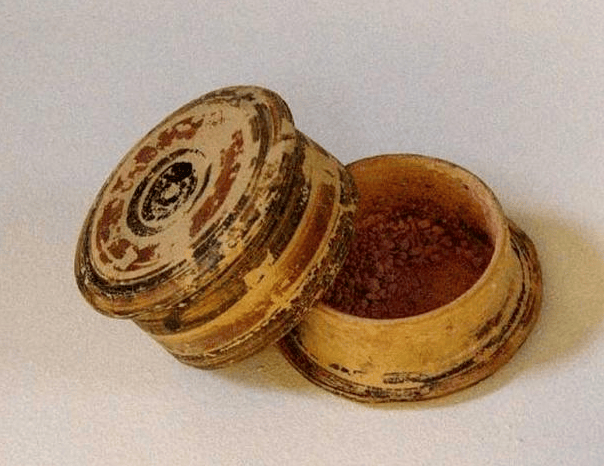
Corinthian pyxis with a red make-up powder. Found in a tomb from the 5th c. BC/The Historians Magazine
Medieval Europe: Lipstick Becomes Dangerous, Forbidden, and Feared
Then came the Middle Ages, and that changed everything. Beginning with lipstick, oh how you fell from grace.
What had once been a symbol of status became a symbol of sin. The Church declared that altering one’s face was an act of deception, a tool of the devil and a threat to moral order. Women who wore lip colour were accused of witchcraft, seduction or sorcery. In some regions, laws were passed claiming that a woman who “painted her face” could be tried for tricking a man into marriage.
Wearing lipstick was rebellious. It was a secret and a risk.
Women still tinted their lips, however they did it discreetly, by using berries, wine sediment or homemade balms. The bolder the colour, the bolder the statement. Wearing lipstick in the medieval era wasn’t about beauty. It was about defiance.
I’m Stacey Hobbs, thanks for reading! Until next time. do you feel fabulous today?
It was the news that shook the fashion world; Christian Dior passes away in 1957. This sent a shockwave, it was a gasp that only happens when powerhouse has fallen. Paris had lost its most influential couturier, the man who had resurrected French fashion after the war and restored the city’s claim as the capital of elegance. The reaction was immediate, emotional and unprecedented.
Editors Were Stunned
Fashion editors across Europe and America scrambled to re-write their pages. Dior was front page news with many magazines and newspapers, from The New York Times, to Vogue wrote about the fragility of this remarkable genius, the end of an era, the fear that haute couture itself might falter without him.
Dior had become synonymous with Parisian luxury. His absence felt un-thinkable.
Clients Panicked
Dior’s clientele, which expanded from royalty to the world’s wealthiest women were completely devastated by the news. Some reportedly called the house in tears. Others rushed to secure their final fittings, un-sure whether the atelier would survive.
For many women, Dior wasn’t just a designer; Dior was their identity.
The Industry Held Its Breath
Inside the couture world, no one knew how to fill the void of Dior’s death that he had left behind. Rival houses wondered:
Would Dior collapse?
Who could possibly replace him?
Would clients defect?
Would the New Look die with its creator?
The fear was real. Dior had been the financial engine of French couture. Without him, the entire industry felt suddenly un-stable.
The Press Speculated Wildly
Rumors swirled:
Would Balenciaga step in?
Would the house close?
Would a seasoned designer be appointed?
No one — absolutely no one — predicted what would actually happen.
Inside the House: Grief and Uncertainty
Dior’s staff adored him. He was gentle, paternal and deeply loyal to his fashion house. His sudden death left the house in mourning. Seamstresses wept at their worktables. Executives panicked behind closed doors.
And in the middle of it all stood a quiet and shy twenty-one‑year‑old assistant: Yves Saint Laurent.
The Shock That Became a Turning Point
The world expected Dior’s house to crumble. Instead, it transformed and it never stopped transforming, disrupting for decades to come for all of whom would grace the creative director position, reinventing House of Dior.
I’m Stacey Hobbs, thanks for reading! Until next time. do you feel fabulous today?