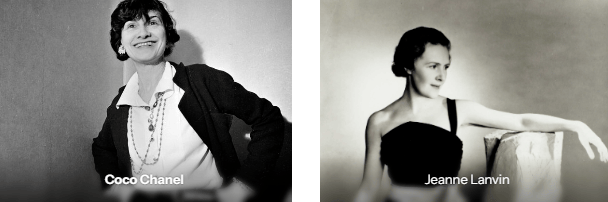
The Feud Series: Queens of Paris Chanel vs. Lanvin: Part 1: Origins of the Feud: Two Milliners, One City

Paris in the early twentieth century was a city of glittering ambition — a place where couture was not merely clothing but currency, power, and identity. The salons were battlegrounds, the ateliers were kingdoms, and the women who ruled them were forces of nature. Among these queens, two stood tallest: Jeanne Lanvinand Gabrielle “Coco” Chanel. Their rivalry was not loud, but it was legendary — a quiet, simmering feud that shaped the very architecture of modern fashion.

Both women began as milliners, stitching dreams into hats for the Parisian elite. But their paths, though parallel, were forged from opposite temperaments. Lanvin was maternal, discreet, and devoted to beauty as a form of emotional nourishment. Chanel was sharp, un-sentimental, and determined to liberate women from the constraints of ornament and tradition. They were two visions of femininity — one romantic, one modern — colliding in the same city at the same moment.

The feud’s origins were rooted in proximity. Paris was too small for two rising empires. Lanvin’s early success, particularly her children’s wear and her aristocratic clientele, reportedly stirred Chanel’s jealousy. Chanel, who built herself from nothing, viewed Lanvin’s social connections and maternal image with a mix of disdain and envy. Lanvin, in turn, saw Chanel as a disruptor — brilliant, yes, but reckless, dismissive of the artistry couture had been built upon.

Their rivalry was not fought in public statements. It un-folded in gestures, in critiques whispered across salons, in the way clients aligned themselves with one house or the other. Parisian society divided itself between Lanvin’s romanticism and Chanel’s severity. Lanvin’s gowns floated; Chanel’s suits cut. Lanvin’s embroidery shimmered; Chanel’s jersey rebelled. Their aesthetics were not merely different — they were philosophical opposites.

Lanvin believed in beauty as devotion. Chanel believed in beauty as liberation. Lanvin dressed women as constellations. Chanel dressed women as individuals. Lanvin built a universe. Chanel built a revolution.

The tension between them was palpable. Critics compared them relentlessly. Clients gossiped. The press framed them as opposing poles of Parisian couture. And beneath it all, the two women watched each other — silently, strategically, competitively — as their empires grew.

By the 1920s, their feud had become part of the cultural fabric of Paris. Chanel’s modernism was ascendant, but Lanvin’s romanticism remained beloved. They were not friends. They were not collaborators. They were rivals — equal in power, opposite in philosophy, and bound together by the city that crowned them both.

Two milliners. 
One city. 
One feud that would define the century.

This is where the story begins.

I’m Stacey Hobbs thanks for reading Face by Stace! Until next time.
do you feel fabulous today?
Food and Beauty Recipes: Coconut Series: Ricardo Cuisine–Inspired Creamy Coconut Rice Pudding

There are ingredients that feel sun‑kissed even in the middle of winter, and coconut has always been one of them. Long before it became a modern wellness staple, coconut was woven into beauty rituals across tropical regions, coconuts became a symbol of nourishment, softness, and the kind of natural radiance.

Historical Notes
Coconut has been used in beauty rituals for centuries across South Asia, Polynesia, and the Caribbean. In Ayurvedic tradition, coconut oil was considered a cooling ingredient — used to soothe the skin, calm inflammation, and nourish hair. Polynesian women used coconut oil daily to protect their skin from sun and saltwater, creating the signature glossy glow associated with island beauty. In the 1950s, Hollywood adopted coconut oil as a pre‑beach ritual, linking it to bronzed, glamorous summer skin.

Coconut’s longevity in beauty culture comes from its versatility: food, oil, milk, and scent — all tied to nourishment and softness.

Today, coconut remains one of the most versatile ingredients in the food‑and‑beauty world — a quiet reminder that radiance often comes from simplicity.

Coconut Beauty Benefits

Skin Softening
Coconut oil melts into the skin, leaving it supple, moisturized, and subtly luminous. Its natural fatty acids help reinforce the skin barrier, making it ideal for dry climates or winter months.

Hair Nourishment
Used as a pre‑wash treatment, coconut oil helps reduce protein loss in hair, leaving strands smoother, shinier, and more resilient.

Gentle Exfoliation
Combined with sugar or fine salt, coconut oil becomes a lush, hydrating scrub that polishes the skin without stripping it.

Inner Wellness
Coconut milk and coconut water offer hydration and healthy fats that support skin from within — beauty that begins in the kitchen.

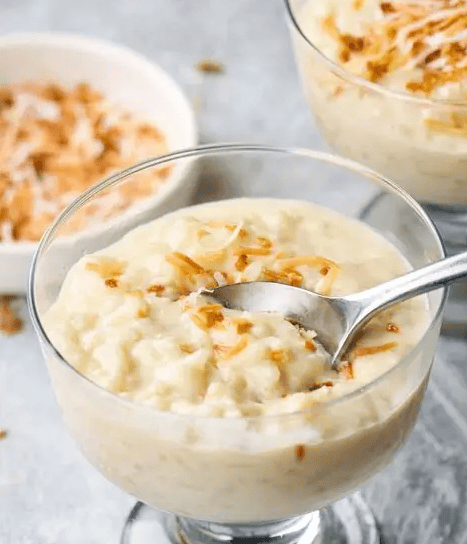
Ricardo Cuisine–Inspired Creamy Coconut Rice Pudding

Prep 10 min  Cook 30 min  Serves 4

Coconut Milk Rice Pudding/animalia-life.club

Ingredients

  • 1 cup short‑grain rice
  • 2 cups coconut milk (full‑fat)
  • 1 cup whole milk or almond milk
  • 1/3 cup sugar or honey
  • 1 tsp vanilla extract
  • 1/4 tsp salt
  • Optional toasted coconut flakes, mango, berries, mint

Instructions

  1. Combine base
    In a saucepan, combine rice, coconut milk, whole milk, sugar (or honey), vanilla and salt.
  2. Simmer
    Bring to a gentle simmer over medium heat, stirring occasionally to prevent sticking.
  3. Cook
    Reduce heat to low and cook 25–30 minutes until thick, creamy and the rice is tender.
  4. Adjust texture
    If too thick, add a splash of milk. If too thin, cook a few more minutes.
  5. Finish
    Spoon into bowls and top with toasted coconut, fresh fruit or mint.

Sources: animalia-life.clubanimalia-life.club. 

Historical Context
Rice puddings appear in European, Middle Eastern and South Asian culinary history but coconut versions trace specifically to tropical regions where coconut milk replaced dairy centuries before refrigeration existed. When coconut entered Canadian kitchens through Caribbean and South Asian immigration, chefs like Ricardo embraced it for its creaminess and warmth.

By the early 2000s, coconut rice pudding became a modern comfort classic — nostalgic yet globally inspired, simple yet luxurious. Ricardo’s signature style of approachable, home‑friendly cooking makes this dish a natural fit: cozy, creamy and elegant.

Beauty Benefits of This Recipe

Coconut Milk

  • Healthy fats support skin barrier strength
  • Provides internal moisture for glow
  • Lauric acid offers antimicrobial benefits

Rice

  • Gentle on digestion → gut‑skin harmony
  • Provides steady energy without inflammation

Honey (optional)

  • Hydrating humectant
  • Antioxidants help reduce dullness

Fruit toppings

  • Vitamin C boosts collagen
  • Antioxidants brighten complexion

Coconut has always been more than an ingredient. Across this series, it revealed itself as a global beauty symbol — a thread running through tropical cuisines, ancestral hair rituals, wellness movements and modern clean‑eating culture. Every creator explored illuminated a different facet of coconut’s personality:

  • Jillian Harris brought out its bright, feminine comfort.
  • Love & Lemons highlighted coconut’s citrus‑fresh, plant‑forward elegance.
  • Tori Wesszer leaned into coconut’s gentle, nurturing wellness.
  • The Recipe Critic revealed its bold, crispy, weeknight versatility.
  • Giada De Laurentiis paired coconut with Italian lightness and coastal refinement.
  • Gordon Ramsay showcased coconut’s ability to stand up to heat, spice, and intensity.
  • Ricardo Cuisine grounded coconut in warm, rustic, Québécois‑meets‑global comfort.
  • Pardon Your French connected coconut to nostalgic French provincial baking.

I’m Stacey Hobbs, thanks for reading Face by Stace! Until next time.
do you feel fabulous today?

Food and Beauty Recipes: Coconut Series: Love and Lemons–Inspired Coconut Lime Rice

There are ingredients that feel sun‑kissed even in the middle of winter, and coconut has always been one of them. Long before it became a modern wellness staple, coconut was woven into beauty rituals across tropical regions, coconuts became a symbol of nourishment, softness, and the kind of natural radiance.

Historical Notes
Coconut has been used in beauty rituals for centuries across South Asia, Polynesia, and the Caribbean. In Ayurvedic tradition, coconut oil was considered a cooling ingredient — used to soothe the skin, calm inflammation, and nourish hair. Polynesian women used coconut oil daily to protect their skin from sun and saltwater, creating the signature glossy glow associated with island beauty. In the 1950s, Hollywood adopted coconut oil as a pre‑beach ritual, linking it to bronzed, glamorous summer skin.

Coconut’s longevity in beauty culture comes from its versatility: food, oil, milk, and scent — all tied to nourishment and softness.

Today, coconut remains one of the most versatile ingredients in the food‑and‑beauty world — a quiet reminder that radiance often comes from simplicity.

Coconut Beauty Benefits

Skin Softening
Coconut oil melts into the skin, leaving it supple, moisturized, and subtly luminous. Its natural fatty acids help reinforce the skin barrier, making it ideal for dry climates or winter months.

Hair Nourishment
Used as a pre‑wash treatment, coconut oil helps reduce protein loss in hair, leaving strands smoother, shinier, and more resilient.

Gentle Exfoliation
Combined with sugar or fine salt, coconut oil becomes a lush, hydrating scrub that polishes the skin without stripping it.

Inner Wellness
Coconut milk and coconut water offer hydration and healthy fats that support skin from within — beauty that begins in the kitchen.

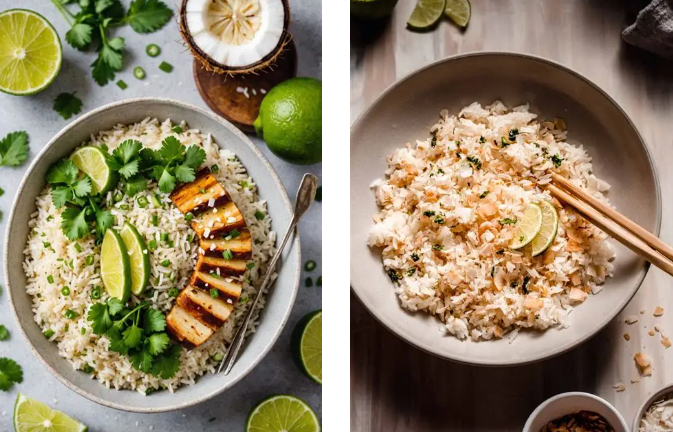
Love & Lemons–Inspired Coconut Lime Rice

A fragrant, fluffy, citrus‑kissed coconut rice that works as a base for bowls, curries, salads, or simple weeknight meals.

Prep 10 min  Cook 20 min  Serves 4

Coconut Lime Rice Bowl – The Delish Recipe/thedelishrecipe.com

Ingredients

  • 1 cup jasmine rice, rinsed
  • 1 cup coconut milk (full‑fat for creaminess)
  • 1 cup water
  • 1 lime (zest + juice)
  • 1 tbsp unsweetened shredded coconut
  • 1/2 tsp sea salt
  • 2 tbsp fresh cilantro, chopped

Instructions

  1. Combine base ingredients
    In a medium saucepan, add rinsed jasmine rice, coconut milk, water, salt, and shredded coconut.
  2. Simmer
    Bring to a gentle boil, then reduce heat to low, cover, and cook 15–18 minutes until rice is fluffy.
  3. Steam
    Remove from heat and let sit covered for 5 minutes to steam.
  4. Add lime
    Fluff with a fork and stir in lime zest and lime juice.
  5. Finish
    Top with fresh cilantro and additional lime wedges if desired.

Sources
Coconut Lime Rice Bowl – The Delish Recipe
Coconut Lime Rice (Easy & Fragrant Recipe)

Historical Context
Coconut rice has deep roots in South Asian, Southeast Asian, and Caribbean cuisines where coconut milk was used to enrich grains long before dairy became common. Its creamy texture and subtle sweetness made it a staple in celebratory meals, temple offerings and family gatherings.

Lime entered the story through maritime trade routes, becoming essential in tropical cooking for its ability to brighten rich dishes. By the 1970s natural‑foods movement, coconut and citrus were embraced in Western kitchens as “clean, vibrant and nourishing” ingredients — a precursor to the Love & Lemons aesthetic.

Today, Love & Lemons carries that lineage forward with a modern, plant‑forward lens: fresh herbs, citrus, and simple techniques that let whole ingredients shine. Coconut lime rice is a perfect embodiment of that philosophy — bright, fragrant, and effortlessly uplifting.

Beauty Benefits of This Recipe

Coconut Milk

  • Rich in healthy fats that support skin barrier strength
  • Provides internal moisture for glow
  • Lauric acid offers antimicrobial benefits

Lime

  • Vitamin C supports collagen production
  • Brightens complexion
  • Helps regulate inflammation

Cilantro

  • Supports detox pathways
  • Rich in antioxidants that protect skin cells

Jasmine Rice

  • Gentle on digestion (gut‑skin connection)
  • Provides steady energy without spiking blood sugar

Shredded Coconut

  • Adds healthy fats for internal moisture
  • Contains minerals that support hair and nail strength

Coconut has always been more than an ingredient. Across this series, it revealed itself as a global beauty symbol — a thread running through tropical cuisines, ancestral hair rituals, wellness movements and modern clean‑eating culture. Every creator explored illuminated a different facet of coconut’s personality:

  • Jillian Harris brought out its bright, comfort.
  • Love & Lemons highlighted coconut’s citrus‑fresh, plant‑forward elegance.
  • Tori Wesszer leaned into coconut’s gentle, nurturing wellness.
  • The Recipe Critic revealed its bold, crispy, weeknight versatility.
  • Giada De Laurentiis paired coconut with Italian lightness and coastal refinement.
  • Gordon Ramsay showcased coconut’s ability to stand up to heat, spice and intensity.
  • Ricardo Cuisine grounded coconut in warm, rustic, Québécois‑meets‑global comfort.
  • Pardon Your French connected coconut to nostalgic French provincial baking.

I’m Stacey Hobbs, thanks for reading Face by Stace! Until next time.
do you feel fabulous today?
The Disco Era: Studio 54 Glamour + Nightlife Beauty

By the mid‑1970s, the sun‑kissed California glow began to transition into something more decadent. The cultural mood shifted from relaxed sensuality to high‑octane glamour. Nightlife became the new runway and beauty transformed into a spectacle of shine, shimmer and excess.

Enter the Disco era — a world of mirrored lights, metallic make-up and fashion that danced until dawn.

Studio 54 wasn’t just a nightclub. It was a cultural universe. A place where beauty became performance and fashion became fantasy.

Beauty: Gloss, Glitter, and Nightlife Radiance

Disco beauty was maximalist, luminous and designed for movement under lights.

  • Glossy lips: lacquered reds, plums and shimmering neutrals
  • Metallic eyeshadow: gold, silver, bronze and jewel tones
  • Dramatic lashes: thick, fluttery and nightlife-ready
  • Glowing skin: highlighter before highlighter existed
  • Voluminous hair: curls, waves and glamorous blowouts

This was beauty meant to catch the light — and hold it.

Fashion: Sequins, Satin and Studio 54 Fantasy

Disco fashion was a celebration of glamour, sensuality and movement.

  • Sequined dresses — shimmering with every step
  • Satin jumpsuits — fluid, sensual and effortlessly chic
  • Wrap dresses — sultry silhouettes that defined the era
  • Metallic fabrics — futuristic and bold
  • Platform heels — height, drama and dance-floor power

The Disco wardrobe wasn’t subtle — it was a statement one may say.

Culture: Nightlife as Identity

The Disco era was shaped by its cultural heartbeat.

  • Studio 54 — the epicentre of glamour, celebrity and excess
  • Iconic figures — Bianca Jagger, Diana Ross, Cher
  • Music — pulsating rhythms, lush orchestration and dance-floor liberation
  • Photography + film — capturing nightlife as art
  • Liberation movements — Disco became a space of freedom and expression

Nightlife wasn’t just entertainment — it was identity, community and cultural rebellion.

The Shift: From Natural Glow to High‑Glam Shine

The Disco era marked a dramatic pivot from early‑70s minimalism.

The decade moved from bronzed skin, effortless beauty and relaxed sensuality to metallic glamour, glossy lips, sequined fashion and nightlife decadence.

It was a celebration of excess with a shimmering finale to the 1970s before the cultural tone shifted again in the early 1980s.

I’m Stacey Hobbs, thanks for reading Face by Stace! Until next time.
do you feel fabulous today?

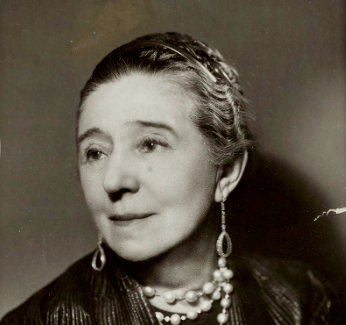
Part 2: Lanvin in the 1920s: The Robe de Style Era

The 1920s are remembered for the garçonne look with its straight lines, dropped waists and the liberated flapper vibe. But Jeanne Lanvin moved in a different direction. While the world embraced androgyny, Lanvin doubled down on structure, romance and historical influence.

Her answer to the decade’s modernism was the Robe de Style — a silhouette that became one of the most iconic signatures in couture history.

The Robe de Style: A Modern Reimagining of the 18th Century

Lanvin’s Robe de Style was architectural.

  • Fitted bodices
  • Full skirts inspired by panniers
  • Crisp structure balanced with softness
  • Intricate embroidery and beadwork
  • Pastel palettes and Lanvin Blue

The silhouette offered an alternative to the flapper dress — one that celebrated volume, craftsmanship and a kind of romantic grandeur that only Lanvin could execute.

Craftsmanship at Its Peak

Jeanne Lanvin’s atelier was known for its technical mastery.

  • Hand‑finished seams
  • Couture embroidery
  • Metallic threadwork
  • Silk organza, taffeta and satin
  • Sculptural construction

Her dresses moved like sculpture — structured yet fluid, ornate yet wearable.

Lanvin’s Clientele: Elite Women and Cultural Icons

Lanvin’s designs were worn by:

  • European aristocracy
  • American elites 
  • performers and actresses
  • women who wanted elegance and modernity 

The Robe de Style became a symbol of refinement — a counterpoint to the decade’s rebellion.

Why the 1920s Matter for Lanvin

This era defined the house’s DNA:

  • romance
  • structure
  • craftsmanship
  • colour
  • emotional storytelling through silhouette

Lanvin didn’t follow the decade — she shaped her own.

The Robe de Style remains one of the most important contributions to couture, a testament to Jeanne Lanvin’s ability to merge history with modernity.

I’m Stacey Hobbs, thanks for reading Face by Stace! Until next time.
do you feel fabulous today?
Part 2: 1960s: The Rise of Youth Culture

The early 1960s began with elegance, but by 1962–1963, the ground beneath fashion and beauty started to shift. A new force was rising — one that didn’t come from couture houses, society women or Parisian runways. It came from teenagers, specifically American teenagers. 

With the wake of youth culture, it wasn’t simply emerging; it was demanding attention.

Music, media and a growing sense of independence created a cultural tremor that signaled the decade was about to break open.

Beauty: Softer Lines, Subtle Rebellion

The early‑mid 60s face began to change. Not dramatically — but noticeably.

  • Eyeliner grew heavier
  • Brows sharpened
  • Lips paled
  • Hair became sleeker, less sculpted

The look was still polished but the softness of the early 60s was fading. A new kind of look was forming and emerging — one shaped by youth instead of etiquette.

Fashion: The First Cracks in Couture

Ready‑to‑wear began to challenge couture’s dominance.

  • Hemlines crept upward
  • Colours brightened
  • Silhouettes simplified
  • Clothing became more accessible

The world was shifting from exclusivity to expression. 
From refinement to rebellion. 
From tradition to experimentation.

Young adults and specifically teenagers weren’t just influencing culture — they were preparing to take it over entirely.

Culture: Music, Media and the Birth of Modern Influence

By 1963, culture itself was changing at a pace fashion had never seen.

  • The Beatles were about to redefine global youth identity.
  • Television brought trends into living rooms overnight.
  • Teen magazines became style bibles.
  • Record stores became cultural hubs.

For the first time, teenagers had:

  • spending power
  • influence
  • visibility
  • a collective voice

And they used it.

This was the moment the decade inhaled sharply, ready to exhale into revolution. I
t was only just the beginning.

I’m Stacey Hobbs, thanks for reading Face by Stace! Until next time.
do you feel fabulous today?