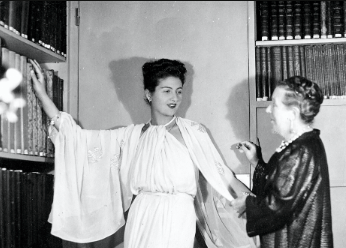
LANVIN: The Oldest Couture House in Paris and the Birth of Modern Culture

Lanvin is not just a fashion house, it is the originality of modern French elegance. One of the first fashion houses to exist is n Paris, which still stands today. Founded in 1889 by Jeanne Lanvin, the maison carries a legacy unlike any other: a woman who began as a milliner, became a dressmaker and ultimately shaped the visual language of elegance for the 20th century.

Lanvin is the oldest surviving couture house in Paris. And its story begins with a mother’s love.

Jeanne Lanvin: The Architect of Tender Elegance

Jeanne Lanvin’s career began with hats — delicate, sculptural and impeccably crafted. But her true breakthrough came when she began designing clothing for her daughter, Marguerite. The Paris elite noticed the mother‑daughter ensembles and soon Jeanne was dressing society women across the city.

Her aesthetic was un-mistakable:

  • soft femininity
  • romantic silhouettes
  • pastel palettes
  • intricate embroidery
  • artisanal craftsmanship

Lanvin wasn’t about drama — she was about devotion.

The Lanvin Look: Pastel, Romantic, Eternal

Jeanne’s designs defined a new kind of femininity.

  • Robes de style — her signature silhouette, blending 18th‑century panniers with 1920s modernity
  • Pastel tones — powder blue, blush pink, soft ivory
  • Embroidery + beading — artisanal, delicate, couture-level detail
  • Fluid draping — movement, softness, grace

Lanvin’s aesthetic was romantic, elegant and timeless. 

Lanvin Blue — A Color That Became a Signature

Jeanne Lanvin’s devotion to colour created one of fashion’s most iconic hues: 
Lanvin Blue.

Inspired by:

  • Renaissance frescoes
  • Marian iconography
  • the soft blue of childhood innocence

Lanvin Blue became a symbol of purity, elegance and emotional depth. It is still used by the house today.

The 1930s: Lanvin’s Golden Era

During the 1930s, Lanvin reached its artistic peak.

  • Bias-cut gowns
  • Velvet evening dresses
  • Intricate beadwork
  • Architectural draping

Jeanne’s work blended romance with modernity, creating silhouettes that moved like water and shimmered like light.

Her designs were worn by:

  • European aristocracy
  • American socialites
  • actresses and performers
  • women who wanted softness without sacrificing sophistication

Lanvin Today: Heritage Meets Modernity

Modern Lanvin carries Jeanne’s DNA:

  • romance
  • craftsmanship
  • softness
  • elegance

But it also embraces:

  • modern tailoring
  • bold silhouettes
  • contemporary edge

Lanvin remains one of the few houses where heritage is not a museum piece, it is a living heritage piece of elegance.

Why Lanvin Matters

Lanvin is the story of:

  • a woman who built an empire from love
  • a mother who turned devotion into couture
  • a designer who defined femininity for generations
  • a house that survived every cultural shift without losing its soul

Lanvin is a maison built on tenderness, craftsmanship and the belief that beauty should feel like a memory.

I’m Stacey Hobbs, thanks for reading Face by Stace! Until next time.
do you feel fabulous today?
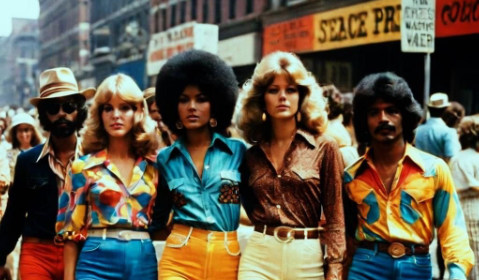
PART 3: 1970s Beauty + Fashion: The California‑Sun Era

The 1970s California‑Sun aesthetic was more than a trend — it was a cultural identity. It represented a new kind of American look: athletic, glowing, carefree and deeply connected to outdoor life. Beauty and fashion merged with lifestyle, creating a decade defined by movement, sunshine and effortless glamour.

Tanning culture was at the heart of this look. A bronzed complexion became the ultimate symbol of health and vitality. Women spent hours outdoors, embracing the sun as part of their beauty routine. The tan suggested freedom which translated to time to lounge, surf, skate or simply exist under the California sky. It was signaling a life filled with leisure and light.

Dieting culture reinforced the athletic ideal. The grapefruit diet, Scarsdale diet oh how we cannot forget the liquid diets, liquid diets dominated magazines, promising slim, toned bodies that matched the decade’s beauty standards. The jogging craze exploded after the 1977 bestseller The Complete Book of Running, making running a national obsession. Early health clubs emerged, promoting fitness as part of everyday life. Beauty was no longer just about the face — it was about the body as and remained as such for decades to come.

Athleticism became the defining silhouette. Farrah Fawcett embodied the look with her feathered hair, bright smile and sun‑lit glow. 
Cheryl Tiegs represented the sporty, beach‑ready ideal. 
Bo Derek’s braided look in 10 added a sculptural, sensual dimension to the California aesthetic. 
These ladies shaped the decade’s beauty narrative: active, glowing and effortlessly glamorous.

Hair trends reflected this movement. Feathered layers created bounce and motion, while centre‑parted long hair offered a sleek, natural alternative. Blow‑dry styling became a cultural ritual, giving hair volume and softness. Natural textures were embraced, aligning with the decade’s relaxed, sun‑lit vibe.

Makeup trends supported the California look. Bronzer became essential, adding warmth and dimension. Glossy lips created a fresh, youthful finish. Eye makeup remained minimal, allowing the skin’s natural glow to shine through. Brows stayed soft and natural, complementing the decade’s effortless aesthetic.

Fashion trends completed the picture. Bell bottoms, halter tops, high‑waisted jeans, wrap dresses, tube tops and platform shoes defined the era. Clothing was designed for movement from dancing, skating, running, to living. The rise of casual chic reflected a cultural shift toward comfort and self‑expression. California lifestyle became a national aspiration influencing fashion across the country.

Cultural influences cemented the aesthetic. Charlie’s Angels popularized athletic glamour. Roller disco brought sparkle and movement to nightlife. Surf culture shaped beauty ideals, promoting natural hair, bronzed skin, and effortless style. The California‑Sun era became a symbol of freedom, youth and modern culture.

1970s roller disco/thingsboomerslike.com

The 1970s California aesthetic remains one of the most influential beauty eras in history. It shaped how we understand glow, fitness, lifestyle beauty and effortless glamour. It was a decade where beauty and fashion was not just seen — it was lived.

I’m Stacey Hobbs, thanks for reading Face by Stace! Until next time.
do you feel fabulous today?

The Balenciaga Sleeve: Architecture in Motion

If Balenciaga had a signature, it was the sleeve. Not because he embellished it he rarely did but because he understood that a sleeve could define the entire silhouette. For him, the sleeve was not an accessory or a detail. 
It was architecture. 
It was structure. 
It was the element that determined how a garment moved, how it held space and how it transformed the body.

Balenciaga’s sleeves were engineered not sewn. He treated them like sculptural forms, shaping volume with mathematical precision. 
The bell sleeve, one of his most recognizable innovations, opened gently away from the arm in a soft, architectural curve. It created movement without decoration. 
The bracelet sleeve — cut shorter to reveal the wrist — was a study in proportion, proving that elegance could be achieved through subtraction rather than embellishment. 
His balloon sleeves, often paired with cocoon coats, expanded into rounded volumes that hovered around the body like protective shells. And his seamless sleeves, cut in one piece with the bodice were technical marvels that eliminated visual interruption and allowed the silhouette to flow with un-interrupted purity.

What made these sleeves revolutionary was not their shape alone but their intention. Balenciaga used sleeves to control the garment’s entire architecture. A sleeve could widen a silhouette, soften a shoulder, dissolve the waistline or create a sense of hovering volume. It could shift the centre of gravity, alter posture or re-define proportion. In Balenciaga’s hands, the sleeve became a structural tool, a way to sculpt space around the wearer rather than simply cover the arm.

This is why his sleeves still feel modern. They were never tied to a trend. They were tied to a philosophy: that beauty emerges from structure, that elegance begins with intention and that the smallest architectural decision can transform the entire garment. Designers who experiment with volume today — oversized coats, cocoon shapes, sculptural jackets, are working in a world Balenciaga built, often without realizing that the blueprint began with a sleeve.

The Balenciaga sleeve is a reminder that innovation does not always announce itself loudly. Sometimes it is a curve, a cut, a proportion, a decision that changes everything.

I’m Stacey Hobbs, thanks for reading Face by Stace! Until next time.
do you feel fabulous today?

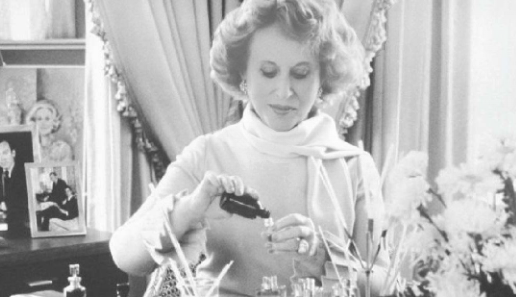
The Story of Estée Lauder

Estée Lauder was not simply a beauty founder, she was a visionary who re-shaped the modern cosmetics industry. Her story is one of ambition, intuition and relentless determination. She understood women, she understood desire and she understood the power of transformation long before beauty became a global business. Her rise from a modest New York upbringing to the helm of a world‑renowned empire is one of the most compelling stories in beauty history.

Born Josephine Esther Mentzer in 1906, Estée grew up in Queens, New York, where her fascination with skincare began early. Her Hungarian uncle, a chemist, taught her how to mix creams and taught her the belief that skin could be improved not just covered. These early formulations became the foundation of her future brand. Estée believed in results and she believed in touch. She insisted on demonstrating products directly on women’s faces, a technique that would later become her signature.

Her early career was built on hustle. Estée sold creams in beauty salons, at social clubs and eventually in department stores. She approached women directly, offering samples, performing demonstrations and speaking with conviction. She understood that beauty was personal and that women wanted to feel seen. Her charisma was magnetic. Her confidence was un-wavering. She made women believe in her products because she believed in them herself.

Estée’s breakthrough came when Saks Fifth Avenue agreed to carry her products. It was a turning point that transformed her from a determined entrepreneur into a rising force in luxury beauty. She revolutionized the industry with her marketing innovations. The “gift with purchase,” now a standard in cosmetics was her invention. She believed that generosity built loyalty and she was right. Women returned not just for the products but for the experience.

Her brand philosophy was simple: “Telephone, telegraph, tell a woman.” She understood word‑of‑mouth better than any marketer of her time. She knew that women trusted other women and she built her empire on that trust.

The 1960s became Estée Lauder’s defining decade. As beauty culture shifted toward modernity, youthfulness and global glamour, Estée positioned her brand at the centre of the movement. Her fragrances, especially Youth‑Dew, became cultural phenomena. Her skincare lines promised radiance, elegance and transformation. Her counters became destinations. Her blue‑and‑gold packaging became symbols of prestige.

Estée’s influence extended beyond products. She shaped how beauty was sold, how it was marketed and how women experienced it. She trained her saleswomen meticulously, insisting on elegance, knowledge and personal connection. She believed that beauty advisors were storytellers, more accurately ambassadors of confidence and glamour.

Her legacy is immense. Estée Lauder Companies grew into one of the largest beauty conglomerates in the world, encompassing brands like Clinique, MAC, Bobbi Brown, La Mer, Tom Ford Beauty, and Jo Malone. But at its core remains Estée’s original philosophy: beauty is personal, beauty is emotional and beauty is transformative.

Estée Lauder’s story is not just the history of a brand, it is the history of modern beauty itself. Her vision shaped the industry. Her innovations changed how women shop. Her determination built an empire. And her legacy continues to influence every corner of the beauty world today.

I’m Stacey Hobbs, thanks for reading Face by Stace! Until next time. 
do you feel fabulous today?

Belle Époque Beauty (1870s–1914): French Beauty History

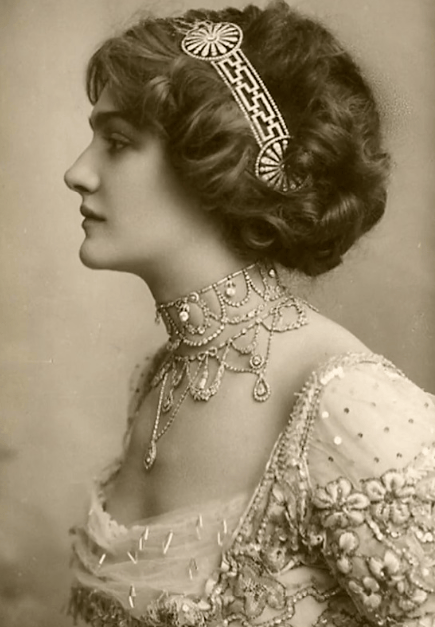
The Belle Époque ushered in a new era of optimism, modernity and indulgence and beauty culture blossomed accordingly. If the Second Empire prized ethereal delicacy, the Belle Époque celebrated radiance, vitality and cosmopolitan glamour. Paris became the global capital of beauty innovation with perfumers, hairdressers and cosmetic houses transforming the city into a laboratory of modern femininity of the time.

A New Ideal of Femininity

Beauty shifted from aristocratic fragility to modern vitality. Women embraced a look that suggested leisure, health and sophistication. The complexion remained pale but now with a natural flush — a sign of promenades, cafés, cycling and outdoor life.

The Rise of the Modern Beauty Industry

Cosmetic houses flourished:

  • Guerlain expanded its powders and rouges
  • Houbigant dominated perfumery
  • Leichner introduced theatrical makeup that filtered into everyday use

Beauty became commercial, accessible and aspirational — no longer confined to aristocratic circles.

Hairstyling Softens and Modernizes

The French interpretation of the Gibson Girl silhouette brought:

  • airy pompadours
  • soft waves
  • romantic looseness
  • early professional hairdressing techniques

Hairdressers like Antoine de Paris would soon revolutionize styling entirely but the Belle Époque laid the groundwork for the 20th‑century beauty industry.

Perfume as Identity

Fragrance became a personal signature. Popular notes included violet. heliotrope. rose and mimosa.

Perfume was no longer merely decorative — it was now an extension of personality.

Beauty and Modern Life

Electric lighting, department stores and photography transformed how women saw themselves. Beauty was no longer private; it was part of public life. Women curated their appearance for theatres, cafés and boulevards. This era marked the beginning of beauty culture as we know it today — modern, expressive and deeply intertwined with lifestyle.

I’m Stacey Hobbs, thanks for reading Face by Stace! Until next time.
do you feel fabulous today?

Part 1: Early 1960s Beauty + Fashion: The Last Breath of Elegance

By the time the early 1960s rolled around as it had transitioned from the 1950’s carrying with it the trends from the previous decade before settling into what trends and innovations that would define the decade ahead. As it so often happens the delicateness of Old Hollywood glamour, the Golden Age of Hollywood would be slipping through the fingers as it entered into a new era that greatly differed from previous decades all before the cultural tide shifted. Beauty was polished, mannered and deeply tied to social decorum in the 1950’s. Women still looked toward society figures and couture houses for direction and the decade began with a soft, ladylike aesthetic.

This was elegance with rules. A world where lipstick shades were chosen for propriety, hairstyles were set under the dryer and fashion followed the quiet choreography of etiquette.

Then entered the 1960’s to shake things up.

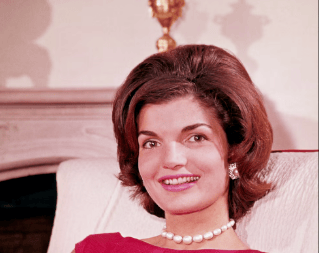
Jackie Kennedy/Courtesy from Harper’s Bazaar

Beauty: Pastel, Polished, Perfect

The early 60s face was gentle and composed — a portrait of femininity shaped by tradition.

  • Powdery matte skin
  • Pastel shadows in baby blue, mint and lilac
  • Creamy pink lipsticks
  • Delicate lashes, curled and feminine
  • Bouffants, flips and lacquered set styles

Jackie Kennedy emerged as the decade’s first beauty icon. Her pillbox hats, clean lines and understated glamour defined the early 60s woman — poised, polished and impeccably composed.

Fashion: Couture’s Last Stand

The early 60s wardrobe still belonged to the couture class.

  • Chanel tweed suits
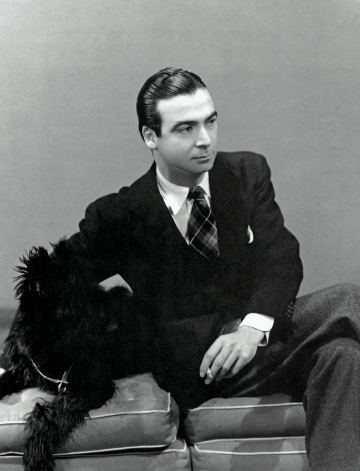
  • Oleg Cassini’s Camelot elegance
  • Dior’s refined silhouettes
  • Gloves, pearls, structured handbags

It was a world of structure and restraint — the final chapter of an era that was about to be swept away by youth, rebellion and cultural change.

The early 1960s were beautiful but they were also the calm before the storm. A poised inhale before the decade exhaled into revolution.

I’m Stacey Hobbs, thanks for reading Face by Stace! Until next time.
do you feel fabulous today?