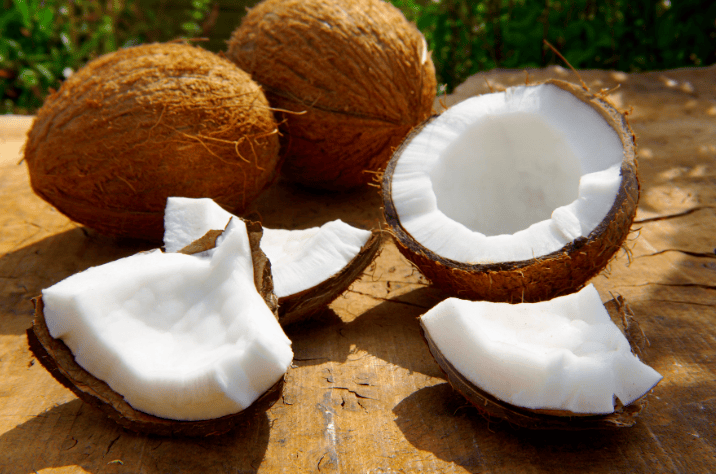
Food and Beauty Recipes: Coconut Series: Coconut Glow Hydration Mask (Beauty Recipe)

There are ingredients that feel sun‑kissed even in the middle of winter, and coconut has always been one of them. Long before it became a modern wellness staple, coconut was woven into beauty rituals across tropical regions, coconuts became a symbol of nourishment, softness, and the kind of natural radiance.

Historical Notes
Coconut has been used in beauty rituals for centuries across South Asia, Polynesia, and the Caribbean. In Ayurvedic tradition, coconut oil was considered a cooling ingredient — used to soothe the skin, calm inflammation, and nourish hair. Polynesian women used coconut oil daily to protect their skin from sun and saltwater, creating the signature glossy glow associated with island beauty. In the 1950s, Hollywood adopted coconut oil as a pre‑beach ritual, linking it to bronzed, glamorous summer skin.

Coconut’s longevity in beauty culture comes from its versatility: food, oil, milk, and scent — all tied to nourishment and softness.

Today, coconut remains one of the most versatile ingredients in the food‑and‑beauty world — a quiet reminder that radiance often comes from simplicity.

Coconut Beauty Benefits

Skin Softening
Coconut oil melts into the skin, leaving it supple, moisturized, and subtly luminous. Its natural fatty acids help reinforce the skin barrier, making it ideal for dry climates or winter months.

Hair Nourishment
Used as a pre‑wash treatment, coconut oil helps reduce protein loss in hair, leaving strands smoother, shinier, and more resilient.

Gentle Exfoliation
Combined with sugar or fine salt, coconut oil becomes a lush, hydrating scrub that polishes the skin without stripping it.

Inner Wellness
Coconut milk and coconut water offer hydration and healthy fats that support skin from within — beauty that begins in the kitchen.

Coconut Glow Hydration Mask (Beauty Recipe)

A soothing, hydrating, radiance‑boosting mask inspired by global coconut beauty rituals.

Prep 5 min  Cook 0 min  Serves 1 mask treatment

Ingredients

  • 1 tbsp Virgin coconut oil
  • 1 tsp Raw honey
  • 1 tsp Finely ground oats (optional for soothing)
  • 1–2 drops Lavender or tea tree oil (optional)
  • Warm water for rinsing

Instructions

  1. Prep the base
    In a small bowl, stir together coconut oil and honey until fully blended and glossy.
  2. Add soothing elements
    Mix in finely ground oats for extra calming benefits, especially for sensitive or reactive skin.
  3. Enhance with botanicals
    Add one or two drops of lavender or tea tree oil for calming or clarifying effects.
  4. Apply
    Spread a thin, even layer over freshly cleansed skin, avoiding the eye area.
  5. Rest
    Leave on for 10–15 minutes to allow the coconut oil and honey to deeply hydrate.
  6. Rinse
    Remove with warm water and gently pat dry with a soft towel.
  7. Finish
    Follow with a lightweight moisturizer to seal in hydration.

Coconut has been a cornerstone of beauty rituals across South Asia, Polynesia, and the Caribbean for centuries. Women used coconut oil to soften skin, protect against sun and salt, and maintain hair strength in tropical climates. Honey, meanwhile, appears in Egyptian and Greek beauty texts, praised for its humectant and antibacterial properties.

By the 1930s, coconut‑oil cold creams appeared in Western beauty catalogs, marketed as “exotic moisturizers” that promised radiance and softness. The modern clean‑beauty movement revived these ancestral ingredients, celebrating their simplicity and effectiveness.

This mask is a contemporary expression of those traditions — gentle, nourishing, and rooted in global beauty heritage.

Beauty Benefits

Coconut Oil

  • Deep hydration for dry or dull skin
  • Strengthens the skin barrier
  • Lauric acid offers antimicrobial support

Honey

  • Natural humectant → draws moisture into the skin
  • Antibacterial → supports clearer complexion
  • Antioxidants help protect against environmental stress

Oats (Optional)

  • Beta‑glucans soothe irritation
  • Ideal for sensitive or reactive skin

Lavender / Tea Tree

  • Lavender calms redness and stress
  • Tea tree clarifies and balances oil

Coconut has always been more than an ingredient. Across this series, it revealed itself as a global beauty symbol — a thread running through tropical cuisines, ancestral hair rituals, wellness movements and modern clean‑eating culture. Every creator explored illuminated a different facet of coconut’s personality:

  • Jillian Harris brought out its bright, feminine comfort.
  • Love & Lemons highlighted coconut’s citrus‑fresh, plant‑forward elegance.
  • Tori Wesszer leaned into coconut’s gentle, nurturing wellness.
  • The Recipe Critic revealed its bold, crispy, weeknight versatility.
  • Giada De Laurentiis paired coconut with Italian lightness and coastal refinement.
  • Gordon Ramsay showcased coconut’s ability to stand up to heat, spice, and intensity.
  • Ricardo Cuisine grounded coconut in warm, rustic, Québécois‑meets‑global comfort.
  • Pardon Your French connected coconut to nostalgic French provincial baking.

I’m Stacey Hobbs, thanks for reading Face by Stace! Until next time.
do you feel fabulous today?
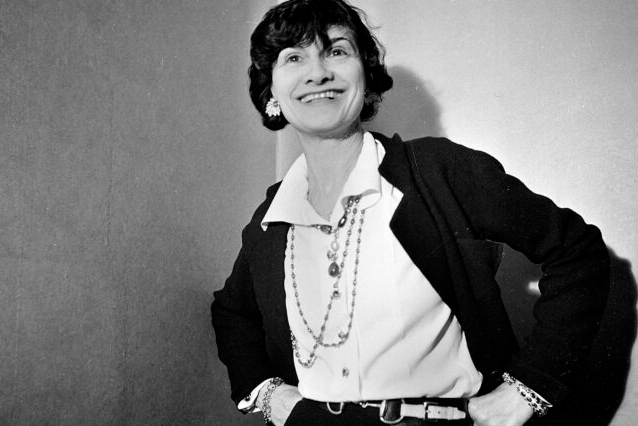
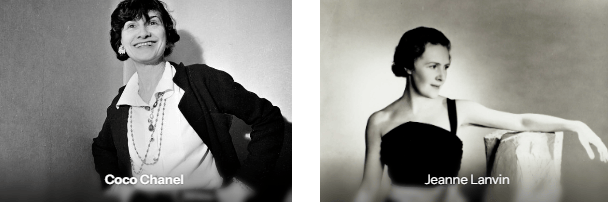
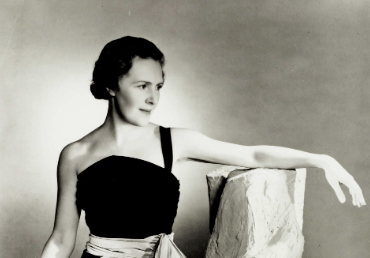
The Feud Series: Queens of Paris Chanel vs. Lanvin: Part 4 Legacy: Who History Crowned

The Final Question: Who Did History Choose?

By the time the dust settled on their decades‑long rivalry, Chanel and Lanvin had shaped not only Parisian fashion but the global definition of elegance. Yet history — as it always does — made its choice. Not based on popularity not based on social circles but based on endurance, cultural imprint and the ability to evolve beyond the woman who started it all.

This is where their feud reaches its most revealing chapter.

Chanel: The Myth That Became a Machine

Coco Chanel’s legacy is not just a fashion house — it is a cultural phenomenon.

Her impact endures because she created:

  • a silhouette
  • a philosophy
  • a lifestyle
  • a brand identity that transcended her lifetime

Chanel’s legacy rests on several pillars:

1. The Eternal Silhouette
The little black dress, the tweed suit, the ballet flat, the quilted handbag — these are not trends. They are permanent fixtures in the global fashion vocabulary.

2. The Power of Modernity
Chanel’s vision of the modern woman — independent, streamlined, intelligent — became the blueprint for the 20th‑century.

3. The Perfume That Never Died
Chanel No. 5 is not just a fragrance; it is the most famous perfume in the world. It keeps the Chanel name alive in every country, every decade, every generation.

4. The House That Reinvented Itself
Karl Lagerfeld’s arrival in 1983 ensured Chanel didn’t become a museum. He transformed the brand into a global powerhouse, proving that Chanel’s DNA was flexible enough to evolve.

Chanel’s legacy is alive, active and continuously expanding.

Lanvin: The House That History Softened

Jeanne Lanvin’s legacy is quieter — but deeply respected.

Lanvin’s contributions endure through:

  • couture craftsmanship
  • embroidery ateliers
  • mother‑daughter dressing
  • the iconic Lanvin Blue
  • the fragrance Arpège

Lanvin’s legacy rests on artistry rather than cultural dominance.

1. The Couture Purist
Lanvin’s work represents the height of Parisian craftsmanship. Her robes de style remain some of the most studied garments in fashion history.

2. The Emotional Designer
Her devotion to her daughter Marguerite shaped the brand’s identity — a softness, a femininity, a gentleness that set her apart.

3. The House Without a Myth
Lanvin did not cultivate a persona the way Chanel did. She was private, domestic and un-interested in celebrity. This preserved her dignity but limited her global reach.

4. The Legacy That Needed Protection
Without a Lagerfeld‑like figure to reinvent the brand, Lanvin struggled to maintain cultural dominance in the late 20th century. The house still exists — but its influence is niche not universal.

Lanvin’s legacy is respected, archival and cherished by historians but not mainstream.

The Verdict: Who Did History Crown?

History crowned Chanel.

Not because she was more talented. Not because she was more beloved. But because her brand became capable of evolving, expanding and adapting to every decade that followed.

Chanel became:

  • a global symbol
  • a cultural shorthand
  • a fashion empire
  • a myth that outgrew the woman

Lanvin became:

  • a couture treasure
  • a historian’s favourite
  • a symbol of Parisian refinement
  • a house admired but not universally recognized

Both women shaped fashion. But only one shaped culture.

The Chanel vs. Lanvin feud reveals a truth about legacy:

Legacy is not about who wins in the moment — it’s about who continues to matter.

Chanel matters in:

  • fashion
  • beauty
  • fragrance
  • pop culture
  • celebrity
  • luxury branding

Lanvin matters in:

  • couture history
  • museum collections
  • archival study
  • craftsmanship appreciation

Both are queens. 
But history crowned one.

I’m Stacey Hobbs, thanks for reading Face by Stace! Until next time.
do you feel fabulous today?
The Feud Series: Queens of Paris Chanel vs. Lanvin: Part 3: Social Circles, Clients + Business Competition

The Paris Power Map: Where Fashion Was Decided

By the late 1920s and early 1930s, Paris wasn’t just the fashion capital it was the social capital. Designers didn’t simply compete on hemlines or silhouettes; they competed on who they dressed, who they dined with, and who whispered their names in the salons of the Right Bank.

Chanel and Lanvin operated in the same city but they moved through very different social ecosystems — and those ecosystems shaped their clientele, their reputations and ultimately, their legacies.

Chanel: The Social Strategist

Coco Chanel understood one thing better than anyone: visibility equals power.

Her social circle was a curated constellation of:

  • aristocrats
  • artists
  • writers
  • wealthy lovers
  • British high society
  • Parisian tastemakers

Chanel didn’t wait for clients to come to her — she placed herself in the rooms where influence lived. Her friendships with figures like Misia Sert, the Duke of Westminster, and Diaghilev weren’t accidental. They were strategic alliances that:

  • elevated her brand
  • expanded her reach
  • positioned her as the designer of modernity

Chanel’s clients wanted to be seen as current, intelligent, cosmopolitan and un-bound by tradition. Her social circle reflected that energy.

Lanvin: The Society Favourite

Jeanne Lanvin’s world was different — softer, more domestic, more aristocratic and deeply rooted in old‑world Parisian elegance.

Her clientele included:

  • established French families
  • society hostesses
  • mothers and daughters
  • women who valued refinement over rebellion

Lanvin’s salons were filled with women who wanted:

  • embroidery
  • craftsmanship
  • femininity
  • continuity
  • tradition

Lanvin didn’t chase social circles; she cultivated them. Her reputation grew through:

  • word‑of‑mouth
  • family loyalty
  • multi‑generational clients
  • Parisian social continuity

Where Chanel represented the future, Lanvin represented the lineage.

Two Designers, Two Clienteles — One City

Their rivalry intensified because they weren’t fighting for the same woman — they were fighting for the symbolic definition of Parisian womanhood.

Chanel’s Woman

  • independent
  • modern
  • athletic
  • socially mobile
  • intellectually curious
  • un-afraid of simplicity

Lanvin’s Woman

  • elegant
  • traditional
  • socially established
  • refined
  • feminine
  • loyal to couture heritage

This wasn’t just fashion competition. 
It was ideological competition.

Business Competition: The Battle for Paris

By the early 1930s, both houses were expanding aggressively.

Chanel’s Business Strategy

  • perfumes (No. 5 dominating globally)
  • sportswear
  • ready‑to‑wear concepts
  • international expansion
  • celebrity visibility
  • modern branding

Chanel was building an empire.

Lanvin’s Business Strategy

  • couture
  • children’s wear
  • Lanvin Blue branding
  • intricate embroidery workshops
  • fragrance (Arpège)
  • multi‑generational loyalty

Lanvin was building a dynasty.

Their competition wasn’t loud — it was constant, quiet and everywhere:

  • who dressed the most influential women
  • who defined the season
  • who Paris talked about
  • who international buyers visited first
  • who the press photographed
  • who set the tone for elegance

Paris was the battleground. 
Social circles were the weapons. 
Clients were the trophies.

Why This Feud Still Matters

Chanel and Lanvin weren’t just designers — they were architects of identity.

Their rivalry shaped:

  • how women saw themselves
  • how fashion houses built clientele
  • how social circles influenced branding
  • how Paris became the global fashion capital

Fashion is never just about clothes — it’s about who you stand beside, who you dress and who speaks your name in the right rooms.

I’m Stacey Hobbs, thanks for reading Face by Stace! Until next time.
do you feel fabulous today?
PRADA: PART II: The Nylon Revolution

Milan, 1985. The city hums with industry, steel, machinery, the metallic rhythm of progress. Fashion, at this moment, is drenched in glamour: gold lamé, lacquered leather, sequins that catch the nightclub lights. Milan is rising as Italy’s new fashion capital, but its aesthetic language is still rooted in sensuality and shine.

And then, quietly, almost defiantly, Miuccia Prada introduces a material no one in luxury has ever dared to touch: military‑grade nylon.

It arrives with intention. A black nylon backpack — sleek, utilitarian, almost severe — appears in Prada’s collection. It looks nothing like the decade’s excess. It is anti‑glamour. 
Anti‑ornament. 
Anti‑fashion. 
And yet, it is magnetic.

The fashion world doesn’t understand it at first. Nylon is industrial. Nylon is functional. Nylon is what soldiers wear, what travellers carry, what everyday life uses and discards. It is not precious. It is not couture. It is not luxury.

But Miuccia sees something no one else sees.

She sees power in the un-expected. She sees beauty in the ordinary. She sees luxury in the intellectual act of re-imagining a material’s purpose.

The nylon backpack becomes a manifesto — a rebellion disguised as an accessory. It challenges every assumption about what luxury should be. It rejects the hierarchy of materials. It rejects the idea that elegance must shimmer. It rejects the decade’s obsession with spectacle.

In a single stroke, Miuccia Prada re-writes the rules.

The revolution is not visual; it is philosophical. Nylon becomes a symbol of modernity — urban, cerebral, subversive. It speaks to women who want power without ornament, style without compromise, identity without performance. It becomes the accessory of thinkers, architects, editors, and intellectuals. It becomes the uniform of a new kind of woman: one who values ideas over decoration.

The world begins to pay attention.

By the early 1990s, Prada’s nylon has become a cultural phenomenon. It appears in magazines, on runways, in the hands of women who move through cities with purpose. It becomes shorthand for a new aesthetic: ugly chic, the deliberate tension between beauty and awkwardness, elegance and utility. Prada’s nylon pieces — backpacks, totes, cosmetic bags — become icons of a generation that rejects traditional glamour in favour of something sharper, smarter and more emotionally complex.

Miuccia’s nylon revolution does more than change Prada. It changes fashion itself. It ushers in an era where luxury can be intellectual, where minimalism can be emotional, where materials can carry meaning beyond their surface. It positions Milan not just as a centre of craftsmanship but as a centre of ideas.

This is the moment Prada steps out of the past and into the future. 
This is the moment Italian fashion becomes modern. 
This is the moment nylon becomes couture.

The revolution was quiet. 
The impact was seismic.

I’m Stacey Hobbs, thanks for reading Face by Stace! Until next time.
do you feel fabulous today?
Food and Beauty Recipes: Coconut Series: Pardon Your FrenchInspired: French Coconut Pie

There are ingredients that feel sun‑kissed even in the middle of winter, and coconut has always been one of them. Long before it became a modern wellness staple, coconut was woven into beauty rituals across tropical regions, coconuts became a symbol of nourishment, softness and the kind of natural radiance.

Historical Notes
Coconut has been used in beauty rituals for centuries across South Asia, Polynesia, and the Caribbean. In Ayurvedic tradition, coconut oil was considered a cooling ingredient — used to soothe the skin, calm inflammation, and nourish hair. Polynesian women used coconut oil daily to protect their skin from sun and saltwater, creating the signature glossy glow associated with island beauty. In the 1950s, Hollywood adopted coconut oil as a pre‑beach ritual, linking it to bronzed, glamorous summer skin.

Coconut’s longevity in beauty culture comes from its versatility: food, oil, milk, and scent — all tied to nourishment and softness.

Today, coconut remains one of the most versatile ingredients in the food‑and‑beauty world — a quiet reminder that radiance often comes from simplicity.

Coconut Beauty Benefits

Skin Softening
Coconut oil melts into the skin, leaving it supple, moisturized, and subtly luminous. Its natural fatty acids help reinforce the skin barrier, making it ideal for dry climates or winter months.

Hair Nourishment
Used as a pre‑wash treatment, coconut oil helps reduce protein loss in hair, leaving strands smoother, shinier, and more resilient.

Gentle Exfoliation
Combined with sugar or fine salt, coconut oil becomes a lush, hydrating scrub that polishes the skin without stripping it.

Inner Wellness
Coconut milk and coconut water offer hydration and healthy fats that support skin from within — beauty that begins in the kitchen.

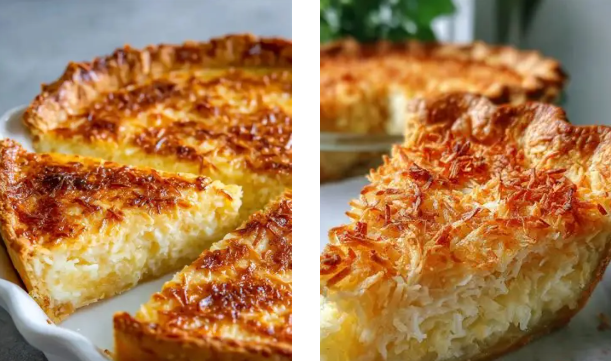
Pardon Your French–Inspired French Coconut Pie

Prep 10 min  Cook 45 min  Serves 8

French Coconut Pie Recipe: The Easiest Dessert You’ll Ever Make – Nummy Recipes/nummyrecipes.com

Ingredients

  • 1 un-baked 9-inch pie shell
  • 1 cup granulated sugar
  • 1 cup sweetened shredded coconut
  • 3 large eggs
  • 1/2 cup un-salted butter, melted
  • 1 tsp vanilla extract
  • 1 tbsp all-purpose flour
  • 1/4 tsp salt

Instructions

  1. Preheat
    Preheat your oven to 350°F (175°C).
  2. Mix wet ingredients
    Whisk eggs, melted butter, and vanilla until smooth.
  3. Add dry ingredients
    Stir in sugar, flour, salt, and shredded coconut until fully combined.
  4. Fill the crust
    Pour the mixture into the unbaked pie shell and smooth the top.
  5. Bake
    Bake for 40–45 minutes until the top is golden and the center is set.
  6. Cool
    Let the pie cool completely to allow the custard to firm before slicing.

Sources: lindacooking.comlindacooking.com. 

Historical Context

French coconut pie is a charming example of French provincial baking meeting North American pantry staples. While coconut is not native to France, it entered French kitchens through colonial trade routes in the 19th century. Home cooks embraced it for its long shelf life and its ability to mimic the richness of almond‑based frangipane.

By the mid‑20th century, French coconut pie became a beloved “church supper” and café dessert across French‑influenced regions, including Québec. Its simplicity — sugar, eggs, butter, coconut — reflects the rustic elegance that defines Pardon Your French: un-fussy, nostalgic and rooted in heritage.

Beauty Benefits of This Recipe

Coconut

  • Healthy fats support skin barrier strength
  • Natural glow‑enhancing moisture
  • Contains lauric acid with antimicrobial benefits

Eggs

  • Protein supports collagen
  • Biotin strengthens hair and nails

Butter

  • Fat‑soluble vitamins (A & E) nourish skin
  • Supports elasticity

Vanilla

  • Contains antioxidants that help protect skin cells

Coconut has always been more than an ingredient. Across this series, it revealed itself as a global beauty symbol — a thread running through tropical cuisines, ancestral hair rituals, wellness movements and modern clean‑eating culture. Every creator explored illuminated a different facet of coconut’s personality:

  • Jillian Harris brought out its bright, feminine comfort.
  • Love & Lemons highlighted coconut’s citrus‑fresh, plant‑forward elegance.
  • Tori Wesszer leaned into coconut’s gentle, nurturing wellness.
  • The Recipe Critic revealed its bold, crispy, weeknight versatility.
  • Giada De Laurentiis paired coconut with Italian lightness and coastal refinement.
  • Gordon Ramsay showcased coconut’s ability to stand up to heat, spice, and intensity.
  • Ricardo Cuisine grounded coconut in warm, rustic, Québécois‑meets‑global comfort.
  • Pardon Your French connected coconut to nostalgic French provincial baking.

I’m Stacey Hobbs, thanks for reading Face by Stace! Until next time.
do you feel fabulous today?

Queens of Paris Chanel vs. Lanvin: Part 2: Minimalism vs. Ornamentation

Paris in the 1920s was a city vibrating with reinvention. Jazz spilled from smoky clubs, Art Deco lines carved themselves into architecture, and couture houses rose like temples along the Rue du Faubourg Saint‑Honoré. It was a decade of speed, electricity, and ambition and at its centre stood two women shaping the future of fashion with opposing visions.

Coco Chanel and Jeanne Lanvin were no longer milliners. They were empresses.

Their feud, once a quiet tension, now pulsed through the salons of Paris. Critics compared them relentlessly. Clients whispered about them over tea at the Ritz. Journalists framed them as aesthetic opposites, two poles of femininity pulling the city in different directions.

And they were.

Chanel: The Modernist Rebel

Chanel’s world was sharp, architectural, and un-compromising. She stripped fashion down to its bones — jersey, tweed, black, white, clean lines, freedom of movement. Her clothes were liberation. She rejected ornament as frivolous, colour as sentimental, and tradition as suffocating.

Her woman walked fast. 
Her woman worked. 
Her woman refused to be decorative.

Chanel’s aesthetic was a revolution — and revolutions demand enemies.

Lanvin: The Romantic Couturière

Lanvin’s world was the opposite: soft, luminous, and emotionally intelligent. Her gowns floated, her embroidery shimmered, her colours glowed like frescoes. She believed beauty was nourishment, not rebellion. Her silhouettes honoured the body rather than defied it. Her embellishment was delicate, spiritual, and precise.

Her woman glided. 
Her woman dreamed. 
Her woman embraced elegance as a form of self‑expression.

Lanvin’s aesthetic was devotion — and devotion demands defenders.

Paris Chooses Sides

The city divided itself.

Women who wanted power chose Chanel. 
Women who wanted poetry chose Lanvin. 
Women who wanted both found themselves torn between two queens.

The rivalry intensified not through public insults, but through design. Each collection felt like a response to the other. Chanel would debut a stark black dress; Lanvin would unveil a gown in celestial blue. Chanel would cut away ornament; Lanvin would introduce embroidery that looked like starlight. Chanel would champion simplicity; Lanvin would elevate complexity.

It was a duel fought in silk and jersey, in colour and absence, in philosophy and silhouette.

The Press Fans the Flames

Fashion writers adored the drama. They framed Chanel as the future and Lanvin as the heart. They described Chanel’s woman as modern and Lanvin’s woman as eternal. They wrote about the tension between minimalism and ornamentation as if it were a cultural war — and in many ways, it was.

Paris was not witnessing a feud. Paris was witnessing a clash of ideologies.

Two Queens, One Battlefield

By the late 1920s, Chanel and Lanvin were no longer simply rivals. They were symbols — embodiments of two visions competing for dominance in a rapidly changing world.

Chanel’s modernism.
Lanvin’s romanticism. 
Two empires. 
One city. 
One feud that shaped the century.

Part II is the aesthetic war — the moment their rivalry becomes legend.

I’m Stacey Hobbs, thanks for reading Face by Stace! Until next time.
do you feel fabulous today?