Canada vs. America: Speakeasies and the Culture of Hidden Nightlife

Speakeasies are remembered as an American invention, smoky rooms, jazz rhythms, clinking glasses, and the glamour of rebellion. But Canada had its own version of underground drinking culture, shaped by regional politics, geography, and a very different relationship with Prohibition. When you place the two countries side by side, the contrast becomes striking. 

America turned speakeasies into a legend. 
Canada turned speakeasies into practicality.

Prohibition Speakeasy in Toronto, Ontario, Canada/Now Toronto
Speakeasy in Toronto, Ontario, Canada
American Speakeasy/Vice.com
American Speakeasy/Animalia-life.club
American Speakeasy

1. The American Speakeasy: 
Glamour Born in the Shadows

American Prohibition (1920–1933) created a national underground nightlife. When alcohol became illegal everywhere, nightlife went underground everywhere. The speakeasy became the beating heart of the era, a cultural phenomenon that would shape fashion, beauty, music, and the identity of the modern world. 

What defined the American speakeasy?

  • Jazz, which was the soundtrack of rebellion
  • Dim lighting to hide illegal drinking
  • Password‑protected doors and hidden basements
  • Mixed crowds, men and women, races, classes
  • Flapper glamour: beaded dresses, finger waves, smoky eyes
  • Gangster influence: organized crime controlling supply

Speakeasies were bars, later to become a cultural legend. They produced new aesthetics, new freedoms, and a new kind of modern woman. Women having become confident, visible, and glamorous.

America’s speakeasy was a symbol. 
A rebellion.

2. The Canadian Speakeasy: 
Practical, Regional and Less Mythologized

Canada’s Prohibition was never national (except briefly during WWI). Each province voted independently, creating a patchwork of dry and wet regions. Because alcohol production remained legal for export, Canada never needed the same level of underground nightlife.

Canadian equivalents existed, but they were different:

  • Blind pigs (illegal bars in rural areas)
  • Back‑room drinking in hotels and restaurants
  • Private clubs/Speakeasies in cities like Montreal, Toronto, and Vancouver
  • Liquor smuggled from wet provinces to dry ones: Wet provinces Ontario, for example, and dry provinces Alberta, as for example.
  • Cross‑border drinking: Canadians visiting U.S. speakeasies and vice versa.

When it came to Canadian speakeasies, it less about prohibition, and more about the cabaret. Speakeasies in Canada, were more European and American influenced, which is why cabarets in the speakeasies were popular. In fact, Americans would travel to Canada, specifically to Montreal to attend these speakeasies, even referring to Montreal as the Paris of North America, during the 1920s. Canadian nightlife was more on the modern side. It lacked the national drama, the jazz‑era glamour, and the cinematic rebellion that defined American speakeasies.

Canada’s underground drinking was quieter, more practical, less stylish, less dangerous, less culturally transformative. 

Canada didn’t need the American version of a speakeasy culture. It had established its own version of the speakeasy culture. 

If you’re interested, you can check out Canadian speakeasies: 
Canada’s Speakeasy Culture: Less Prohibition, More Cabaret: European‑Leaning Entertainment Culture – It’s Life with Stacey Hobbs

3. Fashion & Beauty: 
Speakeasy Glamour vs. Canadian Modernity

United States

Speakeasies shaped style with shimmering dresses designed for low light, cloche hats and long necklaces, dramatic make-up (thin brows, dark lips, smoky eyes), finger waves and glossy curls, bias‑cut gowns that moved with jazz rhythms

Beauty became nocturnal — bold, seductive, and intentionally rebellious.

Canada

Canadian style followed American trends but with more restraint. Canadian styled revolved around rural women adopted finger waves and lipstick, women remained practical, relying on home styling, dresses were simpler, sturdier, and less embellished, and glamour existed, but mostly in big cities and in private clubs/speakeasies.

Canadian beauty was modern, modest, conservative, as opposed to provocative, in all locations, whether it be a small-town or a big-city. Canadian fashion was stylish, just not subversive.

4. Crime & Culture: 
Organized Crime vs. Organized Workarounds

United States

Speakeasies were tied directly to organized crime

  • bootlegging empires
  • gang violence
  • bribery of police and politicians
  • national networks supplying illegal liquor

The danger added to the glamour.

Canada

Canada’s underground drinking was shaped by:

  • regional smuggling
  • cross‑border rum‑running
  • legal distilleries exporting to the U.S.
  • local police turning a blind eye

Crime existed, but it was smaller, quieter, and less violent. But still violent, hello Rocco Perri, aka “King of Bootleggers” and “Canada’s Al Capone”, who bribed federal police. 

Canada supplied the liquor. 

5. Social Meaning: 
Rebellion vs. Resilience

United States

Speakeasies symbolized defiance, modernity, gender liberation, racial mixing, and cultural experimentation. 

Speakeasies became iconic legends of the Jazz Age.

Canada

Canadian underground drinking symbolized practicality, regional autonomy, with a quiet resistance, and social continuity.

It was not a cultural revolution. 
It was a workaround.

I’m Stacey Hobbs, thanks for reading! Until next time.
do you feel fabulous today?
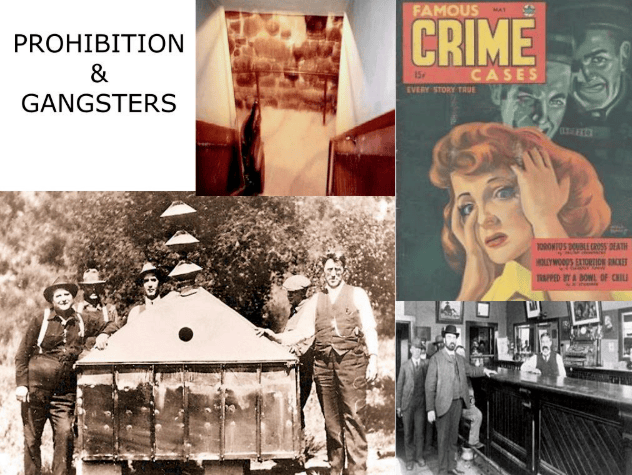
America vs. Canada: Prohibition Gangsters and the Business of the Dry Era

Prohibition created gangsters, but not equally. 

Canada supplied the liquor.
America supplied the legend.

In the United States, the dry era produced legends, men of whom built empires, controlled cities, and turned illegal liquor into a national industry.

Whereas in Canada, the story was more on the quieter side of things, more pragmatic, and shaped by geography and export loopholes. Canada had smugglers, bootleggers, and local crime figures, that intertwine with American gangsters, particularly Rocco Perri, also known as the “King of Bootleggers” and “Canada’s Al Capone,” aside from Perri who would bribe federal police, it was not often common for Canadian gangsters to resort to bribery. With that said, in comparison to America, Canadian gangsters existed just as much and were just as prominent and important as American gangsters; Canadian gangsters, such as Perri hailing from Italy, were widely covered in the press, and yet still remained on the quiet side in comparison. Canadian gangsters found in primarily in both Toronto, Montreal, as well as in Nova Scotia, and overall the Maritime provinces in the 1920s, bootlegging to American gangsters and American markets during the American Prohibition, is debatable if whether or not Canadian gangsters had not the same equivalency of the gangster of the mythical American gangster culture that defined America’s 1920s and early 1930s. Canadian gangsters were and still are more low key, underground, but just as ruthless, strategic, businessmen, as American gangsters. 

When you place the two countries side by side, the contrast reveals how law, culture, and opportunity shape criminal identity.

1. America: The Gangster as Cultural Icon

American Prohibition (1920–1933) created the perfect conditions for organized crime. A national ban, massive demand, and a population willing to drink regardless of the law. Gangsters became businessmen — ruthless, strategic, and often charismatic.

The American gangster was defined by:

  • National networks supplying liquor across states
  • Speakeasy empires in major cities
  • Violence and territorial warfare
  • Bribery of police, judges, and politicians
  • Public notoriety and media fascination

Names like Al Capone, Dutch Schultz, Lucky Luciano, and Bugs Moran became symbols of the era — men who controlled cities, shaped nightlife, and turned Prohibition into a billion‑dollar underground economy.

American gangsters were not just criminals. 
They were cultural figures feared, admired, and mythologized.

2. Canada: 
The Smuggler, the Bootlegger, and the Operator

Canada’s Prohibition was provincial, inconsistent, and shorter. Alcohol production remained legal for export, which meant Canadian distilleries could operate openly while American gangsters fought for supply.

Canada’s criminal world during Prohibition was shaped by:

  • regional smuggling networks
  • cross‑border rum‑running
  • local bootleggers
  • small‑scale organized crime
  • legal distilleries feeding illegal U.S. markets

Canadian crime figures were rarely national celebrities, with the rare exception of Rocco Perri. They were practical operators who discovered that smuggling whisky across the Great Lakes or the Windsor–Detroit corridor could be more profitable than legitimate work.

3. The Border: 
Where Canadian Quiet Met American Chaos

The U.S.–Canada border became one of the most important liquor pipelines in the world. Canadian whisky flowed south in staggering quantities, fueling American speakeasies and gangster empires.

Key corridors included:

  • Windsor–Detroit: the busiest smuggling route
  • The Great Lakes: rum‑running by boat
  • The Maritimes: shipping liquor to New England
  • Prairie backroads: moving alcohol into the northern U.S. states

Canadian rum‑runners, some of whom were Canadian gangsters, were skilled navigators, often outrunning American patrol boats. But unlike American gangsters, they avoided violence, for the most part. Their goal was profit, not territory.

Canada supplied the liquor. 
America supplied the legend.

4. Violence: 
America’s Brutality vs. Canada’s Restraint

United States

American gangsters used violence as strategy. Assassinations, bombings, turf wars, and headline‑making massacres, most infamously the St. Valentine’s Day Massacre, became tools of control rather than moments of chaos. Intimidation of witnesses and officials kept cities in a state of quiet terror, while the sheer brutality of their methods turned crime into spectacle. It was a ruthless theatre, performed in alleys, speakeasies, and city streets, shaping both public fear and the media’s fascination with the underworld.

Canada

Canadian Prohibition crime was far less violent. Smuggling relied on stealth rather than warfare, and while corruption existed, it operated on a smaller, more pragmatic scale. Violence was rare and usually confined to local disputes, which were economic in nature rather than territorial. Canada’s underworld was defined by opportunity, less on brutality, it doesn’t mean that it didn’t exist. It was largely, however, a quieter, business‑driven ecosystem that stood in stark contrast to the theatrical violence un-folding south of the border.

5. Business Models: 
Empires vs. Networks

United States

Gangsters built vertically integrated empires that stretched from production to politics. Illegal stills fed distribution networks, which in turn supplied speakeasies owned or controlled by the same criminal organizations. Protection rackets ensured compliance, while strategic bribery secured political influence and insulated operations from law enforcement. These weren’t loose collections of criminals, they were structured, multi‑layered enterprises capable of controlling entire cities.

Canada

Canadian criminals built smuggling networks that moved quietly across the border. Their operations depended on partnerships with legal distilleries, discreet transport routes, and informal alliances with American buyers who handled the riskier end of the trade. These were pragmatic, business‑first arrangements designed to keep liquor flowing without drawing attention. Canadian bootleggers controlled supply, not cities, a logistical underworld defined by opportunity rather than domination.

6. Cultural Legacy: 
Myth vs. Memory

United States

American gangsters became cultural icons, immortalized in film, literature, and the broader imagination of the Jazz Age. They emerged as symbols of rebellion and modernity, their stories re-told through Hollywood glamour and hard‑boiled fiction. What began as organized crime evolved into a distinctly American legend, a cinematic legacy woven into the country’s cultural identity.

Canada

Canadian Prohibition criminals became regional legends rather than national icons, with the exception of Rocco Perri, dubbed in regional, and at times, federal media as “King of the Bootleggers” or “Canada’s Al Capone.” Their stories survive mostly as footnotes in border history, tales of ingenuity, quiet opportunism, and the practical realities of supplying a thirsty market. They were remembered for clever routes, discreet partnerships, and logistical skill, not for rebellion or spectacle. Their legacy is practical, shaped by commerce rather than culture.

I’m Stacey Hobbs, thanks for reading! Until next time.
do you feel fabulous today?
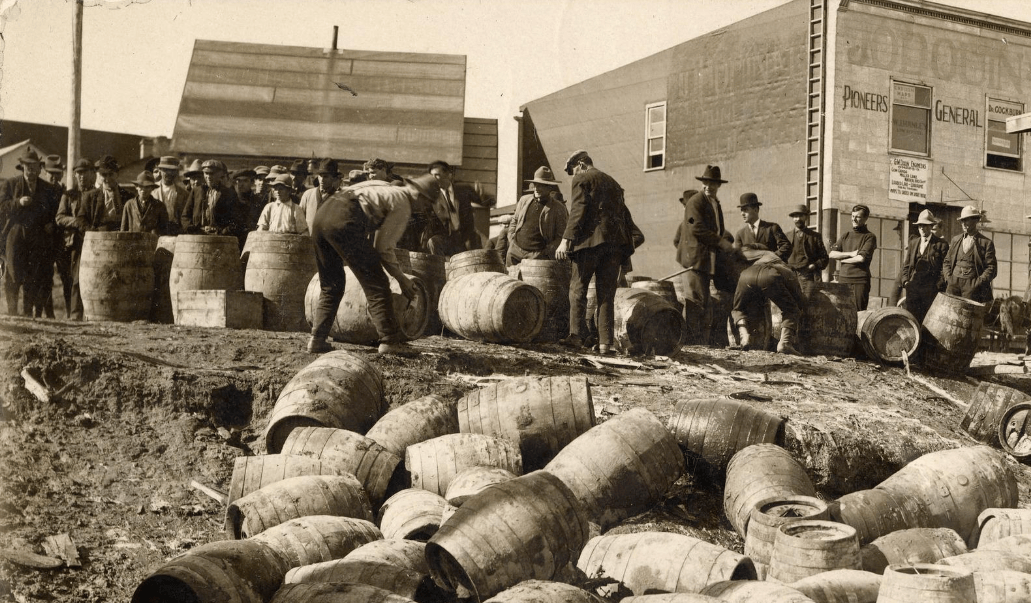
Canada vs. the United States: Two Prohibitions, Two Outcomes

Prohibition is often remembered as an American story: speakeasies, gangsters, flappers, and the long shadow of the Volstead Act. But Canada lived its own version, a more quieter, shorter, more pragmatic, and shaped by regional politics rather than national ideology. When you place the two countries side by side, the contrast becomes striking. Prohibition was not one movement. It was two experiments, each revealing what happens when governments try to legislate morality against human behaviour.

The American Ideal vs. the Canadian Patchwork

The United States approached Prohibition with absolutism. The 18th Amendment and the Volstead Act attempted to eliminate alcohol entirely, production, sale, importation, transportation. It was a moral crusade elevated to constitutional law, driven by temperance activists who believed sobriety could be engineered through force.

Canada took a different path. Prohibition was provincial, not national. Each province voted independently, creating a patchwork of dry and wet regions. Even during Canada’s brief wartime federal ban, alcohol production for export remained legal. The Canadian approach was less ideological, more logistical, and ultimately more flexible.

America tried to change the country. 
Canada tried to manage it.

Enforcement: 
Chaos vs. Compromise

American enforcement was doomed from the start. The federal government lacked the manpower, funding, and political unity to police an entire nation’s drinking habits. Corruption flourished. Speakeasies multiplied. Organized crime exploded. Prohibition became a theatre of hypocrisy; public virtue, private indulgence.

Canada’s enforcement varied by province, and while it was inconsistent, it was never as catastrophic. Because production remained legal, Canadian distillers continued operating, and exporting. Enforcement focused on domestic sale, not total eradication. The result was less chaos, fewer criminal empires, and a faster path to repeal.

America fought a war it couldn’t win. 
Canada negotiated a reality it couldn’t ignore.

Economics: 
The Black Market vs. the Export Market

In the United States, Prohibition destroyed legitimate industries and created a violent underground economy. Bootlegging became a billion‑dollar enterprise. Cities like Chicago and New York became battlegrounds for criminal syndicates who controlled the flow of illegal liquor.

Canada, meanwhile, became America’s supplier. Legal Canadian distilleries exported vast quantities of alcohol to the U.S., fueling the very black market American law sought to eliminate. Canadian companies prospered. American crime networks thrived. The border became a pipeline, one country enforcing a ban, the other quietly feeding it.

America created demand. 
Canada supplied it.

Duration: 
Thirteen Years vs. a Brief Experiment

American Prohibition lasted from 1920 to 1933, thirteen years of conflict, corruption, and cultural upheaval.

Canada’s bans were shorter. Most provinces repealed Prohibition by the mid‑1920s. Prince Edward Island held out until 1948, but the rest of the country moved quickly to regulated sales.

Canada abandoned the ideal long before America admitted defeat.

Culture: 
Fantasy vs. Pragmatism

American Prohibition re-shaped culture. It produced jazz‑era nightlife, speakeasy glamour, gangster culture rise and woven into American culture, and a national conversation about freedom, morality, and rebellion. It became part of the American identity, a dramatic, cinematic chapter in the country’s history.

Canada’s Prohibition left a quieter legacy. It was a political experiment, not a cultural revolution. Its most lasting impact was economic, with the rise of distillers who supplied the American underground. Culturally, Canada returned to regulated drinking without the legendary American experience. 

America turned Prohibition into legend. 
Canada turned it into policy.

Two Countries, Two Lessons

Prohibition failed in both nations, but for different reasons.

In the United States, it failed because it tried to re-shape society through force. 
In Canada, it failed because it tried to regulate behaviour that was never fully unified across provinces.

America’s failure was dramatic.
Canada’s failure was inevitable.

Together, they reveal the same truth; you cannot outlaw desire. You can only re-direct it, and Prohibition re-directed it into the shadows, across borders, and into the hands of those willing to profit from it.

Courtesy via ar.inspiredpencil.com

I’m Stacey Hobbs, thanks for reading! Until next time.
do you feel fabulous today?

Why Prohibition Failed in Canada + the U.S.: The Anatomy of an Impossible Law

Prohibition did not fail because people suddenly developed a taste for rebellion. It failed because it attempted to legislate morality in a way that ignored human behaviour, economic reality, and the limits of enforcement. Both Canada and the United States discovered the same truth; banning alcohol did not eliminate demand. It simply changed where alcohol came from, who controlled it, and how dangerous the trade became.

Prohibition was built on idealism, a belief that removing alcohol would remove social disorder, domestic violence, poverty, and moral decline. But the movement underestimated the complexity of the societies it sought to reform. It imagined that a legal ban could override culture, habit, and economics. Instead, it created a perfect storm of unintended consequences.

The first reason Prohibition failed was demand. Alcohol was deeply embedded in daily life across both countries. It was social, cultural, and economic. People did not stop wanting it simply because the law changed. In the United States, demand surged underground. In Canada, demand shifted to “medicinal” prescriptions, private clubs/speakeasies, and cross‑border smuggling. The law did not eliminate drinking; it eliminated transparency.

The second reason was enforcement. Prohibition required a level of policing that neither country could sustain. In the U.S., enforcement was underfunded, inconsistent, and riddled with corruption. Local police, federal agents, and politicians were often complicit in the very trade they were meant to suppress. Canada faced similar challenges, especially because its laws varied province by province. A patchwork of regulations created loopholes, confusion, and opportunities for evasion. Enforcement became symbolic rather than effective.

The third reason was economics. Prohibition destroyed legitimate industries and created lucrative illegal ones. Distilleries and breweries closed or shifted to export markets. Smugglers, bootleggers, and organized crime syndicates filled the vacuum. In the U.S., gang networks flourished, turning cities into battlegrounds. In Canada, legal distilleries continued producing alcohol for export, feeding American demand and enriching Canadian companies. The black market became more profitable than the legal one had ever been.

The fourth reason was public hypocrisy. Prohibition depended on widespread moral compliance, but society quickly split into two realities: the official one, where alcohol was banned, and the lived one, where people drank anyway. Speakeasies multiplied. Doctors wrote whiskey prescriptions. Politicians drank privately while condemning drinking publicly. The law became a performance, one that eroded trust in government and exposed the gap between legislation and behaviour.

The final reason Prohibition failed was culture. Alcohol was not simply a substance; it was a social ritual. Prohibition attempted to erase a cultural practice without addressing the underlying reasons people drank. It treated alcohol as the cause of social problems rather than a symptom of deeper issues. By focusing on the bottle instead of the conditions that made people reach for it, the movement misdiagnosed the problem entirely.

In the end, Prohibition collapsed under the weight of its contradictions. It promised moral improvement, but delivered crime, corruption, and chaos. It sought to protect society, however instead fractured it. It imagined a sober utopia, instead it created an underground economy that was more dangerous than the legal one it replaced.

Prohibition failed because it tried to change behaviour through force rather than understanding. It tried to control culture through law rather than through social reform. And it tried to solve complex human problems with a single, simplistic solution.

The lesson is made abundantly clear; you cannot outlaw desire. In fact, you can only re-direct it.

I’m Stacey Hobbs, thanks for reading! Until next time.
do you feel fabulous today?
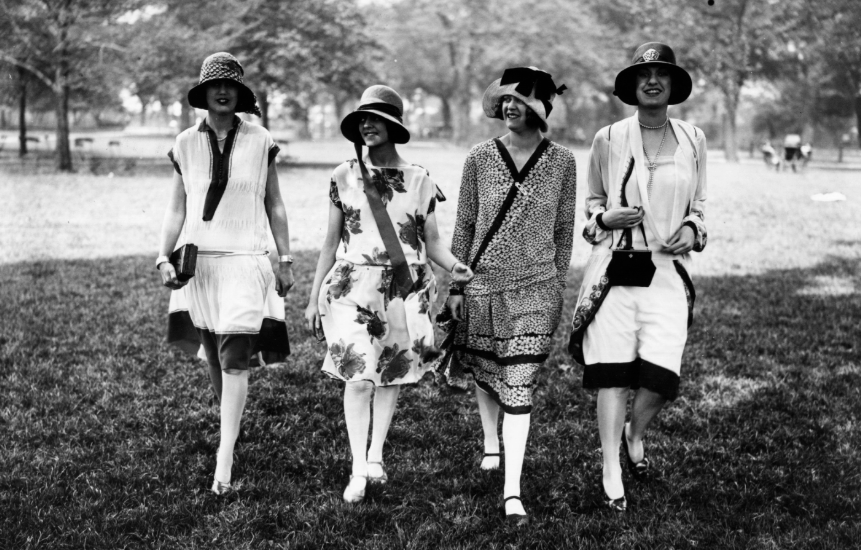
Prohibition and Style: How Canada and the United States Reimagined Fashion + Beauty in the Dry Era

Now that we’ve laid out the political, economic, and social foundations of Prohibition, we can finally turn to how this era reshaped the fashion and beauty industry.

Prohibition re-shaped more than nightlife. It re-shaped the aesthetics. When alcohol went underground, glamour followed — slipping into speakeasies, private clubs/speakeasies, and hidden rooms where fashion and beauty became symbols of rebellion, sophistication, and modern identity. Yet the way Prohibition influenced style differed sharply between Canada and the United States, shaped by culture, enforcement, and the emotional climate of each country.

Prohibition didn’t just change what people drank. It changed how they dressed.

1. The Mood Shift: From Public Glamour to Private Seduction

United States

American Prohibition created a new kind of glamour, one of which was born in the shadows of prohibition. Speakeasies became cultural, where style evolved away from public scrutiny. Women embraced slinky evening dresses, metallic fabrics, beaded details, daring necklines, and dramatic makeup.

Speakeasies were seductive, modern, and intentionally transgressive. Fashion became an act of defiance.

Canada

Canada’s Prohibition was shorter, less dramatic, and more regionally fragmented. Without a national speakeasy culture, Canadian fashion shifted more subtly:

  • urban women followed American trends.
  • rural women remained practical.
  • glamour existed, but without it being underground.

Canadian style absorbed the era’s mood, however it did not become a symbol of rebellion in the same way.

America’s glamour went underground.
Canada’s glamour stayed above ground, but softened.

2. Beauty: The Rise of the “Speakeasy Face” vs. Canadian Practicality

United States

Beauty became bolder during Prohibition. In hidden bars and jazz clubs, women embraced deep berry or wine‑red lipstick, smoky eyes, thin, dramatic brows, and glossy waves and finger curls.

Cosmetics were inexpensive luxuries, small rebellions women could afford. The beauty industry flourished, driven by Hollywood and nightlife.

Canada

Canadian beauty culture followed American trends but with more restraint. Lipstick remained popular, but shades were softer; grooming emphasized neatness over drama; urban salons offered finger waves and permanents; rural women relied on home styling and drugstore basics.

Beauty in Canada was modern and conservative, as opposed to it being provocative. It reflected practicality rather than rebellion.

American beauty was nocturnal.
Canadian beauty was daylight‑friendly.

3. Fashion Materials & Making: Thrift, Innovation, and the Economics of Prohibition

Prohibition overlapped with economic uncertainty, especially in Canada, where the Depression arrived early in resource‑dependent regions.

United States

Speakeasy fashion encouraged silk, satin, and velvet for evening wear; metallic thread embroidery; and bias‑cut dresses that moved with jazz rhythms.

But outside nightlife, women embraced thrift by re-working older garments, simplifying silhouettes, and choosing fabrics that transitioned from day to night.

Prohibition created a dual wardrobe: practical by day, glamorous by night.

Canada

Canadian fashion leaned more heavily into practicality wool, flannel, and sturdy cotton; dresses designed for durability; fewer evening garments, more daywear; and catalog patterns from Eaton’s and Simpson’s guiding national style.

Even in cities, Canadian women balanced modernity with climate, budget, and social norms.

Prohibition glamour existed in Canada, it was however, quieter, rarer, and more urban.

4. Cultural Meaning: Style as Rebellion vs. Style as Modernity

United States

Fashion during Prohibition became symbolic. A form of rejection of moral policing, a celebration of autonomy, and a fusion of jazz culture and modern femininity.

The speakeasy women became an icon; glamorous, independent, and modern.

Canada

Fashion carried a different meaning. A form of a reflection of urban modernization, a negotiation between tradition and modernity, and a quieter embrace of new beauty norms.

Canadian style evolved, but without the political charge of American nightlife.

I’m Stacey Hobbs, thanks for reading! Until next time.
do you feel fabulous today?
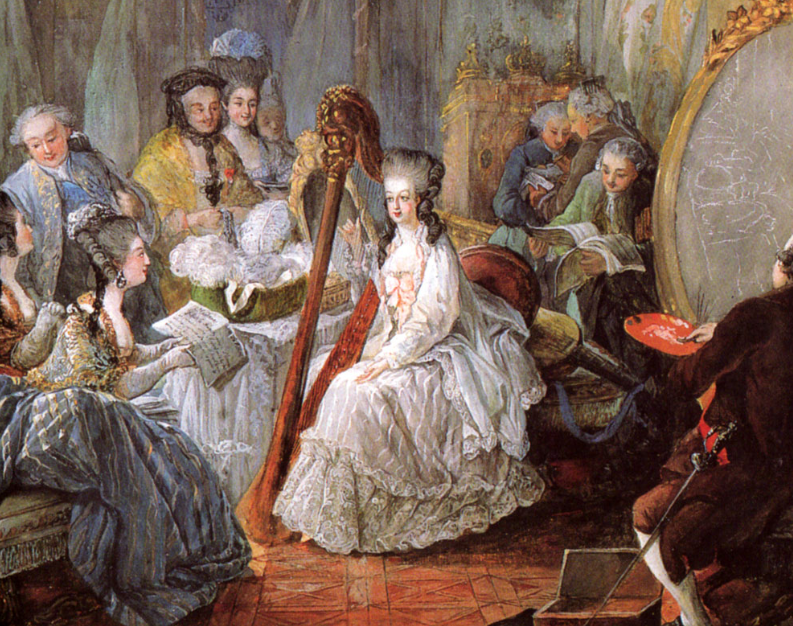
Beauty During the French Revolution

When the French Revolution erupted in 1789, beauty did not simply change, it was weaponized. The elaborate aesthetics of Versailles, once symbolized royal power, became evidence of corruption, excess, and detachment. Beauty had helped build the monarchy’s image, and now it helped dismantle it. In the streets of Paris, powdered wigs, towering poufs, and jewel‑encrusted gowns were no longer admired; they were condemned. The Revolution demanded a new visual language, one that rejected aristocratic extravagance and embraced simplicity, virtue, and citizenship.

Courtesy via classx.org
Hairstyles during the French Revolution/inspiredpencil.com

The first transformation was immediate. Powder disappeared. White, perfumed face powder, once essential to court identity, became politically dangerous. It symbolized privilege, foreign imports, and waste. Revolutionaries mocked powdered faces as relics of a dying regime. Natural skin, un-painted and un-adorned, became a declaration of solidarity with the people. Beauty shifted from ornament to authenticity.

Hair followed. The towering constructions of Versailles, which required wire frames, horsehair padding, and hours of labour, collapsed overnight. In their place came short, practical hairstyles inspired by classical antiquity. Women wore their hair loose, curled, or tied with simple ribbons. Men adopted cropped cuts that signaled equality rather than rank. Even the infamous “coiffure à la victime” — a style mimicking the short haircuts given to prisoners before execution, became a macabre fashion statement, a reminder of the Revolution’s violence and its rejection of aristocratic vanity.

Clothing transformed just as dramatically. The Revolution embraced muslin dresses, lightweight and unstructured, inspired by Greco‑Roman ideals of purity and democracy. These gowns, once dismissed as too plain for court, became symbols of political virtue. Their simplicity stood in stark contrast to the brocades and silks of Versailles. Women who wore muslin aligned themselves with the new Republic; those who clung to aristocratic fashion risked suspicion, ridicule, or worse.

Beauty also became a tool of political identity. The tricolour cockade, blue, white, and red, was worn proudly on hats, dresses, and hair. Cosmetics were used sparingly, if at all. Perfume, once a hallmark of French luxury, was simplified into herbal waters and citrus distillations. The Revolution demanded transparency, and beauty followed suit. Anything excessive, scented, powdered, or gilded carried the risk of being interpreted as counter‑revolutionary.

Yet even in this era of austerity, beauty did not disappear. It adapted. Revolutionary women like Théroigne de Méricourt and Madame Roland used their appearance strategically, presenting themselves with deliberate simplicity to signal virtue, intelligence, and political commitment. Beauty became a moral statement rather than a decorative one. The new aesthetic valued restraint, clarity, and naturalism, which is a stark contrast to the theatricality of Versailles.

This period marked a profound turning point in French beauty history. The Revolution did not merely reject the monarchy’s aesthetic; it redefined beauty as a civic responsibility. In the ashes of aristocratic excess, France began to rebuild its identity around simplicity, authenticity, and democratic ideals. And in the decades that followed, these principles would evolve again — shaping the Empire style, the salons of the Belle Époque, and eventually the modern French beauty philosophy that still influences the world today.

I’m Stacey Hobbs, thanks for reading! Until next time.
do you feel fabulous today?