Medieval Europe: Herbal Balms and Floral Waters

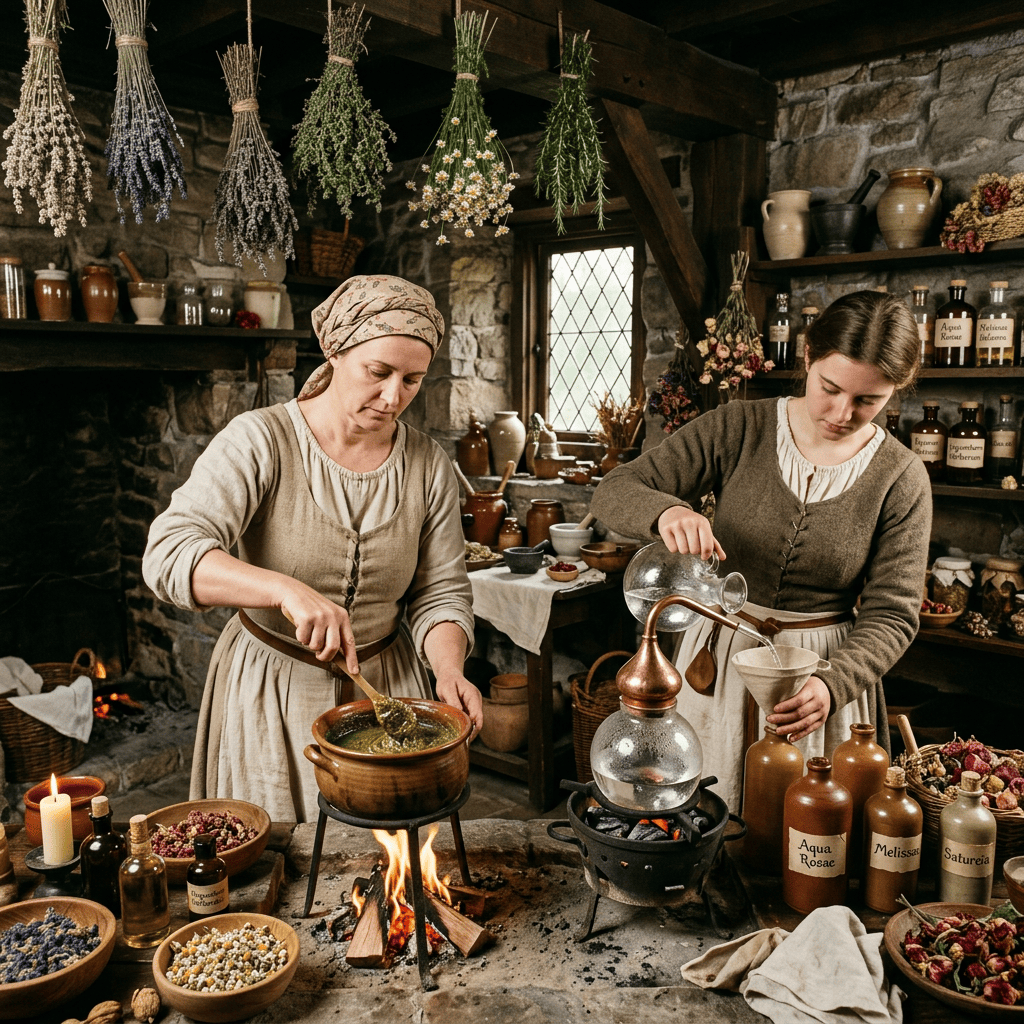
In Medieval Europe, beauty rituals were shaped by nature, practicality, and the quiet craftsmanship of everyday life. Without access to refined oils or modern cosmetics, women turned to herbal balms and floral waters made from ingredients grown in monastery gardens, cottage plots, and wild meadows. These preparations were simple yet surprisingly effective, forming the foundation of early European skincare.
Two women preparing herbal remedies in a stone apothecary
Two women prepare herbal mixtures in a warmly lit medieval apothecary.

Herbal balms were created by gently warming animal fats or early plant oils with herbs such as lavender, rosemary, chamomile, sage and calendula. Once infused, the mixture was strained and stored in small pots. These balms softened dry skin, protected against harsh weather, and offered subtle aromatherapeutic benefits. Lavender and rosemary were prized for their cleansing qualities, while calendula was used to soothe irritation and support healing — a natural remedy for the roughness caused by cold winters and outdoor labour.

Floral waters, or early hydrosols, were produced through primitive distillation techniques. Rosewater became the era’s most beloved beauty tonic, used to freshen the face, brighten the complexion, and lightly perfume the skin. Elderflower water was another favourite, believed to soften and refine. These waters were considered both luxurious and accessible, offering a gentle elegance in an otherwise rugged period.

Medieval Europe’s beauty rituals reveal a world where skincare was rooted in nature, simplicity, and quiet refinement — proving that even in the most challenging eras, beauty remained a thoughtful, botanical art.

I’m Stacey Hobbs, thanks for reading Face by Stace! Until next time.
do you feel fabulous today?
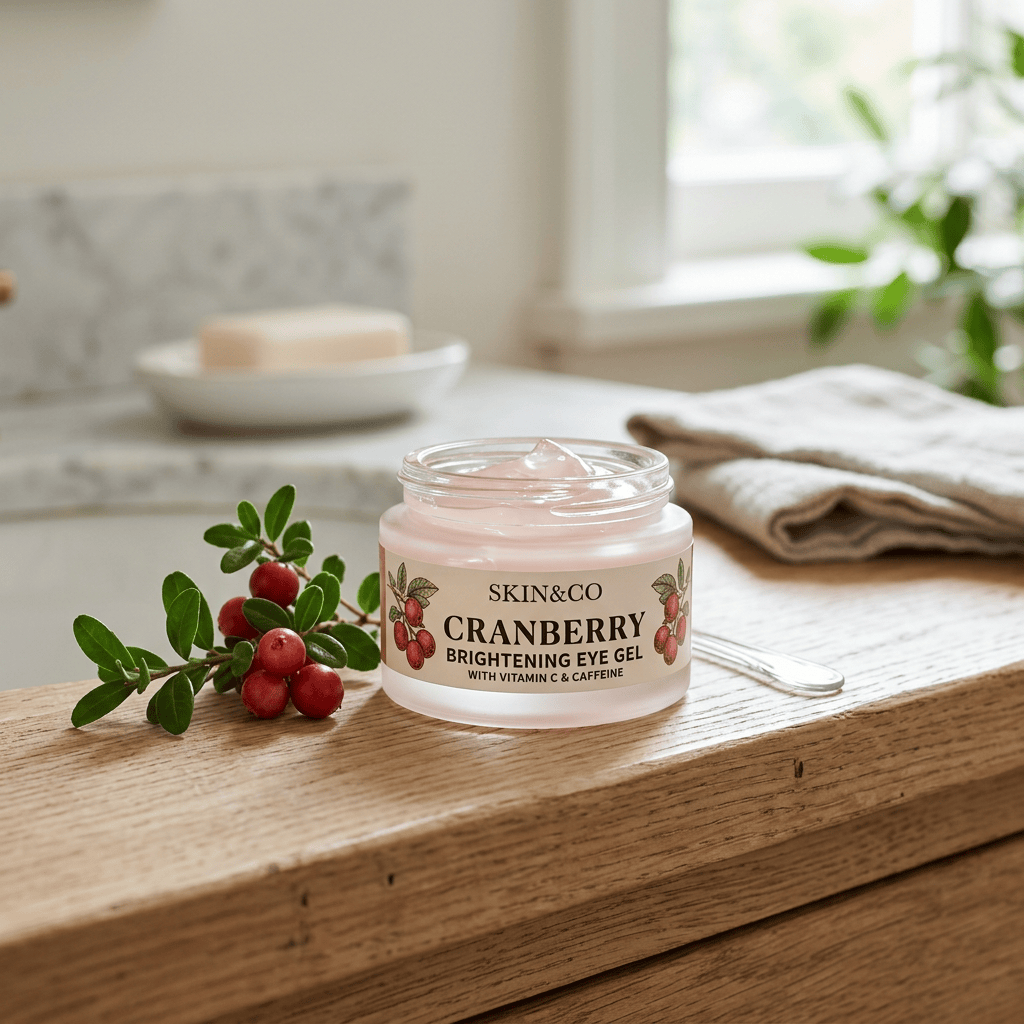
Cranberry Brightening Eye Gel

A cooling, antioxidant‑rich gel that brightens, depuffs, and protects collagen around the eyes.

Description

This gel is feather‑light and soothing. Cranberry’s PACs and vitamins brighten the under‑eye area while aloe and cucumber calm puffiness.

Beauty Benefits

  • PACs protect collagen in delicate eye tissue .
  • Vitamin C brightens dark circles.
  • Aloe hydrates and calms.
  • Cucumber cools and depuffs.
  • Natural acids refine texture gently.

Ingredients

  • 1 tsp cranberry juice
  • 1 tsp aloe vera gel
  • 1 tsp cucumber juice
  • Optional: 1 drop rosehip oil

Instructions

Mix all ingredients in a food processor. Apply under the eyes for 5–8 minutes. Rinse gently.

Storage

Keeps 48 hours refrigerated.

Substitutions

  • Replace cucumber with chamomile tea for sensitive eyes.
  • Replace aloe with glycerin for a thicker gel.

I’m Stacey Hobbs, thanks for reading Face by Stace! Until next time.
do you feel fabulous today?
Ancient Greek Cosmetics

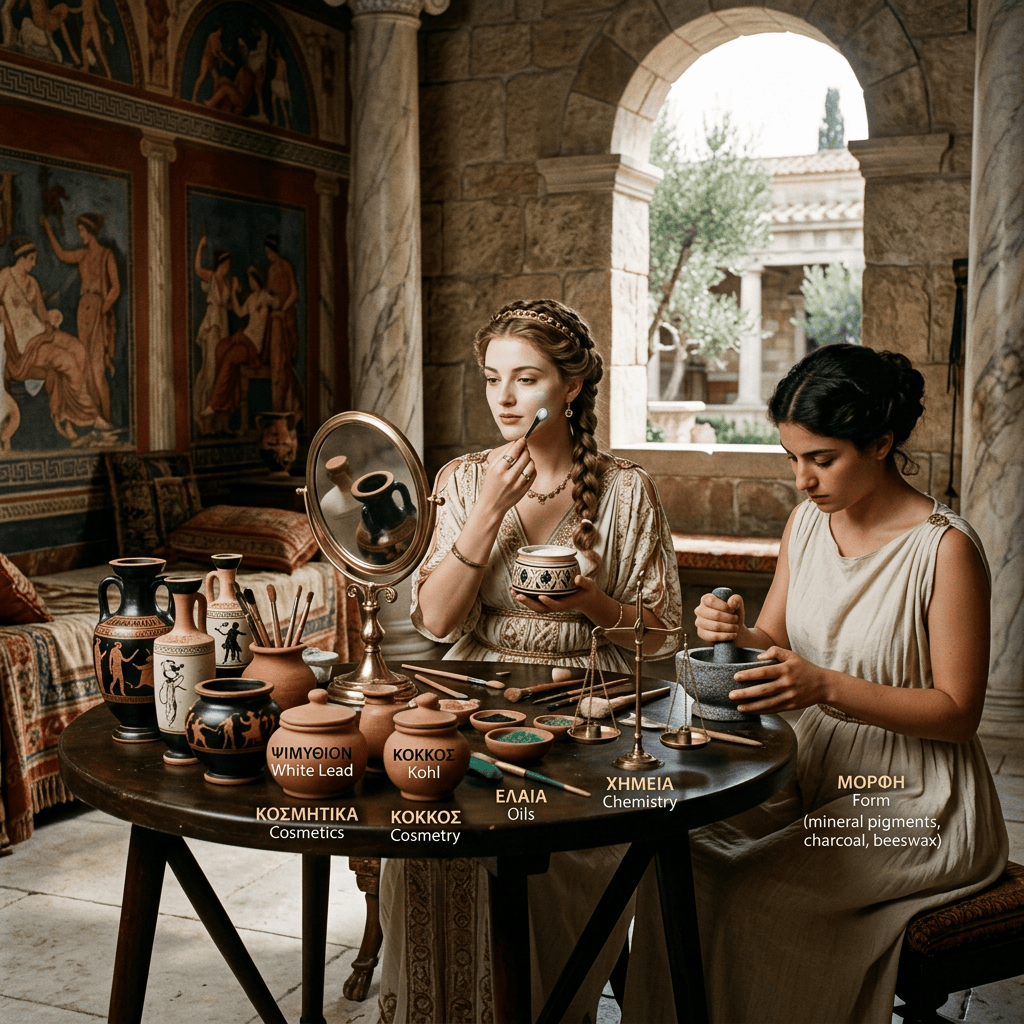
Cosmetics in Ancient Greece were more than surface enhancement — they were a reflection of status, philosophy and early cosmetic chemistry. Greek women approached beauty with intention, using pigments, pastes, oils, and botanicals to express purity, refinement and cultural ideals.

The Ideal Greek Complexion

Greek beauty centred on pale, luminous skin, symbolizing wealth and an indoor life of leisure. To achieve this look, women used psimythion, a white lead paste blended with oils or animal fats. Though unsafe by modern standards, historically it created the porcelain finish associated with elite femininity.

Colour, Definition & Early Pigments

For lips and cheeks, Greek women used red ochre, crushed berries or alkanet root to add soft colour. Eyes were defined with kohl, charcoal, or soot mixed with oils — subtle compared to Egyptian styles but still essential for shaping the gaze. Brows were darkened with burnt cork or natural pigments to frame the face.

Skincare as Ritual

Greek women relied on honey, milk, yogurt, olive oil and herbal pastes to soften, cleanse, and brighten the skin. Honey masks delivered glow, milk and yogurt offered gentle exfoliation, and olive oil served as both moisturizer and makeup remover — reflecting the Greek belief that beauty and wellness were inseparable.

Beauty & Social Tension

Cosmetics carried cultural weight. Philosophers like Plato and Xenophon criticized makeup as “deception,” yet women across classes used it daily. Beauty in Greece existed at the intersection of aesthetics, morality and identity.

I’m Stacey Hobbs, thanks for reading Face by Stace! Until next time.
do you feel fabulous today?
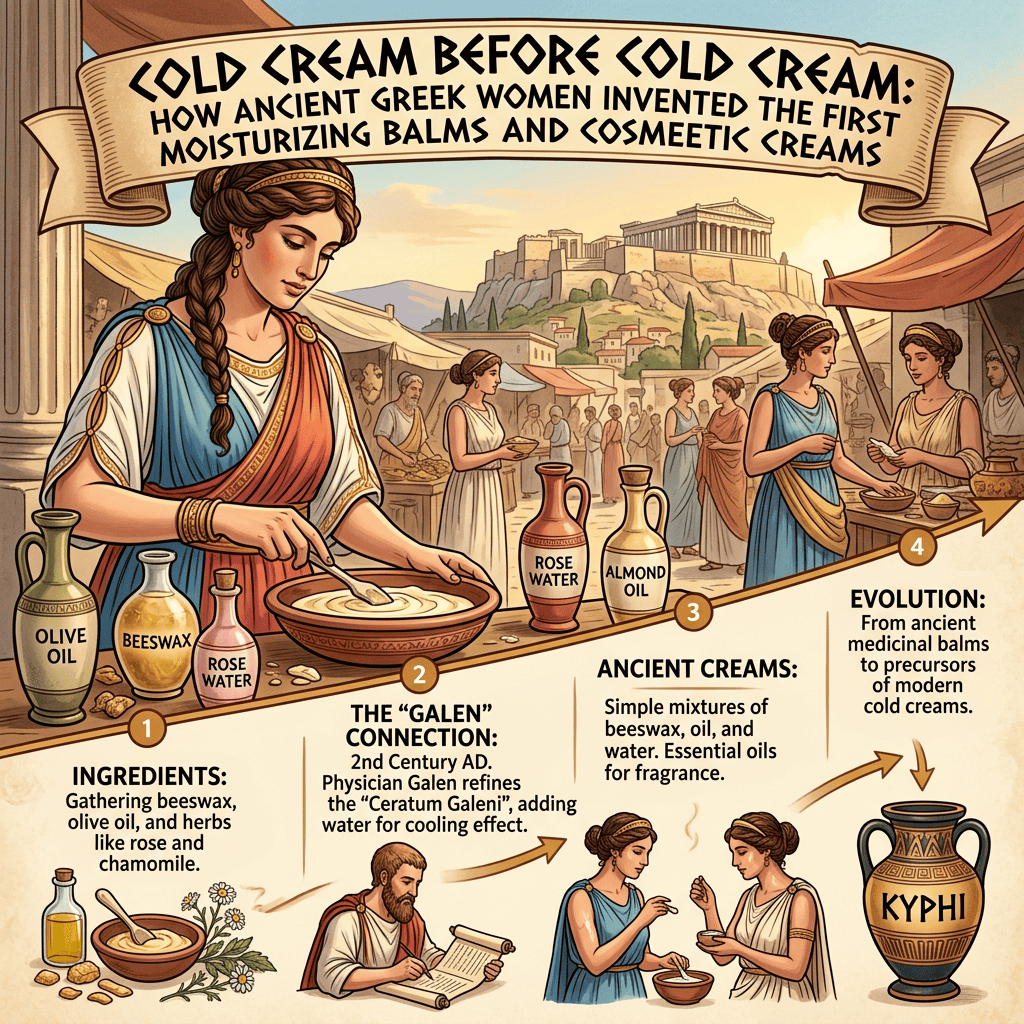
Cold Cream Before Cold Cream: How Ancient Greek Women Invented the First Moisturizing Balms and Cosmetic Creams

Cold cream is often credited to Galen in the Roman era but the truth is far more interesting: Greek women were already making early cream‑based skincare centuries before cold cream had a name. Their formulas were simple, clever and rooted in the Mediterranean environment — the first moisturizers, the first balms and the first cosmetic moisturizers.

Greek women were already making early cream‑based skincare centuries before cold cream had a name.

Cold Cream Before Cold Cream: How Ancient Greek Women Invented the First Moisturizing Balms and Cosmetic Creams. Ingredients: olive oil, beeswax, rose water, and herbs like rose and chamomile. The “Galen” connection: 2nd century AD physician Galen refines the “Ceratum Galeni,” adding water for cooling effect. Ancient creams: simple mixtures of beeswax, oil, and water; essential oils for fragrance. Evolution: from ancient medicinal balms to precursors of modern cold creams. Labels: olive oil, beeswax, rose water, rose water, almond oil, kyphi.
This illustrated timeline traces cold cream from ancient Greek ingredients and remedies to modern cosmetics.

The First Cream Bases

Greek women blended olive oil, animal fats and beeswax to create soft, spreadable balms. These early creams protected the skin from sun, wind and dust — essential in a climate where daily exposure could quickly dry or irritate the complexion. Olive oil was the star: a moisturizer, cleanser and carrier for botanicals.

Mineral Pastes for Complexion

To achieve the culturally prized pale skin, women mixed white lead (psimythion) with fats or oils to create a smooth, opaque paste. While unsafe by modern standards, historically it functioned like an early foundation‑cream hybrid: coverage, brightness and a velvety finish.

Herbal Balms & Botanical Infusions

Greek women infused their creams with mint, thyme, marjoram, rose, and iris. These botanicals softened the skin, added fragrance, and offered mild antiseptic benefits. Honey was often added for glow and hydration, creating a texture similar to modern balm‑creams.

Why These Precursors Matter

These early formulas reveal that Greek women practiced layered skincare long before the term existed: cleansing with oil, softening with balms, protecting with wax‑based creams and finishing with mineral pastes. Cold cream didn’t appear suddenly — it evolved from centuries of Greek cosmetic innovation.

I’m Stacey Hobbs, thanks for reading Face by Stace! Until next time.
do you feel fabulous today?
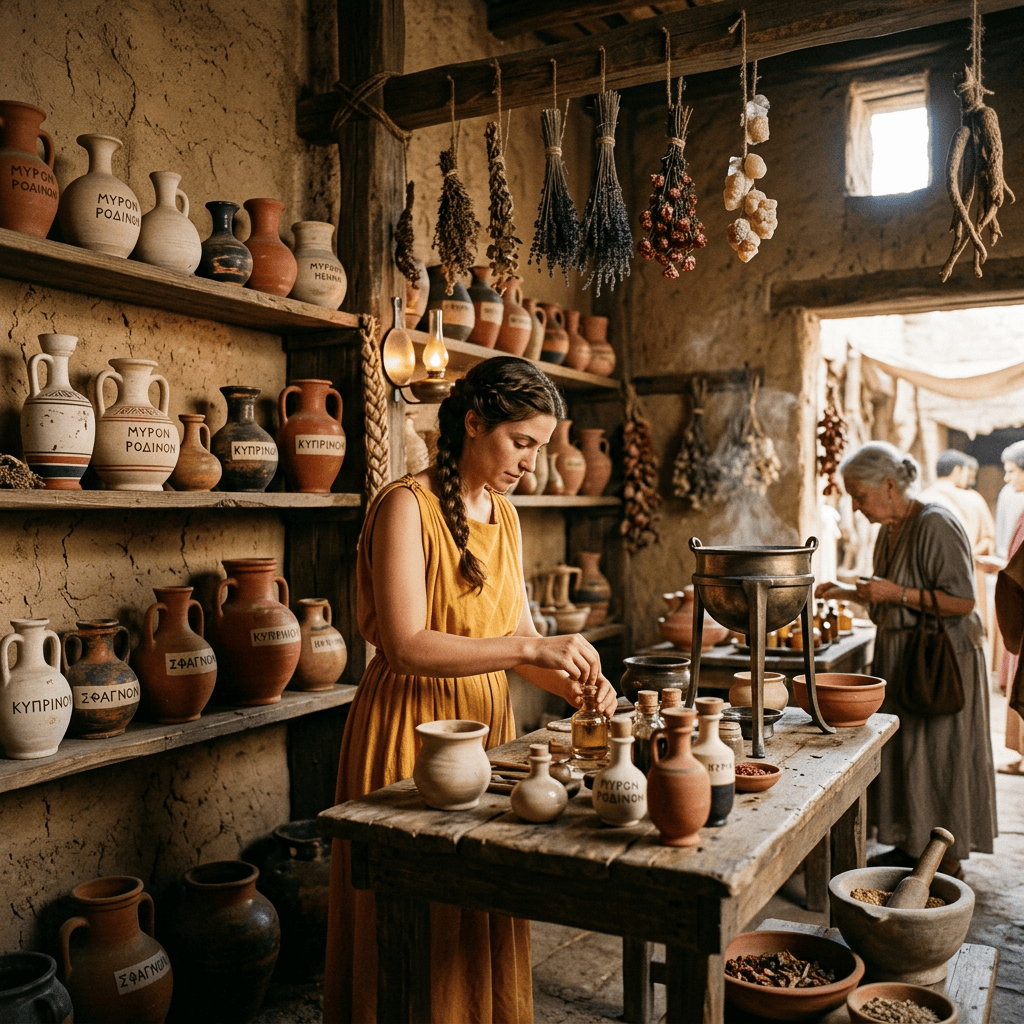
Ancient Greece: Perfumes

Perfume in Ancient Greece wasn’t simply fragrance — it was luxury, identity, ritual and status. Scent shaped how people presented themselves, how they worshipped and how they marked life’s most important moments. To wear perfume was to participate in culture, spirituality and beauty all at once.

Greek perfumery began with olive oil, the foundation of nearly every cosmetic formula. Into this, perfumers infused aromatics like iris, saffron, cinnamon, marjoram, anise, styrax, balsam, cassia, and cardamom. Many of these ingredients were imported from Egypt, Syria, and Persia, making them expensive and deeply symbolic of wealth and global connection.

Perfume‑making was slow, deliberate work. Oils were gently heated with herbs and spices, then left to steep until the scent fully bloomed. Finished perfumes were stored in ornate vessels — amphoriskoi and alabastron — carved or painted with mythological scenes. These bottles weren’t just containers; they were status objects displayed in homes and carried to ceremonies.

Fragrance held spiritual meaning. Perfumes were used in weddings, funerary rites, athletic grooming, religious rituals and daily elite life. Many scents were associated with Aphrodite, linking fragrance to divine beauty, seduction, and favour. Records from Linear B tablets even document large quantities of perfumed oil reserved for ritual use, proving how central scent was to Greek culture.

I’m Stacey Hobbs, thanks for reading Face by Stace! Until next time.
do you feel fabulous today?
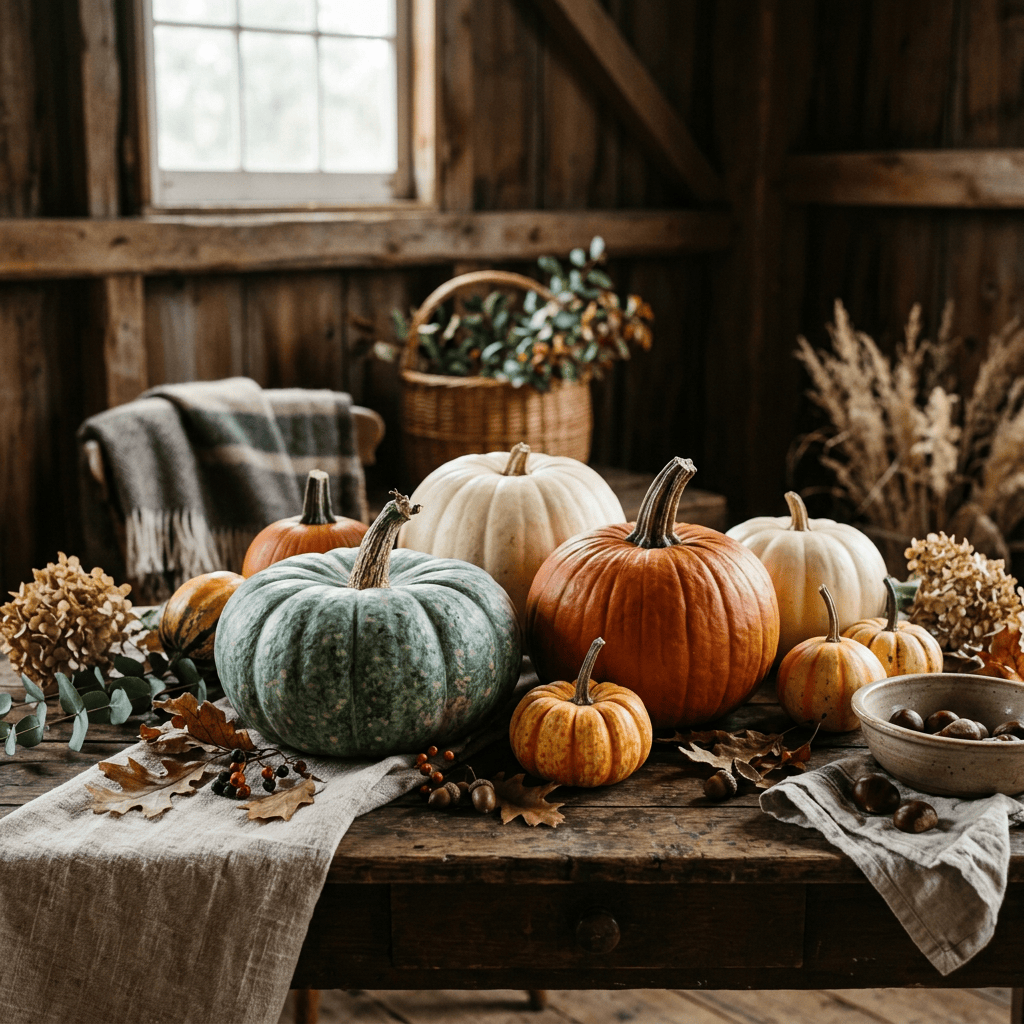
Pumpkins! Most Powerful Beauty and Wellness Autumn Produce: Exfoliates, Radiance, Hydrates, Anti-Aging: Beauty & Health Benefits

Pumpkins are one of Autumn’s most powerful beauty‑and‑wellness ingredients. Their nutrient profile is naturally aligned with what the skin and body need during colder months, making them a seasonal staple for both radiance and overall vitality.

Beauty Benefits

Pumpkin is rich in beta‑carotene, a precursor to vitamin A that supports healthy cell turnover. This gentle, retinoid‑adjacent action helps refine texture, brighten tone and promote a smoother complexion without irritation. Its natural vitamin C content boosts collagen support and enhances radiance, giving the skin a fresh, revived look when seasonal dryness sets in.

Pumpkin also contains fruit enzymes that provide soft, natural exfoliation. These enzymes dissolve dull surface cells, leaving the skin more refined and receptive to moisture. Its antioxidants — including polyphenols — help protect the skin from environmental stressors like wind, cold, and pollution, strengthening the barrier and supporting long‑term resilience.

Health Benefits

Pumpkin’s nutrient density makes it a cold‑season powerhouse. Vitamins A and C support immune function, while its slow‑release carbohydrates offer steady energy and warmth. The vegetable’s natural fibre promotes digestion and gut balance, which directly reflects in clearer, healthier‑looking skin.

Minerals such as potassium and magnesium help maintain hydration and support muscle function, making pumpkin a nourishing addition to autumn and winter meals. Its anti‑inflammatory compounds also contribute to overall wellness, helping the body stay balanced through seasonal shifts.

Takeaway: Pumpkin is both beauty and nourishment — a seasonal ingredient that supports glow, immunity and comfort from the inside out.

I’m Stacey Hobbs, thanks for reading Face by Stace! Until next time.
do you feel fabulous today?