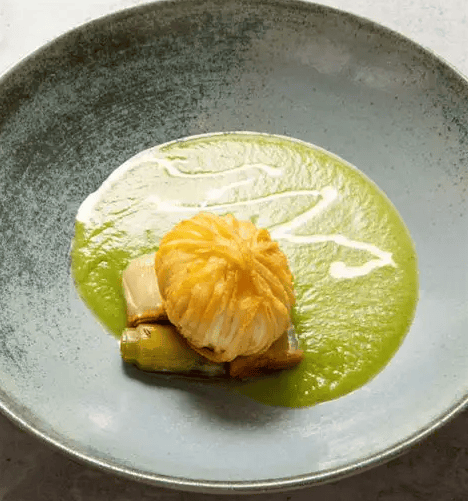
Pardon Your French Inspired: Leek Velouté with Truffle Oil

refined · silky · Parisian restaurant elegance

These Leek & Brie Crostini are the definition of French entertaining: simple, refined, and irresistible. Sweet, slow‑cooked leeks melt into a silky base, layered over crisp baguette slices and finished with warm, creamy Brie that softens into the bread like a luxurious blanket. A touch of thyme and a whisper of honey give the crostini that un-mistakable French countryside charm — un-fussy, artisanal and deeply elegant.

This is the kind of appetizer you’d find at a chic Parisian apéro or a cozy dinner in Provence. It’s warm, inviting and sophisticated without trying. The textures — glossy leeks, molten Brie, crisp baguette.

Prep 10 min Cook 25 min Serves 4

Leek and Potato Velouté, Crispy Potato Egg, Truffle Cream Recipe – Great British Chefs/www.greatbritishchefs.com

Ingredients

3 tbsp unsalted butter
3 large leeks, sliced (white + light green parts)
2 garlic cloves, minced
3 cups vegetable or chicken stock
1 cup heavy cream
1/2 tsp white pepper
1/2 tsp fine sea salt
1–2 tsp white truffle oil (to finish)
Optional crispy croutons or chive threads

Instructions

  1. Sauté the aromatics
    Melt butter over medium heat. Add leeks and garlic, cooking slowly for 8–10 minutes until soft, fragrant, and glossy.
  2. Add stock
    Pour in the stock and bring to a gentle simmer. Cook 10 minutes until leeks are fully tender.
  3. Blend
    Transfer mixture to a blender (or use an immersion blender). Blend until completely silky.
  4. Add cream
    Return velouté to the pot. Stir in heavy cream, salt, and white pepper. Warm gently without boiling.
  5. Finish
    Ladle into bowls. Drizzle with truffle oil. Add croutons or chive threads for texture.

This velouté is refined simplicity — the kind of dish you’d find in a Parisian dining room where the lighting is soft, the plating is minimal, and every spoonful feels luxurious. The leeks blend into a silky, pale‑green cream, and the truffle oil adds that unmistakable French decadence. It photographs beautifully: glossy surface, delicate garnishes, and a clean, modern bowl.

Beauty Benefits

  • Leeks: sulfur compounds support skin clarity + detox pathways
  • Cream: healthy fats nourish the skin barrier
  • Truffle oil: antioxidant‑rich, supports glow
  • White pepper: circulation‑boosting

Health Benefits

  • Prebiotic fibre for gut‑skin harmony
  • Healthy fats for hormone balance
  • Gentle on digestion
  • Anti‑inflammatory aromatics

Substitutions

  • Cream → coconut cream (dairy‑free)
  • Truffle oil → olive oil + lemon zest (lighter)
  • Stock → bone broth (richer)

Storage

  • Fridge: 3–4 days
  • Freezer: 1 month
  • Reheat: low heat, avoid boiling

History — Leek Velouté with Truffle Oil

(Pardon Your French Inspired)

Leek Velouté with Truffle Oil is a modern, elegant interpretation built on two pillars of classic French cuisine: velouté, one of the five mother sauces, and truffles, the “black diamonds” of France.

Velouté: A Royal‑Era Foundation

Velouté sauce — the silky, pale base that inspires this leek velouté — dates back to the royal kitchens of King Louis XIV. Historians believe velouté emerged during his reign, when French cuisine began shifting toward refinement, clarity and technique.

The first recorded velouté recipe appeared in 1814 in Antoine Beauvilliers’ The Art of French Cooking, written by a chef who rose from the royal court to become one of the world’s first grand restaurateurs.

By the early 19th century, Marie‑Antoine Carême formally documented velouté as a foundational French sauce, and in 1903, Auguste Escoffier codified it as one of the five mother sauces — the backbone of French culinary structure.

Velouté’s purpose was always the same: to elevate simple ingredients with silkiness, subtlety, and technique.

Leeks: A French Countryside Staple

Leeks have been central to French cooking for centuries, especially in Normandy, Brittany, and Northern rural regions. Their mild sweetness and silky texture when slow‑cooked made them ideal for soups, broths and veloutés — dishes meant to showcase finesse rather than excess.

Pairing leeks with velouté is a classic French move: humble vegetable + royal sauce = refined comfort.

Truffle Oil: Modern Luxury Rooted in Ancient Tradition

Truffles themselves date back to ancient Greek and Roman gastronomy, prized for their aroma and rarity. France’s Périgord region became the historic epicentre of black truffle culture with truffle hunting traditions stretching back to antiquity.

However, truffle oil is a more modern invention, emerging in the mid‑20th century as chefs sought a way to capture truffle aroma in a more accessible form. Early versions were created by infusing olive oil with pieces of truffle, a technique believed to have originated in France or Italy — both major truffle regions.

Today, truffle oil is used in fine dining to add aromatic luxury without requiring whole truffles.

I’m Stacey Hobbs, thanks for reading Face by Stace! Until next time.
do you feel fabulous today?

Pardon Your French Inspired: Leek & Dijon Mustard Chicken

Creamy · comforting · Parisian bistro energy · refined rustic elegance

This dish is pure French bistro comfort — golden chicken simmered in a silky Dijon‑leek sauce that feels warm, elegant and deeply satisfying. The leeks melt into the creamy mustard base, creating a luxurious texture. It’s refined rustic cooking: simple ingredients elevated through technique, patience and that unmistakable French touch.

Prep 15 min Cook 35 min Serves 4

French Mustard Chicken: Easy Creamy Dijon Recipe (45 Minutes)/nonnafood.com

Ingredients

4 chicken thighs or breasts
2 tbsp olive oil
2 large leeks, sliced
3 cloves garlic, minced
1/2 cup white wine
1 cup chicken stock
1/2 cup heavy cream
2 tbsp Dijon mustard
1 tsp fresh thyme
to taste salt + white pepper

Instructions

  1. Sear the chicken
    Heat olive oil in a skillet. Sear chicken on both sides until golden brown. Remove and set aside.
  2. Cook the leeks
    Add sliced leeks to the pan with a pinch of salt. Cook 6–8 minutes until soft and glossy.
  3. Build the sauce
    Add garlic, then pour in white wine. Reduce by half. Stir in chicken stock, cream, Dijon mustard, and thyme.
  4. Simmer
    Return chicken to the pan. Simmer 15–20 minutes until sauce thickens and chicken is fully cooked.
  5. Finish
    Adjust seasoning with salt and white pepper. Serve with extra thyme and a drizzle of sauce.

Beauty Benefits

  • Leeks: sulfur compounds support skin clarity + detox pathways
  • Cream: healthy fats nourish the skin barrier
  • Dijon mustard: antioxidants + circulation support
  • Olive oil: strengthens the skin barrier

A glow‑enhancing comfort dish.

Health Benefits

  • Prebiotic fiber for gut‑skin harmony
  • Healthy fats for hormone balance
  • Naturally low‑glycemic
  • Anti‑inflammatory herbs

Substitutions

  • Chicken → turkey cutlets (lighter)
  • Cream → coconut cream (dairy‑free)
  • White wine → lemon juice + stock (non‑alcoholic)
  • Thyme → tarragon (classic French pairing with mustard)

Storage

  • Fridge: 3–4 days
  • Freezer: 1–2 months
  • Reheat: low heat, covered, to preserve sauce texture

History

Mustard‑cream sauces are a cornerstone of French bistro cooking, especially in Dijon and Lyon. Pairing them with leeks — one of France’s most beloved vegetables — creates a dish that is both rustic and refined.

I’m Stacey Hobbs, thanks for reading Face by Stace! Until next time.
do you feel fabulous today?
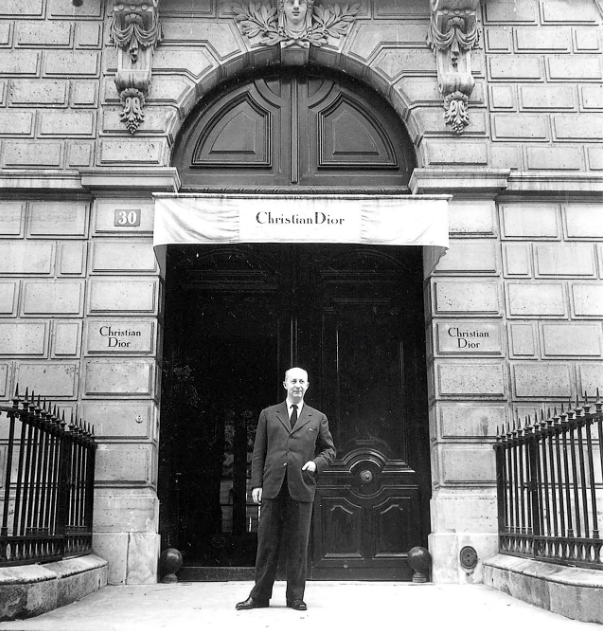
Dior: Superstition, Psychics & the Invisible Architecture of His Creativity

Christian Dior was not merely a couturier; he was a man guided by omens, symbols, and the unseen. Beneath the discipline of his silhouettes and the elegance of his salons lay a deep, lifelong superstition. Dior believed in signs. He trusted intuition. And he relied on psychics, tarot readers and numerologists with the same seriousness that he gave to fabric, proportion and construction.

Dior’s superstition began in childhood, shaped by his mother’s love of ritual and the spiritualism that swept Europe in the early 20th century. As an adult, he consulted Madame Delahaye, a clairvoyant who became his private advisor. She read his cards before collections, warned him of business decisions and predicted moments of danger. Dior never began a season without a reading. He believed her guidance protected him — and his house.

He surrounded himself with talismans: lucky charms in his pockets, symbolic flowers (especially lily of the valley), and objects he believed carried protective energy. He kept these items close during fittings and presentations, convinced they anchored his intuition. Even his salons reflected this belief — bouquets of lily of the valley, soft pink tones and ritualistic order created an atmosphere of calm and luck.

Numerology shaped his decisions. Dior believed certain dates were auspicious, certain numbers dangerous. He timed launches, contracts and even travel around these calculations. His staff learned to respect these rhythms; they understood that Dior’s superstition was not eccentricity but part of his creative process.

Most hauntingly, Dior believed his death had been foretold. Madame Delahaye warned him of a sudden end, and Dior carried that prediction quietly. When he died unexpectedly in 1957, those close to him remembered the prophecy and the way he had lived with it.

Dior’s superstition was not weakness. It was structure. It gave him clarity, confidence and emotional grounding. Just as he engineered silhouettes with mathematical precision, he engineered his life with ritual. His belief in the invisible shaped the visible and became one of the most intimate chapters of his legacy.

I’m Stacey Hobbs, thanks for reading Face by Stace! Until next time.
do you feel fabulous today?
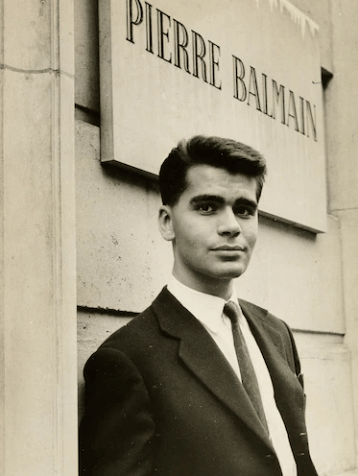
Karl Lagerfeld: Resurrecting Chanel (1983)

When Karl Lagerfeld took over Chanel in 1983, the house was on life support. Coco Chanel had died twelve years earlier, and the brand was frozen in time — respected, but irrelevant. The tweed suit, the camellia, the pearls, the quilted bag: all iconic, all dated. Younger women saw Chanel as their grandmother’s wardrobe. The house needed not preservation, but shock. Lagerfeld delivered it.

Karl understood something crucial: Chanel’s codes were powerful, but they were stagnant. His genius was not reinvention — it was re-animation. He treated Chanel’s heritage like raw material, slicing it apart, exaggerating it, parodying it and stitching it back together with modern energy. He took the tweed suit and made it short, sharp, and flirtatious. He turned the camellia into a graphic emblem. He layered pearls with punk‑like excess. He transformed the quilted bag into a global status symbol.

Lagerfeld’s first collections were electric. He infused Chanel with humor, irreverence, and youth. He understood that Coco herself had been rebellious — so he made the brand rebellious again. He introduced denim, leather, bold logos, and unapologetic glamour. He revived couture with architectural jackets, sculptural skirts, and modern silhouettes that honored Chanel’s discipline while breaking every rule she never had the chance to break.

Most importantly, Karl rebuilt Chanel as a cultural force. Under his leadership, Chanel became synonymous with modern luxury, celebrity influence, and global desirability. He expanded accessories, beauty, and ready‑to‑wear into powerhouse categories. He made the double‑C logo one of the most recognizable symbols in the world.

Karl Lagerfeld didn’t save Chanel by protecting it. He saved it by provoking it — and in doing so, he resurrected a legend.

I’m Stacey Hobbs, thanks for reading Face by Stace! Until next time.
do you feel fabulous today?
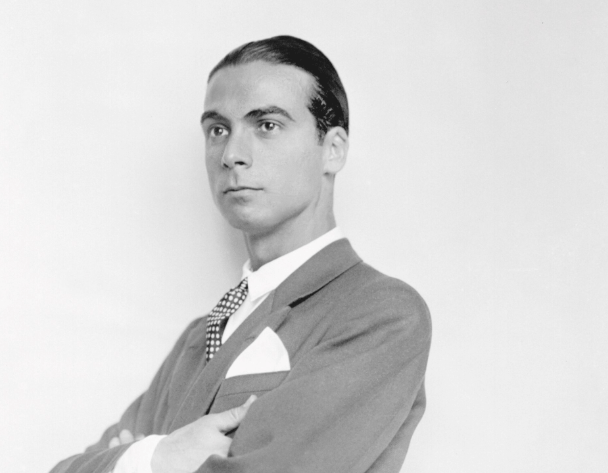
Balenciaga: Salon Beauty Aesthetic (Severe Buns, Clean Faces)

Cristóbal Balenciaga’s beauty vibe was as un-compromising as his couture. Just as he stripped away un-necessary seams, embellishment, and ornamentation in his garments, he demanded the same purity and discipline in the grooming of his models. In Balenciaga’s salons, beauty was not decorative — it was structural. The face and hair existed to support the silhouette, never to compete with it.

Balenciaga insisted on clean, unadorned faces. His models wore minimal makeup: matte skin, subtle contouring and barely defined eyes. Rouge was used sparingly, only to restore natural vitality. Lips were kept soft and understated. This look created a neutral canvas that allowed the architectural lines of his garments to dominate. Heavy makeup, dramatic eyeliner, or glossy finishes were forbidden; they disrupted the clarity of his vision.

Hair was treated with the same severity. Balenciaga favoured tight, controlled buns — often low, sleek and perfectly symmetrical. These buns were not feminine ornaments; they were structural elements that elongated the neck, sharpened the jawline, and emphasized posture. The hairstyle created a vertical axis that complemented the clean geometry of his designs. No loose curls, no volume, no softness. The bun was a discipline, a visual anchor.

This stark beauty look amplified the drama of Balenciaga’s silhouettes. His cocoon coats, sack dresses and baby‑doll shapes required a face that did not distract. The severe bun and clean face created a sense of monastic elegance — a purity that matched the intellectual rigor of his work.

Balenciaga’s beauty look wasn’t austere for the sake of austerity. It was intentional, architectural and deeply modern. He understood that true innovation requires silence around it and his beauty rituals created that silence.

I’m Stacey Hobbs, thanks for reading Face by Stace! Until next time.
do you feel fabulous today?
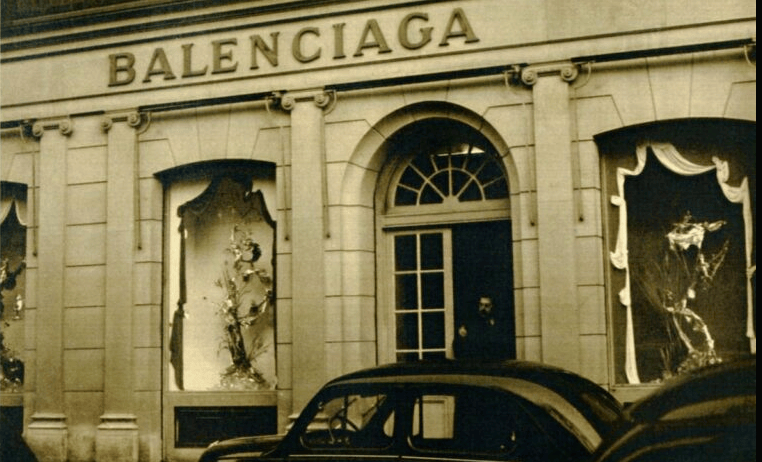
Balenciaga: The Baby‑Doll Dress (Late 1950s)

After the shockwaves of the 1957 sack dress, Cristóbal Balenciaga continued dismantling traditional silhouettes with another radical creation: the baby‑doll dress. Introduced in the late 1950s, this silhouette floated away from the body with a short, elevated waistline and a gentle outward flare. It was youthful, architectural and deliberately anti‑hourglass — a rebellion against the cinched waists and structured curves that had defined post‑war fashion.

The baby‑doll dress was deceptively simple. Its clean front concealed Balenciaga’s extraordinary technical mastery: curved seams, hidden darts, and internal supports that allowed the dress to maintain its sculptural shape without clinging to the body. The elevated waistline created a sense of lift, while the flared skirt offered movement and ease. The silhouette framed the wearer rather than molding her, emphasizing presence over contour.

Critics initially struggled with its un-conventional proportions. It challenged the era’s beauty ideals by removing emphasis from the bust and waist, shifting attention instead to posture, gesture and the purity of line. But women who embraced the baby‑doll dress projected modernity, confidence and a refusal to be defined by traditional femininity. It was fashion for the woman who valued freedom, not restriction.

The baby‑doll dress became a precursor to the trapeze dress and the voluminous shapes of the 1960s. Designers like Yves Saint Laurent, André Courrèges, and later Rei Kawakubo drew inspiration from its liberated silhouette. Balenciaga had once again proven that innovation lies not in embellishment, but in the courage to reshape the body’s relationship to clothing.

The baby‑doll dress wasn’t cute. It was revolutionary.

I’m Stacey Hobbs, thanks for reading Face by Stace! Until next time.
do you feel fabulous today?