Burberry’s story begins not with glamour, but with weather. In 1856, Thomas Burberry founded his house on a simple idea: clothing should protect. His breakthrough came with gabardine, a tightly woven, weather‑resistant fabric that was breathable, durable and revolutionary. It transformed outerwear from heavy, impractical garments into modern tools of mobility.
Gabardine made Burberry indispensable. Explorers wore it to the Arctic. Aviators wore it into the clouds. Soldiers wore it into the trenches. By the First World War, Burberry had become the architect of British utility. The trench coat, designed for officers, combined practicality with unmistakable style: epaulettes, storm flaps, a belt for equipment, and a silhouette that balanced structure with ease. It was military engineering refined into elegance.
After the war, the trench coat moved from battlefield to city street. It became a symbol of British sophistication — functional, understated and quietly authoritative. Film noir adopted it. Fashion editors embraced it. Everyday Londoners relied on it. Burberry had created a garment that transcended class, gender, and era.
The house’s identity grew from this foundation: weather, protection, and British restraint. Even as Burberry expanded into ready‑to‑wear, accessories, and global branding, its core remained unchanged. Utility was not a trend; it was heritage.
Burberry didn’t just design outerwear. It engineered a national vibe, one that was built on practicality, discipline and the enduring allure of British utility chic.
I’m Stacey Hobbs, thanks for reading Face by Stace! Until next time. do you feel fabulous today?
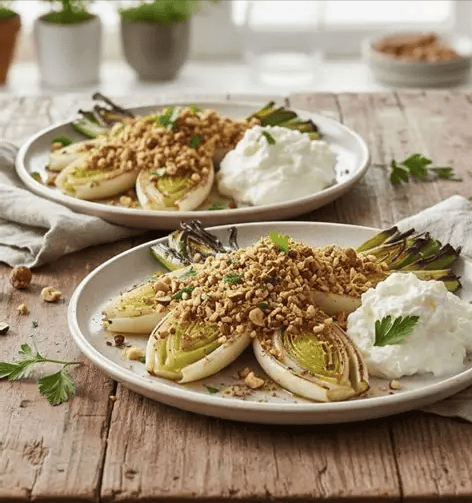
This dish celebrates the elegance of leeks — their soft, sweet, almost floral nature — by contrasting them with a gremolata that crackles with texture and brightness. The leeks are gently poached until tender and yielding, then dressed with a mixture of toasted hazelnuts, fresh parsley, lemon zest, and garlic.
The result is a plate that feels both French countryside and modern: pale green leeks arranged neatly, topped with golden flecks of hazelnut and emerald parsley.
Prep 15 min Cook 25 min Serves 4
Charred Leek Hearts With Hazelnut Gremolata & Whipped Goat Cheese/thehungrysprout.net
Ingredients
6 large leeks, trimmed (white + light green only) 3 tbsp olive oil 1 tbsp unsalted butter 1/3 cup toasted hazelnuts, finely chopped 1 clove garlic, minced 1 small handful parsley, finely chopped 1 tsp lemon zest 1 tbsp lemon juice To taste salt & pepper
Instructions
Prep the leeks Slice leeks lengthwise, keeping the root intact so they hold together. Rinse thoroughly between layers to remove grit.
Poach gently Place leeks cut‑side down in a wide pan with olive oil, butter, salt, and 1 cup water. Cover and simmer 12–15 minutes until tender.
Brown lightly Remove the lid and let the liquid evaporate. Allow the leeks to take on a light golden color on the cut side.
Make the hazelnut gremolata Combine hazelnuts, garlic, parsley, lemon zest, lemon juice, salt, and pepper. Stir until fragrant and slightly coarse.
Plate beautifully Arrange leeks on a platter, spoon the hazelnut gremolata generously over top, and finish with a drizzle of olive oil.
Serve Serve warm or room temperature. This dish pairs beautifully with roast chicken, trout, or as a standalone vegetable course.
Charred Leek Hearts With Hazelnut Gremolata & Whipped Goat Cheese&thehungrysprout.net
Beauty Benefits
Leeks and hazelnuts are quietly powerful beauty foods, especially for skin clarity, collagen support and glow.
Leeks
Sulfur compounds help support detox pathways, reducing dullness and congestion.
Vitamin K supports microcirculation, helping skin look more even and less fatigued.
Prebiotic fibres feed the gut microbiome, which directly influences skin clarity and inflammation.
Antioxidants (kaempferol) help protect against environmental stressors — a natural “anti‑pollution” ingredient.
Hazelnuts
Vitamin E is one of the most potent skin‑protective antioxidants, supporting glow and elasticity.
Healthy fats nourish the skin barrier from within, reducing dryness and improving suppleness.
Copper supports collagen formation and helps maintain skin firmness.
Parsley & Lemon
Vitamin C (parsley + lemon zest) supports collagen synthesis and brightens the complexion.
Chlorophyll in parsley helps oxygenate and purify the skin.
Natural oils in lemon zest offer anti-inflammatory benefits.
This dish is essentially a skin-brightening, collagen-supporting, glow-enhancing plate of French vegetables.
Health Benefits
Beyond beauty, this dish is nutritionally elegant:
Leeks
High in prebiotic inulin, supporting digestion and gut health.
Gentle on the stomach, ideal for anti-inflammatory eating.
Rich in folate, supporting cellular repair and energy.
Hazelnuts
Heart‑healthy fats that support cardiovascular wellness.
Plant-based protein and minerals for sustained energy.
Antioxidants that reduce oxidative stress.
Parsley & Lemon
Natural detoxifiers that support liver function.
Vitamin C for immune support.
Anti-inflammatory compounds that reduce swelling and puffiness.
This is a dish that feels indulgent but is deeply restorative.
Storage
Refrigerator: Store the poached leeks separately from the gremolata for best texture.
Leeks: up to 3 days
Gremolata: up to 4 days
Do not freeze — leeks become mushy and the gremolata loses its brightness.
Reassemble just before serving to maintain crunch and freshness.
Substitutions
This dish is flexible and adapts beautifully:
Hazelnuts
Almonds (more delicate)
Walnuts (earthier, more rustic)
Pistachios (vibrant and slightly sweet)
Parsley
Cilantro (more aromatic)
Chervil (French, delicate, refined)
Basil (summery and soft)
Lemon Zest
Orange zest (sweeter, more floral)
Meyer lemon (perfumed, softer acidity)
Leeks
Green onions (lighter, less creamy)
Spring onions (more bite)
Asparagus (similar shape, different flavour profile)
History
While gremolata is traditionally Italian — a simple mixture of parsley, garlic, and lemon zest — its migration into French cuisine happened naturally through regional overlap and shared culinary traditions.
Leeks in French Cuisine
Leeks have been a cornerstone of French cooking since medieval times. They were prized for being inexpensive, hardy, and elegant enough for noble kitchens. In Northern France and Belgium, leeks are often paired with butter, nuts and herbs — a rustic yet refined combination.
Hazelnuts in Northern Europe
Hazelnuts are native to France’s Northern regions and have been used in savory dishes long before they became associated with patisserie. Their use in gremolata is a modern, editorial twist that aligns with contemporary French vegetable cuisine.
Modern French Vegetable Gastronomy
This dish fits perfectly into the current movement of vegetable-forward French cooking, where chefs elevate humble produce with textural contrasts and bright, herbaceous toppings.
It’s a dish that feels timeless and modern at once.
I’m Stacey Hobbs, thanks for reading Face by Stace! Until next time. do you feel fabulous today?
Hubert de Givenchy defined a new kind of elegance — one built not on excess, but on purity of line. In an era dominated by dramatic couture, Givenchy introduced restraint. His silhouettes were long, clean, and architectural, designed to elongate the body and refine the wearer rather than overwhelm her. For Givenchy, elegance was clarity.
His partnership with Audrey Hepburn cemented this aesthetic. She became his muse, and he became her visual identity. Together, they shaped a modern femininity: slim black dresses, crisp white shirts, sculptural evening gowns, and effortless daywear. Hepburn’s image — disciplined, graceful, minimalist — was Givenchy’s philosophy made visible.
His craftsmanship was quiet but exacting. He favoured impeccable tailoring, luxurious fabrics, and silhouettes that moved with fluid precision. While Dior sculpted drama and Balenciaga engineered volume, Givenchy created serenity. His clothes felt aristocratic without being rigid, refined without being fussy.
Givenchy also influenced beauty history. Hepburn’s clean brows, soft matte skin, and understated glamour mirrored his fashion aesthetic: elegance through simplicity. Their collaboration shaped mid‑century beauty ideals and the rise of minimalist chic.
Givenchy’s legacy is architectural elegance — a purity that continues to define modern luxury.
I’m Stacey Hobbs, thanks for reading Face by Stace! Until next time. do you feel fabulous today?
I know we have just entered Autumn season, however I couldn’t resist in building my Winter book selection. French cuisine is delicious isn’t it? I see how many of you are loving it, I’m glad to see it. I’m a fraction French-Canadian and French, which is my heritage. My relatives are primarily from Northern France (Normandie – Normandy, Picardie – Picardy, Paris) with a few from Southern France (Poitou-Charentes – Poitier et Vienne et Saint Tropez) I love leeks. I have got other nationalities in my heritage, including English. I was raised on Italian cuisine cooking theses dishes to how they are made in Italy, to learning about this cuisine, along with French and English, as well. I thought in sharing some of these dishes you would all enjoy a bit of me and you have. Fashion and beauty history is a hit too. Oh, and let’s not forget this book suggestion list, too :). Enjoy this Winter book selection!! I know you guys don’t mind if I break it up in several parts, but let’s see if I can maintain one list. Yeah, there may be a book or two or so that I will have to pre-order. Check it out!!
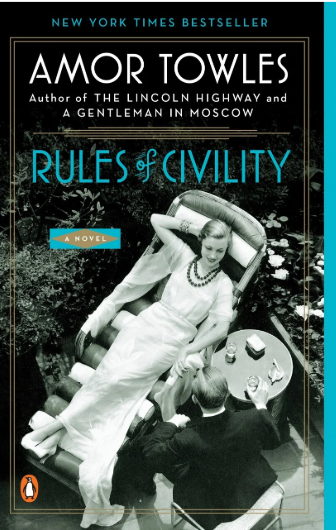
Rules of Civility by Amor Towles Set against the glittering yet unforgiving backdrop of 1938 New York, Rules of Civility follows Katey Kontent, a sharp, ambitious young woman whose life pivots after a chance encounter with the enigmatic Tinker Grey. Towles builds a world of smoky jazz clubs, martini‑bright evenings, and the ache of reinvention, capturing the intoxicating momentum of youth and the social choreography required to ascend in a city that never stops appraising you. It’s a novel about class, timing and the choices that shape a life — elegant, atmospheric, and ideal for a Winter read when you want to slip into something stylish and emotionally resonant.
The Hollow by Michael Connelly In The Hollow, Michael Connelly sends Harry Bosch back into the shadows of his own past when a long‑buried tragedy at MacLaren Children’s Centre resurfaces, forcing him to confront the trauma he thought he’d left behind. As Bosch digs into the suspicious death of a boy he once knew, he uncovers evidence that the predator responsible may have continued harming others for decades, weaving this personal reckoning into a larger investigation that is both chilling and relentless. Connelly balances emotional depth with taut procedural precision, delivering a winter‑perfect read that’s atmospheric, introspective, and driven by Bosch’s unwavering pursuit of justice.
All In by David Baldacci In All In, Baldacci drops FBI agents Jessica Reel and Will Robie into a high‑stakes investigation that begins with a seemingly simple murder in rural West Virginia and quickly unravels into a dangerous web of organized crime, political corruption, and personal reckoning. As Reel confronts ghosts from her past and Robie navigates the shifting loyalties of the case, the pair are pushed to their limits in a story that blends taut suspense with emotional undercurrents. Baldacci’s pacing is razor‑sharp, making this a compelling winter read — the kind you settle into with a blanket, knowing you’ll be pulled straight through to the final chapter.
The Dying Light by Ann Cleeves In The Dying Light, Ann Cleeves returns to the windswept Kent marshes with a mystery steeped in isolation, shifting loyalties, and the quiet menace of a landscape that never fully reveals its secrets. When Detective Matthew Venn is drawn into the investigation of a young woman’s death — a case tangled with local politics, hidden relationships, and the fragile dynamics of a tight‑knit community — he must navigate both the bleak terrain and the emotional undercurrents that threaten to obscure the truth. Cleeves blends atmosphere with psychological nuance, making this a compelling Winter read that feels moody, contemplative and perfectly suited to long, quiet evenings.
Peck and Peck by Bonnie Garmus In Peck and Peck, Bonnie Garmus brings her signature blend of wit, emotional clarity, and sharp observational humour to a story about reinvention, resilience, and the unexpected ways people find their footing after life knocks them sideways. Centred on a mother and daughter navigating the messy terrain of ambition, identity, and second chances, the novel unfolds with Garmus’s trademark charm — characters who feel instantly familiar, dialogue that snaps with intelligence, and moments of tenderness that linger long after the chapter ends. It’s a thoughtful, uplifting winter read, perfect for readers who appreciate stories that balance heart, humour, and the quiet triumphs of everyday life.
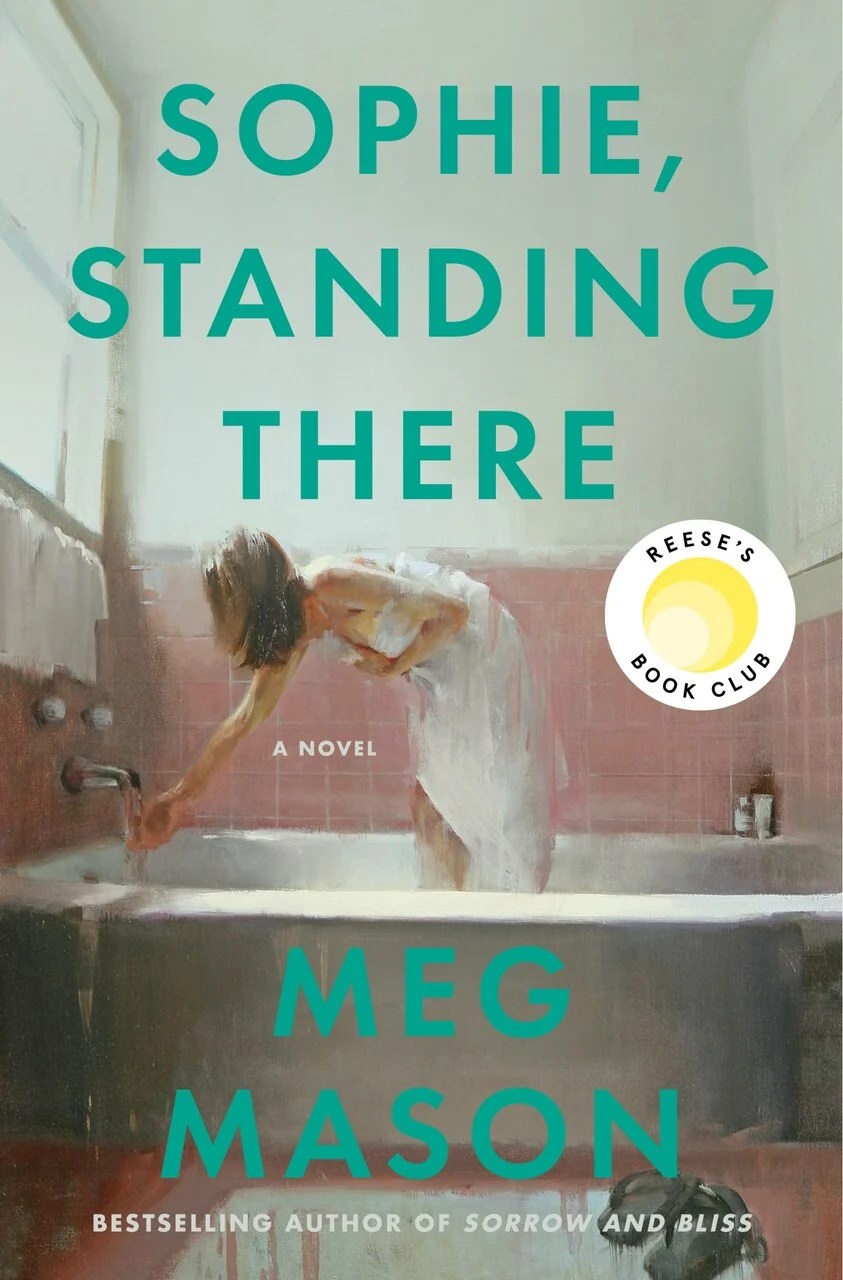
Sophie, Standing There by Bonnie Garmus In Sophie, Standing There, Bonnie Garmus turns her sharp, compassionate eye toward a young woman caught at the crossroads of identity, ambition, and the quiet ache of wanting more from life than the world seems willing to offer. As Sophie navigates the expectations placed upon her — from family, from work, from the unspoken rules that shape who women are allowed to be — she begins to uncover the strength that comes from standing her ground, even when the cost feels steep. Garmus blends humour, emotional insight, and crisp character work, creating a story that feels both intimate and universally resonant. It’s a thoughtful winter read, perfect for readers who gravitate toward character‑driven fiction with heart, intelligence, and a touch of defiance.
The Fire by Kristin Hannah In The Fire, Kristin Hannah delivers a gripping, emotionally charged story set against the backdrop of a catastrophic wildfire that forces a fractured family to confront long‑buried wounds and the fierce love that still binds them. As the flames close in, each character is pushed to reckon with past choices, unresolved grief, and the courage required to rebuild when everything familiar is threatened. Hannah’s gift for intimate character work and sweeping, cinematic tension makes this novel both heart‑rending and hopeful — a powerful winter read that lingers with you, reminding you of resilience, connection, and the strength found in the most vulnerable moments.
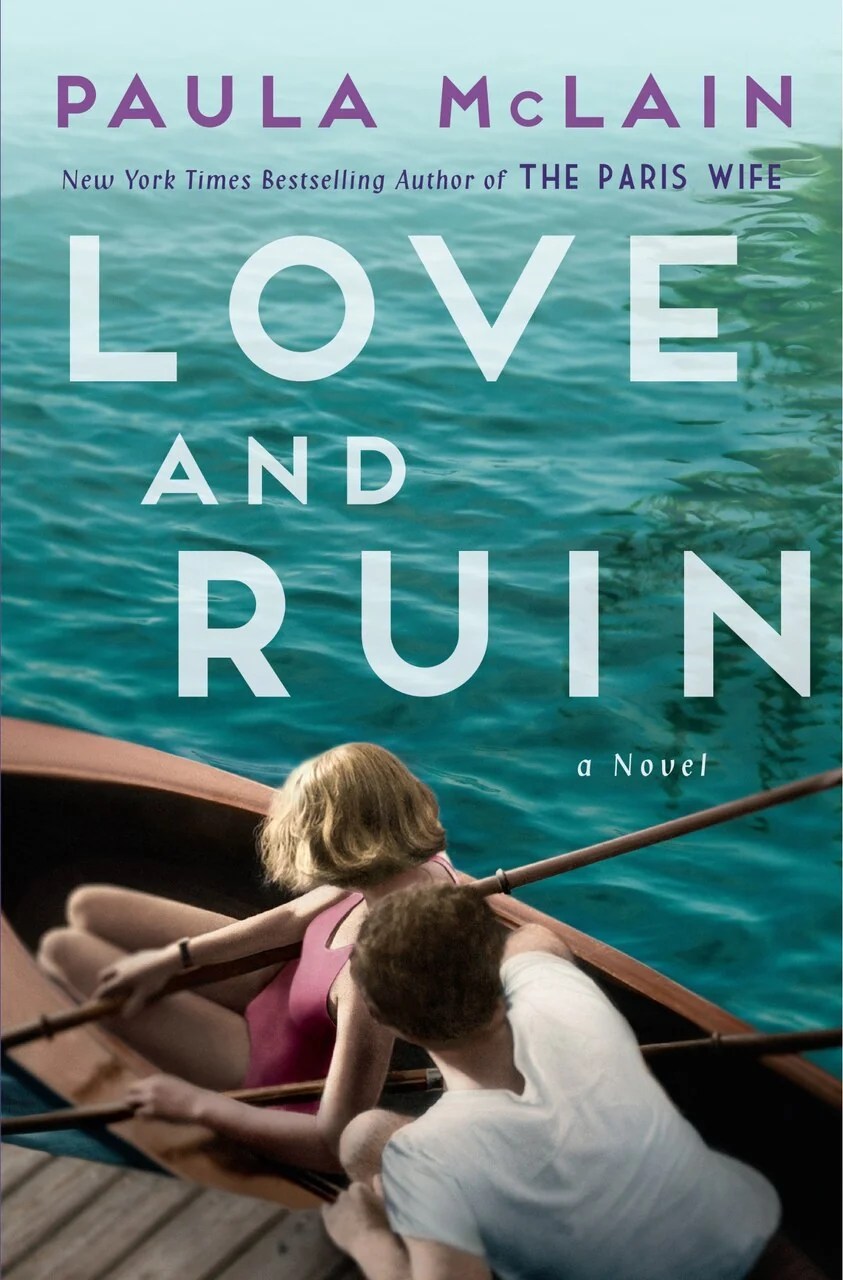
Love and Ruin by Paula McLain In Love and Ruin, Paula McLain traces the fierce, complicated love story between journalist Martha Gellhorn and Ernest Hemingway, capturing both the intoxicating pull of their relationship and the cost of loving a man whose legend often eclipsed everything around him. Set against the turmoil of the Spanish Civil War and the rise of Gellhorn’s own career, the novel explores ambition, independence, and the courage required for a woman to claim her voice in a world determined to silence it. McLain’s writing is vivid and emotionally resonant, making this a powerful winter read — sweeping, intimate, and steeped in the kind of historical atmosphere that lingers long after you close the book.
Beautiful Exiles by Meg Waite Clayton In Beautiful Exiles, Meg Waite Clayton traces the electrifying and tumultuous relationship between journalist Martha Gellhorn and Ernest Hemingway, capturing the spark that drew them together and the ambition that ultimately pulled them apart. Set against the political and emotional upheaval of the 1930s and 40s, the novel follows Gellhorn as she fights to establish herself as a war correspondent in a world determined to sideline women, even as she becomes entangled with one of literature’s most commanding figures. Clayton’s portrayal of Gellhorn is vivid, determined, and deeply human, making this a compelling winter read — rich in atmosphere, driven by character, and steeped in the complexities of love, independence, and artistic identity.
Typewriter Beach Typewriter Beach unfolds as a quiet, evocative story about a writer who retreats to a windswept shoreline in search of clarity, only to discover that the solitude she craves brings its own complications. As she settles into the rhythm of the coast — the crash of waves, the hiss of sand, the steady clack of her typewriter — she begins to confront the memories, ambitions, and unresolved emotions that have shaped her life. The novel blends introspection with atmosphere, offering a gentle, contemplative Winter read that feels like stepping into a world where creativity, healing, and the natural landscape intertwine.
A Novel of Zelda Fitzgerald by Therese Anne Fowler In Z, Therese Anne Fowler reimagines the life of Zelda Fitzgerald, capturing her brilliance, vulnerability, and the fierce desire to be seen beyond the shadow of her famous husband. From the glamour of the Jazz Age to the strain of artistic ambition and societal expectations, the novel traces Zelda’s journey as she fights to define herself in a world that often dismissed her talent and complexity. Fowler’s portrayal is vivid and empathetic, offering a richly textured Winter read that brings Zelda’s voice to the forefront — bold, yearning, and unforgettable.
Enjoy your next read and I will see you for part two!!
I’m Stacey Hobbs, thanks for reading Face by Stace! Until next time. do you feel fabulous today?
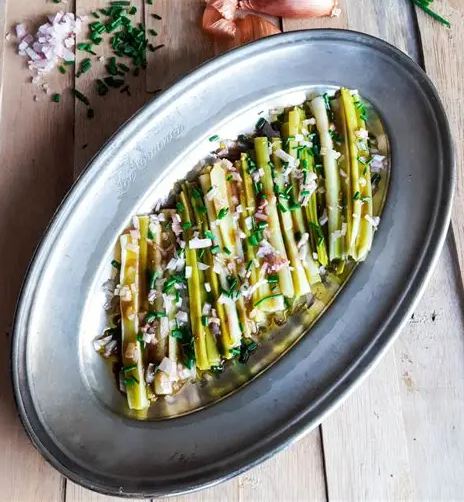
This dish is French elegance in its purest form — tender poached leeks dressed in a bright, aromatic Champagne vinaigrette that feels both rustic and refined. The leeks become silky and sweet, the vinaigrette adds sparkle and acidity, and the chives bring a fresh, herbaceous lift. It’s the kind of minimalist French plating that looks effortless yet impossibly chic: clean lines, glossy finish, soft greens and of luxury from the Champagne vinegar.
Prep 10 min Cook 15 min Serves 4
Leeks in Vinaigrette, French Poireaux Vinaigrette Recipe/zestoffrance.com
Ingredients
4 large leeks, trimmed (white + light green only) 2 tbsp Champagne vinegar 1 tbsp Dijon mustard 4 tbsp olive oil 1 tsp honey 1 tbsp chopped chives to taste salt + white pepper
Instructions
Prep the leeks Trim leeks, keeping the white and light green parts. Slice lengthwise and rinse thoroughly to remove grit.
Poach Simmer leeks gently in salted water for 10–12 minutes until tender but still holding shape.
Make the vinaigrette Whisk Champagne vinegar, Dijon, honey, salt, and white pepper. Stream in olive oil until emulsified.
Dress Place warm or cooled leeks on a plate and spoon vinaigrette generously over top.
Finish Scatter chives and cracked pepper. Serve as a starter or elegant side.
Beauty Benefits
This dish is a beauty powerhouse — a skin‑supportive, glow‑enhancing starter disguised as French simplicity.
Leeks:
Rich in sulfur compounds that support detox pathways and clear congested skin
High in prebiotic fibre, feeding the gut microbiome for gut‑skin harmony
Gentle diuretic properties help reduce puffiness
Champagne Vinegar:
Contains polyphenols that help fight oxidative stress
Brightens the complexion by supporting circulation
Olive Oil:
Packed with squalene + vitamin E for barrier repair and long‑lasting moisture
Anti‑inflammatory, helping calm redness
Chives:
Rich in vitamin K for microcirculation
Adds a subtle antioxidant boost
This is a beauty‑nutrition dish that aligns perfectly with your brand: elegant, refined, and secretly functional.
Health Benefits
Prebiotic fiber for digestion + microbiome support
Naturally low‑glycemic and light
Anti‑inflammatory herbs and aromatics
Healthy fats for hormone balance
Gentle on digestion — ideal for sensitive stomachs
Substitutions
Champagne vinegar → white wine vinegar (classic French swap)
Olive oil → walnut oil (adds a nutty, French countryside note)
Chives → tarragon or parsley (more aromatic or fresh)
Honey → maple syrup (softer sweetness)
Storage
Fridge: 2–3 days (store leeks and vinaigrette separately for best texture)
Freezer: not recommended
Make‑ahead: poach leeks up to 24 hours in advance; dress just before serving
History: Leeks with Champagne Vinaigrette
(Pardon Your French Inspired)
Leeks with Champagne Vinaigrette is a dish rooted in one of France’s oldest culinary pairings: poireaux vinaigrette, a classic bistro preparation dating back to the 19th century. In traditional French cooking, leeks were often poached and served cold or warm with a simple vinaigrette — a staple of Parisian brasseries, countryside kitchens, and home cooks who valued elegance through simplicity.
Leeks: A French Heritage Vegetable
Leeks have been cultivated in France since Roman times and became especially prominent in Northern regions like Normandy, Brittany and Picardy, where their mild sweetness and silky texture made them ideal for soups, braises and composed salads. By the 1800s, leeks were considered a “vegetable of the people” — affordable, abundant and versatile — yet they appeared frequently in aristocratic kitchens due to their refined flavour.
Poireaux vinaigrette emerged as a way to elevate this humble vegetable: soft‑poached leeks + a bright, acidic dressing = rustic elegance.
Champagne Vinaigrette: A Modern Luxury Twist
Traditional vinaigrettes used wine vinegar or mustard but the introduction of Champagne vinegar in the late 20th century brought a new level of refinement. Champagne vinegar is made from the same grapes used in Champagne production — primarily Chardonnay and Pinot Noir — giving it a delicate acidity and floral aroma.
It became popular among French chefs seeking lighter, more aromatic vinaigrettes that complemented delicate vegetables like leeks, asparagus and endive. Using Champagne vinegar instead of standard wine vinegar transforms a rustic dish into something unmistakably modern and luxurious.
I’m Stacey Hobbs, thanks for reading Face by Stace! Until next time. do you feel fabulous today?
Opera is the birthplace of modern beauty ritual. Before salon makeup, before Old Hollywood glamour, stage beauty defined how women shaped their faces for visibility, emotion, and performance.
Under harsh stage lights, opera singers needed matte skin, sculpted cheekbones and strong brows. Powder prevented shine. Rouge was placed high to lift the face from a distance. Lips were sharply defined to communicate expression across the theatre. Hair was architectural — pinned, set, and reinforced to withstand heat, sweat, and movement.
These techniques migrated directly into early 20th‑century beauty culture. Salon artists adopted stage principles: matte complexions, structured brows, disciplined hair setting. Dior’s beauty philosophy — powder as foundation, rouge as architecture — echoes operatic technique. Balenciaga’s clean faces and severe buns mirror stage restraint: beauty as structure, not decoration.
Old Hollywood absorbed opera’s visual logic. Maria Callas, with her sculpted brows and dramatic eyeliner, became a bridge between stage beauty and cinematic glamour. Her look influenced mid‑century makeup trends and couture elegance.
Opera taught makeup artists that makeup is not merely cosmetic — it is emotional engineering. It shapes character, presence, and narrative. It creates clarity under pressure. It transforms the face into a communicative instrument.
Every modern beauty routine— from contouring to powder discipline to hair architecture — always refers to the early ears of opera.
I’m Stacey Hobbs, thanks for reading Face by Stace! Until next time. do you feel fabulous today?