Pardon Your French Inspired: Leeks au Gratin

Rustic Picardy comfort · golden · creamy · French countryside elegance

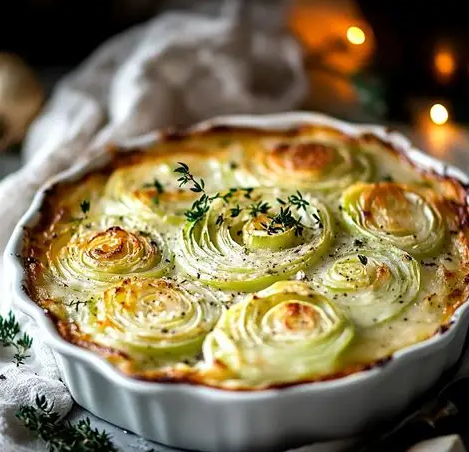
Leeks au Gratin is classic Northern French comfort, tender, sweet leeks nestled beneath a bubbling, golden blanket of Gruyère and cream. As the gratin bakes, the leeks soften into silky ribbons, the sauce thickens into a luxurious béchamel and the cheese forms a crisp, burnished crust that cracks gently under the spoon. It’s rustic yet refined, the kind of dish you’d find in a Picardy farmhouse or a cozy Parisian bistro.

This gratin photographs beautifully: glossy leeks peeking through creamy layers, golden edges and that irresistible cheese pull. It’s warm, elegant, and deeply aligned with Pardon Your French’s vibe — simple ingredients elevated through technique, seasonality and sophistication.

Prep 15 min Cook 35 min Serves 4

Creamy Leek Gratin with Gruyère Cheese | Classic French Side Dish – Taste Of Cook/tasteofcook.com

Ingredients

4 large leeks (white + light green parts only)
2 tbsp butter
1 tbsp olive oil
1 cup whole milk
1/2 cup heavy cream
2 tbsp flour
1 cup Gruyère, grated
1/4 tsp nutmeg
To taste salt + white pepper
Optional fresh thyme

Instructions

  1. Prepare the leeks
    Trim leeks, slice lengthwise, and rinse thoroughly. Cut into 2-inch pieces. Blanch in salted simmering water for 6–7 minutes until tender. Drain well.
  2. Make the béchame
    lIn a saucepan, melt butter with olive oil. Add flour and whisk for 1 minute. Slowly add milk and cream, whisking until smooth and thickened. Season with salt, white pepper, and nutmeg.
  3. Assemble the gratin
    Arrange leeks in a baking dish. Pour béchamel over top. Sprinkle generously with Gruyère.
  4. Bake
    Bake at 375°F for 25–30 minutes until bubbling and golden brown. Broil for 1–2 minutes for extra colour.
  5. Serve
    Let rest 5 minutes before serving. Garnish with thyme if desired.

Beauty Benefits

This dish is a glow‑forward comfort food — nourishing, hydrating, and rich in skin‑supportive nutrients.

  • Leeks:
    • High in sulfur compounds that support detox pathways and clearer skin
    • Vitamin A precursors for smooth texture and healthy cell turnover
    • Polyphenols that reduce inflammation and environmental stress
    • Prebiotic fiber that feeds the gut microbiome for gut‑skin harmony
  • Gruyère:
    • Healthy fats that support skin suppleness and elasticity
    • Protein + calcium for strong nails and hair
  • Milk/Cream:
    • Hydrating fats that help maintain a plump, dewy complexion
  • Nutmeg (optional):
    • Antioxidant properties that support circulation and glow

This gratin is comfort food with beauty benefits — indulgent yet supportive of skin clarity, hydration and radiance.

Health Benefits

  • Prebiotic fibre for digestion + microbiome support
  • Naturally low‑glycemic
  • Healthy fats for hormone balance
  • Calcium + protein for bone and muscle support
  • Anti‑inflammatory compounds from leeks and herbs
  • Gentle on digestion — ideal for cooler seasons

Substitutions

Cheese

  • Gruyère → Comté (classic French swap)
  • Gruyère → Emmental (milder)
  • Gruyère → Parmesan + mozzarella blend (sharper + stretchy)
  • Vegan Gruyère‑style cheese (plant‑based option)

Cream/Béchamel Base

  • Milk → oat milk or almond milk (lighter)
  • Butter → olive oil (Mediterranean twist)
  • Add crème fraîche for extra richness

Leeks

  • Shallots (sweeter, more delicate)
  • Fennel (aromatic, soft texture)

Flavour Add‑Ons

  • Dijon mustard folded into the béchamel
  • Thyme or tarragon for herbal warmth
  • Breadcrumbs for extra crunch

Storage

  • Fridge: 3–4 days
  • Freezer: up to 2 months (texture softens slightly but remains delicious)
  • Reheat: low oven (300°F) until warmed through
  • Make‑ahead:
    • Assemble fully
    • Refrigerate unbaked for 24 hours
    • Bake when ready for service

Why This Dish Is Pure Pardon Your French

This Leeks au Gratin embodies everything that defines French countryside cooking:

  • Humble ingredients elevated through technique
  • Cream, butter, and cheese used with restraint and purpose
  • A dish that is both rustic and refined
  • Aesthetic simplicity that photographs beautifully

History — Leeks au Gratin

(Pardon Your French Inspired)

Leeks au Gratin is one of the classics of Northern French home cooking — a dish that bridges rural tradition, monastic agriculture and the evolution of French gratins from medieval hearths to modern bistro menus. While potato gratins and endive gratins are more widely known, leek gratins hold a special place in the culinary heritage of Picardy, Normandy, and Brittany, where leeks have been cultivated for over a thousand years.

Leeks: A Medieval Staple Turned French Icon

Leeks arrived in France through Roman influence but it was during the Middle Ages that they became a defining vegetable of Northern French cuisine. Monasteries grew leeks extensively because they were hardy, inexpensive and provided nourishment throughout long winters. Their mild sweetness and silky texture when cooked made them ideal for soups, porridges and early forms of gratins baked in clay dishes near the hearth.

By the 17th and 18th centuries, leeks were so common in rural French cooking that they were referred to as “le poireau du pauvre” — the poor man’s leek — not because they were undesirable, but because they were accessible to everyone. Yet they also appeared in aristocratic kitchens, where chefs prized their delicate flavour and ability to absorb butter, cream and cheese.

This dual identity — humble yet refined — is what makes leeks such a quintessential French ingredient.

The Gratin: From Hearth Cooking to Haute Cuisine

The word gratin comes from the Old French grater, meaning “to scrape,” referring to the crispy bits that formed on the bottom and sides of dishes cooked close to the fire. Early gratins were rustic, simple and often made with leftover vegetables or bread.

The transformation of gratins into elegant, cheese‑topped dishes began in the 18th century, when copper and ceramic bakeware became more common and ovens more reliable. French cooks began layering vegetables with cream, butter and cheese, especially Gruyère and Comté, which traveled from nearby Switzerland and the Jura region.

By the 19th century, gratins had become a hallmark of bourgeois home cooking and Parisian bistro fare. Auguste Escoffier, the father of modern French cuisine, helped formalize gratins as part of the French canon, emphasizing their balance of richness, texture and technique.

Leeks au Gratin emerged naturally from this evolution: a vegetable beloved by the countryside, elevated through the refined technique of gratinage.

Regional Roots: Picardy, Normandy & Brittany

Leeks au Gratin is especially tied to Northern regions where leeks thrive in cool, coastal climates:

  • Picardy: known for hearty, oven‑baked dishes and early gratin traditions
  • Normandy: famous for cream‑based cooking, butter and soft cheeses
  • Brittany: a region where leeks appear in countless soups and braises

In these areas, leeks au gratin became a winter staple — warm, comforting, and economical, yet elegant enough for Sunday dinners and holiday tables.

Why This Dish Is Pure Pardon Your French

This Leeks au Gratin embodies everything that defines French countryside cooking:

  • Humble ingredients elevated through technique
  • Cream, butter and cheese used with restraint and purpose
  • A dish that is both rustic and refined
  • Aesthetic simplicity that photographs beautifully

It’s the kind of recipe that feels timeless — rooted in history, shaped by regional tradition.

I’m Stacey Hobbs, thanks for reading Face by Stace! Until next time.
do you feel fabulous today?
Pardon Your French Inspired: Leek Velouté with Crème Fraîche

Silky · pale green · refined · Parisian dining room elegance

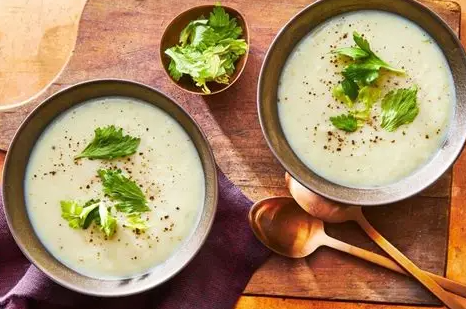
This Leek Velouté with Crème Fraîche is French refinement in its purest, most delicate form. The leeks melt into a pale‑green silk, the broth becomes velvety and comforting, and the crème fraîche adds a cool, tangy richness that lifts the entire dish. It’s the kind of soup you’d find in a chic Parisian dining room — minimalist, elegant and luxurious.

Prep 15 min Cook 25 min Serves 4

Recette de velouté de poulet et de poireau | Soupe saine | Leak soup french, How to make marie …

Ingredients

4 large leeks (white + light green parts), sliced
2 tbsp butter
1 tbsp olive oil
1 small onion, diced
2 garlic cloves, minced
4 cups vegetable or chicken stock
1/2 cup crème fraîche
to taste salt + white pepper
optional pinch of nutmeg
garnish chives, extra crème fraîche, olive oil drizzle

Instructions

  1. Prepare the leeks
    Slice leeks and rinse thoroughly to remove grit. Pat dry.
  2. Sweat the aromatics
    Melt butter with olive oil. Add leeks, onion, garlic, salt, and white pepper. Cook gently for 10–12 minutes until soft and fragrant.
  3. Add stock
    Pour in stock and simmer for 15 minutes until leeks are fully tender.
  4. Blend
    Blend until silky smooth, then return to the pot.
  5. Finish with crème fraîche
    Stir in crème fraîche off the heat for a velvety finish. Adjust seasoning.
  6. Serve
    Ladle into warm bowls and garnish with chives, crème fraîche, or a drizzle of olive oil.

Beauty Benefits

This velouté is a skin‑loving, glow‑enhancing French comfort dish.

  • Leeks:
    • Rich in sulfur compounds → supports detox pathways + clearer skin
    • Prebiotic fibre → gut‑skin harmony
    • Vitamin A precursors → smoother texture + healthy cell turnover
    • Polyphenols → reduce inflammation + environmental stress
  • Crème Fraîche:
    • Healthy fats → nourished, plump complexion
    • Lactic acid (naturally occurring) → gentle exfoliation + brightness
  • Olive Oil:
    • Vitamin E + squalene → barrier repair + long‑lasting moisture
  • White Pepper:
    • Boosts microcirculation → subtle radiance

This is a beauty‑nutrition soup disguised as French elegance.

Health Benefits

  • Prebiotic fibre for digestion
  • Naturally low‑glycemic
  • Healthy fats for hormone balance
  • Anti‑inflammatory aromatics
  • Gentle on digestion
  • Hydrating and soothing

Substitutions

Crème Fraîche

  • Sour cream (closest match)
  • Greek yogurt (lighter)
  • Coconut cream (dairy‑free)

Stock

  • Chicken stock (richer)
  • Vegetable stock (lighter)
  • Bone broth (deeply nourishing)

Flavor Add‑Ons

  • Nutmeg
  • Tarragon
  • Lemon zest
  • Truffle oil (luxury variation)

Storage

  • Fridge: 3–4 days
  • Freezer: 1 month
  • Reheat: low heat, avoid boiling (preserves silkiness)
  • Make‑ahead: ideal — flavors deepen overnight

History: Leek Velouté with Crème Fraîche

(Pardon Your French Inspired)

Leek velouté is a dish that sits at the intersection of royal French technique, countryside produce and modern bistro refinement. Its lineage can be traced through centuries of French culinary evolution, beginning with the foundational velouté sauce and the humble leek — a vegetable that has nourished France since antiquity.

Velouté: A Royal Technique Born in the Age of Refinement

Velouté, meaning “velvety,” originated in the 17th‑century royal kitchens of Louis XIV, when French cuisine began shifting toward clarity, elegance, and technical precision. The earliest velouté preparations were simple broths thickened with roux, designed to elevate everyday ingredients into refined dishes suitable for aristocratic dining.

The first formal velouté recipe appeared in 1814 in Antoine Beauvilliers’ The Art of French Cooking, written by a chef who served the royal court before opening one of Paris’s earliest grand restaurants. Later, Marie‑Antoine Carême — the architect of haute cuisine — codified velouté as a foundational sauce. In 1903, Auguste Escoffier cemented velouté as one of the five mother sauces, making it a cornerstone of classical French technique.

Your leek velouté is a direct descendant of this lineage: a royal technique applied to a countryside vegetable.

Leeks: France’s Culinary Hero

Leeks have been cultivated in France since Roman times and became especially prominent in Northern regions like Normandy, Brittany, and Picardy. Their mild sweetness and silky texture when cooked made them indispensable in soups, broths and braises — dishes meant to showcase finesse rather than extravagance.

By the Middle Ages, leeks were grown extensively in monastic gardens, prized for their hardiness and ability to thrive in cool climates. They became a symbol of rustic French cooking: humble, nourishing and endlessly adaptable.

Pairing leeks with velouté is a classic French gesture elevating simplicity through technique.

Crème Fraîche: A Normandy Treasure

Crème fraîche originated in Normandy, a region known for its exceptional dairy. Traditionally, fresh cream was left to culture naturally, developing a subtle tang and luxurious thickness. By the 19th century, crème fraîche had become a staple in Northern French cooking, used to enrich soups, sauces and gratins.

Its cool, tangy richness is the perfect counterpoint to the velvety warmth of leek velouté, creating a dish that feels both rustic and refined.

Why This Dish Is Pure Pardon Your French

This Leek Velouté with Crème Fraîche embodies the essence of French culinary philosophy:

  • Royal technique (velouté)
  • Countryside produce (leeks)
  • Regional luxury (Normandy crème fraîche)
  • Minimalist elegance (clean lines, pale green silk, refined garnishes)

It’s a dish that feels timeless — rooted in history, shaped by regional tradition.

I’m Stacey Hobbs, thanks for reading Face by Stace! Until next time.
do you feel fabulous today?

Opera Silhouettes & Couture Architecture

Opera shaped the architecture of fashion long before couture existed. Onstage, silhouette wasn’t decoration, it was storytelling. Costumes had to communicate character, emotion, and status from the back row of the theatre. This demand for clarity created the foundations of modern couture: volume, proportion, structure and movement.

In the 19th century, opera costumes were engineering feats. Designers built gowns with reinforced bodices, layered skirts, and fabrics chosen for how they behaved under heat and choreography. These principles directly influenced Charles Frederick Worth, who studied operatic proportions to craft his own dramatic silhouettes. Paul Poiret borrowed operatic exoticism, translating stage fantasy into early modern fashion.

Dior’s New Look carried operatic DNA: sweeping skirts, sculpted waists, and emotional grandeur. His silhouettes moved like arias — full, romantic, and theatrical. Balenciaga, shaped by Spanish operatic tradition, approached clothing like stage architecture. His cocoon coats and balloon dresses echoed the structural discipline of opera costumes, where form must hold its shape independently of the body.

Opera taught couture that silhouette is narrative. A gown can express fragility, power, innocence, or tragedy. It can create presence before a single word is spoken. This emotional architecture became the foundation of modern fashion design.

Every couture silhouette — from Dior’s romantic fullness to Balenciaga’s sculptural purity — carries the imprint of opera’s original stage.

I’m Stacey Hobbs, thanks for reading Face by Stace! Until next time.
do you feel fabulous today?

Opera Archetypes & Fashion Femininity

Opera created the feminine archetypes that fashion still relies on today. Long before designers crafted runway narratives, opera defined the emotional roles women performed through silhouette, gesture, and beauty. These archetypes became the blueprint for couture storytelling.

The Tragic Heroine — Violetta, Tosca, Mimi — embodied fragility, sacrifice and romantic suffering. Her costumes were soft, sweeping, and emotionally charged. Dior’s New Look echoes her silhouette: full skirts, sculpted waists, and a sense of dramatic vulnerability. The tragic heroine taught fashion that femininity could be powerful in its delicacy.

The Ingenue — Susanna, Zerlina, Sophie — represented youth, wit and modernity. Her dresses were lighter, shorter and more playful. Chanel’s youthful elegance and Karl Lagerfeld’s modern reinterpretations mirror this archetype: clean lines, fresh beauty, and effortless charm. The ingenue shaped fashion’s obsession with freshness and simplicity.

The Femme Fatale — Carmen above all — introduced danger, seduction and rebellion. Her costumes used bold colour, sharp silhouettes, and commanding presence. Yves Saint Laurent’s smoking suit, the red lip, and the modern power silhouette all descend from her operatic energy. She taught fashion that femininity could be confrontational and magnetic.

The Noblewoman — Countess Almaviva, Donna Anna — embodied authority, refinement, and sculptural elegance. Balenciaga’s architectural volumes and regal purity reflect her influence.

Opera didn’t just shape characters. It shaped how fashion understands women — their power, their softness, their rebellion, their presence.

I’

Maria Callas: The First Modern Beauty Icon

Maria Callas wasn’t just an opera singer — she was the first woman to merge performance, beauty and fashion into a single, un-forgettable identity. Long before celebrity beauty culture existed, Callas shaped how women understood glamour, presence and the power of a sculpted face.

Callas’s beauty was architectural. Her sharply defined brows created instant drama. Her eyeliner — elongated, graphic, unmistakable became a signature that read from the back of the theatre. She used contour decades before it became mainstream, carving cheekbones that intensified every emotion she delivered onstage. Under harsh lights, her matte skin and precise rouge placement gave her face clarity and authority.

Her beauty choices weren’t vanity; they were strategy. Callas understood that opera demanded visibility, symbolism, and emotional projection. She engineered her face the way a couturier engineers a silhouette with discipline, intention, and narrative.

Fashion designers adored her. Dior admired her sculptural elegance. Balenciaga recognized her regal severity. Her presence echoed couture’s core principles: structure, drama, and purity of line. Offstage, Callas embraced sleek gowns, controlled hair, and a minimalist palette that made her look timeless rather than trendy.

Callas became the bridge between opera’s stage beauty and modern glamour. Her influence shaped Old Hollywood makeup, mid‑century fashion photography, and the beauty ideals that still dominate editorial aesthetics today.

Maria Callas didn’t just perform opera. She performed beauty — and changed its history.

I’m Stacey Hobbs, thanks for reading Face by Stace! Until next time.
do you feel fabulous today?
Opera as the Original Runway

I love classical arts. I already broke out discussing some of makeup’s classic looks that were curated by a few of these ballets. My first ballet I had seen was Swan Lake. I love Romeo and Juliet; Cinderella; Sleeping Beauty; Ninjinsky; of course The Nutcracker I have seen yearly, it is a tradition to watch during the Christmas season; Apollo by Igor Stravinsky; , So, how about discussing the opera?

Opera was the world’s first runway. Long before couture salons or fashion weeks, opera houses shaped how society understood glamour, silhouette and spectacle. The stage demanded drama: sweeping gowns, architectural shapes, and colours that communicated emotion from the balcony. Designers studied opera because it taught them how clothing behaves under movement, heat and light.

In the 19th century, opera costumes were couture before couture existed. Charles Frederick Worth analyzed operatic proportions to build his own silhouettes. Paul Poiret borrowed operatic exoticism and theatrical fantasy. Dior’s New Look echoed the grandeur of operatic skirts, while Balenciaga’s sculptural volumes carried the same architectural discipline seen in Spanish opera traditions.

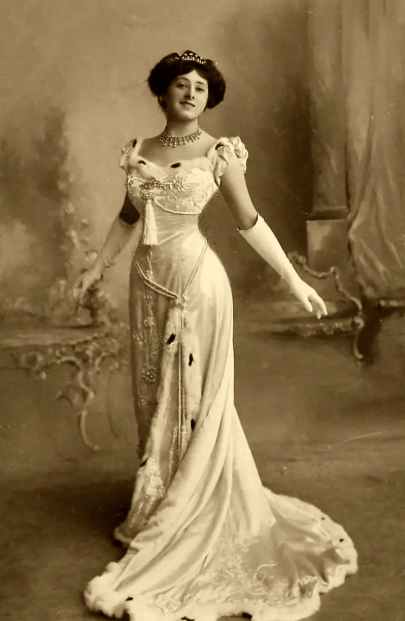
But opera wasn’t only about the performers. The audience was part of the show. Women arrived in silk gowns, jewels, gloves and elaborate hair. Men wore formal evening dress. The opera box became a social display case — a proto‑runway where fashion was performed, judged and admired. Luxury houses watched closely; opera taught them that clothing is not just worn, but displayed.

Opera created the blueprint for modern fashion presentation: narrative, spectacle, character and emotional architecture. Karl Lagerfeld understood this deeply. His runway sets — supermarkets, brasseries, beaches — were contemporary opera productions, complete worlds built to amplify Chanel’s cultural power.

Opera didn’t just influence fashion. It built the kind of luxury we know today.

I’m Stacey Hobbs, thanks for reading Face by Stace! Until next time.
do you feel fabulous today?