Pardon Your French Inspired: Leek & Goat Cheese Galette

Rustic‑chic · French countryside · warm, elegant

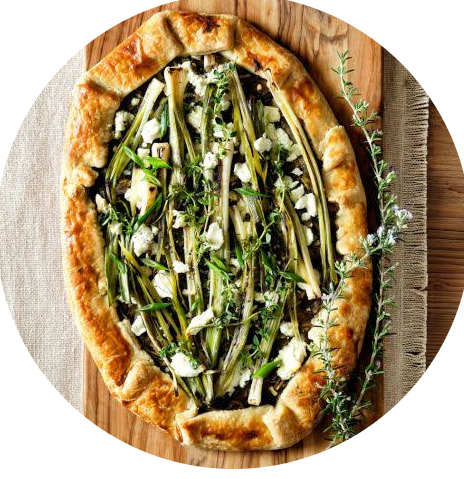
This galette is French countryside elegance at its most effortless — a free‑form tart layered with sweet, slow‑cooked leeks and creamy goat cheese, wrapped in a golden, rustic crust that folds naturally like linen. It’s the kind of dish you’d find cooling on a farmhouse windowsill in Normandy or served warm at a casual Sunday déjeuner in Brittany. The leeks melt into a silky, aromatic base, the chèvre adds a tangy richness, and the thyme threads bring that unmistakable French herbal warmth.

What makes this galette distinctly Pardon Your French is its balance of simplicity and sophistication: humble ingredients elevated through patience, technique and restraint. No fuss, no over‑styling — just honest French cooking that photographs beautifully and tastes even better. It’s warm, elegant and deeply seasonal, the type of dish that feels luxurious without trying.

Prep 25 min Cook 40 min Serves 6

Baby Leek Galettes with Goat Cheese and Wild Garlic/www.williams-sonoma.com

Ingredients

1 ¼ cups all-purpose flour
½ tsp salt
½ cup cold unsalted butter, cubed
¼ cup ice water (plus more if needed)
2 large leeks sliced (white + light green parts)
2 tbsp olive oil
1 tbsp butter
1 tsp fresh thyme leaves
4 oz soft goat cheese (chèvre)
1 egg, beaten (for egg wash)
to taste salt + white pepper

Instructions

  1. Make the crust
    Combine flour and salt. Cut in cold butter until pea-sized crumbs form. Add ice water until dough comes together. Shape into a disc, wrap, and chill for 30 minutes.
  2. Prepare the leeks
    Heat olive oil and butter over medium-low. Add sliced leeks, salt, and thyme. Cook 10–12 minutes until soft, sweet, and lightly golden. Cool slightly.
  3. Roll the dough
    Roll chilled dough into a rustic circle about 12 inches wide. Transfer to a parchment-lined baking sheet.
  4. Assemble
    Spread leeks in the center, leaving a 2-inch border. Crumble goat cheese over the leeks. Fold edges over the filling in pleats.
  5. Bake
    Brush crust with egg wash. Bake at 375°F for 35–40 minutes until golden and crisp.
  6. Serve
    Cool 10 minutes before slicing. Serve warm or room temperature.
Caramelised leek & goat’s cheese tart/www.taste.com.au

Beauty Benefits

  • Leeks: sulfur compounds support skin clarity + detox pathways
  • Goat cheese: healthy fats for glow + elasticity
  • Olive oil: nourishes the skin barrier
  • Thyme: antioxidant + anti-inflammatory

This is a beauty‑nutrition dish disguised as rustic comfort.

Health Benefits

  • High prebiotic fibre for gut‑skin harmony
  • Healthy fats for hormone balance
  • Naturally low‑glycemic
  • Gentle on digestion due to slow-cooked leeks

Substitutions

Cheese

  • Goat cheese → Comté (more French)
  • Goat cheese → Gruyère
  • Goat cheese → feta (Mediterranean twist)

Crust

  • Classic crust → puff pastry (Parisian café energy)
  • Classic crust → whole‑grain crust
  • Classic crust → gluten‑free crust

Vegetables

  • Add mushrooms for earthiness
  • Add shallots for deeper caramelization
  • Add fennel for sweetness

Herbs

  • Thyme → rosemary
  • Thyme → herbes de Provence
  • Thyme → chives (lighter)

Storage

  • Fridge: 3–4 days
  • Reheat: 325°F for 10 minutes
  • Freezer: up to 2 months (wrap tightly)
  • Make‑ahead: assemble fully, freeze un-baked, bake from frozen +5 minutes

History

Galettes are one of the oldest forms of French pastry — rustic, free‑form tarts baked long before tart pans existed. In the countryside, cooks used seasonal vegetables like leeks and onions, caramelizing them slowly to stretch their sweetness. The combination of leeks + goat cheese is especially beloved in Normandy and Brittany, where both ingredients are regional staples. This dish embodies the Pardon Your French philosophy: humble ingredients elevated through technique, patience and warmth.

I’m Stacey Hobbs, thanks for reading Face by Stace! Until next time.
do you feel fabulous today?
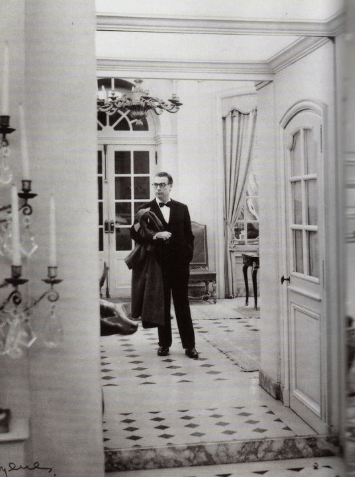
Balenciaga: The Sack Dress (1957)

In 1957, Cristóbal Balenciaga introduced a silhouette so radical that it split the fashion world in two: the sack dress. At a time when Dior’s cinched waists and sculpted hourglass shapes dominated global style, Balenciaga unveiled a garment with no waistline at all — a straight, fluid column that skimmed the body without defining it. Critics were stunned. Admirers were electrified. The sack dress was not just a new shape; it was a new philosophy.

Balenciaga’s intention was architectural. He wanted to free the body from artificial structure and allow fabric to create form independently. The sack dress floated away from the torso, creating volume without weight and movement without restriction. Its simplicity was deceptive: beneath the clean lines lay complex pattern‑cutting, hidden darts and structural engineering that allowed the dress to maintain its shape while remaining effortless to wear.

The silhouette challenged every beauty ideal of the 1950s. Instead of emphasizing curves, it emphasized presence. Instead of sculpting the body, it framed it. Women who wore the sack dress projected modernity, confidence and a refusal to conform to traditional expectations of femininity. It was fashion for the woman who defined herself — not for the woman defined by her waist.

The press initially mocked it, calling it “the bag dress.” But within months, the silhouette spread across Europe and America, influencing ready‑to‑wear designers and inspiring future minimalists. The sack dress paved the way for the baby‑doll dress, the trapeze dress, and the cocoon shapes of the 1960s.

Balenciaga didn’t just design a dress in 1957. He detonated a revolution — one that proved the future of fashion belonged to freedom, structure, and the courage to defy the expected.

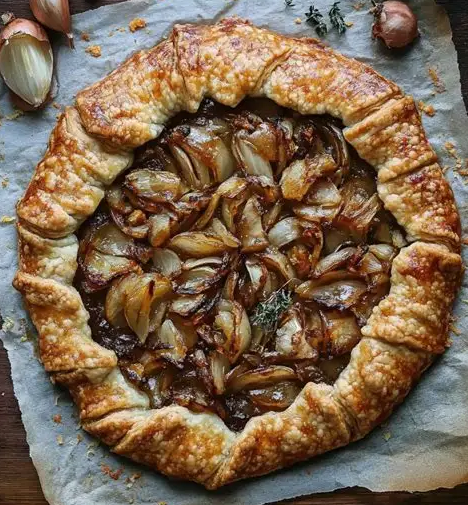
Pardon Your French Inspired: Caramelized Onion & Leek Galette

Rustic‑chic · French countryside · warm, golden, elegant

This galette is pure French countryside charm — a free‑form tart layered with deeply caramelized onions, sweet leeks, and a buttery, flaky crust. It’s rustic yet elegant, the kind of dish you’d find cooling on a windowsill in Provence or served warm in a cozy French kitchen. The slow caramelization creates a glossy, golden filling that feels luxurious despite its simplicity. This is the heart of Pardon Your French cooking: humble ingredients elevated through technique, patience, and warmth.

Prep 25 min Cook 45 min Serves 6

Irresistible Caramelized Onion Galette Recipe for Easy Entertaining – Recipes by Kendra/www.recipesbykendra.com

Ingredients

1 sheet all‑butter puff pastry or galette dough
3 large leeks, thinly sliced
2 large onions, thinly sliced
3 tbsp unsalted butter
1 tbsp olive oil
1 tsp fresh thyme leaves
1 tbsp white wine or vermouth
1/3 cup crumbled goat cheese (optional but very French)
To taste salt & pepper
1 egg, beaten (for brushing)

Instructions

  1. Caramelize the onions
    In a wide pan, melt butter with olive oil. Add sliced onions, salt lightly, and cook on medium‑low for 20–25 minutes until deep golden and jammy.
  2. Add the leeks
    Add sliced leeks to the pan. Cook another 10–12 minutes until soft, sweet, and collapsed. Deglaze with white wine and reduce fully.
  3. Season
    Add thyme, pepper, and adjust salt. Let mixture cool slightly before assembling.
  4. Prepare the dough
    Roll out your galette dough or puff pastry into a rustic circle. Transfer to a parchment‑lined baking sheet.
  5. Assemble
    Spread the caramelized onion‑leek mixture in the center, leaving a 2–3 inch border. Add goat cheese if using.
  6. Fold
    Fold the edges over the filling in rustic pleats. Brush crust with beaten egg.
  7. Bake
    Bake at 400°F (200°C) for 35–45 minutes until golden, crisp, and deeply fragrant.
  8. Finish
    Cool 10 minutes before slicing. Garnish with extra thyme.

Beauty Benefits

  • Leeks + onions: sulfur compounds support skin clarity and detox pathways
  • Olive oil: nourishes the skin barrier and enhances glow
  • Thyme: anti‑inflammatory and antioxidant
  • Goat cheese (optional): healthy fats for skin elasticity

This is a beauty‑nutrition dish disguised as comfort food.

Health Benefits

  • High prebiotic fiber for gut‑skin harmony
  • Slow‑cooked vegetables = gentle digestion
  • Healthy fats for hormone balance
  • Naturally low‑glycemic
  • Antioxidant‑rich herbs

Substitutions

Cheese

  • Goat cheese → Comté (more French)
  • Goat cheese → Gruyère
  • Goat cheese → feta (Mediterranean twist)

Crust

  • Classic crust → puff pastry (more Parisian café)
  • Classic crust → whole‑grain crust
  • Classic crust → gluten‑free crust

Vegetables

  • Add mushrooms for earthiness
  • Add fennel for sweetness
  • Add shallots for deeper caramelization

Herbs

  • Thyme → rosemary
  • Thyme → herbes de Provence
  • Thyme → chives (lighter)

Storage

  • Fridge: 3–4 days
  • Reheat: 325°F for 10 minutes
  • Freezer: up to 2 months (wrap tightly)
  • Make‑ahead: assemble fully, freeze unbaked, bake from frozen +5 minutes

History

(Pardon Your French Inspired)

The Caramelized Onion & Leek Galette is a modern French countryside classic rooted in centuries of rustic baking traditions. While galettes are now associated with chic Parisian cafés and artisanal bakeries, their origins lie in the kitchens of Northern France, where cooks relied on simple doughs and seasonal vegetables to create hearty, comforting meals.

Galettes: Rustic French Baking at Its Earliest

The word galette comes from the Old French galet, meaning “flat stone,” referring to the early method of baking dough on heated stones near the hearth. These primitive galettes were simple, free‑form, and unfussy, which is the opposite of the ornate pastries found in aristocratic kitchens.

By the 17th and 18th centuries, galettes evolved into a beloved countryside staple. They were made with whatever ingredients were available: apples in Normandy, buckwheat in Brittany, and savory vegetables in Picardy and the north. Their charm lay in their rusticity — imperfect folds, uneven edges, and a focus on flavour rather than formality.

Your Caramelized Onion & Leek Galette is a direct descendant of this tradition: a free‑form tart celebrating humble ingredients elevated through technique.

Leeks & Onions: The Backbone of Northern French Cooking

Leeks and onions have been cultivated in France since Roman times, but they became especially central to northern French cuisine during the Middle Ages. Monasteries and rural farms grew them extensively because they were hardy, inexpensive, and provided nourishment through long winters.

  • Leeks were prized for their silky texture and mild sweetness when cooked slowly.
  • Onions were valued for their ability to caramelize into deep, complex flavors.

By the 19th century, these vegetables formed the base of countless regional dishes — soups, gratins, braises, and rustic tarts. Combining them in a galette is a natural extension of this heritage.

The Modern French Galette: Rustic Meets Refined

In the 20th century, French chefs and bakers began reimagining galettes as elegant, artisanal dishes. The rustic dough remained, but fillings became more refined: caramelized vegetables, cheeses like Gruyère or Comté, and enrichments like crème fraîche.

This shift transformed the galette from peasant fare into a bistro‑worthy dish — still rustic, but elevated through technique and presentation.

I’m Stacey Hobbs, thanks for reading Face by Stace! Until next time.
do you feel fabulous today?

Pardon Your French Inspired: Leek & Smoked Salmon Quiche

Parisian brunch· refined · elegant· café‑chic

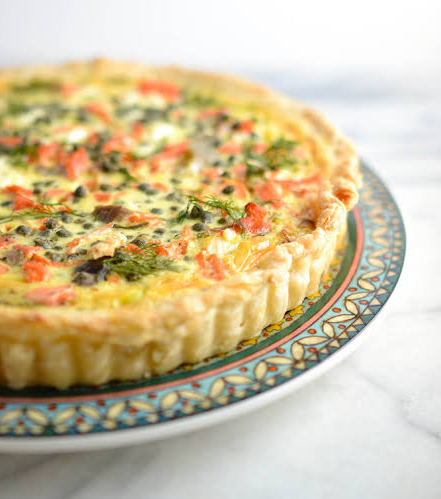
This quiche is classic Parisian brunch elegance: silky leeks, luxurious smoked salmon, fresh dill and a custard that bakes into a soft, creamy texture. It’s the kind of dish you’d find in a chic café on the Left Bank — refined, comforting and effortlessly beautiful. The sweetness of the leeks balances the smoky richness of the salmon, creating a brunch plate that feels both indulgent and light.

This quiche is soft, elegant and photogenic, exactly the kind of Parisian brunch plate you would find and love. The leeks bring sweetness, the smoked salmon adds luxury and the dill gives that fresh, modern French touch. This leek & smoked salmon quiche pairs beautifully with veloutés, galettes and fondue dishes.

Enjoy this high protein Leek & Smoked Salmon Quiche!

Prep 20 min Cook 40 min Serves 6

Salmon, Leek, and Caper Quiche
Salmon, Leek, and Caper Quiche/www.thingsimadetoday.com

Ingredients

1 9-inch pie crust (homemade or store-bought)
2 cups thinly sliced leeks (white + light green only)
1 tbsp unsalted butter
1/2 cup smoked salmon, torn into pieces
4 large eggs
1 cup heavy cream (or half-and-half)
1/4 cup whole milk
2 tbsp fresh dill, chopped
1/2 tsp sea salt
1/4 tsp white pepper (classic French choice)
1/4 cup grated Gruyère or Emmental (optional but very French)

Instructions

  1. Prepare the crust
    Preheat oven to 375°F (190°C). Place the pie crust into a tart pan or pie dish. Dock with a fork and blind-bake for 10 minutes.
  2. Caramelize the leeks
    In a skillet, melt butter over medium-low heat. Add leeks, salt lightly and cook 8–10 minutes until soft, sweet and glossy.
  3. Whisk the custard
    In a bowl, whisk eggs, cream, milk, salt and white pepper until smooth.
  4. Assemble the quiche
    Spread caramelized leeks over the crust. Add smoked salmon pieces and dill. Sprinkle Gruyère if using.
  5. Pour the custard
    Gently pour the egg mixture over the filling, letting it settle evenly.
  6. Bake
    Bake 35–40 minutes until the centre is just set and the top is lightly golden.
  7. Cool & serve
    Cool 10 minutes before slicing. Serve warm or room temperature for true Parisian brunch energy.
Salmon Quiche - RecipeTin Eats
Salmon Quiche – RecipeTin Eats/www.recipetineats.com

Beauty Benefits

  • Leeks: sulfur compounds support skin clarity + detox pathways
  • Salmon: omega‑3 glow, collagen support, hydration
  • Eggs: biotin for hair + skin strength
  • Dill: antioxidant brightness + anti‑inflammatory benefits

Health Benefits

  • High protein for sustained energy
  • Balanced fats for hormone support
  • Gentle on digestion
  • Naturally low‑glycemic
  • Omega‑3s for skin barrier + radiance
Salmon Quiche - RecipeTin Eats
Salmon Quiche – RecipeTin Eats/www.recipetineats.com

Substitutions

Protein

  • Smoked salmon → fresh salmon flakes
  • Smoked salmon → trout or Arctic char
  • Smoked salmon → sautéed mushrooms (vegetarian)

Dairy

  • Heavy cream → half‑and‑half
  • Heavy cream → crème fraîche (French tang)
  • Heavy cream → whole milk (lighter)

Herbs

  • Dill → chives
  • Dill → tarragon (very French)
  • Dill → parsley (clean, bright)

Crust

  • Pie crust → puff pastry (more Parisian café)
  • Pie crust → gluten‑free crust
  • Pie crust → potato crust (rustic)

Storage

  • Fridge: 3–4 days
  • Reheat: 300°F for 10 minutes; keeps texture silky
  • Freezer: up to 2 months (wrap tightly)
  • Make‑ahead: bake fully, cool, refrigerate; reheat gently before serving

History

Quiche has deep roots in French cuisine, originating in the region of Lorraine. While Quiche Lorraine traditionally uses bacon, Parisian cafés often feature smoked salmon variations for a lighter, more elegant brunch option. Leeks — beloved across France — add sweetness and silkiness, making this version a refined evolution of the classic. The combination of leeks + salmon is especially popular in Normandy and Brittany, where both ingredients are regional staples.

I’m Stacey Hobbs, thanks for reading Face by Stace! Until next time.
do you feel fabulous today?
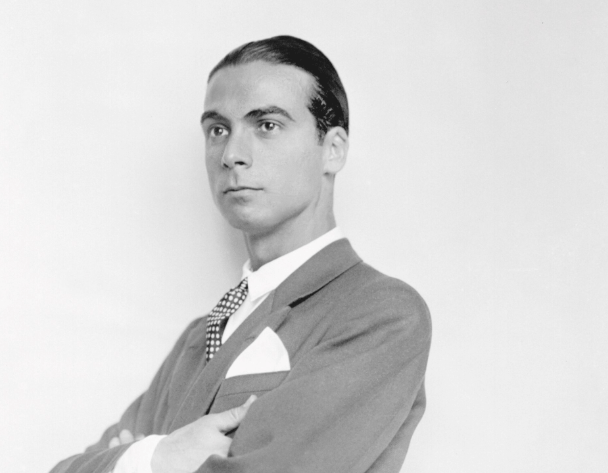
Balenciaga: Engineering Genius (The Architect of Modern Couture)

Cristóbal Balenciaga was not merely a couturier, he was a structural engineer working in fabric. In an era when most designers sketched ideas and relied on teams of cutters and drapers to execute them, Balenciaga alone mastered every stage of construction. He could cut, drape, tailor, stitch and finish a garment with the precision of a master craftsman. His technical skill was so extraordinary that Christian Dior famously said, “Balenciaga is the master of us all.”

Balenciaga approached clothing like architecture. He believed a garment should hold its shape independently of the body, creating form through engineering rather than decoration. His patterns were mathematical, built from un-expected angles, curved seams and innovative fabric. He experimented relentlessly with volume, weight and balance often constructing garments that appeared simple but required astonishing complexity beneath the surface.

His mastery of fabric behaviour set him apart. Balenciaga understood how textiles moved, folded and responded to gravity. He used stiff gazar, crisp taffeta and heavy wool to sculpt silhouettes that floated, ballooned or cocooned around the body. His cuts eliminated un-necessary seams, allowing garments to drape in pure, un-interrupted lines. Even his simplest dresses contained hidden architecture: interior supports, strategic darts and structural underpinnings invisible to the eye.

Balenciaga’s engineering genius paved the way for modern minimalism. Designers like Givenchy, Courrèges, and later Rei Kawakubo drew from his structural approach. His work proved that true innovation comes not from embellishment but from mastery of construction.

In couture history, Balenciaga stands alone — the designer who didn’t just create fashion, but built it.

I’m Stacey Hobbs, thanks for reading Face by Stace! Until next time.
do you feel fabulous today?
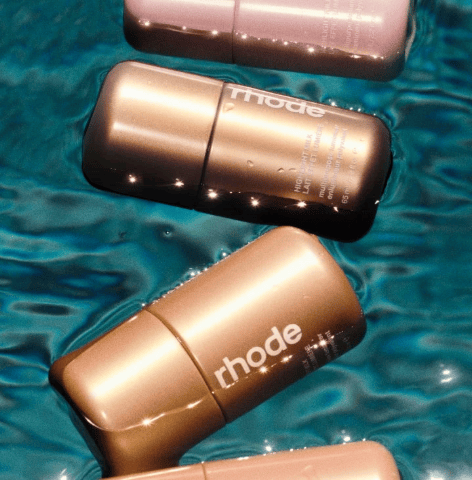
Award Winner: Rhode Highlight Milk

Rhode’s Highlight Milk has landed onto Allure’s Best of Beauty Products of 2026!! Highlight Milk is the brand’s most refined take on glow — a multipurpose luminizer that gives skin a soft, pearlescent sheen without slipping into glitter or metallic shine. It’s built from the same hydrating base as Glazing Milk, but with a subtle radiance that enhances both bare skin and makeup.

This is the kind of highlight that feels modern: sheer, blendable, and skin‑first. It layers beautifully over foundation, mixes seamlessly with moisturizer, and adds dimension without emphasizing texture. The finish is radiant, shimmery and naturally luminous — the kind of glow that looks like great lighting rather than heavy makeup.

Texture & Finish

  • Lightweight liquid
  • Buildable from whisper‑sheen to soft luminosity
  • Never greasy, never sparkly
  • Ideal for cheekbones, temples, collarbones, and even shoulders

How to Use

  • Apply after Glazing Milk for a hydrated, glassy base
  • Tap onto high points of the face with fingers or a damp sponge
  • Mix with foundation for an all‑over glow
  • Layer under powder highlight for extra dimension

Why Stacey Loves It: I love milk-based skincare and makeup. It always feels so refreshing on my skin. Perfect for sensitive skin too. Highlight Milk is light-weight, never greasy which I am a huge fan of and I love how it highlights my features with naturality. Easy to use. Easy to apply. Easy to blend. 

I’m Stacey Hobbs, thanks for reading Face by Stace! Until next time.
do you feel fabulous today?