Christian Louboutin transformed the high heel from an accessory into an object of desire. When he introduced the red sole in 1993, he wasn’t creating a trend — he was creating a symbol. The red sole became an instant signature, a flash of colour that turned every step into a performance. It was glamour, confidence, and seduction distilled into a single gesture.
Louboutin understood the psychology of the heel. He believed height changed posture, attitude, and presence. His shoes elongated the leg, sharpened the silhouette, and shifted the wearer’s energy forward. They weren’t passive adornments; they were instruments of power. The heel became a form of erotic architecture — sculptural, commanding and feminine.
His craftsmanship is rooted in Parisian tradition: hand‑cut leather, precise balance, and silhouettes engineered for drama. Louboutin’s designs are theatrical — spikes, satin, patent, lace — yet always anchored by the discipline of a perfect arch. He treats shoes like couture treats gowns: objects built to transform the body.
The red sole itself has become cultural shorthand. It signals luxury, confidence, and a certain unapologetic glamour. The sole became a brand, a myth and a global icon.
Louboutin didn’t just design shoes. He redefined the modern heel as a symbol of feminine power, sensuality, and self‑possession.
I’m Stacey Hobbs, thanks for reading Face by Stace! Until next time. do you feel fabulous today?
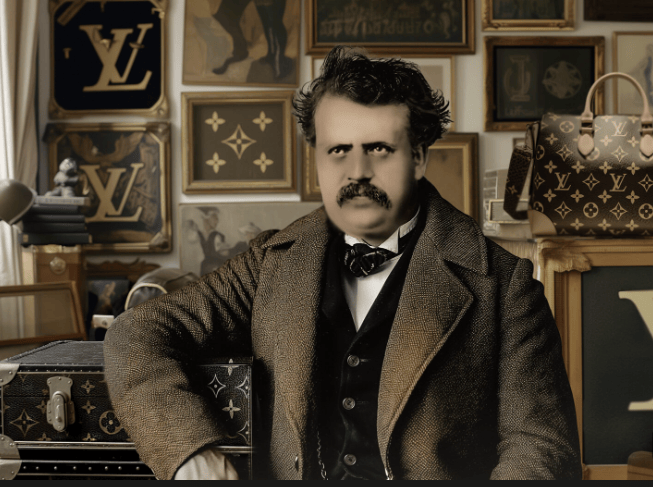
Louis Vuitton began not as a fashion house, but as a revolution in mobility. In 1854, Vuitton understood something no one else had: modern life would be defined by movement. Travel was becoming faster, grander, and more global — and it needed an elegance, style and luxury and so, Vuitton built it.
His innovation was the flat‑topped trunk, engineered to stack efficiently in train cars and steamships. It was practical, yet beautifully crafted, signalling a new kind of luxury: elegance through function. Vuitton’s trunks were architectural objects — disciplined lines, reinforced corners, and materials chosen for durability and prestige. They became symbols of modern sophistication.
The Monogram Canvas, introduced by his son Georges in 1896, transformed Vuitton from a maker of trunks into the world’s first luxury brand. The monogram wasn’t decoration; it was identity. It protected against counterfeits, created instant recognition, and established the idea that a logo could carry cultural power. Vuitton pioneered luxury branding decades before fashion houses embraced it.
As travel evolved, so did the house. Suitcases, hat boxes, vanity cases, and soft luggage reflected changing lifestyles. Vuitton’s craftsmanship remained constant: hand‑finished details, disciplined construction, and materials engineered for endurance. The brand’s DNA — mobility, modernity, and prestige — shaped the future of luxury design.
Louis Vuitton didn’t just make luggage. He created the visual language of travel — and the guideline for modern luxury branding.
I’m Stacey Hobbs, thanks for reading Face by Stace! Until next time. do you feel fabulous today?
Opera houses were the original social runways — places where fashion wasn’t just worn, but performed. In the 19th and early 20th centuries, attending the opera was a public ritual of elegance, status, and spectacle. The audience was part of the show, and every appearance was a curated display of identity.
Women arrived in silk gowns, gloves, jewels and elaborate hair. Their silhouettes were chosen not only for beauty but for visibility from across the theatre. Men wore formal evening dress, polished shoes, and immaculate tailoring. The opera box became a stage within a stage, which would be a place to be seen, admired and socially positioned.
Fashion houses watched closely. Designers understood that the opera audience shaped cultural taste. Chanel’s early clients attended the opera in her sleek evening coats and pearls. Dior’s post‑war salons echoed the grandeur of opera nights, where femininity was performed with ceremony. Balenciaga’s aristocratic clients treated the opera as a showcase for his sculptural silhouettes.
The opera house also influenced beauty rituals. Women perfected powder discipline, rouge placement, and architectural hair to withstand heat, movement, and long evenings. Beauty became part of the performance, all about refinement and control.
Opera houses taught fashion that glamour is not private. It is social, theatrical, and deeply symbolic. They created the blueprint for the modern red carpet, the couture show, and the culture of being seen.
Opera didn’t just shape style. It shaped how luxury is performed.
I’m Stacey Hobbs, thanks for reading Face by Stace! Until next time. do you feel fabulous today?
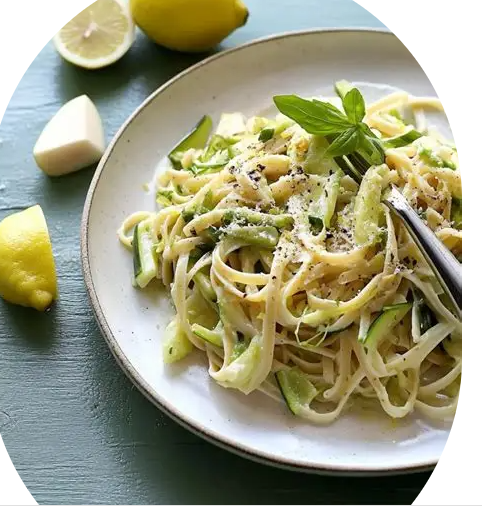
Bright, cozy, and effortlessly elegant — this lemony leek orzo feels like something Jillian would serve on a Sunday evening with a glass of white wine (Chardonnay or Pinot Grigio, anyone?) and a soft knit sweater. Melted leeks create a silky base, the orzo adds comforting creaminess and fresh lemon lifts everything with a sunny, West-Coast brightness.
It’s approachable and nourishing: pale greens, soft yellows, and a sprinkle of herbs that make the bowl look instantly delicious. Family‑friendly and perfect for entertaining.
This dish is deeply beauty‑supportive — hydrating, anti‑inflammatory and glow‑enhancing.
This dish is cozy, energizing and wellness‑aligned — exactly Jillian’s vibe.
Prep 15 min Cook 25 min Serves 4
Irresistible Leek and Lemon Linguine – Deliciously Quick Meal/lindsayrecipes.com
Ingredients
2 tbsp olive oil 2 large leeks, white + light green parts, thinly sliced 3 garlic cloves, minced 1 cup dry orzo 2 1/4 cups vegetable broth 1 lemon, zested and juiced 1/2 cup light cream 1/4 cup fresh parsley, chopped 2 tbsp fresh chives, chopped to taste salt + pepper optional parmesan
Instructions
Sauté the leeks Warm olive oil in a large skillet over medium heat. Add sliced leeks and cook 8–10 minutes until soft, sweet and lightly golden.
Add garlic Stir in minced garlic and cook 1 minute until fragrant.
Toast the orzo Add dry orzo to the skillet and stir for 1–2 minutes to lightly toast.
Simmer Pour in vegetable broth, bring to a gentle simmer, and cook 10–12 minutes until the orzo is tender and creamy.
Add lemon + cream Stir in lemon zest, lemon juice, and cashew cream. Season with salt and pepper.
Finish with herbs Fold in parsley and chives. Adjust seasoning and add more lemon if desired.
Serve Plate warm with vegan parmesan or regular parmesan and extra herbs for a bright Jillian‑style finish.
Beauty Benefits
This dish is deeply beauty‑supportive — hydrating, anti‑inflammatory and glow‑enhancing.
Leeks
Rich in prebiotic fibre, supporting gut balance → clearer skin
High in kaempferol, an antioxidant that protects against environmental stress
Vitamin K improves microcirculation → reduces dullness
Gentle sulphur compounds support detox pathways → brighter complexion
Lemon
High in vitamin C, supporting collagen production
Natural brightening effect on skin
Helps reduce puffiness and inflammation
Olive Oil
Contains polyphenols that protect against oxidative stress
Provides squalene, which supports hydration and suppleness
Fresh Herbs (parsley, dill, basil)
Antioxidant‑rich
Support skin clarity and calmness
This dish is essentially a hydrating, glow‑boosting, anti‑inflammatory beauty bowl — very Jillian.
Health Benefits
Balanced and nourishing.
Leeks
Anti‑inflammatory
Support digestion through prebiotic fibre
Provide folate for cellular repair
Orzo (regular or gluten‑free)
Offers sustained energy
Pairs well with fibre‑rich vegetables
Creates a creamy texture without dairy
Lemon & Garlic
Support immune health
Help regulate blood sugar
Provide antioxidants
Olive Oil
Heart‑healthy monounsaturated fats
Supports hormone balance
Adds satiation without heaviness
This dish is cozy, energizing, and wellness‑aligned — exactly Jillian’s vibe.
Storage
Refrigerator: 3–4 days
Orzo will thicken; loosen with warm water, broth or a splash of olive oil
Freezer: Not recommended — lemon and herbs lose freshness
Excellent served warm or room temperature
Substitutions
Orzo
Quinoa (lighter, higher protein)
Brown rice (heartier)
Gluten‑free orzo
Leeks
Shallots (sweeter)
Green onions (lighter)
Fennel (more aromatic)
Lemon
Meyer lemon (softer, floral)
White wine
Champagne vinegar
Olive Oil
Avocado oil (neutral, high‑heat friendly)
Vegan butter (richer)
Herbs
Dill → more delicate
Basil → sweeter
Tarragon → more French and aromatic
Enjoy this Jillian Harris–Inspired: Bright Lemon Leek Orzo with Herbs!
I’m Stacey Hobbs, thanks for reading Face by Stace! Until next time. do you feel fabulous today?
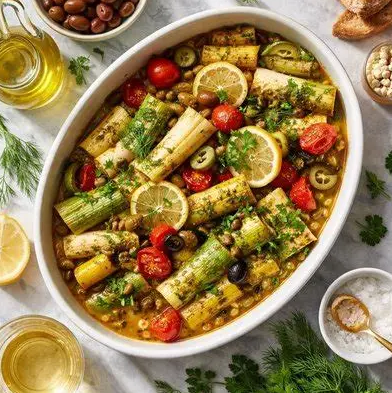
Leeks à la Grecque is one of those luxurious, elegant dishes that feels both ancient and modern. The leeks are gently simmered until tender, then cooled in a fragrant bath of olive oil, lemon, white wine, coriander seed and bay leaf. As they rest, they absorb the aromatics, becoming silky, citrus‑forward and delicately spiced.
Served chilled or at room temperature, the dish has a refreshing, almost spa‑like quality — clean flavours, soft textures and a brightness that makes it feel effortlessly elegant. It’s the kind of vegetable dish you’d find in a chic Parisian wine bar or a chef‑driven vegetable tasting menu. Minimalist, refined and deeply French.
6–8 medium leeks, trimmed and cleaned 1 cup dry white wine 1 cup water 1⁄3 cup extra‑virgin olive oil 1 lemon, zested and juiced 1 tsp coriander seeds 1 bay leaf 1–2 cloves garlic, lightly crushed 1 tsp kosher salt To taste black pepper Optional fresh thyme or parsley, for garnish
Instructions
Prepare the leeks Trim the dark green tops, leaving mostly the white and pale green portions. Slice each leek in half lengthwise and rinse thoroughly to remove any grit.
Build the cooking liquid In a wide saucepan, combine the white wine, water, olive oil, lemon zest, lemon juice, coriander seeds, bay leaf, garlic, salt, and pepper.
Poach gently Add the leeks cut‑side down. Bring to a gentle simmer over medium‑low heat. Cook for 20–25 minutes until the leeks are tender but still hold their shape.
Cool in the broth Remove from heat and allow the leeks to cool completely in the aromatic liquid. This step is essential — the leeks absorb flavour as they chill.
Chill and serve Transfer the leeks and some of the broth to a shallow dish. Refrigerate for at least 2 hours or overnight. Serve cold or at room temperature with a drizzle of olive oil and fresh herbs.
Beauty Benefits
This dish is a beauty powerhouse — gentle, anti‑inflammatory, and rich in nutrients that support skin clarity, glow and hydration.
Leeks
High in prebiotic fibre, supporting gut balance and reducing inflammation that shows up on the skin.
Contain kaempferol, an antioxidant that helps protect against environmental stressors.
Naturally rich in vitamin K, supporting microcirculation and reducing dullness.
Their gentle sulphur compounds help support detox pathways, contributing to clearer skin.
Olive Oil
Packed with polyphenols, which help defend the skin against oxidative damage.
Provides healthy fats that nourish the skin barrier, improving softness and elasticity.
Contains squalene, a natural emollient that supports hydration and suppleness.
Lemon
High in vitamin C, supporting collagen production and brightening the complexion.
Offers natural detoxifying properties that help reduce puffiness and inflammation.
Coriander Seed
Contains anti‑inflammatory compounds that help calm the skin.
Supports digestion, which directly influences skin clarity and radiance.
This dish is essentially a skin‑brightening, anti‑inflammatory, glow‑enhancing vegetable plate.
Health Benefits
Beyond beauty, Leeks à la Grecque is nutritionally elegant and restorative.
Leeks
High in inulin, a prebiotic fibre that supports digestion and gut health.
Gentle on the stomach and ideal for anti‑inflammatory eating.
Provide folate, supporting cellular repair and energy production.
Low in calories but nutrient‑dense, making them ideal for light meals.
Olive Oil
Heart‑healthy monounsaturated fats.
Supports brain health and hormone balance.
Helps stabilize blood sugar when paired with vegetables.
Lemon & Herbs
Natural detoxifiers that support liver function.
Vitamin C for immune support.
Anti‑inflammatory compounds that reduce swelling and water retention.
This dish feels light but is deeply nourishing — perfect for wellness‑aligned cooking.
Storage
Refrigerator: Up to 4 days, stored in its cooking liquid.
Best served cold or room temperature — do not reheat.
Do not freeze — the texture becomes watery and the aromatics dull.
Flavour improves after 12–24 hours as the leeks absorb the broth.
Substitutions
This recipe adapts beautifully to different tastes and ingredients.
Leeks
Spring onions (lighter, more delicate)
Asparagus (similar shape, different flavour)
Fennel (more aromatic, slightly sweet)
White Wine
Vermouth (herbal, very French)
Vegetable broth (alcohol‑free)
Apple cider vinegar + water (for acidity)
Coriander Seed
Fennel seed (sweet, anise‑like)
Celery seed (earthy, savoury)
Omit entirely — still delicious
Olive Oil
Avocado oil (neutral, buttery)
Grapeseed oil (lighter, cleaner)
History
Despite its name, à la Grecque is not Greek — it’s French. The term refers to a French culinary technique inspired by Mediterranean flavours, particularly lemon, olive oil, and herbs.
Origins
The method emerged in 19th‑century French cuisine, when chefs began incorporating Mediterranean ingredients into cold vegetable dishes.
“À la Grecque” became shorthand for vegetables cooked in a lemony, olive‑oil‑rich broth, then served chilled.
Why Leeks?
Leeks have been a cornerstone of French cooking since medieval times. Their mild sweetness and elegant texture made them ideal for cold preparations, especially in Northern France where vegetable dishes were often served as part of multi‑course meals.
Modern Revival
Today, Leeks à la Grecque appears in bistros, wine bars, and modern vegetable‑forward restaurants across France and Canada. It’s considered:
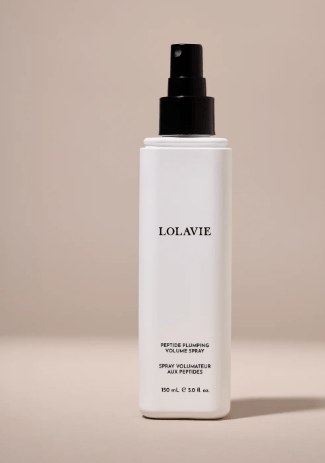
There is a reason as to why LolaVie Peptide Plumping Volume Spray has won Allure’s Best of Beauty awards for 2026.
LolaVie’s award‑winning Peptide Plumping Volume Spray is a lightweight, silicone‑free styler that delivers instant fullness, touchable body, and long‑lasting lift while strengthening the hair with a blend of peptides, bamboo extract, and nourishing botanicals. Designed to enhance natural texture without stiffness or residue, it protects against heat, boosts shine, and leaves hair looking thicker, smoother and healthier with every use.
More to love: 99% naturally derived Vegan 72‑hour lift 450°F heat protection Formulated with pea peptides B‑Pro3™ bond technology (chia‑seed–derived, helps prevent and repair signs of damage) Jackfruit Bamboo extract Hydrating formula Silky Cruelty‑free Colour‑safe
Price: $30
Discover the reason as to why LolaVie Peptide Plumping Volume Spray is an award-winner on lolavie.com
Have you tried LolaVie Peptide Plumping Volume Spray? Please, let me know, I’d love to hear from you!
I’m Stacey Hobbs, thanks for reading Face by Stace! Until next time. do you feel fabulous today?