The Invention of American Sportswear

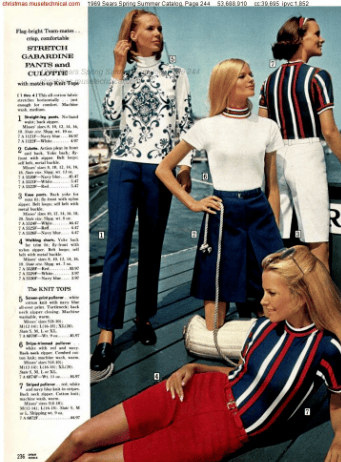
American sportswear wasn’t “invented” in a single moment. American sportwear evolved out of a cultural shift. In the early 20th century, as American women embraced mobility, independence and modern life, a new category of clothing emerged. Practical, stylish, mix‑and‑match separates designed for real living. It was the opposite of Parisian couture’s formality. It was functional and distinctly American.

wp.com
pinimg.com
pinimg.com

A Break from European Tradition

America was ready to branch away from the traditional European styling, to develop its own distinct fashion that would and will be easily identifiable for decades to come, leaving the world to follow suit to embrace this new genre of fashion, a new form of comfort, of practicality and function.

Before sportswear, fashion followed a rigid hierarchy. Couture houses dictated silhouettes; women followed. But the American lifestyle, which was faster, more casual, more outdoorsy, demanded something different. Designers began creating clothes that reflected how women actually moved through their day, commuting, working, socializing, travelling.

This shift wasn’t about rebellion; oh no, it was all about reality. 

The Designers Who Defined the Movement

Several pioneering designers shaped what we now call American sportswear. These pioneers include, but not limited to:

  • Claire McCardell
    The architect of modern American style. She introduced ballet flats, popover dresses, pockets, denim for daywear and the idea that clothes should empower women, not restrict them.
  • Bonnie Cashin
    Known for layering, leather trim and the iconic “car coat.” She blended utility with elegance long before street style existed.
  • Norman Norell
    Refined simplicity, elevating separates into chic, wearable luxury.
  • Anne Klein
    Championed the coordinated wardrobe, making it easy for women to build outfits that worked across seasons and settings.

These designers didn’t imitate Europe; they built a new vocabulary, a new genre, if you will. 

The Rise of Ready‑to‑Wear

Ready-to-Wear really began with Yves Saint Laurent, who had introduced this category of fashion in the 1970s, however it was American sportswear that embraced it and elevated it perfectly with America’s booming ready-to-wear industry. Unlike couture, which relied on custom fittings, sportswear was designed to be produced at scale, sold off the rack, mixed and matched and worn without fuss, 

Women could curate personal style without needing couture budgets or couture lifestyles.

Cultural Forces That Made Sportswear Possible

  • Women entering the workforce.
    Clothing needed to be practical and polished.
  • Leisure culture.
    Tennis, golf, seaside vacations and weekend escapes shaped silhouettes.
  • Automobile culture. 
    Coats, separates, and easy layers became essential.
  • Hollywood. 
    Stars wore relaxed, modern clothes that resonated with everyday women.

Sportswear wasn’t just a fashion category, it was a reflection of American identity; optimistic, mobile and modern.

Today’s wardrobes, which includes capsule closets, elevated basics, athleisure, quiet luxury are all descendants of early American sportswear. The idea that clothing should be functional, comfortable, versatile and stylish without effort is now a global standard. However, it all began with American sportswear, beginning between the 1910s and 1940s.

American sportswear didn’t just have an impact on the evolution in how women dressed; it changed how women lived.

I’m Stacey Hobbs, thanks for reading. Until next time!

do you feel fabulous today?
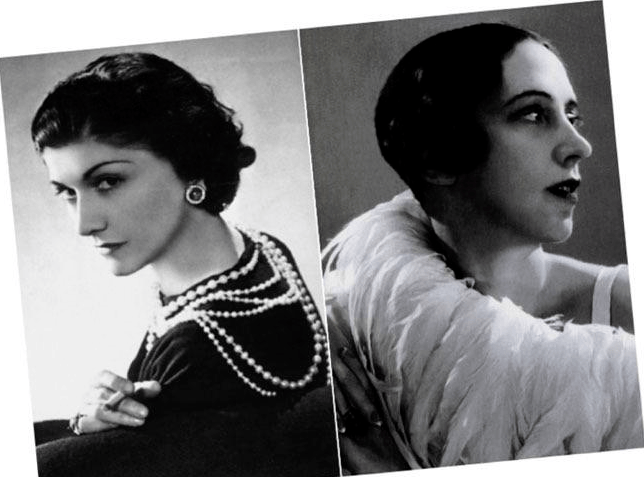
Chanel vs Schiaparelli: The Wildest, Pettiest Fashion Feud in History

Classic chic or surreal shock? The feud that set fashion on fire.

Well, well, well, a few fashion feuds have gone down in history, but none quite as deliciously petty as this one. In the words of Bette Davis, fasten your seatbelts —it’s gonna be a bumpy ride. Or is it?

Gabrielle “Coco” Chanel and Elsa Schiaparelli weren’t just rivals — they were opposing philosophies in couture. One built an empire on quiet, wearable elegance; while the other turned clothing into theatrical art. Their 1930s feud mixed petty insults, headline‑grabbing stunts and design, where they would one‑up each other, or at the very least attempted to, that left a permanent mark on fashion. From the little black dress to the neon shock of Shocking Pink.

At its worst, the rivalry turned dangerous. From a costume‑ball confrontation that ended with Schiaparelli’s outfit aflame and gossip that would fuel both women for decades. At its best, the feud pushed both houses to innovate, this would include, hidden closures and refined silhouettes on one side, visible zippers and surrealist motifs on the other.

This is the story of how chic met shock, how spite, if one can refer to it as such, birthed staples and why both designers still matter in today’s world of fashion, why each lady earned the title icon, not only in fashion, but as a whole. 

Chanel called Schiaparelli “that Italian artist who makes clothes.”

Schiaparelli mocked Chanel’s simplicity.

They hated each other with style.

Before the post-war battle with Christian Dior, Gabrielle “Coco” Chanel’s most explosive, bitter and deeply personal rivalry was with Elsa Schiaparelli. Throughout the 1930s, Paris fashion split into two fiercely competing camps. These were Chanel’s minimalist, classic elegance versus Schiaparelli’s wild, avant-garde Surrealism. Chanel, threatened by Schiaparelli’s soaring popularity, famously refused to even speak her name, referring to Schiaparelli only as “that Italian artist who makes clothes.”

The Chic vs. The Shock: 
The Chanel & Schiaparelli War

The Clash of Philosophies: Function vs. Art

The root of their mutual hatred lay in their diametrically opposed views of what fashion should be. 

Chanel (The Couturière) believed fashion was a practical craft rooted in sobriety, clean lines and wearable luxury. Her uniform was the little black dress, flexible jersey, and understated elegance.

Whereas, Schiaparelli (The Artist)viewed fashion as a playground for performance art. Collaborating with Salvador Dalí and Jean Cocteau (once a close friend and collaborator, until the relationship included sharp public insults and periods of cooling off), she introduced a dress painted with a giant lobster, hats shaped like upside-down high heels, and drawer-pockets.

The Tension
Chanel viewed Schiaparelli’s work as cheap, un-wearable gimmicks that insulted the dressmaking profession. Schiaparelli viewed Chanel as a boring, predictable traditionalist who was stuck in the past.

Opposing philosophies behind Coco Chanel and Elsa Schiaparelli:

“Fashion is not art. It is a craft.” – Gabrielle “Coco” Chanel
“Dress designing is not a profession, it is an art.” – Elsa Schiaparelli

Monochrome & Neutrals vs. Shocking Pink palette.
Hidden, integrated pockets vs. Exposed plastic zippers.
Hidden interior luxury vs. Sculptural bug & lip buttons.

The Sabotage: 
The Human Chandelier Incident

The rivalry escalated beyond press barbs into literal physical sabotage. The feud peaked at a high-society costume ball in Paris in the mid-1930s

he “Human Chandelier” or candelabra incident is a dramatic anecdote often told about the Chanel–Schiaparelli rivalry. At a 1930s costume ball, Coco Chanel allegedly steered Elsa Schiaparelli into a lit candelabra, setting Schiaparelli’s costume caught on fire while guests doused her with drinks, while Chanel looked on. 

This story appears in many modern re-tellings and exhibition copy as colourful evidence of their rivalry, but most accounts trace back to later memoirs, magazine recollections or curatorial summaries rather than a single, verifiable 1930s news report. This story may be found in museum/exhibition texts and books on Schiaparelli/Chanel; authoritative on context but not always primary-evidence based. This does not mean the rivalry within itself is well documented; the fire story is not firmly documented. 

Iconic Structural Innovations Born 
As a Response

Both designers turned personal rivalry into design moves. Schiaparelli weaponized spectacle (visible zips, Shocking Pink, surreal motifs) while Chanel doubled down on discreet engineering and wearable modernism (jersey, the little black dress, hidden finishes).

Elsa Schiaparelli

Shocking Pink; visible decorative zippers; surrealist motifs (lobster, shoe‑hat); theatrical embroidery.

A deliberate provocation against restrained couture, colour and ornament made a public, theatrical retort to Chanel’s understatement.

Coco Chanel

Jersey as outerwear, the little black dress, menswear tailoring, hidden closures and pared finishes.

A counter‑strategy that refines functionality and understatement so that spectacle looks frivolous next to utility.

Evidence and Interpretation

Schiaparelli’s signature moves.
Shocking Pink, the lobster dress (Dalí collaboration), and the use of zippers, which is well documented in museum essays and fashion histories. 

Chanel’s practical revolutions.
Popularizing jersey for outerwear, creating the little black dress and the modern two‑piece suit and favouring hidden, refined finishes, which are well attested and represent timelessness.

Was it strategy?
Many historians argue the rivalry sharpened both women’s choices. Schiaparelli escalated theatricality while Chanel doubled down on restraint. A dynamic that produced distinct, lasting structural innovations rather than mere gossip.

The Legacy: 
Who Won the Battle?

When World War II broke out in 1939, both houses closed, but their post-war trajectories split drastically. Chanel made a triumphant, historic comeback in 1954. Schiaparelli, however, struggled to find her footing in the pragmatic post-war economy and closed her couture house for good in 1954, which just so happens to be the exact year Chanel returned.

For decades, Chanel won the war of commercial longevity. However in the modern era, both legacies burn bright. Chanel remains a global powerhouse of classic luxury, while the beautifully revived House of Schiaparelli, under Daniel Roseberry, rules in the modern era with the same surreal, shocking energy that once drove Coco Chanel completely mad.

I’m Stacey Hobbs, thanks for reading. Until next time!

do you feel fabulous today?
Why Was Cake Mascara the King of Eye Make-up?

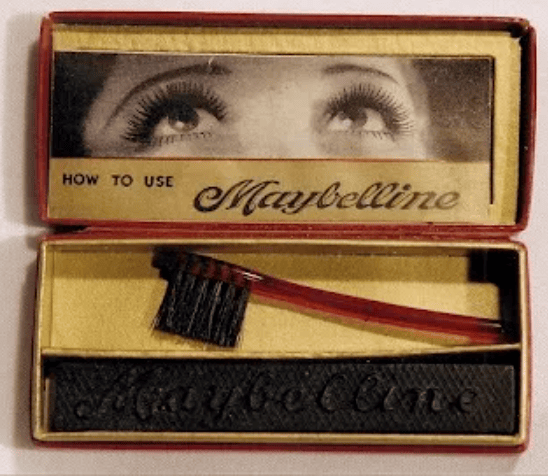
Cake mascara was the standard mascara format. A solid “cake” of pigment that users moistened (often with water or saliva), worked into a paste with a tiny brush, and applied mainly to the upper lashes; it was inexpensive to make (soap + pigment) and carried notable hygiene risks that later helped drive the shift to tube mascaras.

Best Super Mascara in a cardboard container with a block of cake mascara, a mirror and a small brush. This type of packaging first appeared in the nineteenth century/cosmeticsandskin.com
1930s Wynne Gibson applying cake mascara to her eyelashes/cosmeticsandskin.com
1930s Norma Shearer applying cake mascara to her eyebrows/cosmeticsandskin.com

Cake mascara was the undisputed king of eye make-up from the 1920s through the late 1950s, long before the modern squeeze-tube mascara was invented. Because plumbing wasn’t as ubiquitous and women often applied their make-up on the go, saliva became the standard activator, giving the product the notorious street name “spit black.”

What it was
Cake (or block) mascara was a compacted bar of pigment and soap‑like binder sold in tins or small boxes with a mirror and a tiny brush. The formula often used carbon black or similar pigments mixed into sodium‑stearate soap chips.

How common it was
From the 1920s through the 1940s cake mascara was the dominant consumer format; it remained widely used until liquid/cream tube formats began to replace it in the 1950s

Typical 1940s Application Technique

Activate the cake
Users moistened the dry pigment block with a few drops of water or commonly saliva were used to soften the cake into a paste.

Build the paste & tool
A tiny, stiff‑bristled, toothbrush‑style applicator was raked or scrubbed across the cake until a smooth, creamy paste formed.

Upper lashes only
Mascara was swept only on the upper lashes with an upward, curling motion for a natural, defined look. Applying cake mascara on the lower‑lashes was considered theatrical.

Composition and manufacturing

A basic cake mascara recipe: early commercial cakes were essentially a pigmented soap: carbon black pigment blended with soap chips and oils, milled and pressed into cakes. This made them cheap and easy to produce.

Hygiene and Health Risks

The contamination risk of using cake mascara is the repeated usage of saliva, which introduced oral bacteria into the tin and 1940s formulas lacked modern preservatives.

Common consequences of the cake mascara is this practice contributed to styes, conjunctivitis and corneal irritation.

Why this mattered
These hygiene problems, plus the convenience of new applicator designs, helped push the market toward pre‑filled tube mascaras with wands in the 1950s. Helena Rubinstein’s 1957 brush‑in‑tube innovation and later mass products accelerated that shift.

Safer practice today
Activate with clean water (not saliva), use a dedicated, easily sanitized brush, let the cake dry between uses and replace, disinfect or clean by washing tools regularly to reduce bacterial growth. These steps adapt the vintage method while addressing historical risks.

I’m Stacey Hobbs, thanks for reading. Until next time!

do you feel fabulous today?

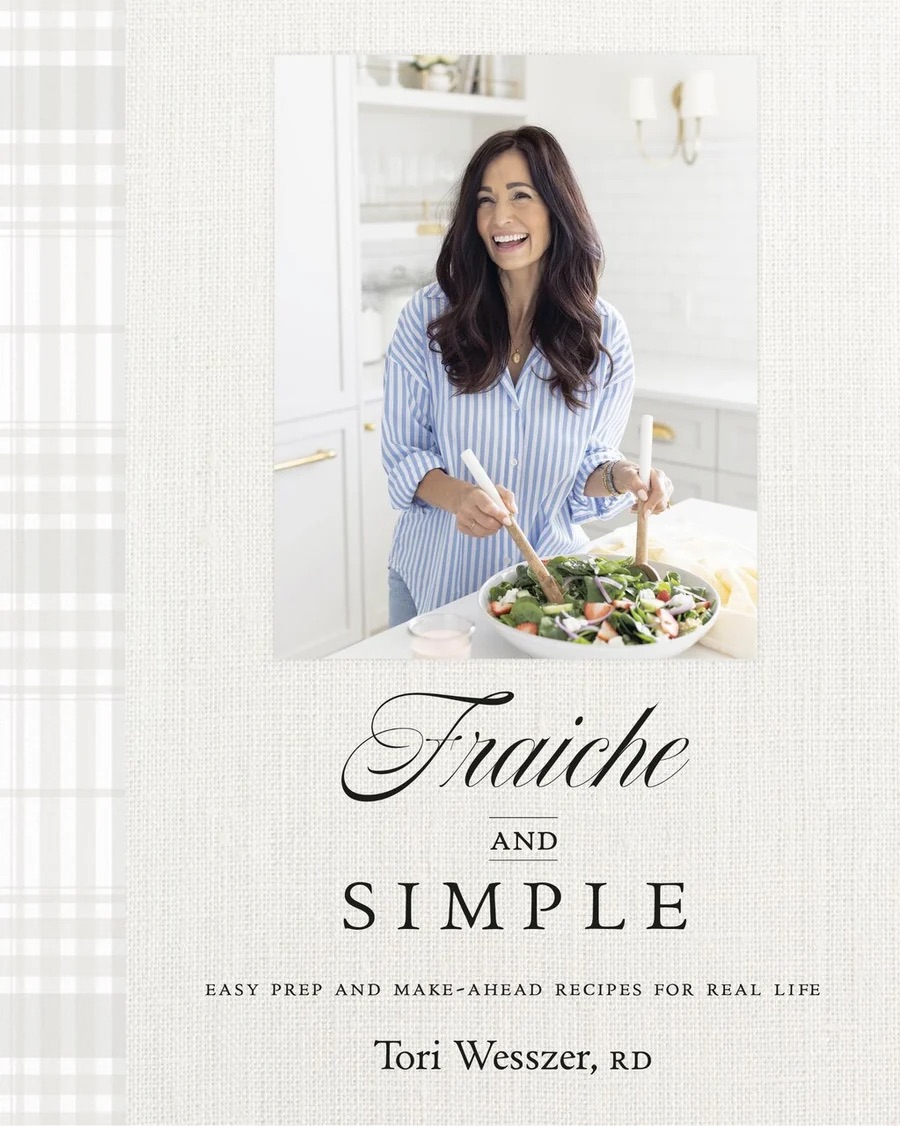
Tori Wesszer’s NEW Cookbook! Fraiche and Simple: Easy Prep and Make-Ahead Recipes for Real Life

I’m really looking forward to Tori Wesszer’s new solo cookbook, Fraiche and Simple!

Fraiche and Simple is more than a collection of recipes: it’s a guide to planning less, stressing less and gathering more. Whether you’re cooking for yourself, a busy family or somewhere in between, Tori shows you how to feed the people you love with ease, intention, and heart.

#1 bestselling cookbook author and registered dietitian Tori Wesszer, founder of Fraîche Table and the voice behind Fraîche Living, has unlocked the secret to stress-free mealtimes with over 100 nourishing recipes designed for real life.

In Fraiche and Simple, Tori shares her proven approach to bringing joy back to the table, even on the busiest days. Whether you thrive with a structured plan or like to keep things flexible, this cookbook is built to meet you where you are. With eight weeks of approachable, dietitian-designed meal plans, along with prep-ahead tips and time-saving strategies, you’ll find the tools you need to make family meals easier, healthier, and more joyful.

Inside, you’ll discover breakfasts that set the tone for the day, such as Raspberry Lemon Overnight Oats or Sheet-Pan Breakfast Sandwiches, satisfying one-pan and one-pot dinners like Smashed Chicken Caesar Tacos or Lemon Dill Chicken and Potatoes, plus cozy soups, no-fuss casseroles, and simple sweets worth saving room for. Each chapter is packed with flexible recipes, storage tips, and options for dietary needs, making it easy to cook in a way that works for you.

Amazon.com
Amazon.com
Amazon.com
fraicheliving.com

“I’ve packed Fraiche and Simple with recipes and learnings that I’ve gained as a dietitian, a home cook, and a mom who knows exactly what it feels like to stand in the kitchen at 5pm with dinner still a big question mark,” Tori Wesszer, R.D.

As Tori has outlined: inside Fraiche and Simple, you’ll find over 100 nourishing, dietitian-designed recipes for real life. Breakfasts that actually get made (and devoured), like Raspberry Lemon Overnight Oats and Sheet-Pan Breakfast Sandwiches. Weeknight dinners that earn a permanent spot in your rotation, like Smashed Chicken Caesar Tacos and Lemon Dill Chicken and Potatoes. Cozy soups, no-fuss casseroles, one-pot meals and simple sweets worth saving room for.

“I’ve designed eight weeks of meal plans, prep-ahead tips, and time-saving strategies woven throughout, so you spend less time wondering what’s for dinner and more time at the table where it matters most.

“Whether you plan everything on Sunday or figure it out at five o’clock, Fraiche and Simple meets you exactly where you are.”

In Canada:

Chapters-Indigo

Amazon

Penguin House Canada

In the US:

Penguin House US

I can’t wait, is all I have to say! 

Release date: September 15th, 2026

Price: C$45

For more information, please visit:fraicheliving.com

I’m Stacey Hobbs, thanks for reading. Until next time! 

do you feel fabulous today?

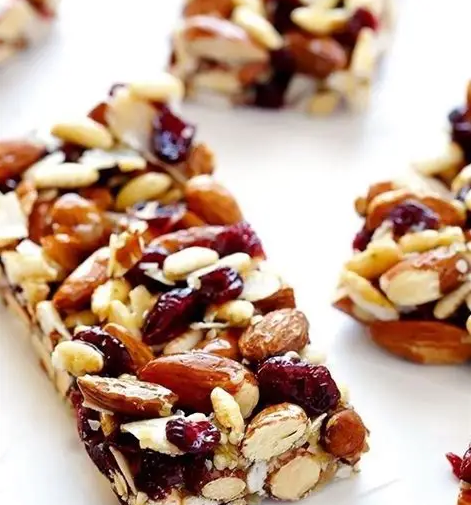
Eating Bird Food Inspired: Cranberry Almond Protein Bars

Bright, chewy, clean‑ingredient protein bars inspired by Eating Bird Food’s signature whole‑food, feel‑good style. These bars combine tart cranberries, creamy almond butter, oats and plant‑based protein into a soft, satisfying snack that’s perfect for meal prep, busy days or post‑workout fuel. They’re wholesome, naturally sweetened and beautifully balanced.

Eating Bird Food is known for bright, wholesome recipes built around real ingredients, balanced nutrition, and approachable wellness. These cranberry almond bars reflect that ethos perfectly: simple, nourishing, and easy to prep. Cranberries add a seasonal, tart pop that aligns beautifully with Brittany’s clean‑eating style and her love of practical, everyday snacks.

Prep 10 min Cook No bake (chill 1–2 hrs) Serves 10–12 bars

Cranberry almond protein bars – Artofit
Cranberry almond protein bars – Artofit/www.artofit.org

Ingredients

1 1/2 cups rolled oats
1/2 cup dried cranberries (unsweetened or reduced‑sugar)
1/4 cup almond flour
1 scoop vanilla protein powder (plant‑based or whey)
Pinch salt
1/2 cup almond butter
1/3 cup honey or maple syrup
1 tsp vanilla extract
2–3 tbsp warm water, as needed
Optional chopped almonds, hemp hearts, flax meal, dark chocolate drizzle

Instructions

  1. Mix dry ingredients
    Combine oats, cranberries, almond flour, protein powder, and salt in a large bowl.
  2. Whisk wet ingredients
    In a separate bowl, whisk almond butter, honey or maple syrup, and vanilla until smooth.
  3. Adjust texture
    Add warm water 1 tbsp at a time until the mixture becomes pourable but still thick.
  4. Combine
    Pour wet mixture into dry ingredients and stir until a cohesive dough forms. Add more water if needed.
  5. Shape
    Press mixture firmly into a parchment‑lined loaf pan and smooth the top.
  6. Chill
    Refrigerate 1–2 hours until firm.
  7. Slice
    Cut into bars or squares. Drizzle with dark chocolate if desired.

Beauty Benefits

  • Vitamin C from cranberries supports collagen and natural skin brightness.
  • Healthy fats from almond butter nourish the skin barrier for glow and softness.
  • Protein supports hair, nail, and skin strength.
  • Oats provide minerals that help maintain skin calmness and hydration.
  • Antioxidants help protect skin from environmental stressors.

Health Benefits

  • High fibre from oats and cranberries supports digestion and fullness.
  • Plant‑based protein supports muscle recovery and balanced energy.
  • Healthy fats promote satiety and hormone balance.
  • Naturally sweetened with honey or maple syrup.
  • Perfect for meal prep and on‑the‑go nutrition.

Storage

  • Refrigerator: 1 week
  • Freezer: Up to 3 months
  • Lunchbox‑friendly: Wrap individually for grab‑and‑go convenience
  • Texture tip: Bars firm up more in the fridge; soften slightly at room temp

Substitutions

  • Nut butter: Peanut butter, cashew butter, or sunflower seed butter
  • Sweetener: Maple syrup, agave, or date syrup
  • Protein powder: Chocolate, unflavored, or collagen
  • Cranberries: Cherries, blueberries, or chopped dates
  • Oats: Use quick oats for a softer bar; rolled oats for more texture
  • Add‑ins: Pumpkin seeds, chia seeds, or cacao nibs

Victory Rolls of 1940’s WWII Wartime

Victory Rolls, the hairstyle that was about patriotism.

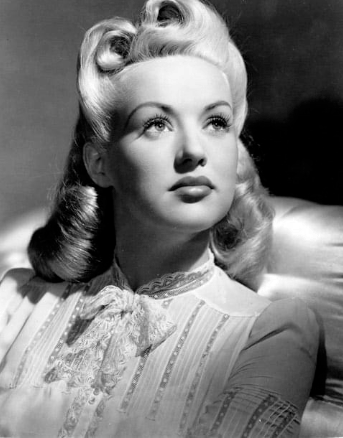
Victory Rolls were a 1940s women’s hairstyle that became a symbol of wartime practicality and patriotism, popular from about 1940–1945, named either for the V for Victory and this hairstyle widely spread by Hollywood and working women.

Victory Rolls are sculpted, sausage‑shaped curls rolled upward and pinned at the sides or crown, often leaving an open curl toward the face. They were most popular during World War II (roughly between 1940–1945).

The technique evolved from late 1930s roll and curl practices; by the early 1940s the look coalesced into the named style as women adapted hair for both glamour and work. Wartime imagery show the roll pre-dated the war but gained its cultural meaning during it.

Behind the Name Victory Rolls

There are three common origin theories as to where the name Victory Rolls derives from or why this hairstyle is even named Victory Rolls.

Aviation manoeuvre. 
Named after the fighter‑pilot “victory roll” aerobatic spin — the curls visually echoed that looping motion.

V for Victory.
The hairstyle’s shape suggested a “V” and tied into Allied morale campaigns.

Practical workplace adoption.
Women in factories and the services rolled hair up for safety and neatness; the style then became associated with patriotic effort.

These theories overlap and none is definitively proven; historians treat the name as culturally emergent rather than traceable to a single inventor.

Practical Function and Symbolism

Victory rolls were functional, as well as symbolic. Women working in factories and on production lines needed hair secured away from machinery; rolling and pinning the front sections kept hair off the face while still allowing a feminine, polished appearance. Maintaining beauty was also framed as a morale duty during wartime.

Hollywood and Popularization

Film stars and pin‑up models helped spread the look. Actresses such as Betty Grable, Veronica Lake, and other screen icons popularized variations—from symmetrical double rolls to single side rolls paired with waves—making the style fashionable across classes and occupations. Photographs and movie publicity reinforced the association between glamour and patriotic duty.

Styling Techniques and Variants

Victory rolls were not a single fixed cut but a family of techniques: backcombing for volume, smoothing, rolling sections into “sausage” shapes, and pinning them above the ears or at the crown. Variants included paired rolls, a single dramatic roll, or integration with a snood or pinned back hair for factory work. Scarves and bandanas were often used to protect hair while working.

Decline and Legacy

After 1945 the look softened as post-war fashions favoured smoother, more romantic styles; however, victory rolls remain symbolic of 1940s style.

Victory rolls fused practicality, patriotism, and Hollywood glamour. Victory rolls, a wartime hairstyle that kept hair safe for work while signaling solidarity with the war effort.

I’m Stacey Hobbs, thanks for reading. Until next time!

do you feel fabulous today?