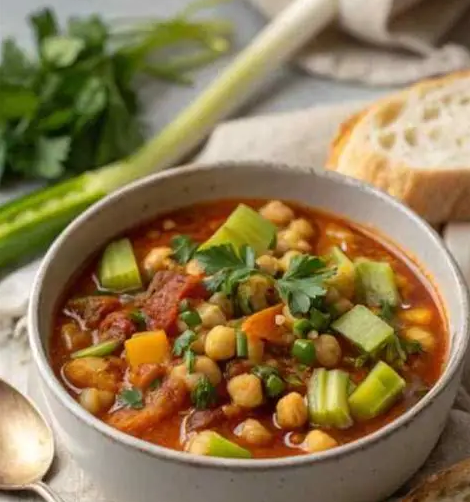
Ancient Roman Inspired: Leek & Chickpea Stew (Legion‑Style)

Authentic to Ancient Roman ingredients, Roman cooking methods and Roman legion field rations.

A rustic, nourishing stew built from ingredients Roman soldiers actually carried: chickpeas, leeks, olive oil, herbs and a wine‑vinegar mixture called posca. Thick, hearty, and aromatic, this dish reflects the practical, travel‑friendly meals eaten on campaign — simple, filling and deeply rooted in Roman culinary tradition.

Leeks (porrum) were extremely common. Emperor Nero famously ate them daily (“Porrophagus” — the leek‑eater). Romans used leeks in broths, porridges and stews.

Prep 10 min Cook 35 min Serves 4

10 Delicious Leeks Recipes and Expert Tips on How to Store Leeks for Maximum Freshness – Fas Kitchen/www.faskitchen.com

Ingredients

2 cups cooked chickpeas
3 large leeks, cleaned and sliced
3 tbsp olive oil
1 cup water or mild vegetable broth
1/4 cup white wine
1 tbsp Vinegar (posca substitute)
1 tsp coriander seed
Pinch asafoetida (Roman silphium replacement)
1 tsp lovage or celery leaf
To taste sea salt
Optional fresh dill or mint

Instructions

  1. Prepare the leeks
    Slice leeks into rounds and rinse thoroughly to remove grit.
  2. Sauté
    Warm olive oil in a pot and sauté leeks until soft and fragrant.
  3. Add chickpeas
    Stir in chickpeas, coating them in the oil and leeks.
  4. Add liquids
    Pour in the water, white wine, and vinegar to mimic Roman posca.
  5. Season
    Add coriander seed, lovage and a tiny pinch of asafoetida.
  6. Simmer
    Cook on low heat for 25–30 minutes until thick, rustic and stew‑like.
  7. Finish
    Season with sea salt and drizzle with olive oil before serving.
  8. Optional herbs
    Add dill or mint for a historically accurate herbal finish.

Beauty Benefits (Roman Ingredients)

  • Leeks: sulfur compounds for skin clarity
  • Olive oil: healthy fats for glow
  • Chickpeas: protein + zinc for skin repair
  • Herbs: antioxidant‑rich (coriander, lovage, dill)

Health Benefits

  • High fibre
  • protein (chickpeas)
  • Anti‑inflammatory herbs
  • Gut‑supportive prebiotics
  • Stable energy for long days (legion‑style)

Substitutions (Historically Accurate)

  • Lovage → celery leaves
  • Asafoetida → garlic + fennel (tiny pinch)
  • Posca → white wine + vinegar
  • Coriander → dill or mint
  • Leeks → fennel or endive

Storage (Roman Reality)

  • Fridge: 2–3 days
  • Reheat: low heat with splash of water
  • Freezer: not recommended — leeks become mushy
  • Thickens as it sits (authentic Roman texture)

History

Chickpeas and leeks were everyday Roman foods. Soldiers carried dried chickpeas and cooked them with leeks, herbs and oil. Posca (vinegar‑water) was a legionary drink often added to stews for acidity. This dish reflects the practical, hearty, travel‑friendly meals of Roman military life.

Enjoy this Roman Inspired: Leek & Chickpea Stew (Legion‑Style)!

I’m Stacey Hobbs, thanks for reading Face by Stace! Until next time.
do you feel fabulous today?
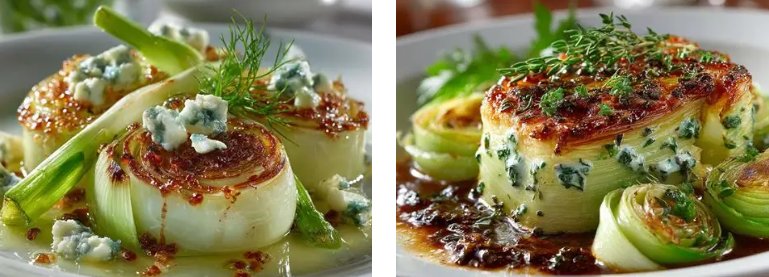
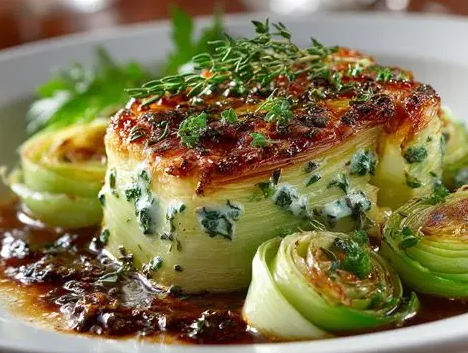
Pardon Your French Inspired: Leeks with White Wine, Tarragon & Shallots

A deeply French bistro‑style preparation where leeks are gently braised in white wine with soft shallots, fresh tarragon and a subtle amount of butter. The result is silky, aromatic and herbaceous — a dish that feels refined, delicate and perfect for Autumn and Winter menus. It’s the kind of elegance you’d expect from a countryside inn in Normandy or a small Parisian wine bar.

Prep 10 min Cook 35 min Serves 4

Delicious Braised Leeks French Style with White Wine Sauce – Air Fryer Recipes/www.bulkfork.com

Ingredients

6 large leeks (white + light green parts only)
3 tbsp un-salted butter
2 shallots, finely sliced
3 cloves garlic, minced
1/2 cup dry white wine
1/2 cup vegetable or chicken stock
2 tbsp fresh tarragon, chopped
1 tsp Dijon mustard (optional, for depth)
to taste salt & black pepper
1 tbsp lemon juice (optional, for brightness)

Instructions

  1. Prep the leeks
    Trim root ends and dark green tops. Slice leeks lengthwise and rinse thoroughly to remove grit.
  2. Sauté aromatics
    In a large skillet, melt butter over medium heat. Add shallots and cook until soft and fragrant, 3–4 minutes. Add garlic and cook 1 minute more.
  3. Sear the leeks
    Place leeks cut-side down in the skillet. Sear 2–3 minutes until lightly golden — this adds depth and sweetness.
  4. Deglaze with wine
    Pour in the white wine and let it reduce by half. Add stock, salt and pepper.
  5. Braise gently
    Cover and simmer 20–25 minutes until leeks are silky and tender. Add Dijon if using.
  6. Finish with tarragon
    Remove lid and stir in fresh tarragon and lemon juice. Spoon sauce over leeks before serving.
Delicious Braised Leeks French Style with White Wine Sauce – Air Fryer Recipes/www.bulkfork.com

Beauty Benefits

Leeks deliver vitamin A precursors, vitamin C, polyphenols, and sulfur compounds that support brightness, clarity, and collagen integrity. Tarragon adds antioxidants that help reduce oxidative stress, while shallots offer quercetin, supporting skin calmness and reduced inflammation. The white‑wine reduction provides polyphenols that help protect the skin barrier, and the butter adds healthy fats for glow and moisture retention.

Health Benefits

  • Digestive support: Leeks are rich in prebiotic fibre, feeding beneficial gut bacteria.
  • Immune support: Shallots and leeks contain sulfur compounds that help strengthen immune response.
  • Heart health: Potassium in leeks supports healthy blood pressure.
  • Antioxidant protection: Tarragon and wine reduction add polyphenols that help reduce cellular stress.
  • Balanced energy: The combination of fibre + healthy fats creates steady, sustained energy.

Substitutions

  • White wine: Vegetable broth + splash of lemon; or dry vermouth.
  • Tarragon: Chervil, parsley, or thyme (for a more Provençal profile).
  • Shallots: Sweet onions or leeks’ own white parts.
  • Butter: Olive oil or plant‑based butter.
  • Leeks: Fennel or endive (for a more aromatic, French‑bistro variation).

Storage

  • Fridge: 3–4 days in an airtight container.
  • Reheat: Low heat in a skillet with a splash of broth or water to revive the sauce.
  • Make‑ahead: Braise the leeks and shallots fully; add fresh herbs right before serving for best aroma.
  • Freezer: Not recommended — leeks become mushy and lose their silky texture.

History

Leeks braised in wine and herbs appear throughout Northern French home cooking, especially in Normandy and Brittany, where white wine and butter are foundational flavours. Tarragon is a classic herb of French cuisine — one of the “fines herbes” — prized for its delicate anise aroma. Shallots, meanwhile, are a cornerstone of French sauces and braises, used for their sweetness and elegance. Together, these ingredients form a dish that feels un-mistakably French: simple, aromatic and luxurious.

I’m Stacey Hobbs, thanks for reading Face by Stace! Until next time.
do you feel fabulous today?
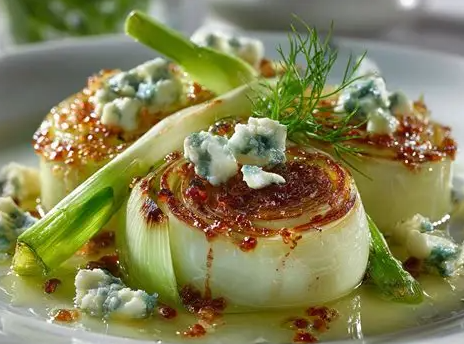
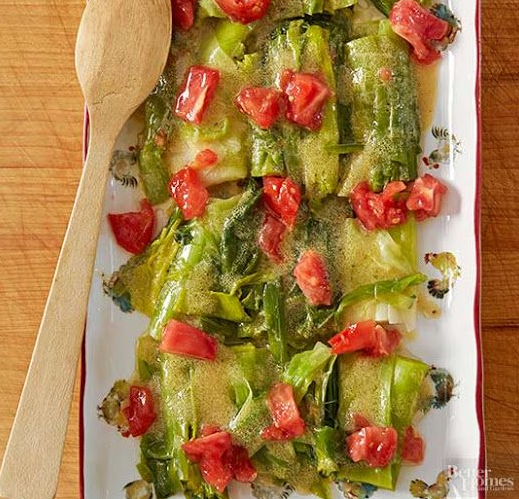
Pardon Your French Inspired: Leeks Provençal with Tomatoes, Garlic & Olive Oil

Sun‑kissed · Rustic · Southern French elegance

Leeks Provençal is a sun‑drenched southern French dish that celebrates simplicity, seasonality and countryside elegance. Tender leeks are gently sautéed until sweet and silky, then simmered with ripe tomatoes, garlic, and olive oil. The result is a warm, aromatic vegetable dish with soft sweetness, bright acidity and Provençal charm. It’s rustic, Mediterranean‑leaning and perfectly aligned with Pardon Your French vibe.

Prep 10 min Cook 25 min Serves 4

Leeks with Tomatoes and Olive Oil Recipe | Recipe | Leeks, Recipes, Olive oil recipes

Ingredients

4 large leeks, trimmed and halved lengthwise
3 tbsp olive oil
2 garlic cloves, thinly sliced
1 cup cherry tomatoes, halved
1/4 cup vegetable or chicken broth
1/2 tsp sea salt
1/4 tsp black pepper
1–2 tbsp fresh thyme or parsley, chopped
Optional splash of white wine

Instructions

  1. Prepare the leeks
    Trim the leeks, leaving the root end intact so they hold together. Slice lengthwise and rinse thoroughly between layers.
  2. Sauté aromatics
    Warm olive oil in a skillet over medium heat. Add garlic and cook until fragrant, about 1 minute.
  3. Add leeks
    Place leeks cut‑side down in the skillet. Cook 3–4 minutes until lightly golden.
  4. Add tomatoes
    Scatter cherry tomatoes around the leeks. Season with salt and pepper.
  5. Deglaze
    Add broth (and a splash of white wine if using). Let it bubble for 30 seconds.
  6. Braise
    Cover and cook 10–12 minutes until leeks are tender and tomatoes have softened.
  7. Finish
    Un-cover, spoon juices over the leeks, and simmer 2–3 minutes to reduce slightly.
  8. Serve
    Transfer to a platter, drizzle with olive oil, and finish with fresh herbs.

Beauty Benefits

This Provençal dish is naturally glow‑forward:

  • Vitamin A precursors → smooth, even skin
  • Vitamin C (from tomatoes + leeks) → collagen support + brightness
  • Polyphenols → anti‑inflammatory + environmental protection
  • Sulfur compounds → detoxification + clarity
  • Potassium → hydration + reduced puffiness
  • Prebiotic fibre → gut‑skin radiance

Olive oil adds healthy fats that support skin suppleness and antioxidant protection.

Health Benefits

A nourishing, Mediterranean‑aligned dish:

  • High prebiotic fibre → supports digestion
  • Antioxidants → reduce oxidative stress
  • Lycopene (tomatoes) → heart + skin protection
  • Sulfur compounds → immune support
  • Healthy fats → balanced satiety
  • Low‑glycemic leeks → stable energy

This is a wellness‑forward vegetable dish perfect for any season.

Storage

  • Fridge: 3–4 days
  • Freezer: 1–2 months (texture softens but flavor stays lovely)
  • Reheat: Low heat in skillet or oven
  • Make‑ahead:
    • Cook fully
    • Store with juices
    • Reheat gently with a splash of olive oil

HISTORY

Provençal cooking is rooted in the sun‑rich Mediterranean region of Southern France, where vegetables, olive oil, garlic and herbs form the backbone of everyday cuisine. Leeks, abundant and appear in countless rustic dishes often paired with tomatoes and garlic to create warm, aromatic vegetable medleys. This dish reflects the Provençal philosophy: simple ingredients, treated with care, transformed into something deeply flavourful and elegant. It’s countryside cooking at its finest — humble, seasonal and full of soul.

I’m Stacey Hobbs, thanks for reading Face by Stace! Until next time.
do you feel fabulous today?
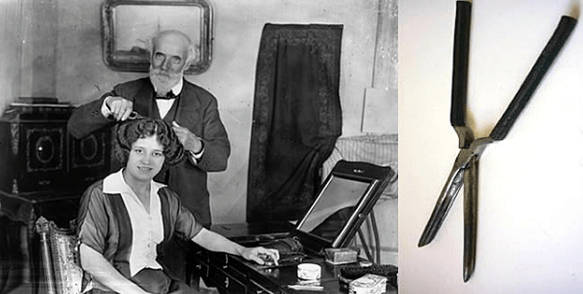
The First Flat Iron (Early Hair‑Straightening Technology)

The first flat iron emerged in the early 20th century as one of the most daring and transformative beauty tools ever introduced. Before its invention, women relied on heated combs, stove‑top irons and improvised metal tools to smooth and shape the hair — methods that were inconsistent, risky, and often damaging. The arrival of the true flat iron marked a turning point: hair styling became more controlled, more technical, and more aligned with the sleek, sculpted aesthetics of the modern woman.

Early flat irons were entirely metal, typically crafted from steel with long handles and two smooth plates that clamped the hair between them. These irons were heated on a stove or over a flame, requiring skill and intuition to reach the right temperature. Too cool and the hair wouldn’t smooth; too hot, and it could scorch instantly. Stylists often kept multiple irons heating at once, rotating them rapidly to maintain the perfect working heat, which was a technique borrowed from the era’s Marcel wave irons.

The first flat irons were used to create the glossy, controlled styles seen on silent‑film actresses and fashionable socialites. They allowed women to tame frizz, refine finger waves and achieve the sleek bobs that defined 1920s glamour. Though primitive by today’s standards, these irons introduced the concept of heat‑based hair engineering, laying the foundation for every straightener, smoothing iron and heat‑styling tool that followed.

In beauty‑technology history, the first flat iron stands as a symbol of precision, innovation and the evolving relationship between women and their hair — a moment when styling became both scientific and expressive.

I’m Stacey Hobbs, thanks for reading Face by Stace! Until next time.
do you feel fabulous today?
Pardon Your French Inspired: Leeks with Mustard Cream & Crispy Breadcrumbs

Elegant, textural, and deeply French — this dish braises leeks until silky, coats them in a tangy mustard cream, and finishes with crisp, buttery breadcrumbs. It’s refined enough for a bistro menu yet comforting enough for fall and winter home cooking.

Prep 15 min Cook 35 min Serves 4

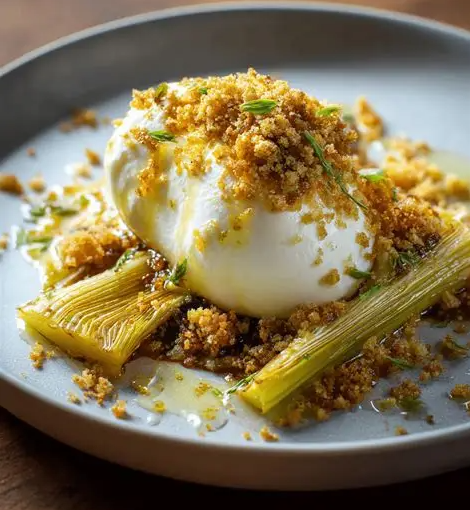
Burrata with Braised Leeks & Mustard Breadcrumbs

Ingredients

4 large leeks, trimmed and halved lengthwise
3 tbsp unsalted butter
1 tbsp olive oil
1/2 cup vegetable or light chicken broth
1/3 cup crème fraîche
1 tbsp Dijon mustard
1 tsp whole‑grain mustard
1 tsp lemon juice
1/2 cup panko breadcrumbs
1 tbsp butter (for toasting breadcrumbs)
To taste salt & white pepper
Garnish chopped chives or parsley

Instructions

  1. Prepare the leeks
    Trim the leeks, keeping the root end intact so they hold together. Slice lengthwise and rinse thoroughly between layers.
  2. Braise the leeks
    In a wide skillet, melt 3 tbsp butter with 1 tbsp olive oil. Add leeks cut‑side down and cook until lightly golden. Pour in broth, season with salt, cover, and braise 15–20 minutes until tender.
  3. Make the mustard cream
    In a small bowl, whisk crème fraîche, Dijon, whole‑grain mustard, lemon juice, and a pinch of white pepper until smooth.
  4. Toast the breadcrumbs
    In a separate pan, melt 1 tbsp butter. Add panko and toast until golden and crisp. Season lightly with salt.
  5. Assemble
    Transfer braised leeks to a serving platter. Spoon mustard cream generously over the leeks.
  6. Finish with texture
    Scatter crispy toasted breadcrumbs over the sauced leeks. Garnish with chives or parsley.
  7. Serve
    Serve warm as a French bistro‑style side dish or elegant vegetarian main.

Beauty Benefits

Leeks deliver vitamin A precursors, vitamin C, polyphenols, sulfur compounds, potassium, and prebiotic fiber — all supporting brightness, clarity, hydration, and gut‑skin radiance. Mustard adds antioxidants; crème fraîche contributes skin‑supportive healthy fats.

Health Benefits

High fibre, antioxidants, immune‑supportive sulfur compounds, heart‑friendly potassium, and balanced fats make this a wellness‑forward dish with stable energy and digestive support.

Substitutions

  • Crème fraîche: Greek yogurt, heavy cream, coconut cream
  • Breadcrumbs: almond meal, crushed crackers, gluten‑free panko
  • Mustard: tarragon mustard, whole‑grain only, Dijon only
  • Leeks: fennel, shallots, green onions

Storage

  • Fridge: 3 days
  • Reheat: low oven, add splash of broth
  • Make‑ahead: braise leeks + make sauce; assemble before serving

History

Mustard‑sauced vegetables are classic across northern France, where mustard, cream, and braised leeks appear in farmhouse cooking and bistro menus. Breadcrumb finishes are traditional in Picardy and Normandy, adding texture to soft vegetables.

I’m Stacey Hobbs, thanks for reading Face by Stace! Until next time.
do you feel fabulous today?

Early Lipstick Tubes (1923–1925)

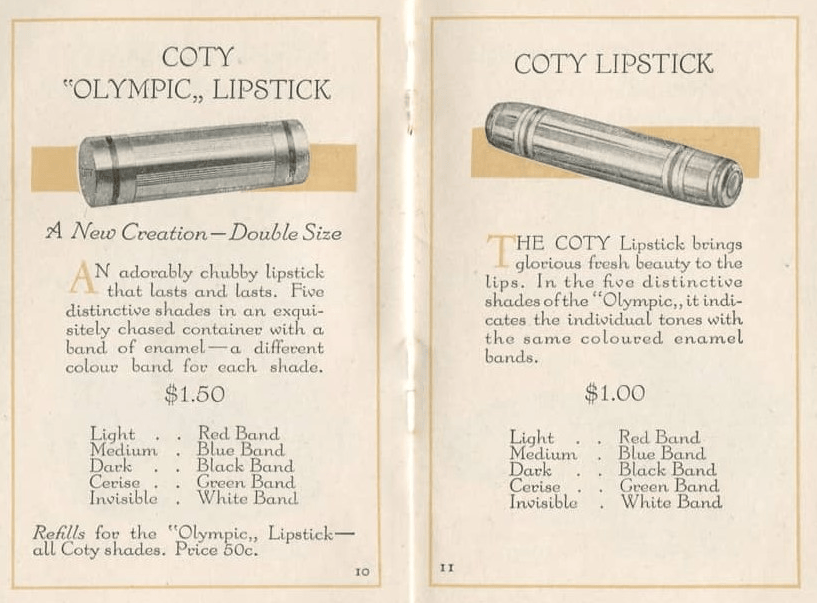
The early lipstick tube of the 1920s marks one of the most important turning points in modern beauty history. Before 1923, lipstick existed but it was inconvenient, messy and socially delicate. Women applied lip pomade from tins, pots or paper‑wrapped sticks often with a fingertip or small brush. It was a private ritual, never performed in public. That changed when beauty companies introduced the first metal push‑up lipstick tubes, transforming lipstick from a hidden indulgence into a portable symbol of modern womanhood.

These early tubes were small engineering marvels. Crafted from metal—silver, brass, nickel or gold‑tone alloys—they used a push‑up mechanism rather than the twist‑up design that would arrive later in the decade. The lipstick sat inside a sturdy cylinder, protected from melting, breaking or staining a handbag. Women could raise the product with a simple slide of the base, apply it cleanly and lower it back into place. This mechanical innovation made lipstick practical, elegant, and—most importantly—public.

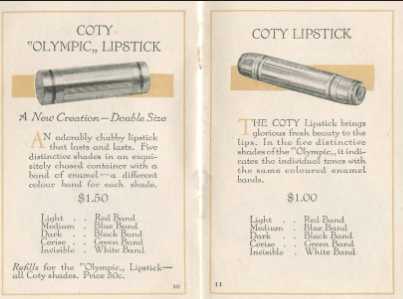
Brands like Coty, Richard Hudnut, Pompeian, and Kissproof embraced the new format immediately. The Coty Olympic Lipstick (pictured above) is a perfect example: bold, modern and marketed as “abnormally sturdy,” “perfectly shaped,” and “double size.” Its metal tube, precise colour offerings and Art Deco typography reflect the decade’s obsession with luxury and innovation.

By 1925, the lipstick tube had become a cultural icon. It empowered women to apply colour confidently in restaurants, dance halls and American speakeasies (Canada had speakeasies as well; they operated similarly but also differently at the same time. Read all about here)—an act that symbolized independence and modernity. In the evolution of beauty technology, the early lipstick tube stands as one of the decade’s most powerful symbols of liberation.

I’m Stacey Hobbs, thanks for reading Face by Stace! Until next time.
do you feel fabulous today?