Powder Compacts as Technology (The First Portable Beauty Device – 1910s–1930s)

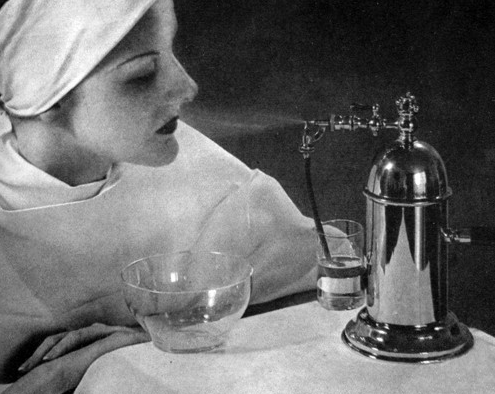
Powder compacts of the 1910s–1930s were not merely decorative accessories, instead they were genuine pieces of beauty engineering. At a time when loose face powder was messy, fragile and confined to vanity tables, the compact introduced a new concept: portable beauty technology. It allowed women to carry their complexion with them, maintain a polished appearance throughout the day and participate in a modern regime of touch‑ups that reflected independence, mobility and sophistication.

Early compacts were marvels of miniature design. Crafted from metal, enamel, Bakelite, or sterling silver, they featured hinged lids, spring‑loaded clasps, built‑in mirrors and engineered powder wells designed to hold compressed powder cakes. Some included clever innovations such as sifter screens, puff compartments, swivel mechanisms or sliding trays that kept powder contained and accessible. These features transformed the compact into a functional device — a beauty tool disguised as jewelry.

Compacts also played a major role in shaping cosmetic culture. They encouraged women to apply makeup publicly, normalizing powdering the nose in cafés, theatres and department stores. This shift was revolutionary: beauty was no longer a private ritual but a visible expression of modern femininity. Brands competed to create compacts that were not only practical but collectible, launching limited‑edition designs with Art Deco motifs, monograms and gemstone accents.

In beauty‑technology history, the powder compact stands as the first truly portable cosmetic device. It merged engineering with fashion, democratized daily glamour, and paved the way for every modern on‑the‑go beauty product — from lipstick tubes to cushion foundations. The compact is proof that even the smallest beauty tools can be technological milestones.

I’m Stacey Hobbs, thanks for reading Face by Stace! Until next time.
do you feel fabulous today?

Ancient Romans & Leeks: History, Culture, Beauty Routine, and Nero’s Obsession

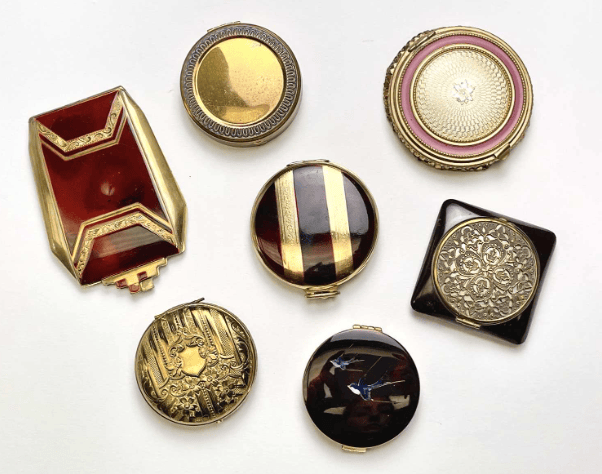
Leeks were far more than a vegetable in Ancient Rome — they represented status. In other words, they were status food, a medicinal ingredient, a beauty routine and even a symbol tied to emperors. Romans ate leeks in broths, porridges, braises and sweet‑savoury dishes and they attributed surprisingly powerful benefits to them.

Leeks in Roman Daily Life

Leeks were widely consumed by Romans and appear in multiple ancient texts. Pliny the Elder notes that Romans made “great use of the leek for savouring their dishes,” citing numerous recipes and preparations . Roman agricultural writers also mention leeks as a staple vegetable used similarly to onions but prized for their milder flavour.

Leeks were so common that Romans likely introduced them to Britain, where they later became a national symbol of Wales .

Nero: The Emperor Who Ate Leeks for Beauty & Performance

No figure is more associated with leeks than Emperor Nero. Nero had a nickname, after all, Porrophagus, “The Leek-Eater,” this is how much he consumed, he loved leeks.

Nero’s nickname: Porrophagus — “The Leek‑Eater”

Pliny records that Nero ate leeks for several days every month to clear and strengthen his singing voice . This practice was so well‑known that he was mockingly called Porrophagus.

Leeks as a vocal‑beauty routine

According to Pliny and later writers, Nero believed leeks:

  • Improved vocal clarity
  • Enhanced breath control
  • Strengthened the throat

This is one of the earliest documented examples of a beauty‑performance ritual involving food.

Martial’s satire

The poet Martial joked that leek‑breath was so strong that anyone who drank leek juice should avoid kissing — a humorous but telling sign of how common leek consumption was among Romans .

Leeks in Roman Medicine & Beauty

Romans used leeks medicinally for:

  • Nosebleeds (also noted by Greek physician Hippocrates)
  • Sore throats
  • Improving sleep (Pliny’s claims)
  • Purging and cleansing the body (later Roman medical writers)

These uses overlap with beauty logic: clearer skin, better sleep, improved voice and internal cleansing were all considered part of maintaining attractiveness and vitality.

Beauty‑nutrition crossover

Leeks contain sulfur compounds and flavonoids such as kaempferol and quercetin, which have anti‑inflammatory and antioxidant properties . Romans didn’t know the biochemistry, but they did believe leeks:

  • Cleansed the blood
  • Improved complexion
  • Supported vocal beauty
  • Enhanced vitality

This makes leeks one of the earliest beauty‑nutrition ingredients in Western history.

Leeks in Apicius (The Roman Cookbook)

The Roman cookbook De re coquinaria (Apicius) includes several leek preparations, often combined with:

  • Olive oil
  • Coriander
  • Cumin
  • Liquamen (fish sauce)
  • Honey
  • Grape‑must syrup (defrutum)

These combinations show how versatile leeks were in Roman cuisine — used in savoury, sweet‑savory, and aromatic dishes.

Apicius even recommends serving leeks with cabbage, lentils, dried peas and quinces.

Leeks Across the Ancient Mediterranean

Leeks were not only Roman — they were beloved by:

  • Egyptians (found in tombs and depicted in art)
  • Greeks (Hippocrates prescribed them for nosebleeds)
  • Israelites (mentioned in the Bible as a food they missed from Egypt)

Romans inherited and expanded these traditions, making leeks a pan‑Mediterranean ingredient.

Cultural Symbolism

Leeks eventually became symbolic in regions influenced by Rome:

  • Romans introduced leeks to Britain, where they became associated with Wales .
  • Welsh folklore later attributed beauty, fertility, and protective powers to leeks — likely inherited from Roman and Druidic beliefs.

Conclusion: Why Leeks Matter the Ancient World Series

Leeks are one of the most historically rich vegetables:

  • Culinary: Apicius includes multiple leek recipes.
  • Medicinal: Romans used leeks for throat, sleep and cleansing.
  • Beauty: Nero used leeks as a vocal‑beauty regime; Pliny praised their effects.
  • Cultural: Romans spread leeks across Europe; they became symbolic in Wales.
  • Nutritional: Modern science confirms their antioxidant and anti‑inflammatory benefits .

I’m Stacey Hobbs, thanks for reading Face by Stace! Until next time.
do you feel fabulous today?
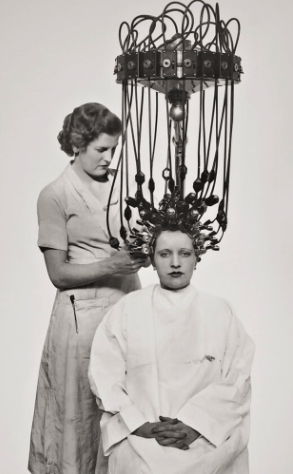
The First Home Permanent Wave Machine (Bringing the Salon Into the Living Room – 1920s–1930s)

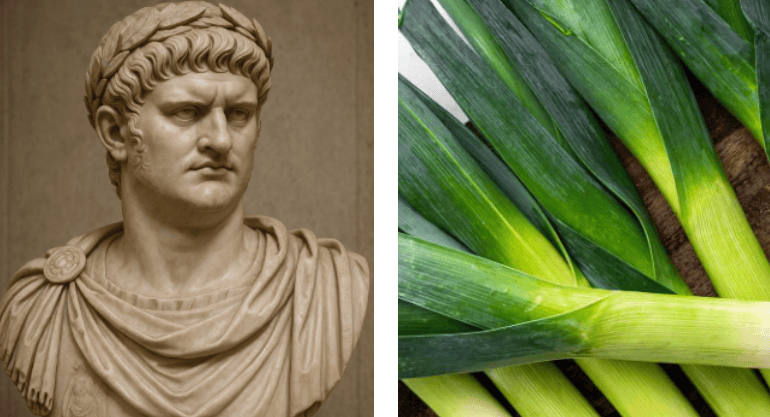
The first home permanent wave machine of the 1920s–1930s was one of the most ambitious beauty inventions ever marketed to consumers. Before its arrival, permanent waves were strictly a salon procedure, performed with towering electrical machines, dangling heated rods and skilled operators who monitored every curl. The idea that a woman could perform this complex, heat‑based chemical process at home was revolutionary — and a little dangerous.

Early home permanent wave machines were compact versions of their salon counterparts. Instead of a ceiling‑mounted octopus of electrical cords, the home model used a tabletop heating unit connected to several small curling heaters or clamps. These clamps were applied to sections of hair that had been treated with waving solution, then heated to set the curl. Instruction manuals promised “professional results,” “lasting waves,” and “modern beauty made simple,” but the reality was far more technical. Users had to time each curl precisely, monitor heat levels and avoid overheating — all without the guidance of a trained operator.

Despite the risks, these machines represented a major shift in beauty culture. They empowered women to experiment with salon‑grade technology in private, transforming the home into a personal beauty laboratory. The home permanent wave machine also democratized glamour: sleek Marcel waves and soft, sculpted curls were no longer limited to actresses or wealthy clients. Ordinary women could achieve fashionable styles on their own terms.

Though eventually replaced by safer, more efficient methods, the first home permanent wave machine remains a symbol of early homemade beauty innovation — a bold moment when technology, chemistry and personal style converged in the living room.

I’m Stacey Hobbs, thanks for reading Face by Stace! Until next time.
do you feel fabulous today?
Beauty Lamps & UV Therapy (The First Light‑Based Beauty Technology)

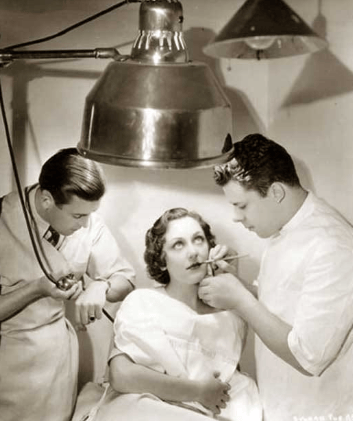
Beauty lamps and ultraviolet therapy devices of the 1920s–1930s were among the earliest attempts to merge cosmetic enhancement with scientific illumination. As electricity became a household standard, inventors and beauty operators began experimenting with light as a tool for complexion improvement, makeup precision, and therapeutic treatment. These lamps were marketed as modern marvels — capable of refining skin tone, improving circulation, and revealing the face with unprecedented clarity.

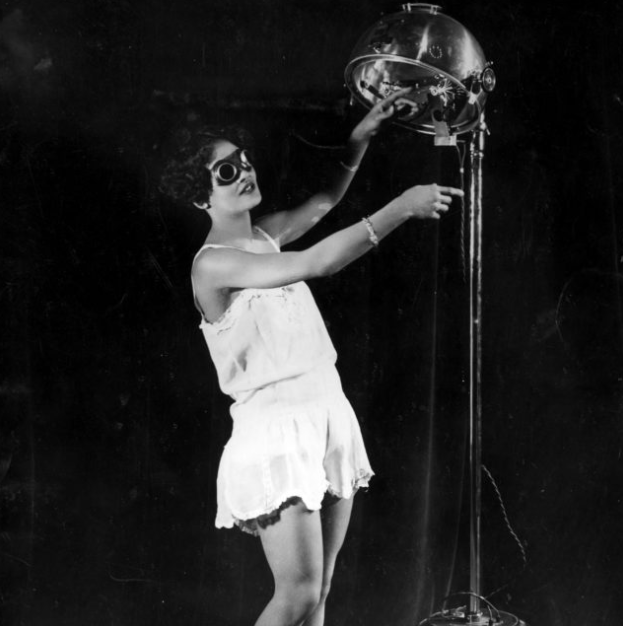
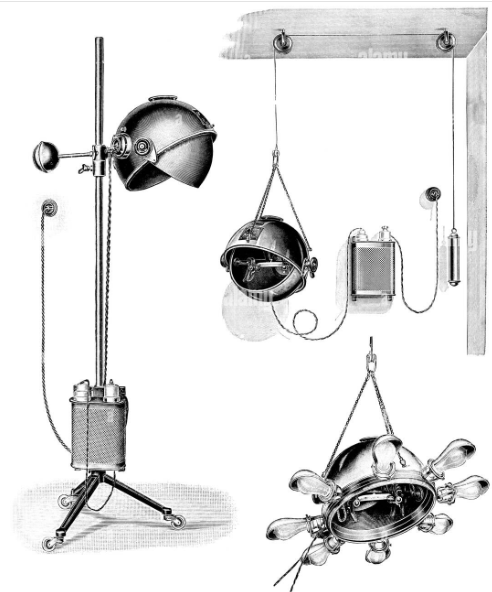
Early beauty lamps were large, often dome‑shaped fixtures mounted above vanity tables or treatment chairs. Their purpose was twofold: to provide high‑intensity illumination for makeup application and to deliver controlled UV exposure believed to stimulate skin health. Advertisements promised “radiant complexions,” “clear pores,” and “scientific beauty,” reflecting the era’s fascination with technology as a path to glamour. Some lamps were used purely for visibility, allowing makeup artists to sculpt brows, apply lipstick and perfect powder under bright even light. Others incorporated ultraviolet bulbs intended to mimic the therapeutic effects of sunlight.

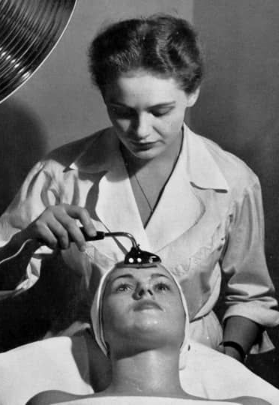
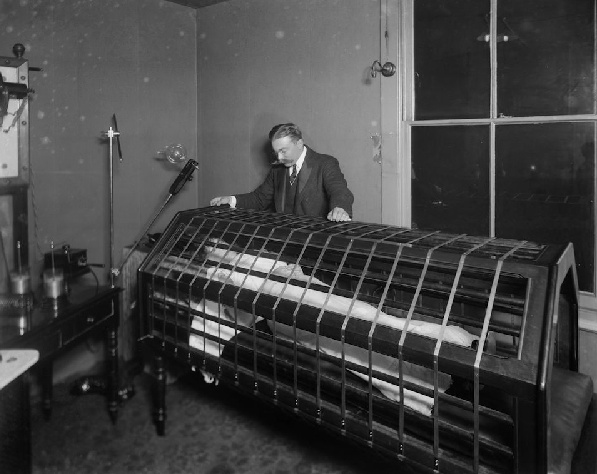
In professional settings, beauty operators used UV lamps alongside facial steamers, vibratory massagers and electrical treatments. Clients reclined beneath the glowing dome while operators applied creams, adjusted tools or performed makeup artistry — a routine that blended science with performance. At home, smaller lamps were sold as personal beauty aids, encouraging women to adopt “modern light therapy” as part of their daily routine.

Though later replaced by safer, more regulated technologies, early beauty lamps represent a pivotal moment in beauty history. They introduced the concept of light as a cosmetic tool, paved the way for ring lights, LED therapy, and professional makeup lighting and helped define the visual language of glamour itself.

I’m Stacey Hobbs, thanks for reading Face by Stace! Until next time.
do you feel fabulous today?
Ancient Roman Inspired: Leeks with Honey, Vinegar & Herbs (Roman Sweet‑Sour)

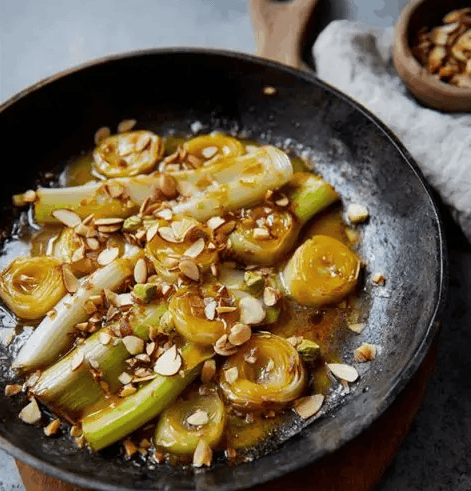
Soft, gently charred leeks are draped in a glossy honey‑vinegar reduction infused with Roman herbs. The dish keeps the ancient sweet‑sour profile. Think: a minimalist Roman agrodolce, plated with intention, light and elegance.

Romans loved sweet‑sour combinations. This dish pairs leeks with honey, vinegar, and herbs, which is historically accurate and delicious.

Prep 10 min Cook 20 min Serves 4

Honey Mustard Marinated Leeks

Honey Mustard Marinated Leeks/www.k-recipes.com

Ingredients

4 large leeks, trimmed and halved lengthwise
2 tbsp olive oil
2 tbsp honey (wildflower preferred)
1 tbsp white wine vinegar
1–2 tbsp water (as needed for glazing
1/4 tsp sea salt
1/4 tsp ground coriander or lovage
Small pinch asafoetida or garlic + fennel
To finish dill fronds or micro‑celery leaves

Instructions

  1. Prep the leeks
    Trim the leeks, slice lengthwise, and rinse thoroughly to remove grit.
  2. Char the leeks
    Heat olive oil in a skillet over medium‑high. Place leeks cut‑side down and cook until lightly charred and golden.
  3. Soften gently
    Reduce heat to medium, flip the leeks, and cook 3–4 minutes until tender.
  4. Create the Roman sweet‑sour glaze
    Add honey, vinegar, salt, coriander/lovage, and a tiny pinch of asafoetida (or garlic + fennel). Add 1–2 tbsp water if needed.
  5. Glaze the leeks
    Simmer until the sauce thickens into a glossy coating. Spoon glaze over the leeks as they finish.
  6. Plate elegantly
    Arrange leeks on a plate, drizzle remaining glaze, and finish with dill fronds or micro‑celery leaves.

Beauty Benefits

  • Leeks: sulfur compounds for clarity and brightness
  • Honey: natural humectant for glow
  • Olive oil: healthy fats for moisture retention
  • Herbs: antioxidants that help calm inflammation
  • Vinegar: supports gentle exfoliation from within

This dish is a skin‑supporting powerhouse.

Health Benefits

  • Prebiotic fiber for gut‑skin harmony
  • Anti‑inflammatory herbs
  • Balanced sweet‑sour profile for stable digestion
  • Heart‑healthy olive oil
  • Naturally low‑glycemic sweetness

Substitutions

(Still historically grounded, but optimized for elegance)

  • Honey → wildflower honey for floral notes
  • Vinegar → white wine vinegar for a softer, more photogenic glaze
  • Lovage → micro‑celery leaves for plating finesse
  • Mint → dill fronds for a lighter, feathery finish
  • Olive oil → cold‑pressed, golden oil for sheen

Storage

  • Fridge: 3 days
  • Reheat: warm gently with a splash of water
  • Freezer: not recommended
  • Glaze thickens beautifully over time

History

Sweet‑sour vegetable dishes were deeply rooted in Roman culinary tradition. The Romans frequently combined honey (their primary sweetener) with vinegar (a staple of both cooking and daily life) to create a balanced, bright, and aromatic glaze known in medical texts as oxymel. This mixture appears throughout Roman dietary writing, agricultural manuals, and early culinary practices, where it was used to season vegetables, preserve foods, and support digestion.

Leeks themselves were a beloved Roman ingredient. They appear in Apicius, in agricultural texts by Cato and Columella, and in cultural anecdotes — most famously in the story of Emperor Nero, who was nicknamed Porrophagus, “the Leek‑Eater,” for his habit of consuming leeks to improve his singing voice. Romans prepared leeks in broths, porridges, braises and sweet‑sour dishes often pairing them with herbs like lovage, coriander, dill and mint.

The combination of leeks + honey + vinegar + herbs reflects the Roman preference for dishes that were simple, ingredient‑forward, and nutritionally purposeful. Sweet‑sour flavours were considered both pleasurable and beneficial for digestion, making this preparation common in both home cooking and military rations.

I’m Stacey Hobbs, thanks for reading Face by Stace! Until next time.
do you feel fabulous today?

Early Facial Steamers (The Birth of Modern Skin Therapy)

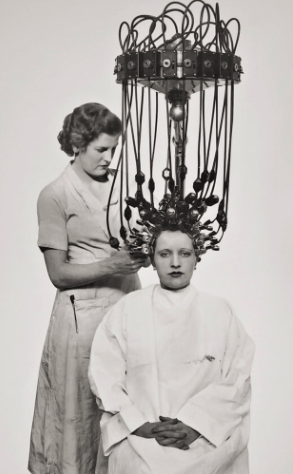
Early facial steamers of the 1910s–1930s were among the first beauty devices designed specifically for skin health rather than makeup application. Before this innovation, women relied on bowls of hot water, herbal infusions or warm cloths to soften the skin and open pores. The arrival of mechanical steamers transformed this simple ritual into a scientific treatment, merging dermatology, hygiene and beauty culture into a single, elegant machine.

A true early facial steamer consisted of a metal or glass chamber that heated water to produce a controlled stream of vapor. Some models used electric heating elements, while others relied on spirit lamps or small burners. The steam was directed through a narrow spout or funnel, allowing women to position their face at the ideal distance for pore cleansing. Advertisements promised clearer skin, improved circulation and a “velvety complexion” — benefits that aligned perfectly with the era’s fascination with purity and refinement.

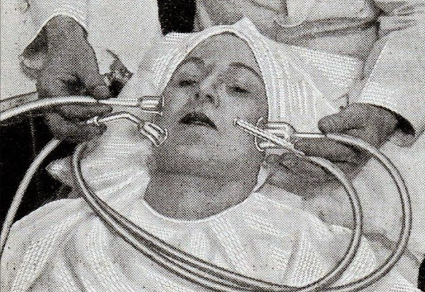
These devices were used in both professional salons and private homes. Beauty operators incorporated steamers into facial treatments alongside cold cream massages, vibratory massagers and early electrical therapies. At home, women followed instructional pamphlets that guided them through steaming sessions, often performed at their vanity table before applying powder or rouge. The experience was both practical and indulgent, offering a moment of warmth, relaxation and self‑care.

Early facial steamers laid the foundation for modern skincare technology. They introduced the concept of controlled heat therapy, paved the way for electric humidifiers and spa steamers, and helped establish the idea that beauty could be enhanced through scientific methods. In the evolution of beauty tools, the facial steamer stands as one of the earliest devices dedicated to skin wellness.

I’m Stacey Hobbs, thanks for reading Face by Stace! Until next time.
do you feel fabulous today?