Ancient Greece: Beauty, Purity & the Hidden Dangers

Ancient Greece embraced a beauty ideal rooted in harmony, purity, and natural elegance. Greek women relied on gentle ingredients such as olive oil, honey, beeswax, clay, and herbal infusions, forming one of history’s earliest “clean beauty” traditions. Yet even this nature‑focused culture had its cosmetic risks.

Olive oil was the cornerstone of Greek skincare. It moisturized, protected, and added a soft glow to the complexion. Honey masks were used to purify and soothe, while clay helped refine the skin. These practices were safe, effective, and deeply connected to Greek philosophy, which viewed beauty as a reflection of inner balance.

The danger came from the pursuit of pale skin, a symbol of status and refinement. Some women used white lead paste to lighten their complexion — a trend borrowed from earlier cultures and later adopted by Rome. Lead whiteners created a smooth, porcelain look but they were toxic, causing irritation, dullness and long‑term health issues.

Exfoliation could also be harsh. Greeks used pumice stones and coarse scrubs to polish the skin. While effective in moderation, overuse damaged the barrier and caused sensitivity.

Despite these risks, Greek beauty was largely gentle and botanical. Their rituals celebrated natural ingredients, balance and self‑care — a philosophy that continues to influence modern skincare.

I’m Stacey Hobbs, thanks for reading Face by Stace! Until next time.

do you feel fabulous today?
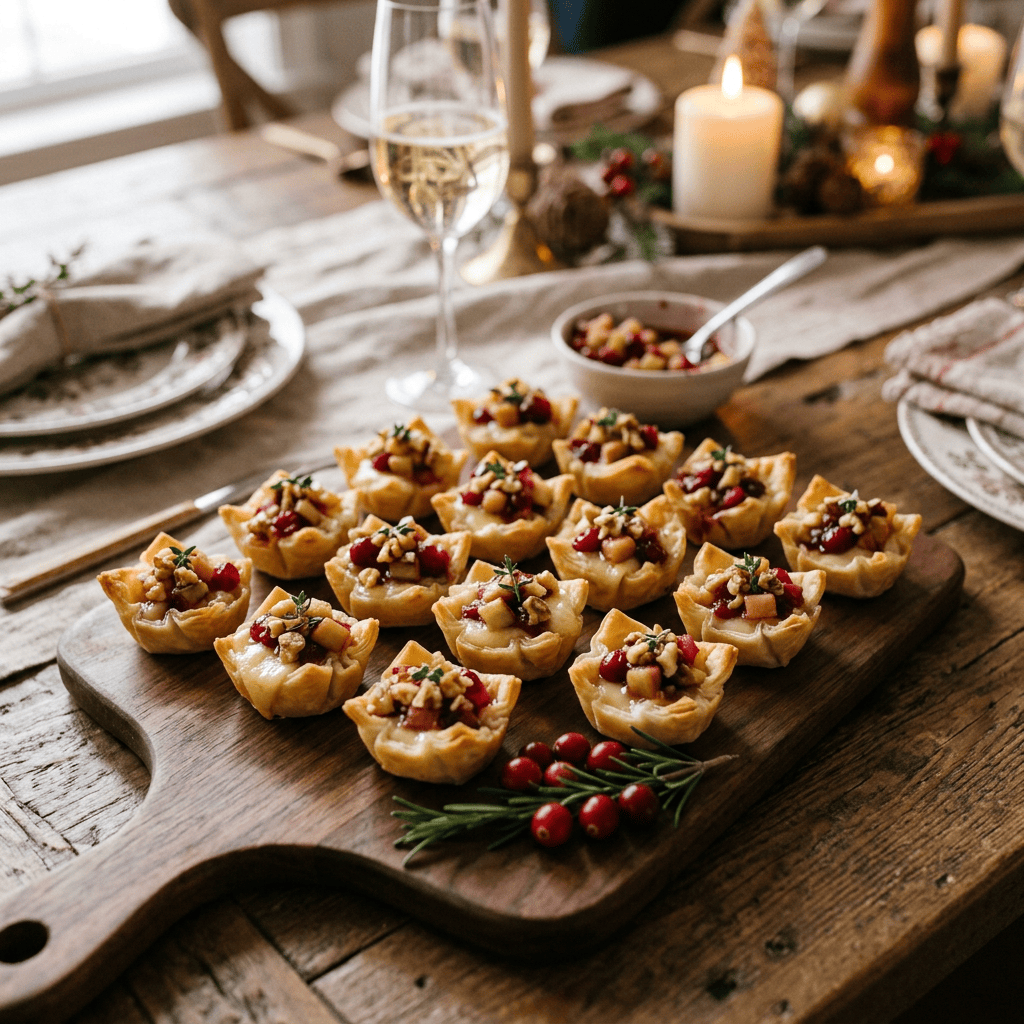
Tori Wesszer Inspired: Cranberry‑Apple Brie Appetizer Bites (Mini Phyllo Cups)

These Cranberry‑Apple Brie Appetizer Bites are everything Tori Wesszer does best — fresh, seasonal ingredients styled into a wholesome, approachable, and beautifully balanced bite. The crisp phyllo cups hold a melting centre of creamy brie, topped with a bright cranberry‑apple mixture sweetened gently with maple syrup. As they bake, the brie softens into a rich, velvety base while the fruit warms and bursts, creating a glossy, jewel‑toned topping that feels festive without being fussy.

A hint of lemon zest and a whisper of cinnamon give the filling a cozy autumn lift, making these bites perfect for holiday gatherings, family dinners, or chic entertaining with minimal effort. They’re warm, tangy, creamy, and lightly sweet — a small, elegant appetizer that disappears quickly from the platter.

Category: Appetizer
Tone: Entertaining‑friendly, polished but easy

Servings: 24 bites
Prep Time: 15 minutes
Cook Time: 12 minutes

Tray of golden pastry cups filled with fruit, nuts, and herbs
Golden pastry bites filled with fruit, nuts, and herbs create a festive holiday appetizer spread.

Ingredients

  • 24 mini phyllo cups
  • ½ cup fresh cranberries, chopped
  • ½ cup finely diced apple (Honeycrisp or Gala)
  • 120 g brie, cut into small cubes
  • 1 tbsp maple syrup
  • ½ tsp lemon zest
  • Pinch of cinnamon

Instructions

  1. Preheat oven to 375°F (190°C).
  2. In a bowl, mix cranberries, apple, maple syrup, lemon zest, and cinnamon.
  3. Place a cube of brie into each phyllo cup.
  4. Spoon cranberry‑apple mixture over the brie.
  5. Bake 10–12 minutes until brie melts and cups crisp.
  6. Serve warm.

Storage

Best fresh. Can be refrigerated for 1 day; reheat at 325°F for 5 minutes.

Substitutions

  • Brie → Camembert or goat cheese
  • Apple → Pear
  • Maple syrup → Honey

Enjoy!

I’m Stacey Hobbs, thanks for reading Face by Stace! Until next time.
do you feel fabulous today?

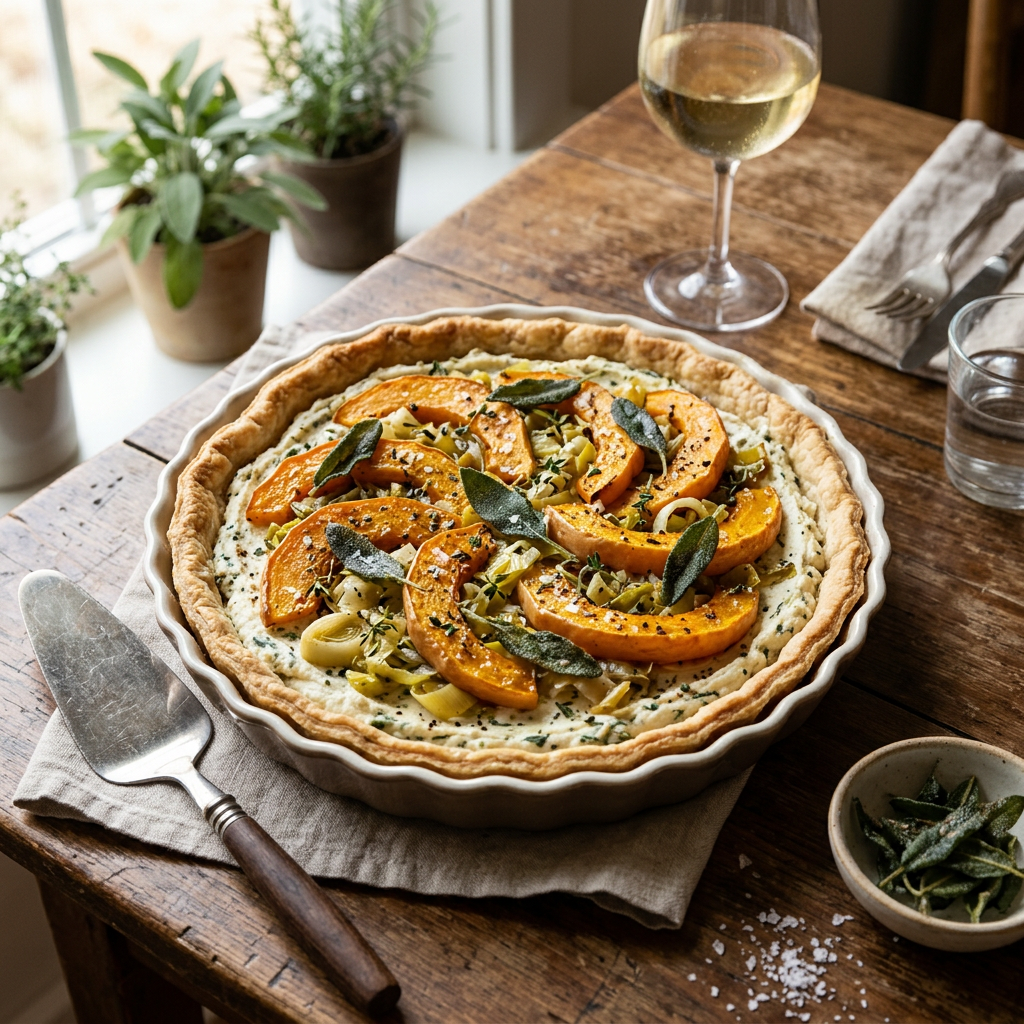
Tori Wesszer Inspired: Roasted Squash & Leek Tart with Sage Ricotta

This Roasted Squash & Leek Tart with Sage Ricotta is classic Tori Wesszer: wholesome, cozy and beautifully simple. The flaky puff‑pastry base turns golden and crisp, creating the perfect foundation for a silky ricotta mixture infused with fresh sage, salt, and pepper. Roasted butternut squash adds natural sweetness and warmth, while sautéed leeks bring a buttery softness that ties everything together.

As the tart bakes, the ricotta gently puffs, the squash caramelizes at the edges, and the leeks settle into the filling, creating a rustic, autumn‑forward dish that feels both comforting and elegant. A light drizzle of olive oil before serving adds richness without heaviness, keeping the flavours balanced and bright.

It’s the kind of recipe that works for brunch, cozy dinners or effortless entertaining — nourishing, seasonal, and styled with that approachable West Coast charm Tori is known for.

Category: Tart
Tone: Warm, nourishing, Autumn

Servings: 6
Prep Time: 25 minutes
Cook Time: 35 minutes

Golden squash tart topped with sage on a wooden dining table
A golden squash tart topped with crispy sage makes a warm, inviting centerpiece for a seasonal meal.

Ingredients

  • 1 sheet puff pastry, thawed
  • 1½ cups roasted butternut squash cubes
  • 1 cup sautéed leeks
  • ¾ cup ricotta
  • 1 tbsp finely chopped fresh sage
  • 1 egg (for egg wash)
  • ½ tsp salt
  • ¼ tsp pepper
  • 1 tbsp olive oil

Instructions

  1. Preheat oven to 400°F (205°C).
  2. In a bowl, mix ricotta with sage, salt, and pepper.
  3. Place puff pastry on a parchment‑lined baking sheet.
  4. Spread ricotta mixture over the center, leaving a 1‑inch border.
  5. Add roasted squash and sautéed leeks evenly on top.
  6. Brush edges with egg wash.
  7. Bake 30–35 minutes until golden and puffed.
  8. Drizzle lightly with olive oil before serving.

Storage

Refrigerate up to 2 days. Reheat at 350°F for 8 minutes.

Substitutions

  • Ricotta → Goat cheese or mascarpone
  • Butternut squash → Delicata or acorn squash
  • Sage → Thyme

Enjoy!

I’m Stacey Hobbs, thanks for reading Face by Stace! Until next time.
do you feel fabulous today?

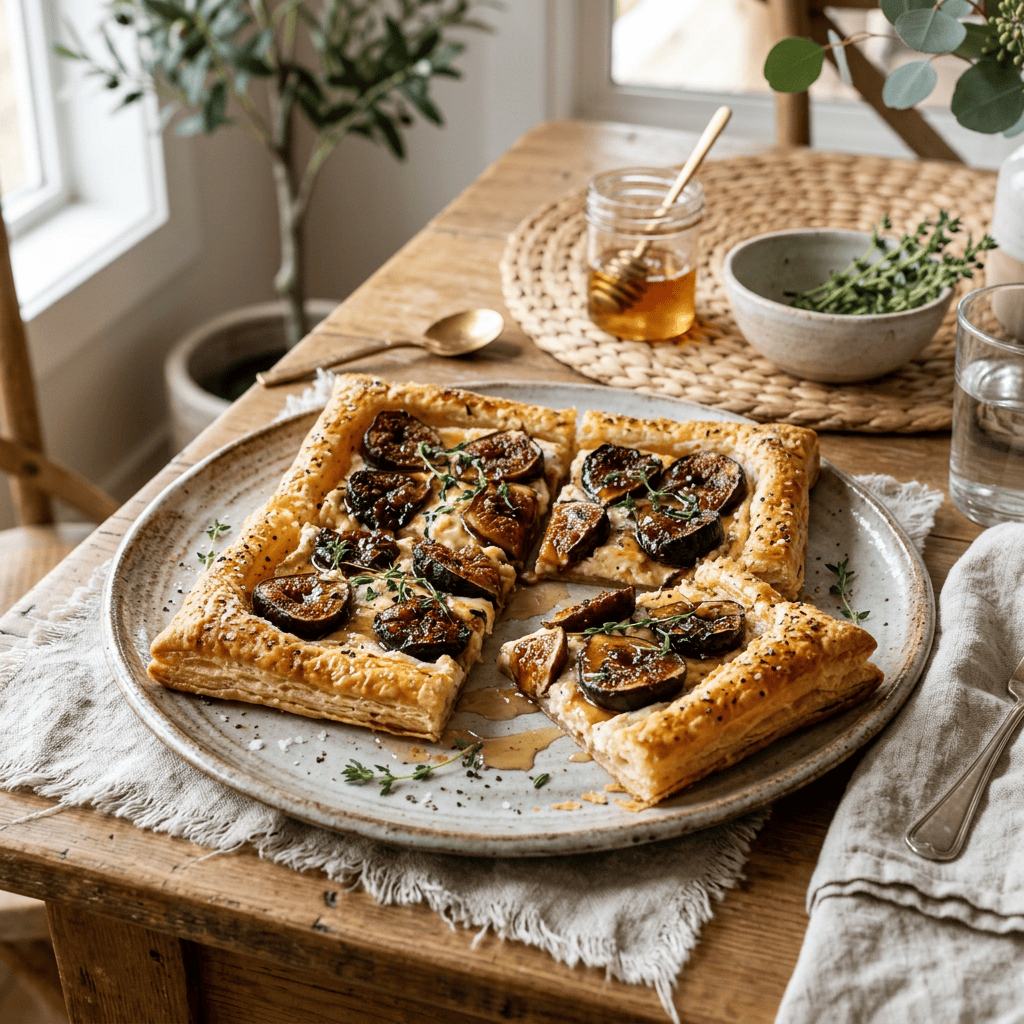
Jillian Harris Inspired: Roasted Fig & Goat Cheese Tart with Honey‑Thyme Drizzle

This Roasted Fig & Goat Cheese Tart with Honey‑Thyme Drizzle is the kind of effortless elegance Jillian Harris is known for — simple ingredients styled into something undeniably beautiful. The flaky puff‑pastry base turns golden and crisp in the oven, creating the perfect canvas for creamy goat cheese and jammy roasted figs. As the figs soften, their natural sweetness deepens, mingling with the tang of the cheese in a way that feels both rustic and refined.

A warm drizzle of honey and a sprinkle of fresh thyme finish the tart with a glossy, aromatic lift. It’s visually stunning, subtly sweet and wonderfully balanced — ideal for brunch, cozy gatherings or a chic appetizer that looks far more complicated than it is.

Four puff pastry tarts topped with caramelized figs and thyme on a plate
Golden puff pastry tarts topped with caramelized figs and fresh thyme make an inviting rustic centerpiece.

Category: Tart
Style: Elegant, romantic, brunch‑ready

Servings: 6
Prep Time: 15 minutes
Cook Time: 25 minutes

Ingredients

  • 1 sheet puff pastry, thawed
  • 6 fresh figs, quartered
  • ½ cup soft goat cheese
  • 2 tbsp honey
  • 1 tsp fresh thyme
  • 1 egg (for egg wash)
  • Pinch of sea salt

Instructions

  1. Preheat oven to 400°F (205°C).
  2. Place puff pastry on a parchment‑lined baking sheet.
  3. Spread goat cheese evenly, leaving a 1‑inch border.
  4. Arrange figs on top.
  5. Brush edges with egg wash.
  6. Bake 20–25 minutes until golden and puffed.
  7. Drizzle with honey and sprinkle thyme before serving.

Storage

Store in the fridge for up to 2 days. Reheat at 350°F for 8 minutes.

Substitutions

  • Goat cheese → Ricotta or mascarpone
  • Honey → Maple syrup
  • Figs → Pear slices

I’m Stacey Hobbs, thanks for reading Face by Stace! Until next time.
do you feel fabulous today?

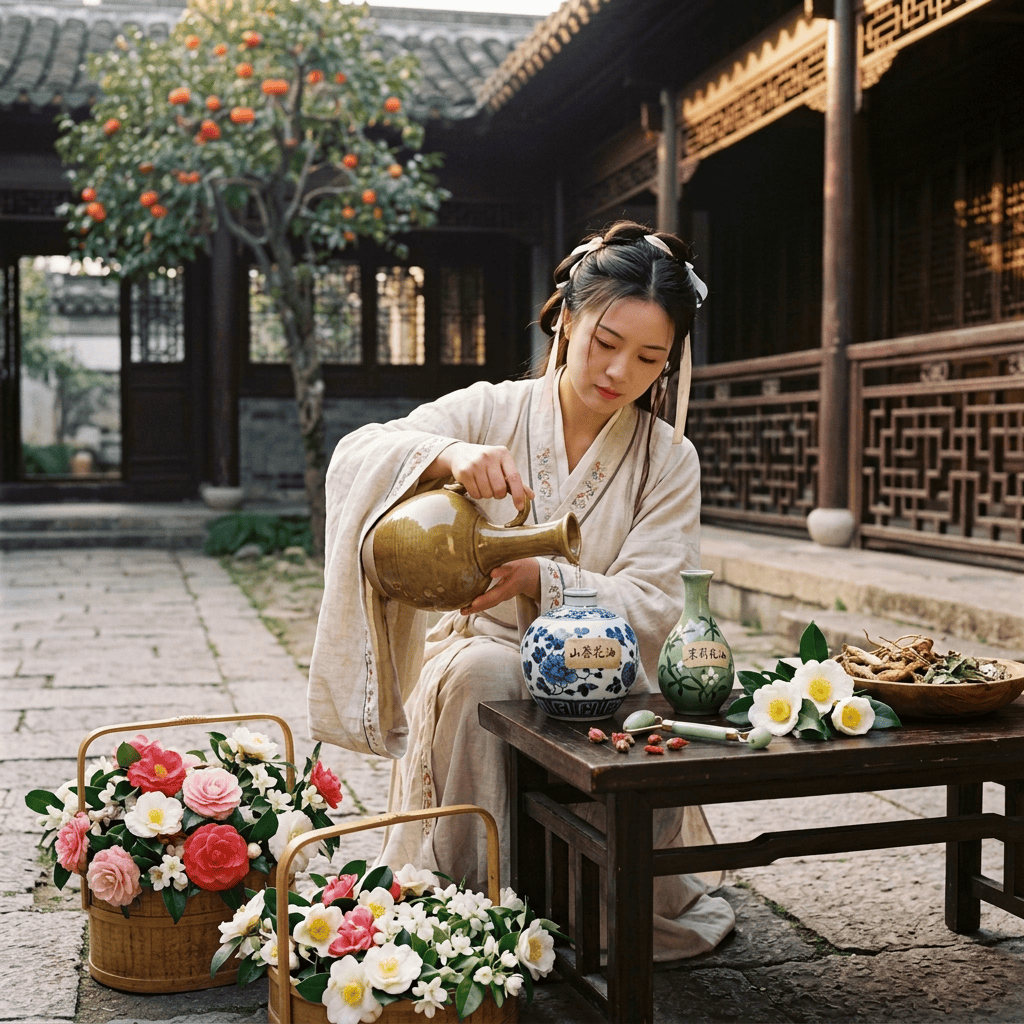
Ancient China: Camellia and Jasmine Oils

In Ancient China, beauty rituals were deeply connected to nature, refinement, and balance — and two oils stood at the centre of these traditions: camellia and jasmine. Both were treasured for their fragrance, their skin‑nourishing properties, and their symbolic ties to purity and elegance.

Camellia Oil

Camellia oil, often called tea seed oil, was one of the most prized beauty ingredients among Chinese women, especially during the Han and Tang dynasties. Extracted from the seeds of the camellia flower, it was celebrated for its lightweight texture and exceptional ability to soften and condition the skin. Women used it to moisturize the face, smooth the hands, and protect the skin from dryness caused by seasonal winds.

Camellia oil was also a revered hair treatment. It added shine, reduced breakage, and helped maintain the sleek, glossy styles that defined classical Chinese beauty. Its high oleic acid content made it deeply nourishing yet non‑greasy — a perfect match for the understated elegance of the era.

Jasmine Oil

Jasmine, known for its delicate white blossoms and intoxicating scent, held both aesthetic and cultural significance. Jasmine oil was used in perfumed hairpins, skin balms, and bath rituals. Its aroma symbolized grace, femininity, and inner harmony, making it a favourite among noblewomen.

Beyond fragrance, jasmine oil was valued for its calming properties. It soothed the skin, eased tension, and brought a sense of serenity — aligning with traditional Chinese ideals of beauty as a reflection of inner balance.

I’m Stacey Hobbs, thanks for reading Face by Stace! Until next time.

do you feel fabulous today?
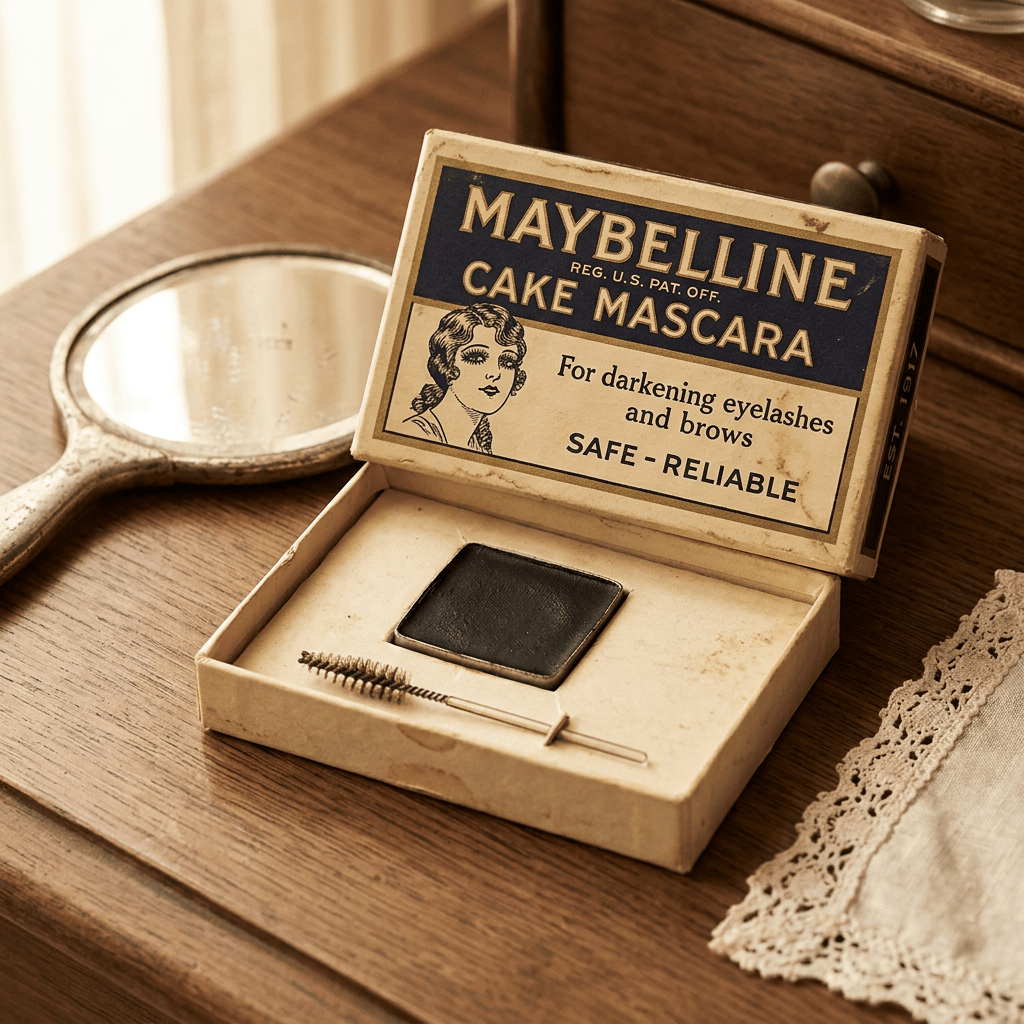
The Birth of Modern Mascara (1917)

In 1917, Tom Lyle Williams transformed beauty history with the launch of Maybelline Cake Mascara, a solid black cake activated with a few drops of water and applied using a small brush. Until then, lash darkening was mostly a stage trick — messy, homemade, or reserved for theatrical makeup artists. Maybelline’s innovation changed everything. By packaging the formula in a tidy little tin and selling it through drugstores and mail‑order catalogues, Williams created the first modern, everyday mascara that regular women could buy, use, and trust. It democratized eye makeup, bringing defined, dramatic lashes out of the theatre and into daily beauty routines. This single product laid the foundation for the mascara industry and set the stage for every lash innovation that followed.

Open Maybelline Cake Mascara box with mirror and applicator
A vintage Maybelline cake mascara box rests open beside its mirror and applicator.

I’m Stacey Hobbs, thanks for reading Face by Stace! Until next time.
do you feel fabulous today?